bluename
Choosing the right succulents for coastal decor is all about matching the plant’s natural toughness with your specific indoor light and your watering habits. My short answer is this: stick with thick-leaved varieties like Echeveria, Sedum, and Graptopetalum, pot them in a gritty mix inside a pot with drainage holes, and place them in your brightest window. I have killed more than a dozen plants over the years, and I can tell you that 90% of indoor plants die from overwatering.
I learned that lesson the hard way. I live about a mile from the Pacific, where the salty air and fog make everything feel damp. My first attempt at a coastal succulent display was a tragedy. I bought a gorgeous mix of tender Echeverias and put them in a beautiful, glazed ceramic bowl with no holes. I watered them like my garden plants. Within two weeks, every single rosette had turned to mush. It was a brutal but necessary lesson.
Now, after years of fiddling with windowsills and grow lights, I have a system that works. I want to share exactly how I pick succulents for that breezy, beachy, coastal look without turning my living room into a plant graveyard.
The 3 Biggest Mistakes That Kill Coastal Succulents (I Made All of Them)
Before we talk about what to buy, let’s talk about what kills them. Seriously, if you avoid these three things, your success rate will skyrocket.
① Mistake #1: Watering on a Schedule.
I used to water every Sunday. That is a death sentence. My humidity near the coast is brutal. The soil stayed wet, the roots rotted, and the plant literally drank itself to death.
② Mistake #2: Wrong Light Placement.
I put a beautiful blue Echeveria on my coffee table. It looked perfect. But it was six feet from the window. Within days, it started stretching toward the glass. It lost its tight rosette shape and looked like a pale, leggy monster. Succulents need direct sun, not just for decoration.
③ Mistake #3: Using the Wrong Pot.
That gorgeous, hole-less ceramic bowl I mentioned earlier was the #1 killer. Without drainage, water pools at the bottom. Even if I only gave a tiny sip of water, it would sit there and steam the roots. Terracotta is your friend. Glass and ceramic without holes are not—unless you are willing to do some serious math on watering volume.
How I Identify the Best Succulents for That Coastal Vibe
So, what actually works for a coastal aesthetic? Think of the colors of the ocean and the sand. I look for textures that mimic seaweed, coral, and drifting sand dunes.
Look for waxy or powdery leaves. This is a huge clue. The farina (that white powder on Echeveria or Graptopetalum) is the plant’s sunscreen. It protects them from the harsh salt spray and intense glare.
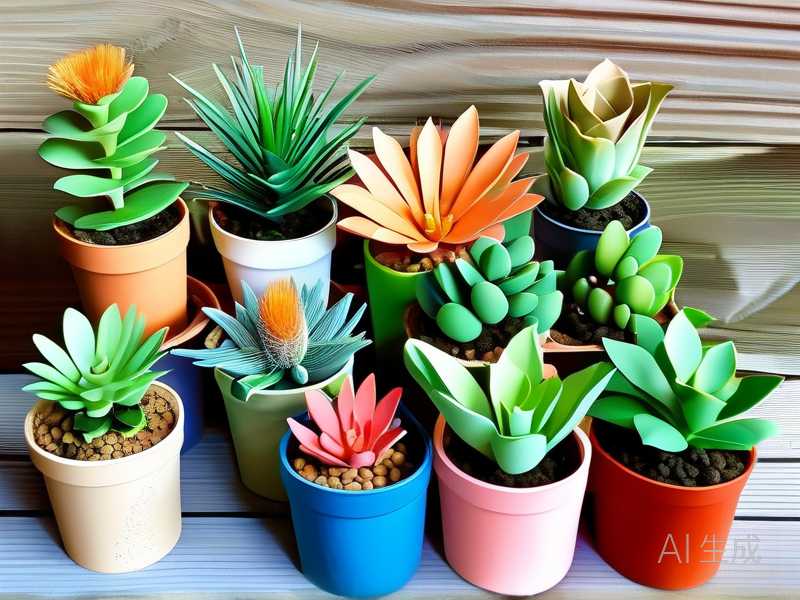
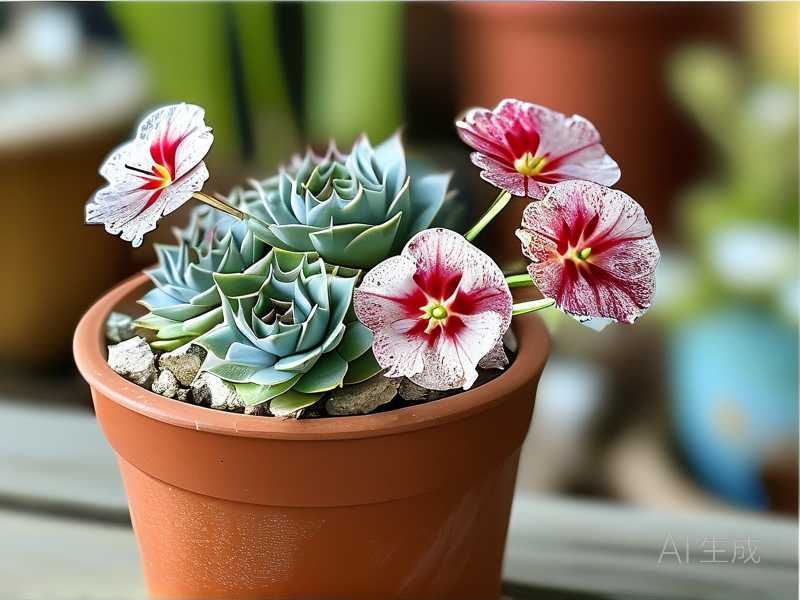
Look for compact rosettes. They remind me of sea urchins and sand dollars. Varieties like Echeveria elegans or Echeveria 'Perle von Nurnberg' are perfect for this. They are sturdy. I have one that has been living on my patio for three years now because the leaves are thick enough to hold water during dry spells.
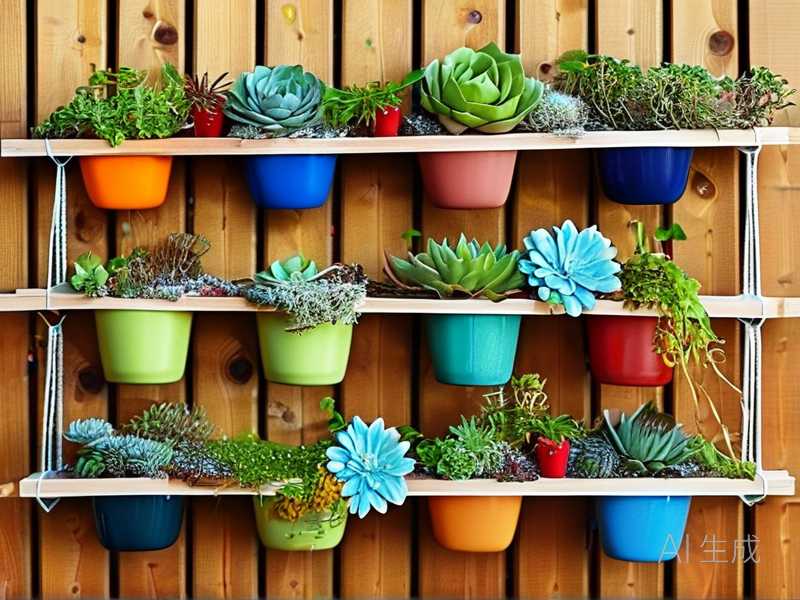
Experiment with trailing types. For hanging planters near a window, I adore Senecio rowleyanus (String of Pearls). They handle the cooler, more humid nights of coastal living surprisingly well, as long as they have that bright light. I killed my first one by keeping it in a dark bathroom. I now have a second one hanging in a south-facing kitchen window, and it’s thriving.
Don't ignore the oddballs. Certain types of Haworthia are fantastic. They tolerate lower light better than Echeveria. If you don't have a scorching south window, Haworthia is your safest bet for that coastal desk decoration. They have spiky, zebra-like stripes that fit the shoreline theme perfectly.
My Step-by-Step System for a Coastal Display
I don’t just buy any plant and shove it in a pot anymore. I follow a specific process. It took me about two weeks of careful observation after a major repotting session to fine-tune this. Here is exactly what I do now.
Step 1: The "Bare Root" Inspection.
When I buy a succulent from a big box store, the soil is usually 90% peat moss. That is terrible for coastal indoor environments. It holds water like a sponge. The very first thing I do is take the plant out of its nursery pot. I gently brush off as much of that wet, dark soil as I can.
I have to be careful here. I used to tear the roots apart like a madman. I learned to be gentle. I shake off the loose dirt but keep the main root ball mostly intact if I can. I let it sit on a dry paper towel for 24 hours. This lets any nicks in the roots callus over. If I plant them immediately, they suck up water through the broken roots and rot. I wait. It feels counterintuitive, but it is essential.
Step 2: Mixing My Own "Beach" Soil.
Honestly, the potting mix is half the battle. I never use cactus soil straight from the bag. It’s still too dense and often has fertilizer that burns them. My go-to mix is simple:
- 2 parts standard succulent/cactus soil.
- 1 part coarse perlite.
- 1 part small aquarium gravel or coarse sand.
I mix this in a bucket until it looks gritty and rocky. It should drain faster than water sinks in a sieve. When I water a pot with this mix, it flows out the bottom in a second. That is the goal. This replicates the rocky, free-draining crevices where these plants naturally grow on cliffsides.
Step 3: The "Two-Day" Wait Before Watering.
I pot everything in my mix. I put them in terracotta pots (that breathable clay is a lifesaver for high humidity). Then, I wait.
I do not water them right away. This is the mistake I made with the "Perle von Nurnberg" I bought last spring. I watered it immediately after potting. The roots were stressed and took up too much water. It dropped half its leaves. Now, I wait at least two days. Sometimes I wait a full week if the environment is cool and foggy.
Step 4: The Two-Week Observation Period.
Here is where the real "my observation" part comes in. I have learned to stop fiddling. For two solid weeks, I do nothing but look.
I place the new pots in their permanent position on day one. I don't move them around. Moving them stresses them out.
Week One: I check the leaves. Are they plump and firm? Good. Are they slightly wrinkled? That’s okay. It means they are using stored water. I look for color changes. A slight reddening of the leaf tips means they are getting great light. If they start to stretch (etiolation), they need more sun immediately.
Week Two: I assess the soil moisture. I stick my finger deep into the drainage hole. If it feels bone dry, I give them a deep soak. I water them over the sink, letting water run through the bottom until it stops. I repeat this pattern based on the soil dryness, not the calendar. Near the coast, this often means I water every 10-14 days. In winter, maybe once a month.
I started doing this after realizing I was watering my Aeoniums every time I walked by, just to see water pass. That habit was pure vanity. It killed three beautiful plants before I understood that they store water for droughts.
Key Varieties I Recommend (and One to Avoid)
Let’s get specific. I don’t just give vague advice. Here’s what I actually have in my coastal setup right now.
-
Echeveria elegans (Mexican Snowballs): My absolute favorite for the coastal palette. They have that perfect sea-foam color. They are forgiving if I forget them for a couple of weeks.
-
Sedum morganianum (Burro’s Tail): This is for a high shelf or hanging basket. The trailing, fleshy leaves look like green beads or seaweed strands. They are extremely sensitive to touch—the leaves fall off if I breathe on them—but they are tough. Mine is in a spot where I never touch it, and it gets perfect, filtered morning sun.
-
Crassula ovata (Jade Plant): Sounds boring, but I use it as an anchor. A small jade tree looks like a bonsai driftwood piece. They are bulletproof. They thrive on neglect, which fits my lazy watering schedule in the humid months.
-
Senecio serpens (Blue Chalksticks): This is the plant I nearly gave up on. I kept overwatering it until it split its stems. I put it in a very gritty mix and now treat it like a stone. It survives and looks like coral. It is the best for coastal color.
-
The One to Avoid: Lithops (Living Stones). I know they look like pebbles and are perfect for the beach aesthetic. But I have killed every single one I have ever tried inside. They require almost zero water in winter and a very specific dormant cycle near the coast with our fog. They are masters of xeriscaping outdoors, but indoors, they are too delicate for a beginner. I steer clear. There are other pebble-like Haworthias that are much easier.
Handling the Salt Air and High Humidity
You might think that living next to the ocean creates a tropical paradise. It doesn’t. The salt spray settles on leaves and clogs their pores (stomata). That stops them from breathing.
About once a month, I fill a spray bottle with distilled water. I give the leaves a gentle rinse to wash off any salt residue. I also keep a fan running in the room for a few hours on days with high humidity that isn't fog. Actually, I use the fan on a low setting pointed at the ceiling. A gentle breeze helps evaporate moisture from the soil surface, keeping the root zone from getting soggy. Just make sure the breeze doesn't blow directly on the plants and dry them out too fast. I learned this after I left a fan pointed right at my Echeverias for two days. They went from plump to crispy.
The experts at the RHS suggest that good air circulation is crucial for succulents, mainly to prevent fungal diseases. And over in the US, the AHS notes that porous pots, like terracotta, are often the best housing for plants that prefer dry roots. I have to agree with them on that. I only use glazed pots for my larger jades that I leave alone for a month at a time.
Troubleshooting My Own Past Failures
Okay, let's get real about the stuff that goes wrong. I see this all the time in online commentary sections.
"Why are my leaves turning yellow and mushy?"
That’s the overwatering smell. You have to cut the stem immediately, remove the wet leaves, and let it root in fresh, dry soil. I had a beautiful Graptopetalum do this because I left it outside during a rainy weekend. I didn’t think that rain would soak all the way through the pot.
"Why is my succulent getting tall with spaced-out leaves?"
That is a light issue. Simple as that. The plant is searching for the sun. I tried supplementing light with a standard table lamp. That didn't work. The light was too weak. I had to actually move the pot to a west-facing window ledge that gets direct afternoon sun. It stopped stretching eventually.
"Why are there tiny white bugs on my Sedum?"
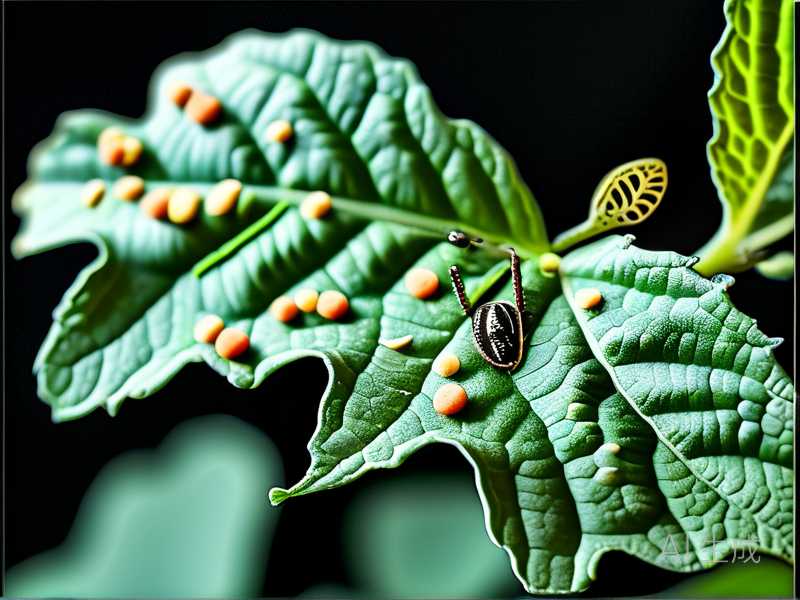
Mealybugs are little fiends. They love the nooks and crannies of tight rosettes. I found a small infestation on my new Echeveria. Honest advice? I dipped a cotton swab in isopropyl alcohol and touched each bug. It killed them instantly. Then I sprayed the soil with a little neem oil solution to kill the eggs. I nearly tossed the plant, but that simple rub saved it. Check your plants at night with a flashlight. That is when they crawl out of the soil.
The Reality of "Set and Forget"
There is a myth that succulents survive on air alone. I believed that myself. But the truth is, they just need a very specific kind of neglect. It is not that I ignore them constantly. I just ignore them in a structured way.
I check them every Sunday. I take a close look at the leaves. I feel the soil an inch down. 90% of the time, if they are plump and the soil is dry, I walk away. I don't touch them. It’s actually harder to not water them than to water them. My hands itch to do something.
I realized that the coastal environment is actually great for Aeoniums. Unlike Echeveria who like it hot and dry, Aeoniums are winter growers. They like the cool, wet winters of places like Northern California. I planted a few outside in my rock garden. They thrive in the winter fog and rain. They go dormant in the hot summer. That blew my mind. I always treated them like summer growers, so I overwatered them in the summer heat and they dropped all their leaves.
Planning the Perfect Coastal Centerpiece
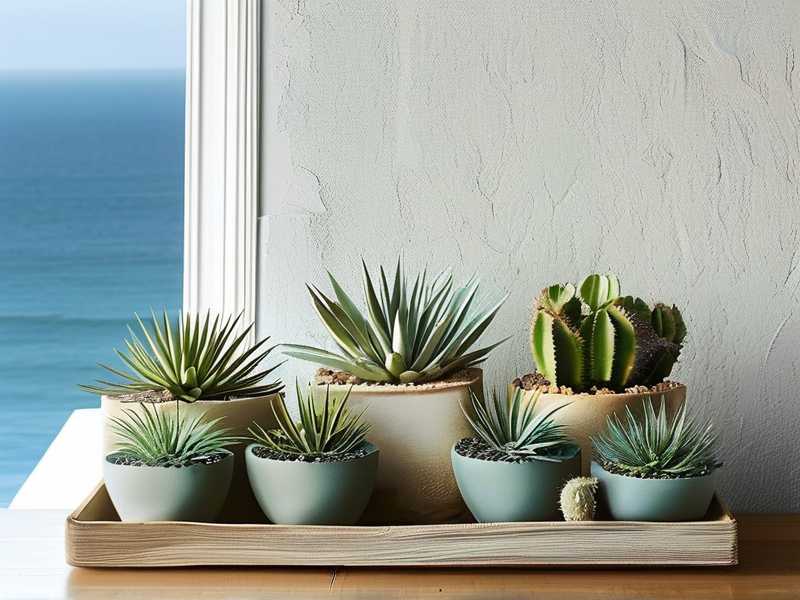
Now for the fun part—designing the actual display. I prefer a low, wide saucer that allows for horizontal growth. However, I place rocks in the bottom to lift the pots off the saucer base. I never plant directly into a big pot without holes if it contains multiple plants.
I cluster my pots together. This creates a humid microclimate, which ironically means I water slightly less often. I put a small, pale pebble topper on the soil surface. It keeps the soil cool and prevents the damp peat from making the leaves wet.
I like to mix heights. A tall, blue Senecio in the back; a medium Echeveria in the middle; and a spiky Haworthia framing the side. It mimics a dry beach cliff landscape.
Here is a quick comparison of what I have learned works versus what fails in high humidity:
- Terrariums are terrible. I saw so many "coastal beach terrariums" online. They are sealed glass bowls. The humidity inside is 100%. They always rot. I had a friend ask me why her terrarium failed. I told her to put a cactus in a closed glass box... it’s a steam bath. She immediately removed the top, but by then it was too late. The roots were gone.
- Wooden pots can work. If they are unlined and you have a very dry interior, they absorb water. But I avoid them because they can harbor mold near the coast.
- Plastic nursery pots are fine. I use them as inserts. I put a plastic pot inside my pretty ceramic cachepot. I can take the plastic pot out to water it, let it drain completely, and then pop it back in. This solves the drainage issue completely while keeping the aesthetic I want.
I prefer this water-and-drain method over relying on the pot type alone. It takes an extra ten seconds, but it saves my plants from sitting in excess runoff.
My Final Advice for Beginners Near the Shore
You have to shift your thinking. A succulent is not a houseplant like a fern. It is a drought-tolerant plant that you are keeping in a humid environment. You are fighting against nature a little bit.
Start with the hardest ones to kill. Get a Crassula ovata or a standard Sempervivum (hens and chicks). They are cheap and almost unkillable. Experiment with them for a month before you try to buy a $25 rare Adromischus.
Don't trust the weather forecast. Trust your fingertips and your eyes. If the leaf feels squishy that means it has too much water in it. If it feels hard but not brittle, it's happy.
I went through a phase where I bought new succulents every single week. I kept feeding my habit, but I never spent time observing the ones I had. Now, I have a smaller collection, but they are thriving. Quality over quantity is the real lesson.
I have a single Echeveria 'Neon Breakers' that has been in the same pot for two years. It has a thick, woody stem base. It flowers every summer. It is the star of my dining room table. It looks stunning against the white walls—a perfect echo of the beach just a few blocks away.
Frequently Asked Questions (Real Answers from My Experience)
Q: How often should I water succulents if I live in coastal fog? A: Honestly, much less than you think. I check the soil. In the summer, maybe every 10 days. In the winter, with the fog rolling in every afternoon, I only water them once a month. If the air feels damp, the water doesn't evaporate, and the roots sit wet. Wait until the leaves look slightly puckered or thirsty before you even pick up the watering can.
Q: Do I need to use distilled water for them? A: No, but it helps. Tap water has minerals that can build up and block the pores on the leaves over time. I collect rainwater for mine in the winter. It's easier to just use tap water and let it sit out for a day to let the chlorine evaporate. I have never noticed a huge difference.
Q: Can I keep succulents outside on the coast all year round? A: That depends on your exact location. I can keep Sempervivum and Sedum outside year-round because they are hardy to frost. The Mediterranean-looking Echeveria and Aeonium need protection. I move my potted Echeveria indoors when the weather report says it will dip below 40°F (4°C). A little cold is okay, but frost will turn the leaves to jelly. If you live under the cold British or Canadian coast, bring them in for the winter.
I hope this helps you pick the perfect ones. Stop reading and go stare at your windowsill to see exactly where the sun hits. That is your starting point. That simple map of light will save you a lot of heartbreak. Good luck, and don't water them so much.