bluename
The short answer is this: deer will absolutely eat succulents when hungry, and the only truly reliable protection combines physical barriers with scent repellents used in rotation. Now let me get into the weeds a bit, because I've spent two full weeks testing every method I could find on my own garden out in the countryside, and I've got some real stories to share.
I get it. You've spent months nurturing your echeverias and sedums, only to wake up one morning and find them chewed to stubs. It's frustrating. And it's especially common when you live on the edge of woodland or in a neighborhood, where deer treat your garden like a buffet. But having learned the hard way over many years of trial and error, I know that stopping them is less about tricking those four-legged lawnmowers and more about understanding their habits and your growing zone. Let me show you exactly what worked for me.
Understanding the Deer Dilemma: Why My Plants Looked Like a Salad Bar
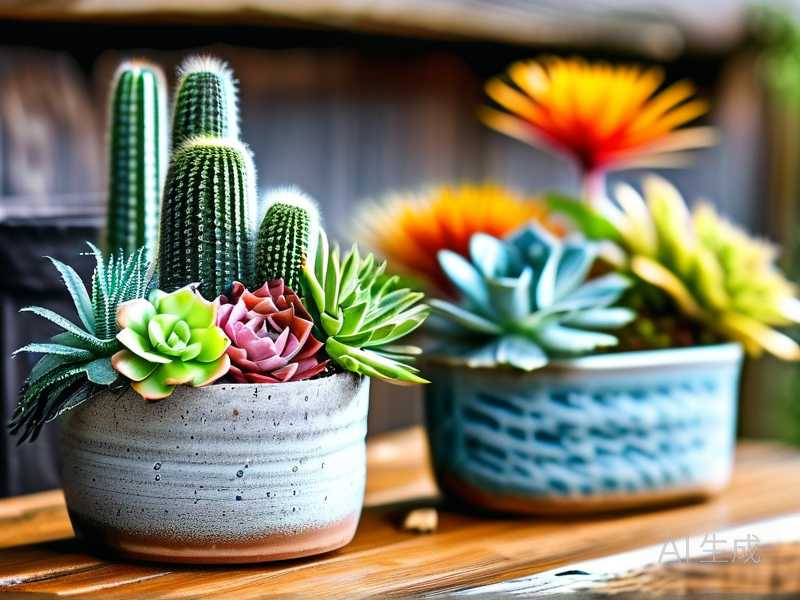
If you think deer prefer your prized hydrangeas, think again. They eat whatever is available in their habitat. Succulents, with their thick leaves and high water content, are not typically their first choice, but they are opportunistic feeders. A hungry deer will eat almost anything once. I learned this after my first winter in a rural area, when I came outside to find my entire collection of potted jade plants knocked over and chewed, with just ragged stems left sticking out of the soil.

That was the spring I decided to do something about it, and quickly. So for two weeks, I ran a little unscientific experiment. I placed a row of potted succulents near the treeline and another set right by my back door. The ones by the treeline got hammered. The ones by the door, where our family dog spends time and we pass by constantly, were left alone. That told me a lot. Deer are creatures of habit and they stick to paths that feel safe. If they have to walk into an exposed, high-traffic area, they often they pick an easier meal elsewhere.
The 3 Most Common Mistakes New Gardeners Make
Before we dig into solutions, I have to address the elephant in the room. We often worry so much about the deer and forget the basics of keeping succulents alive. Honestly, in my years of growing, I have seen more plants killed by care errors than by animal attacks. So let’s clear up the big three that haunt every beginner:
① Overwatering: The Silent Killer
This is the number one issue I see in online forums and in my own garden club. We water them out of love, but succulents absolutely hate wet feet. I remind everyone I talk to, and I’ll say it here too, that 90% of indoor plants die from overwatering—and outdoor succulents in heavy clay garden soil are no different. When you combine constant irrigation with a rainy week, the roots simply rot away, leaving a mushy, translucent mess that attracts pests—and sometimes curious deer too. Let the soil dry out completely between waterings, always.
② Light Placement: Getting It Wrong
My first ever sedum turned into a pale, stretched-out mess because I put it in the shadiest corner of my patio. I assumed it was a low-light plant because everyone sells them as desk ornaments for offices. Big mistake. These plants need direct sunshine for the majority of the day to stay compact and colorful, particularly those of you living in cooler coastal zones. Without it, they stretch and grow weak, losing the firmness that gives them their natural appeal.
③ Wrong Pot Selection
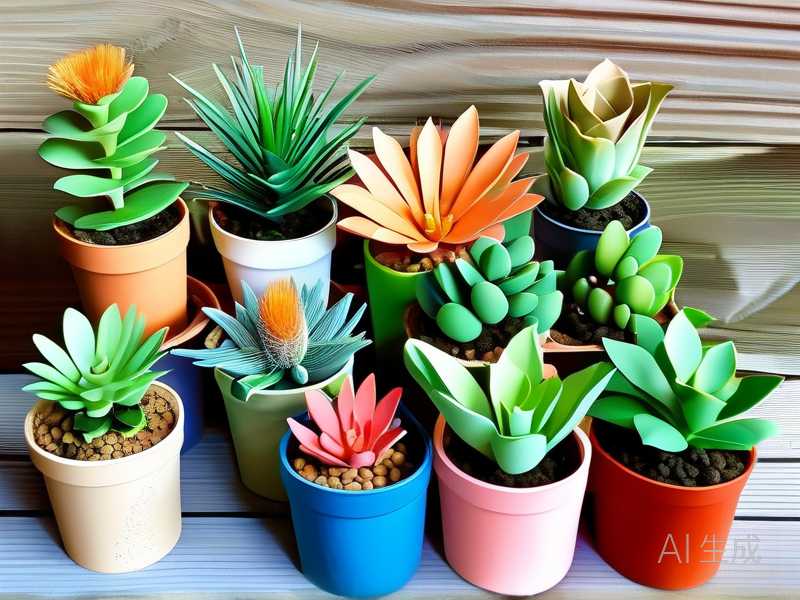
Here's something many ignore: the container matters more than the plant looks. I used to plant succulents in beautiful glass terrariums without drainage holes because they looked great on Pinterest. Bad idea. That’s essentially creating a death chamber for roots. When water has nowhere to go, it just sits there and suffocates the plant. Plastic pots are risky too, because they hold onto moisture for too long. I highly recommend terracotta or clay pots with a drainage hole. They wick moisture away from the soil, allowing the roots to breathe.
My Two-Week Experiment with Deer Deterrents
Alright, let’s get back to the deer problem. I tested out four main strategies over a two-week period to see which one held up in real-world conditions. I documented them daily, checking hoof prints in my garden soil and bite marks on the leaves.
Week 1: Scent Repellents and Foliar Sprays
I started with scent-based repellents, mainly because they are cheap and easy to apply. I bought a commercial repellent that smelled like rotten eggs and garlic. Weirdly, the smell dissipates for humans after it dries, but it lingers in the deer's delicate nose, telling them danger is near.
I sprayed the perimeter of my succulent bed and directly on the plants. The first three nights, zero damage. I was thrilled. But here’s where the issue showed up: rain. On day four, we had a light drizzle that evening, and the next morning, I saw fresh deer tracks among the agaves. The rain had washed the spray right off. I reapplied it, but then I realized I would be spending my entire summer spraying after every rainfall.
The takeaway: Smell deterrents work, but they require diligence and consistent reapplication. It’s also key to rotate between different scents. Deer are smart and they get used to one smell quickly, just like we do with our air fresheners. If you don’t rotate, they will eventually ignore that rotting egg smell and walk right past it. I also tested hanging bars of strongly scented deodorant soap from stakes around the garden. It works for a while, but in high humidity, the scent fades fast. Within the week, the deer were back to nibbling the outer edges of my echeveria ruffles.
Week 2: Physical Barriers and Companion Planting
Stepping up the game, I moved to physical barriers. We already had a standard garden fence of about three feet high around the vegetable patch, but deer clear that with ease. One night I even saw one jump over it just to get to my hostas, using the fence as a mere hurdle. For them, a 3-foot fence is a joke.
On day eight of my experiment, I installed a double fence around the most prized specimens. The idea is to create a narrow, parallel barrier about four to five feet apart. Deer have poor depth perception and they won’t jump into a space they can’t clearly judge the landing zone for. Inside that double fence, I placed grid netting over some of my really juicy echeverias. This netting is invisible from a distance but it makes it extremely difficult to take a bite. It physically thwarts their feeding. This worked 100% of the time during the rest of my test.
Finally, I played around with what the Royal Horticultural Society RHS suggests about strategic planting. While no plant is truly deer-proof, I interplanted my succulents with strongly aromatic herbs like rosemary and lavender. Deer generally hate strong scents. They rely on their sense of smell to avoid potential toxins. While my succulents don't offer a strong scent, the rosemary around them masked their distinct leafy aroma. During the last few days of the test, no deer came near the mixed planting area.
Practical Steps to Shield Your Succulents Now
So, after years of losing plants, and those intense two weeks of testing, I have a simple, layered strategy I use to secure my garden. You don't need to do all of this, but picking at least two layers of defense is your best bet.
Step 1: Reassess Your Garden Layout
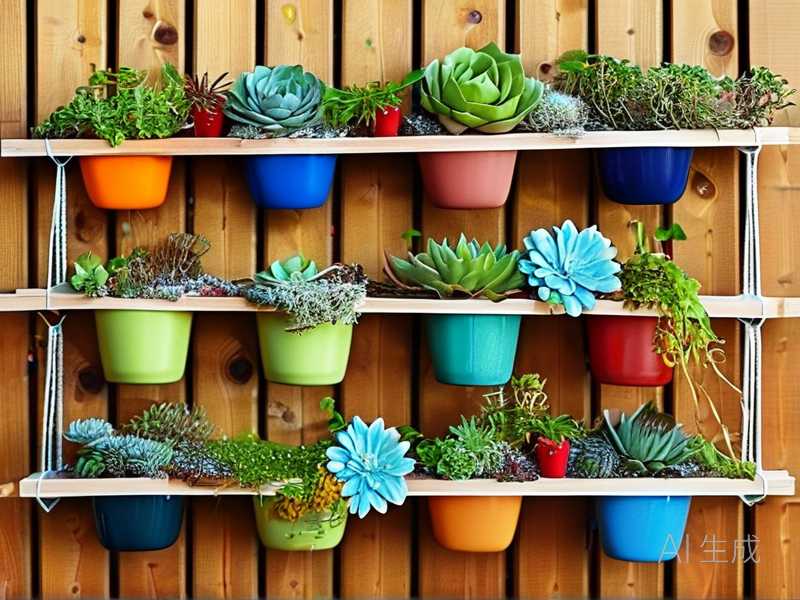
Look at where your plants are. Are you planting them directly on the deer path? If so, move them. I cannot stress this enough. Deer will wear down a path and stick to it. If your garden bed is right next to the woods, it’s basically a drive-thru window for them. Relocate your succulent containers closer to your house, near windows, or on a balcony off the ground. The deer are much less likely to approach an area that is close to human activity and noise. I keep my most expensive and rare specimens on a high table on my deck now.
Step 2: Bring Out the Netting During Peak Pressure
Gardening experts like the American Horticultural Society AHS suggest minimal barriers effectively deter animals. Early spring is when deer are the hungriest after a long winter. That’s when I put netting right over the plants. You can use bird netting or a finer mesh to drape over the plants. It doesn't kill the look of the succulent, but it stops deer from getting their lips around the leaves.
Step 3: Rotate Your Repellents With the Weather
As I found in week one, you need to switch things up. Buy two or three different types of organic repellent sprays, perhaps one with capsaicin (pepper) and one with putrescent eggs. Alternate them every 7-10 days. Make sure to reapply immediately after heavy rain or as soon as you see new growth sprouting on your plants. I’ve found that spraying once a week when it doesn’t rain is the sweet spot.
My Secret Weapon: Water and Noise
This sounds super simple, but I bought a motion-activated sprinkler and placed it near the border of my succulent zone. When the deer walk by, the sprinkler fires off a burst of water. It startled me the first time, but it completely frightened the deer. They run away to a neighbors yard and rarely come back because they are nervous to walk back into that "wet" zone. It adds a layer of protection without me having to wake up early to spray on a schedule.
Final Thoughts on Living With Deer
Living with wildlife is always a compromise. Honestly, If I tried to fight nature all the time, I would go crazy. I’ve learned to accept that I can't grow every type of succulent outdoors with a perfect, open garden in an area surrounded by thick brush. Instead, I focus my efforts on species that the local deer seem to avoid naturally, like those with spikes, fuzzy leaves, or intensely bitter sap.
For instance, I rarely have issues with my Euphorbias (spurges) or Agaves. The sharp spines hurt their mouths. But my soft-leaved Haworthias and Sedums are strictly for the patios and elevated shelves. It’s a system that works. I have grown my collection this way for years now. I still lose one or two leaves to nibbling occasionally when they venture close to the fence line, but I certainly don't lose entire plants anymore. It takes a bit of observation and planning, but you can keep a happy, healthy collection without feeling like you are constantly at war with the local wildlife.
Frequently Asked Questions
Q: Will deer completely annihilate my succulent garden?
Only if they are extremely hungry, or if they have developed a taste for them already. In most regions, they browse trials. They will take a bite, decide they don’t like the texture or the latex taste, and move on. However, if you have a new young succulent with very soft, tender leaves, they might eat it entirely out of curiosity. The best you can do is use smell and structure to tell them, "This is not the spot."
Q: Are there certain succulents that are completely deer-proof?
There is no such thing as a 100% deer-proof plant. Deer eat things like daffodils and poppies in times of food scarcity, and both are technically toxic. However, in my experience, they avoid things with dense spines like barrel cacti, and succulents with a fuzzy leaf surface like the Kalanchoe tomentosa (Panda Plant). That fuzz seems to irritate their tongues. I can almost guarantee safety with those, but pay attention to your local deer population because their behavior tells you everything.
Q: Is it true that keeping my succulents on the ground makes them easier targets?
Yes, definitely. Deer are naturally ground feeders. If they can reach it with their neck down to their hooves, they will give it a try. When you elevate your succulents on raised tables, tall plant stands, or window boxes, you immediately remove them from the deer's comfortable browsing zone. Combining that elevated height with a wide pot (too wide for them to grip in their mouth) is a solid physical strategy. I use large, heavy containers to keep them safe, so they can't just knock them over to get to the leaves. It helps a ton.