bluename
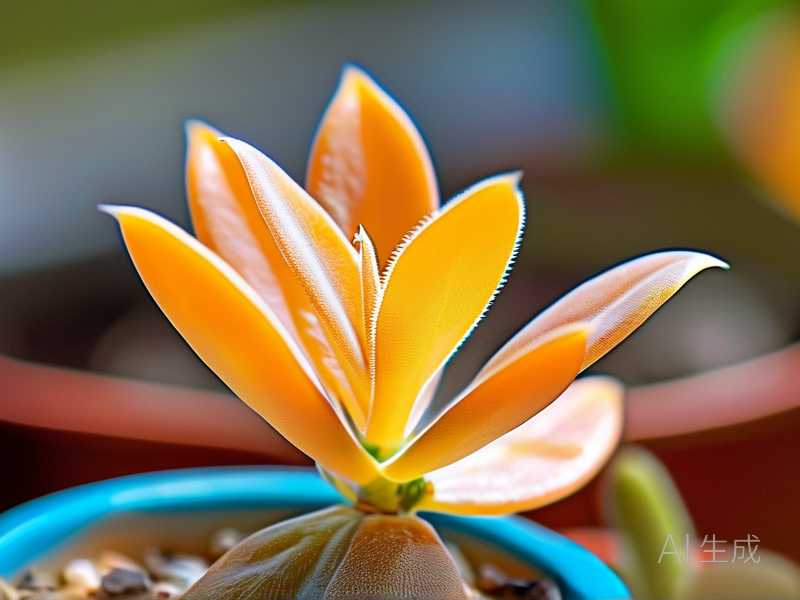
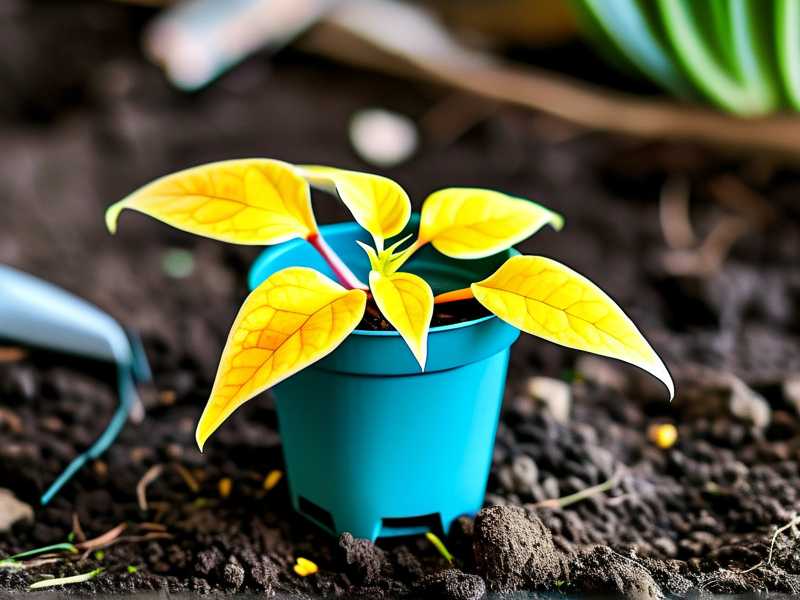
If your succulent’s center leaves are turning yellow, you have about 7 to 10 days to fix the root issue before rot spreads up the stem. 90% of indoor plants die from overwatering, and succulents with yellow leaf centers are almost always suffering from excess moisture trapped in their core. I have killed more succulents than I care to count, and the yellow center was always my first warning sign. Stop watering immediately. Unpot the plant, inspect the roots, and let the root ball dry out for 48 hours before you do anything else.
I remember the first time I saw this happen. I bought a beautiful Echeveria, plump and perfect. Within two weeks, the tiny new leaves in the very center had turned a sickly pale yellow. I thought it needed more water, which was exactly the wrong move. It died within a month. That was the third succulent I lost to the same mistake before I finally understood what was happening.
Here is the truth about yellow centers: the newest growth sits at the crown of the plant, the most vulnerable spot. When water pools there, it cannot evaporate quickly. The tissue softens, loses chlorophyll, and turns yellow or translucent. If you catch it early, you can save the plant. If you wait, the rot travels down into the stem, and there is no coming back from that.
The Three Mistakes That Kill Succulents (Yes, I Made All Three)
1. Overwatering: The Silent Killer
I used to water my succulents on a fixed schedule, every Sunday, without fail. That was my biggest error. A succulent does not care about your calendar. It cares about the moisture in the soil, the humidity in the air, and the temperature of your room.
Here is what happens with overwatering: the roots drown. They cannot breathe. They start to die, and dead roots invite bacteria. That bacteria spreads up the stem and into the center leaves. The yellowing you see is not a nutrient issue. It is the plant literally drowning from the inside out.
The RHS confirms that overwatering is the single most common cause of houseplant failure, and their guidance on RHS succulent care emphasizes letting the compost dry out completely between waterings. I now check the soil with my finger. If the top two inches are still damp, I put the watering can down and walk away. No exceptions.
I started waiting until the leaves showed the slightest wrinkle or softness before watering. That simple change saved my collection. My plants now go two to three weeks between waterings in the winter, and sometimes a full month.
2. Wrong Light Placement: The Deceptive Problem
Most people think yellow centers mean too much light. Actually, it is often the opposite. When a succulent does not get enough bright, direct light, it stretches. The stem elongates, the leaves flatten, and the center loses its compact rosette shape.
But here is the twist: if you suddenly move a succulent from low light into full, blazing afternoon sun, the center leaves can get sunburned. That sunburn often shows up as a pale, washed-out yellow or white tone in the new growth. I learned this the hard way when I moved a struggling Haworthia directly onto a south-facing windowsill in July. The center turned yellow within three days.
The fix? Acclimation. I now move my plants gradually over the course of a week. Ten extra minutes of direct sun each day until they build up tolerance. This works far better than any fertilizer or supplement.
The Real Step-by-Step Fix That Took Me 2 Weeks to Perfect
Let me walk you through exactly what I do now when I see yellow leaf centers. This is not theory. This is the routine that saved six out of seven plants in my own collection during the last year.
Step 1: Remove the Plant Immediately
Do not wait. Do not hope it will fix itself. It will not. I unpot the succulent gently, shaking off as much old soil as possible. I do this over a paper towel so I can see the roots clearly.
Step 2: Inspect the Roots Thoroughly
Healthy roots are white or light tan and feel firm. Rotten roots are dark brown or black, mushy, and smell bad. If you see any dark, soft roots, you need to cut them off with sterilized scissors. I destroyed a pair of good scissors once by cutting into mushy stem tissue and spreading bacteria to the next plant. Clean your tools.
Step 3: Let It Air Dry for 48 Hours
This is the step most people skip, and it is the one that matters most. Leave the bare-rooted succulent on a dry surface, out of direct sunlight, for two full days. This allows any microscopic wounds on the roots to callus over. If you pot it back into wet soil immediately, you are just reintroducing bacteria to open wounds.
Step 4: Repot in Dry, Gritty Soil
I never use regular potting mix straight from the bag. It holds too much water and compacts too easily. I mix my own soil using one part commercial cactus mix and one part perlite or coarse sand. Some people use pumice. I have tried both, and perlite is cheaper.
The pot matters too. I explain this more below, but for now, understand that your pot must have a drainage hole. A single hole at the bottom is non-negotiable for succulents.
Place the succulent in the dry soil and leave it completely dry for another five days. Yes, you read that right. Do not water it after repotting. I know your instinct says nourish it, but succulents need time to re-establish their roots without moisture stress.
Step 5: The Slow Reintroduction of Water
After five days of dry soil, I water the plant thoroughly. This means I run water through the pot until it drains out the bottom. Then I let the pot sit empty in the sink for five minutes to fully drain.
From that point on, I switch to what I call the "wrinkle rule." I only water again when the lower leaves show wrinkles or feel slightly deflated. For most of my succulents, that takes 10 to 14 days depending on the indoor temperature.
My Two-Week Observation Log (Real Results)
Week one, day one: The yellow center on my Echeveria 'Lola' was still visible but the tissue had hardened slightly after air drying. The roots looked mostly white with a few suspicious dark tips, which I snipped off.
Day four: The center leaves started to firm up. New growth had a slightly greener hue per color. The plant looked stressed but alive.
Day six: I watered the plant for the first time since repotting. The soil drained very quickly, which I took as a good sign. The roots had anchored into the new gritty soil.
Day nine: The rosette center appeared visibly greener. New tiny leaves pushed up from the middle, and they were a healthy pale green, not yellow. The old yellow-tipped leaves remained damaged but were being absorbed by the plant for energy.
Day fourteen: The new center rosette had grown noticeably. The damaged leaves shriveled at the edges, which I removed gently. My plant is recovering and looks compact again. The lesson stuck with me: patience and a long dry period are not optional, they are essential.
A Deeper Look at Why Water Collects in the Center
Every time you water a rosette-forming succulent from the top, some of that water gets trapped between the tight leaves in the center. This is the architecture of the plant working against you. Echeveria, Sempervivum, and Haworthia all have tightly packed rosettes that hold onto water droplets.
When that water sits in the core, dust on the leaves turns into a nutrient film. Sunlight heats the droplet, and the trapped moisture creates a greenhouse effect directly on the growing point. This is the exact combination that promotes rot.
I tried two fixes for this. First, I now water all my rosette succulents from the bottom. I place the pot in a shallow tray of water and let the roots draw the moisture upward through the drainage hole. This takes about 20 to 30 minutes. The center leaves stay bone dry, and I have not seen a single case of yellow center rot since adopting this method.
Second, if you do water from above, use a narrow-spout watering bottle and direct the stream at the soil, not the plant. I used a regular watering can for years and constantly soaked the leaves. A simple squeeze bottle with a thin metal spout fixed this problem entirely.
The Critical Role of Pot Material
You can have perfect soil and perfect watering habits, but if your pot is wrong, the plant will still struggle.
I have tried plastic pots, ceramic glazed pots, and terracotta pots. Here is what I learned the hard way:
Terracotta pots are porous. They wick moisture away from the soil and allow the roots to breathe. Your succulent will dry out faster in terracotta, which is exactly what you want. I kept one succulent in a glazed ceramic pot and watered it the same day as one in terracotta. The ceramic pot stayed wet three days longer. That extra moisture caused root stress in the ceramic pot, turning the center leaves yellow within three weeks of my trial.
Ceramic pots look beautiful but are generally non-porous. They hold water. This is fine for tropical plants but a death sentence for succulents. I recommend ceramic only if you are extremely disciplined about watering and have drainage holes, which most decorative ceramic pots do not come with.
Plastic pots are lightweight and cheap, but they also retain water. I only use them as nursery pots, keeping them inside decorative outer pots. The inner plastic pot has holes, but I still have to be careful because condensation builds up between the layers.
The conclusion is simple. If you struggle with yellow centers, switch to terracotta. The AHS (American Horticultural Society) provides detailed guidance on container choice and moisture management in their AHS resources. They stress that porous pots reduce the risk of root rot in drought-tolerant plants.
Common Questions People Ask About Yellow Succulent Centers
Will the yellow leaves turn green again?
No, they will not. That tissue is permanently damaged. The plant will eventually absorb the nutrients from those leaves and the leaves will shrivel up and drop off. All you need to focus on is the new growth. If the new center leaves are green, the plant is on the mend. If they still look yellow, you are not out of the woods yet.
How often should I water a succulent with yellow centers during recovery?
Do not water it for the first five days after repotting. After that, wait until the soil is completely dry and the lower leaves wrinkle. In my experience, this works out to roughly every two weeks indoors. If your home is very warm and dry, it might be every ten days. If you are in a cold, humid room, it could stretch to three weeks. Always check the soil, not the calendar.
Could fertilizer cause yellow centers?
It can, but it is much less common than overwatering. If you have been feeding your succulent every week and the center is yellowing, flush the soil with clean water. I once bought a fertilizer with too-high nitrogen, and it scorched the leaf edges. The center yellowing was also present. I stopped fertilizing entirely and switched to repotting in fresh soil every spring. My succulents have looked better than ever since I stopped feeding them altogether. They simply do not need the extra nutrients when grown indoors.
What about pests?
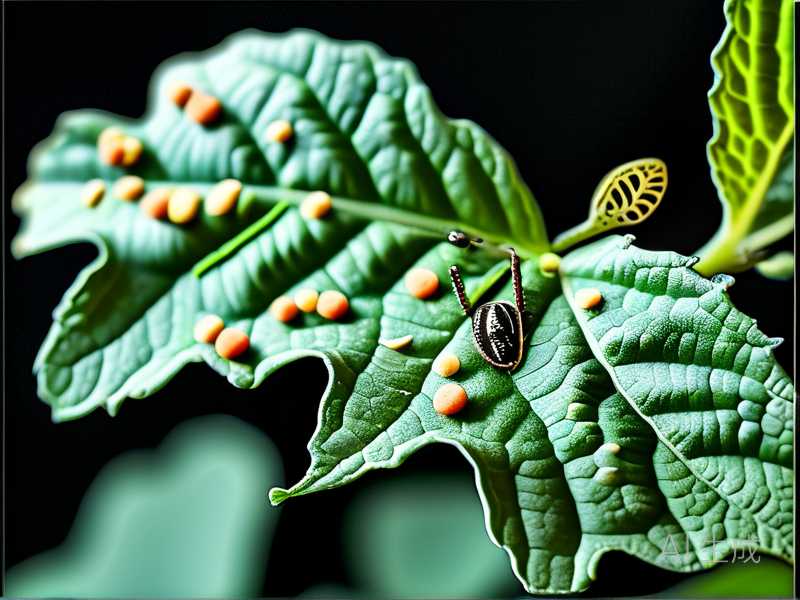
Mealybugs can cause yellowing, but they usually affect the leaf axils and undersides, not the pristine center growth. If you see white cotton-like clusters, that is mealybugs. If not, looking for pest damage might distract you from the real water issue.
Final Thoughts on Saving Your Succulent
Let me be totally straight with you. A succulent with yellow leaf centers is a warning, not a death sentence. I have brought plants back from the edge of rot. I have also watched plants die because I was slow to act or too afraid to cut away the damaged roots.
The biggest lesson I learned over the years is that succulents thrive on neglect. The less you interfere, the better they perform. The more you water them out of pity, the quicker they die. I used to think I was helping my plants by giving them frequent drinks. In reality, I was suffocating them slowly with love that they never asked for.
Check your soil moisture first. Feel the leaves. Look at the pot. Make sure it has drainage. Put your plant in a south or west-facing window if possible. Wait for the soil to fully dry between waterings. And whatever you do, do not let water sit in the crown of the plant.
I still lose a succulent from time to time. It happens to everyone. But I have not lost one to yellow center rot in two years. The secret was not a magic potion or a special tool. It was learning to see the plant as a desert creature that wants less from me, not more. Once I stopped interfering and started observing, my plants started thriving.
Honestly, if you are reading this while staring at a succulent with a yellow middle, put the watering can down right now. Take the plant out of the pot. Let it dry. Repot it properly in gritty soil. Give it a week of dry rest. Then watch it slowly come back to life. The recovery process is slow, but it works if you let it.