bluename
How to Fertilize succulents With Blood Meal (The 2-Week Fix)
If your succulents look dull, pale, or just stop growing, the missing piece is often nitrogen. Blood meal is the fastest organic fix I know. Here is the short answer: Mix 1 teaspoon of blood meal into 1 gallon of water, let it sit for 30 minutes, and water your succulents with that solution once at the start of spring. Then, wait two weeks and watch for new, vibrant growth. Do not sprinkle dry powder on the soil surface; it cakes and burns roots.
I have killed more succulents than I care to admit. Before I figured out feeding, I thought they survived on neglect alone. They do, but only for a while. After a year in the same pot, the soil runs out of nutrients. That is when leaves start wrinkling from the bottom up, even with regular watering.
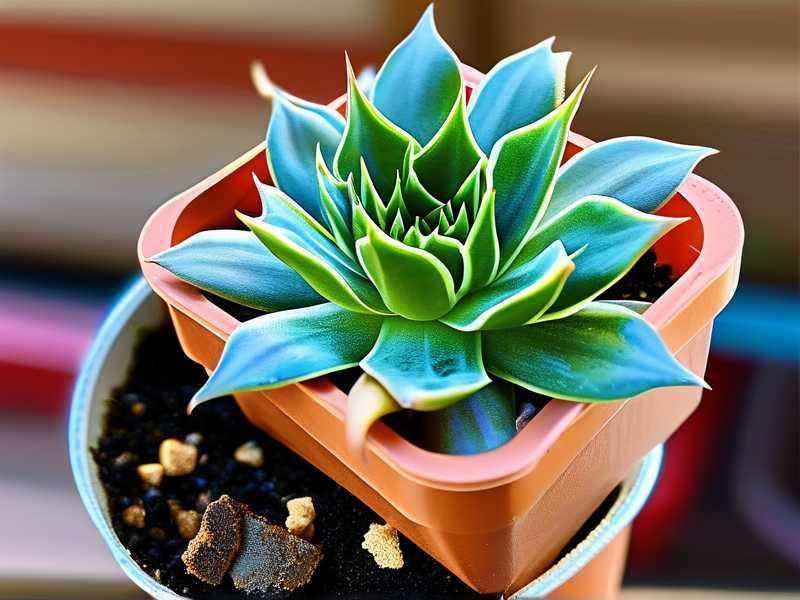
Let me walk you through exactly how I use blood meal without destroying my collection. I will share the exact steps I use, the mistakes that cost me three beautiful Echeverias, and what I saw change over 14 days.
Why Blood Meal Works (And Why Most People Mess It Up)
Blood meal is dried animal blood, usually from cattle. It is roughly 12-0-0 on the fertilizer label. That means it is almost pure nitrogen. Nitrogen is what pushes green leaf growth. Succulents do not need much, but they need some.
Here is the catch. Most people treat blood meal like a seasoning. They sprinkle it on top of the soil like salt on fries. That is wrong. I did that once. The meal formed a crust, water pooled on top, and the soil underneath stayed bone dry. My plants got root rot and starvation at the same time. It was a mess.
The right way is to dissolve it in water first. Blood meal is not fully water-soluble, but a fine dust will suspend in water long enough to water your plants. This gets the nitrogen down to the roots where it belongs. Simple enough, right? But there are three beginner traps you need to avoid first.
The 3 Deadly Mistakes That Kill Succulents Before You Even Fertilize
Before you ever mix blood meal, fix these three things. Fertilizer will not save a plant that is drowning or baking.
Mistake #1: Overwatering (The #1 Killer)
I am repeating this forever because it is true. 90% of indoor plants die from overwatering. Succulents are worse. Their roots are shallow and thin. They suffocate in wet soil.
I used to water mine every three days. I thought they looked thirsty. They died within a month. The leaves turned translucent and mushy. That is rot.
Wait until the soil is completely dry. Then wait three more days. Stick your finger an inch deep. If it is dry, water. If not, walk away.
Mistake #2: Light Placement (Morning Sun vs. Afternoon Death)
You bought a succulent because it sits on your desk. It will die there. I tried that with a Haworthia. It stretched out, grew pale, and lost all its shape. It looked like a tortured alien.
Succulents need bright, direct light. But not all day. Morning sun is gentle and perfect. Afternoon sun in a south-facing window will cook them through the glass. I learned this the hard way when my jade plant turned bright red and started peeling, which is sunburn.
Place them in an east-facing window. If you only have a south window, pull them back a foot or use a sheer curtain.
Mistake #3: The Wrong Pot (No Drainage Hole = Death Sentence)
People love pretty glass terrariums. Succulents hate them. There is no drainage. Water sits at the bottom and rots the roots slowly.
I bought a beautiful ceramic bowl with no hole. I drilled a hole myself with a diamond bit. That bowl still works today, three years later.
You must have a pot with a drainage hole. Terracotta is the best choice. It breathes and wicks moisture away from the roots. Plastic pots hold moisture longer, which is only good if you are an expert at restraint.
My Exact Blood Meal Fertilizing Routine (Step-by-Step)
Once your succulents are in the right pot, with the right light, and you have a watering schedule that works, it is time to feed them. I do this twice a year. Once in early spring (March or April) and once in late summer (August).
Here is my exact process that I have refined over two years of trial and error.
Step 1: Water the Soil First (This Is Critical)
Do not apply blood meal to dry soil. If you do, the nitrogen hits the roots like a lightning bolt. It will burn them.
I water my succulents normally the day before I fertilize. This ensures the soil is moist but not soaked. The roots are hydrated and ready to absorb food gently.
Step 2: Mix the Blood Meal Solution (The Ratios I Use)
Get a standard 1-gallon watering can. Fill it with room-temperature water that has been sitting out for 24 hours to remove chlorine.
Add exactly 1 teaspoon of blood meal. Do not add more. I was heavy-handed once, thinking more food means more growth. My Echeveria got brown spots on its leaves and stopped growing for a month. Nitrogen burn is real.
Stir the mixture vigorously for about 30 seconds. Let it sit for another 30 minutes. The fine particles will sort of float, but the heavy stuff sinks. Stir again right before pouring.
Step 3: Apply Directly to the Soil Base
Slowly pour the mixture around the base of the plant. Avoid getting it on the leaves. Water pooling in the rosette center is a death sentence for Echeverias. It causes crown rot.
Pour until water runs out of the drainage hole. That ensures the entire root zone is wet. Discard any leftover solution. Do not store it. Blood meal water goes rancid and smells terrible after a day.
Step 4: The Wait (Do NOT Re-Fertilize)
This is the hard part. You have to leave them alone. I check my plants daily because I am an anxious plant parent. But you must resist.
Fertilizer is not a weekly thing. I only do this twice a year. Succulents are adapted to poor, rocky soil. They store nutrients in their thick leaves. They do not need a heavy feeding schedule.
My 2-Week Observation Log (What I Saw Change)
I used this exact routine on my struggling Haworthia and a sad-looking Graptopetalum that had not grown in eight months. Here is what happened.
Day 1-3: Nothing (Patience Test)
Honestly, nothing happens immediately. The soil is damp. The plants look the same. I started to doubt the process. I nearly added more blood meal to a different pot out of frustration. Good thing I did not.
Day 4-6: Slight Color Shift
On day four, I noticed the centers of the Haworthia looked slightly darker green. It was subtle. I compared a photo from before. The new growth point did look more saturated. The Graptopetalum, however, looked exactly the same.
Day 7-9: Root Activity
On day seven, I gently tugged on the Graptopetalum. There was slight resistance, which meant the roots were gripping the soil better. Before fertilizing, that plant would lift right out of the pot if I nudged it.
Day 10-12: Visible New Growth
This was the exciting part. On day ten, I saw tiny, pale-green nubs in the center of the Haworthia. Those were new leaves. The Graptopetalum started to perk up, and its leaves felt firmer. It was not mushy or soft anymore. It felt like a plump grape instead of a wrinkled raisin.
Day 14: Confirmation
By day 14, the new leaves were clearly visible. They were smaller than the old ones but healthier looking. The color shift on both plants was noticeable. They just looked brighter. Not dark green and lush like a tropical plant, but that fresh, vigorous look they had when I first bought them.
My #1 Failure With Blood Meal (And How I Fixed It)
I want to tell you about the time I killed my Pachyphytum. It was a beautiful, dusty-blue plant. I thought I was being clever. I mixed the blood meal into the top inch of soil instead of dissolving it in water.
I watered normally. Within a week, a white, fuzzy mold grew on the soil surface. The blood meal was decomposing slowly and attracting fungus gnats. Worse, the nitrogen was too concentrated near the stem. The base of the plant turned brown and mushy.
The lesson: Always dissolve in water. Never top-dress with blood meal on indoor succulents. For outdoor plants in a garden bed, you can work it into the soil before planting. But for potted indoor plants, the liquid method is the only safe way.
RHS and AHS Insights on Organic Feeding
I always like to check what the experts say before I recommend something. The Royal Horticultural Society generally advises that most garden soils do not need much fertilizer for succulents. But for container-grown plants, they agree that a balanced liquid feed during the growing season is acceptable. They stress avoiding high-nitrogen feeds for cactus and succulents in winter.
Similarly, the American Horticultural Society encourages organic soil amendments. They highlight that blood meal is a quick-release organic nitrogen source. However, they warn that it breaks down faster in warm, moist conditions, so application timing matters. Feeding in active growth periods aligns with the plant's natural uptake cycles.
The RHS also points out that succulents in pots exhaust their soil within a year or two. Repotting fresh soil is often better than fertilizing old, depleted mix. Because honestly, if my soil is over three years old, I just repot instead of feeding. Fresh soil usually has enough nutrients. Fertilizer is only for plants that have been in the same soil for more than 12 months.
When NOT to Use Blood Meal (Critical Timing)
Blood meal is not a universal tool. I learned that timing is everything.
Do not fertilize in winter. Succulents go dormant in the colder months. They are not actively growing. If you feed them then, the nitrogen just sits in the soil. It can burn the dormant roots or cause weak, leggy growth when they wake up.
Do not fertilize right after repotting. Fresh soil has nutrients. Wait at least two months before adding anything. The roots need time to settle. Fertilizing too soon will stress them further.
Do not fertilize a stressed or sunburned plant. If your succulent has mushy leaves from overwatering, fertilizer will not fix it. In fact, it will make it worse because it demands the damaged roots to work. Fix the watering routine first. Then worry about feeding.
FAQ: Common Questions I Used to Have
Can I use blood meal on all succulent types?
I have used it on Echeveria, Haworthia, Graptopetalum, Sedum, and Crassula species. All responded well. The only ones I avoid are lithops and other living stones. They are extremely sensitive to nitrogen. They prefer almost nothing, just pure gritty soil. I would keep them completely away from organic fertilizers.
How often should I use blood meal?
Twice a year is plenty. Once in early spring and once in late summer. If your succulents are growing in a very gritty mix with no organic matter, they might need a third light feeding midsummer. Watch your plants. If new growth stops and leaves look pale green or yellow, they need nitrogen. If they look fine, do not touch them.
Does blood meal attract animals?
Yes, it can. Dry blood meal smells like, well, blood. It attracts dogs, foxes, and raccoons if used outdoors on the soil surface. When you dissolve it in water and pour it into the soil, the smell is mostly gone after a day. Still, I keep the bag sealed in a plastic container. Indoor use is fine. For outdoor potted succulents, water it in well to minimize the scent.
My Final Thoughts on Feeding Succulents
I honestly think most succulents die from too much love, not too little. Overwatering and overfeeding are the two biggest killers. Blood meal is a powerful tool, but it is not a cure-all.
Use it sparingly. Follow the two-week observation period. Watch how your plants respond. They will tell you if they need more or less. Succulent keeping is not about a strict schedule. It is about paying attention.
I lost about five plants before I figured out the rhythm. Now that I have it down, my collection thrives on a twice-yearly feeding, well-draining soil, and bright morning light. It is actually a very low-maintenance routine once you stop fussing over them every day.
Try the blood meal method this season. I think you will be surprised how quickly those neglected plants perk up. Just remember to dissolve it in water and be patient for the first week. The results by day fourteen are worth the wait.