bluename
How I Water succulents in Arctic Climates: A 2-Week Real-World Test
If you're trying to figure out how to water succulents in Arctic climates, here's the short answer: water deeply but very rarely, only when the soil is bone dry, and never let water sit in the saucer. I learned this the hard way after killing six succulents in my first winter above the Arctic Circle. Honestly, most houseplant deaths come down to one thing — 90% of indoor plants die from overwatering, and in cold climates that number is probably even higher. Over the next two weeks, I tracked every drop I gave my plants and logged what actually happened. This is what worked, what failed, and the mistakes I see almost every new grower make.
Why Arctic Climates Break the Normal Succulent Rules
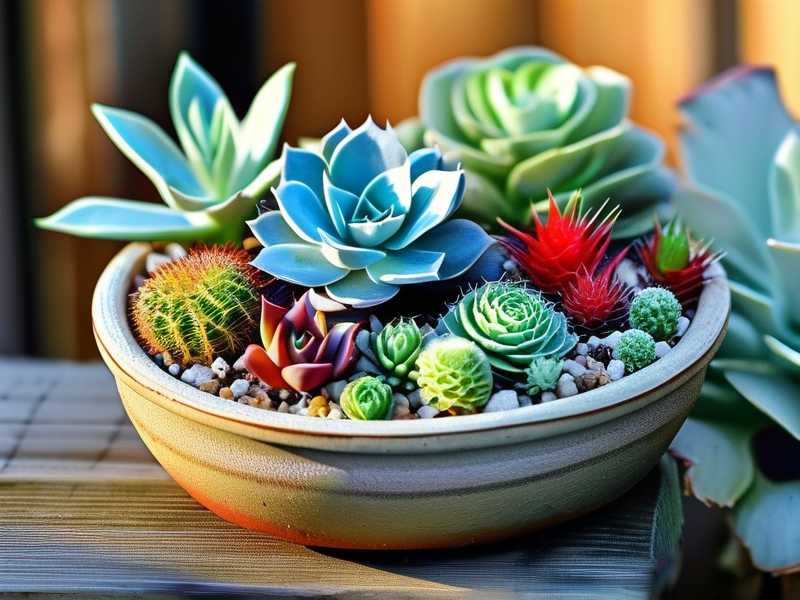
Succulents evolved in dry, warm places. Arctic homes are the opposite in almost every way.
Short daylight hours mean your plants are basically half-asleep for months. Less light equals slower growth. Slower growth equals way less water needed.
Indoor heating also dries the air out fast. That part sounds good for succulents, right? Here's the catch — dry air makes the top of the soil crispy while the bottom stays soggy. You test the surface, it feels dry, you water, and the roots are already drowning.
I also deal with cold windowsills. Mine drop to around 12°C (mid-50s Fahrenheit) at night. Cold plus wet soil is a death sentence for most succulents. Their roots just rot.
The RHS is clear that succulents need a distinct dry rest period in winter, and in Arctic conditions that rest period is long. Really long.
So the whole game changes. You're not watering to help them grow. You're watering just enough to keep them alive until spring.
The 3 Fatal Mistakes New Growers Make
I've made all three of these. More than once, honestly. Let me save you the pain.
Mistake 1: Overwatering (The Big One)
This is the killer. It's not even close.
People water on a schedule. Every Sunday, boom, a splash for everyone. That works fine in summer. In an Arctic winter, that rhythm drowns your plants.
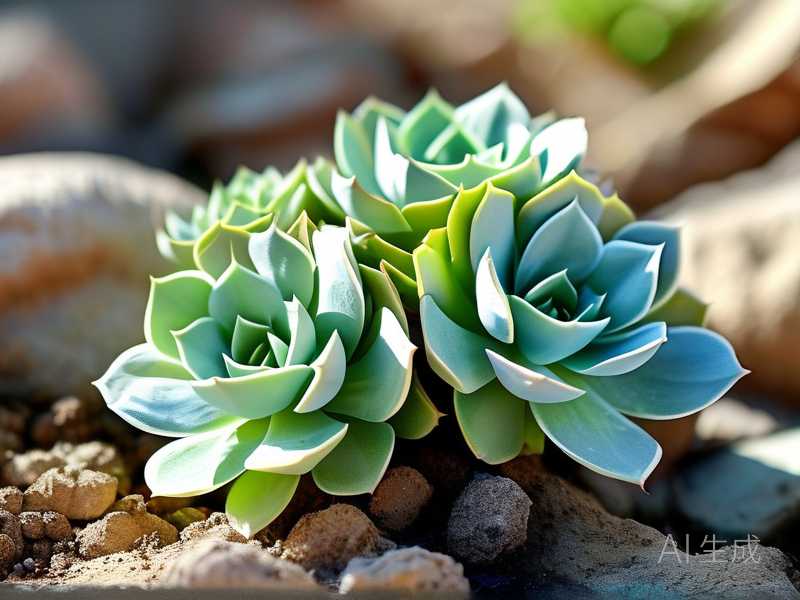
I used to do this. I had a little Sunday ritual with my watering can. By January, my Echeveria was mush. The leaves went translucent and fell off when I touched them.
The fix is simple in theory: water only when the soil is completely dry, and I mean completely. Stick a wooden skewer right down to the bottom of the pot. If it comes out even slightly damp, wait.
In my two-week test, my plants in a cool north-facing room needed water exactly zero times. Zero. My one plant under a grow light needed a light drink on day 11.
Mistake 2: Light Mismatch
Water and light are a package deal. You can't talk about one without the other.
A succulent sitting in a dark corner uses almost no water. So it needs almost none. A succulent under a grow light is actively growing and needs more.
I killed a Haworthia by treating it like my light-hungry plants. It sat in shade, I watered it normally, and the roots rotted in about three weeks.
Here's what I do now. I sort plants into two groups: the bright-light group and the low-light group. They get totally different watering schedules. Simple as that.
The AHS notes that light intensity directly drives how much water a plant pulls from its soil. Less light, less pull, less need.
Mistake 3: Wrong Pot
This one sneaks up on you because it looks fine at first.
I once planted a nice little Sedum in a glazed ceramic pot with no drainage hole. It looked gorgeous. It was dead in a month. Water collected at the bottom with nowhere to go.
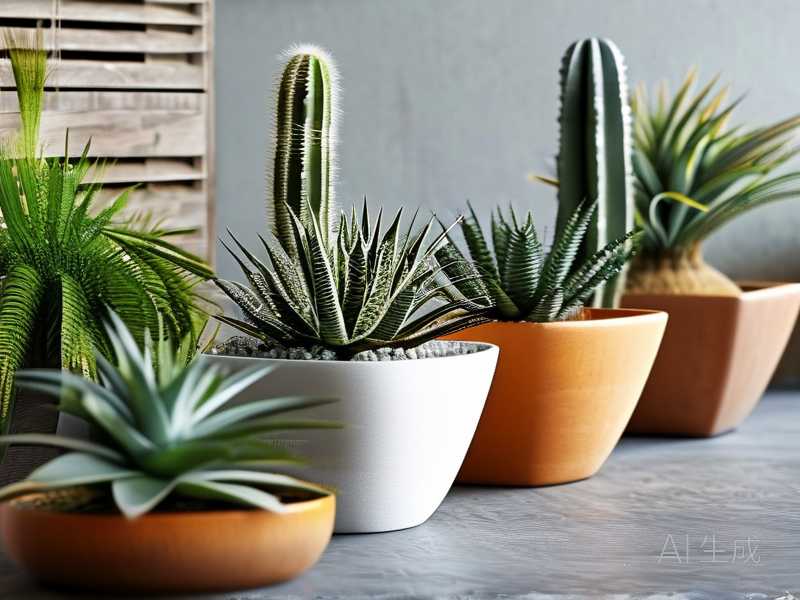
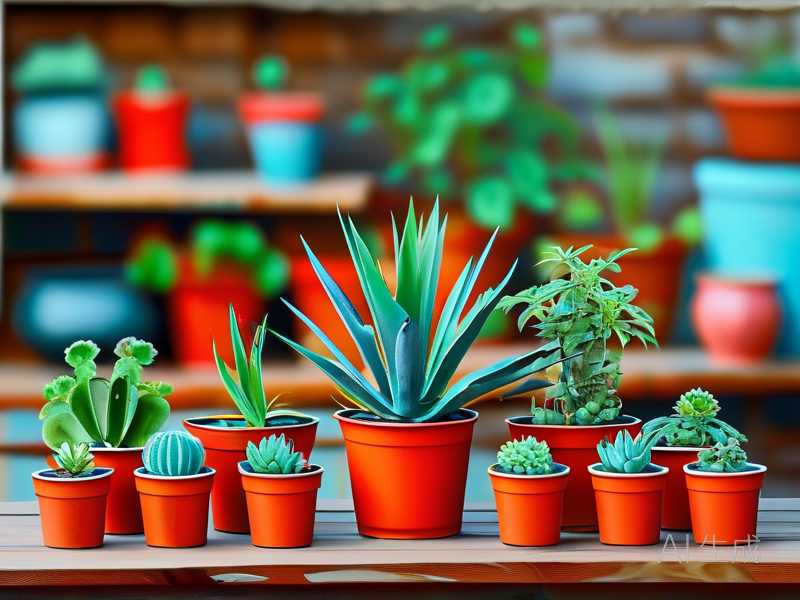
Terracotta is my go-to now. It breathes. It wicks moisture away from the soil. In a humid-ish Arctic home with the heating on, that matters a lot.
Plastic pots hold water way longer. That's fine in summer. In winter, it's a trap.
And always, always use a drainage hole. I don't care how pretty the pot is. No hole, no plant.
My 2-Week Watering Log: What Actually Happened
I want to walk you through the real numbers, because this is where it gets useful.
I picked six succulents and split them across three spots in my home.
Group A: Two plants on a cold windowsill (north-facing)
- Day 1: Soil bone dry. I did nothing.
- Day 7: Still dry. Did nothing.
- Day 14: Still dry. Did nothing.
Result: Both plants looked exactly the same as day one. No shriveling, no stretching. They were dormant and totally fine.
Lesson learned: a dry succulent in winter is a happy succulent. Don't panic-water a plant that isn't asking for it.
Group B: Two plants under a grow light (12 hours a day)
- Day 1: Dry. No water.
- Day 6: Leaves felt slightly soft. Still dry soil.
- Day 11: Soil dry, leaves a touch less firm. Gave a small drink — about two tablespoons around the edge of the pot.
- Day 14: Leaves firmed back up. Happy plant.
This told me something important. Under good light, plants use water and actually ask for it. Soft leaves plus dry soil equals time to water.
Group C: Two plants in a warm living room, medium light
- Day 1: Dry.
- Day 8: Dry, leaves slightly wrinkly.
- Day 9: Gave a light watering.
- Day 14: Fine, no rot, no stress.
The warm room dried things out a bit faster, but not much. The medium light meant slow growth, so slow water use.
Two weeks, and I watered a total of three plants once each. That's it. That's the whole Arctic winter watering story.
How I Actually Water Them (Step by Step)
Okay, so you've decided it's time. Here's exactly what I do.
Step 1: Check the soil, not the calendar
Skewer test. All the way down. If it's damp at the bottom, walk away. I check every plant every few days. It takes two minutes.
Step 2: Use room-temperature water
Cold tap water shocks the roots. I fill my watering can the night before and let it sit. This also lets chlorine evaporate, which some growers swear by.
Step 3: Water the soil, not the leaves
Water sitting in the crown of a rosette-style succulent can rot it. I aim for the soil surface and go slowly around the edge of the pot.
Step 4: Water until it runs out the bottom
This is the "soak and dry" method. You want the whole root ball to get wet, then dry out completely. A little splash on top does nothing.
But — and this matters — only do the full soak if your plant is actively growing and in good light. If it's dormant on a cold windowsill, skip it entirely or give just a sip.
Step 5: Empty the saucer
Never let the pot sit in water. Ever. I dump the saucer within ten minutes. If I forget, I'm asking for root rot.
What Overwatered vs Underwatered Actually Looks Like
People mix these up constantly. I did for years.
Overwatered leaves go yellow, translucent, and mushy. They fall off at the slightest touch. The base of the plant might look dark or smell bad.
Underwatered leaves go wrinkly and shriveled but stay firm-ish and keep their color. They don't turn to jelly.
Here's the tricky part in Arctic climates. A cold-stressed succulent can look a bit sad and droopy too. Don't assume it's thirsty. Check the soil first.
I once watered a cold, droopy plant and rotted it in a week. The soil was still damp. I just panicked. Don't panic.
Soil, Pots, and Temperature: The Supporting Cast
Watering doesn't happen in a vacuum. Three other things matter a lot up north.
Soil: Use a gritty mix, not standard potting soil. I go roughly 50% mineral (pumice or perlite) and 50% organic. Standard soil holds too much water and stays wet for weeks in a cold room.
Pots: Terracotta or unglazed ceramic. They dry faster. In a damp, chilly climate, faster is safer.
Temperature: Keep plants away from frosty windows at night. Aim for above 10°C (50°F) if you can. Cold plus wet is the worst combo.
Bottom watering — worth it?
I tried it during my two-week test. You set the pot in a tray of water and let it drink from below for 15–20 minutes, then remove it.
I like it because the leaves stay dry and the roots get a deep drink. But you have to time it carefully. Leave it too long in cold weather and you're soaking the soil for no reason.
My verdict: great in spring and summer, risky and slow in deep winter. I use it sparingly when it's cold.
My Honest Recommendations for Fellow Cold-Climate Growers
Can I be blunt for a second? Most of you are watering too much. I was too, for years.
So here's my real advice.
Buy a moisture meter if you're unsure. They're cheap and they stop you from guessing. Just don't trust the top reading alone — push it deeper.
Keep a simple log for a month. Note the date and what you did. You'll spot patterns fast. I found out I was watering one plant four times more than it needed.
Accept dormancy. A succulent that isn't growing in winter doesn't need much of anything. Leave it alone. It's not dying, it's resting.
And learn to read the leaves, not the calendar. Firm, plump leaves plus dry soil equals wait. Soft, wrinkly leaves plus dry soil equals water. That's the whole system.
A Few Questions I Get All the Time
Can I water succulents with snow?
No. Please don't. Snow is freezing cold and will shock or damage the roots. Melt it, let it reach room temperature, and even then, I'd just use tap water that's been left out overnight. Way simpler.
Should I water less in winter even if my home is warm?
Yes, but not because of the temperature alone. It's the light. If your days are short and your plants get little light, they slow down no matter how warm the room is. Warm room, low light, slow growth, low water needs. The math stays the same.
What if my succulent starts shriveling in winter?
First, check the soil with a skewer. If it's dry all the way down, give a light watering and see if the leaves firm up in a few days. If the soil is damp and the plant is still shriveling, you likely have root rot. Stop watering, repot into dry gritty soil, and cross your fingers. I've saved a couple this way and lost a few too.
Final Thoughts
Watering succulents in Arctic climates comes down to restraint. Less light, less heat, less growth — so less water. Way less.
Do the skewer test. Water only when the soil is bone dry. Use terracotta, use gritty soil, empty the saucer. Keep them out of the coldest window spots at night.
Do those things and your succulents will cruise through the dark months just fine. Mine did — and two weeks of careful watching taught me more than two years of guessing ever did.