bluename
How to Make succulents Resist Disease Naturally
I used to think succulents were bulletproof. Then I lost four pots in one summer. That was my wake-up call.
The short answer: you can make succulents resist disease naturally by fixing three things first — watering, light, and drainage. Get those right and you barely need any treatment at all.
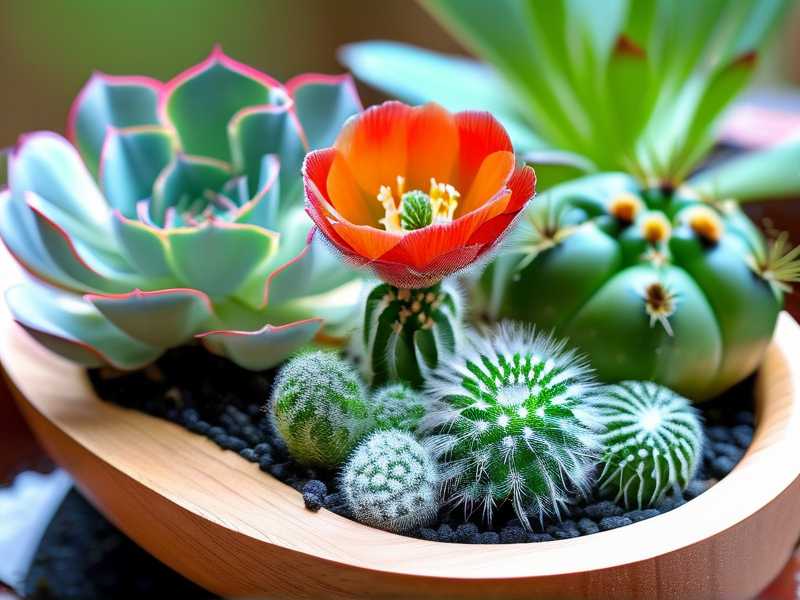
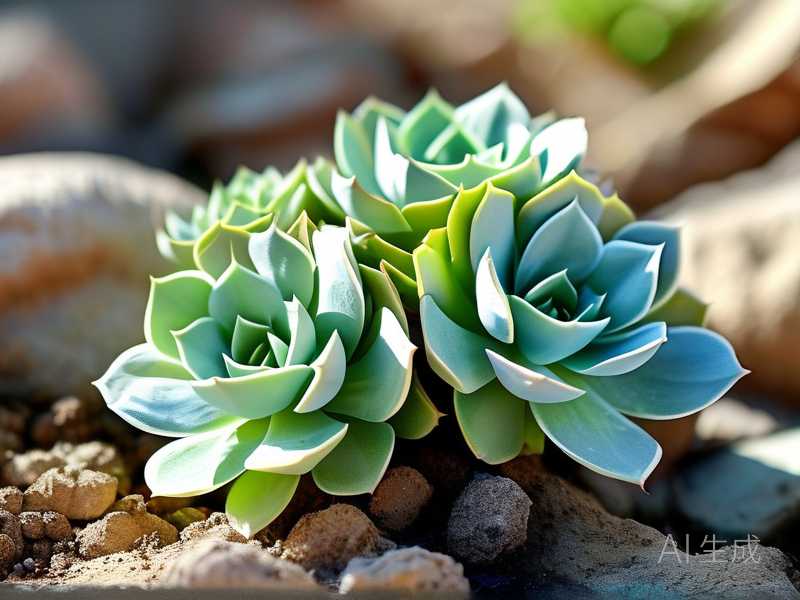
I'm a home gardener, not a botanist. I've killed more succulents than I want to admit. But after two solid weeks of adjusting my routine, I watched a sickly Echeveria bounce back with zero chemicals. No sprays. No powders. Just better habits.
So here's what actually worked for me.
Why Your Succulents Get Sick in the First Place
Most succulent diseases aren't random. They're invited.
Root rot, fungal spots, powdery mildew, soft mushy stems — all of these usually trace back to one root cause. Too much moisture sitting where it shouldn't.
The Royal Horticultural Society (RHS) points out that poor drainage and overwatering are behind most container plant failures. That matches everything I've seen in my own garden.
And here's the number that changed how I garden: 90% of indoor plants die from overwatering. Not pests. Not bad luck. Watering.
I know that sounds dramatic. But once you see it happen a few times, you can't unsee it.
The 3 Beginner Mistakes That Kill Succulents Fast
Let me just put these out front. If you're new, these are the three things that will wreck your plants.
Mistake #1: Watering Too Much (The Big One)
I watered my succulents every Sunday for two months. Like clockwork. I felt responsible and diligent.
What I actually did was drown them.
Succulents store water in their leaves and stems. They evolved in dry places. When you water on a fixed schedule, you're basically flooding a plant that's built to survive drought.
Signs you're overwatering:
- Leaves turn yellow and translucent
- Stems go soft and squishy
- Soil stays wet for more than a few days
- You see little gnats flying around
I killed a beautiful Haworthia this way. It looked fine until it didn't. One morning the whole center just collapsed.
The fix is simple but hard to accept: water only when the soil is completely dry. Not damp. Dry. Stick your finger in about an inch deep. If you feel any moisture, wait.
During summer I water maybe every 10 to 14 days. In winter? Once a month, sometimes less. My plants look better now than when I was "caring" for them constantly.
Mistake #2: Wrong Light
For a long time I kept my succulents on a shelf in the middle of the room. Not dark, but not bright either.
That's a disease magnet. Weak plants get sick more easily. Just like people.
Low light makes succulents stretch out, grow pale, and lose their natural defenses. That's when fungus and bacteria move in.
I tried a north-facing windowsill next. Better, but still not enough for most varieties.
What actually works: a south or east-facing window with 4 to 6 hours of direct or very bright indirect light. If your window doesn't provide that, a simple grow light does the trick. I use a cheap LED one and my plants stopped stretching within a week.
The American Horticultural Society (AHS) notes that proper light exposure is one of the most overlooked factors in plant health. I believe it. Light drives everything — growth, color, and disease resistance.
Mistake #3: Using the Wrong Pot
I once planted a jade plant in a ceramic pot with no drainage hole. Seemed fine. Looked nice on my shelf.
Three weeks later the roots were rotting.
No drainage means water sits at the bottom. Roots can't breathe. Fungus blooms. Game over.
What I use now:
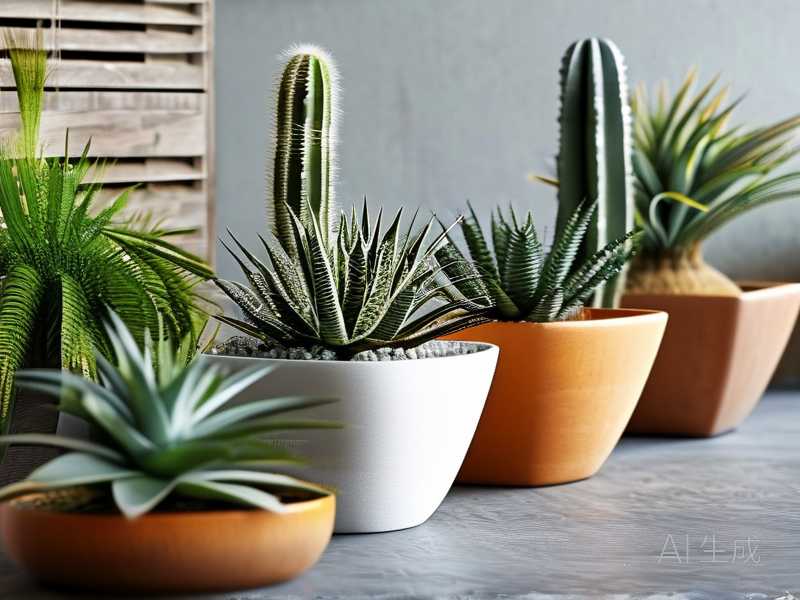
- Terracotta pots with drainage holes (they wick away moisture)
- Unglazed clay when possible
- Always a saucer underneath, but I empty it after watering
I also switched to a gritty soil mix. Regular potting soil holds too much water for succulents. I mix mine with perlite and coarse sand — roughly 50% succulent soil, 25% perlite, 25% sand. You can also buy pre-made cactus mix and add extra perlite.
Since switching pots and soil, I haven't lost a single plant to rot. That was over a year ago.
How I Made My Succulents Disease-Resistant Naturally (My 2-Week Experiment)
Two weeks isn't a long time. But for a succulent showing early signs of trouble, it's enough to see real change.
Here's what I did.
Week 1: Stop, Assess, and Repot
Day 1-2: I stopped watering everything. Cold turkey. Even the ones that looked thirsty. Succulents can handle it. I couldn't remember the last time some of them had truly dry soil.
Day 3-4: I checked every pot. Tipped them gently to see if water came out. Lifted them to feel the weight. Heavy pot means wet soil. I found two pots that were way too heavy — both in decorative containers without drainage.
Day 5-7: I repotted the worst offenders. Fresh gritty mix. Terracotta pots. I removed all the old wet soil from the roots and trimmed any brown, mushy roots with clean scissors. Let me tell you, that first repot was nerve-wracking. I was sure I'd kill them.
But here's the thing — they perked up within two days.
I also moved everything to my brightest windowsill. South-facing. Full morning sun.
Week 2: Observe, Adjust, and Let Them Breathe
Day 8-10: I noticed the soil was drying out faster in terracotta. That's good. It means air is getting to the roots. No signs of new fungal spots on any plant.
Day 11-12: I saw new growth on a previously sad Echeveria. Tiny leaves in the center. That was my proof that the changes were working.
Day 13-14: I watered for the first time in two weeks. Only the plants with bone-dry soil. I watered deeply until it ran out the drainage hole, then stopped. No saucers left full.
By the end of two weeks, every plant looked firmer. Colors were richer. No mushy stems. No new spots.
Natural Ways to Boost Disease Resistance Long-Term
Fixing water, light, and pots is the foundation. But you can do more to keep your succulents strong without chemicals.
Improve Airflow
Stagnant air invites fungus. I put a small clip-on fan near my indoor shelf on low. Just enough to keep air moving. Outdoors, don't crowd your pots together. Give them space.
Keep Leaves Dry
I learned this the hard way. Water sitting on leaves — especially in the center rosette — can cause rot. I water the soil only. Never the plant itself. If water gets on the leaves, I dab it off with a paper towel.
Use Cinnamon as a Natural Fungicide
I was skeptical. But cinnamon has natural antifungal properties. When I repot, I dust the roots and any cut areas with cinnamon powder. It's cheap, safe, and I haven't had a single case of root rot since I started doing this.
Remove Dead Leaves
Dead leaves trap moisture against the stem. I check my plants every week and pull off any dried, brown lower leaves. It takes two minutes. It makes a big difference.
Quarantine New Plants
I brought home a succulent from a big box store once. Didn't check it. Within a week it had mealybugs and spread them to three other plants.
Now every new plant sits alone for two weeks before joining the group. That's my quarantine period. Simple but effective.
Encourage Beneficial Microbes
I add a tiny amount of worm castings to my soil mix. Not much — maybe 10% of the total mix. Worm castings introduce beneficial bacteria that compete with harmful fungi. It's a natural way to build a living soil that fights disease for you.
The Results After Two Weeks
I'm not exaggerating when I say my succulents looked different. The leaves were plump but not swollen. Colors were deeper. The plants felt sturdy.
More importantly, no new disease showed up. And the ones that had early signs — a bit of discoloration, slight softness — stopped getting worse.
That was the moment I realized: disease resistance isn't about spraying stuff. It's about creating conditions where disease can't take hold.
What I'd Tell My Past Self
If I could go back to when I first started, I'd say:
Stop watering on a schedule. Your plant doesn't own a calendar. Buy terracotta pots. They're ugly-cute and they save lives. Put your succulents where the light is strong. Not "bright enough." Strong. Repot new plants into gritty soil immediately. Don't wait. And don't panic if you lose one or two. I lost plenty. It's how you learn.
Frequently Asked Questions
Can succulents recover from root rot naturally?
Sometimes, yes. If you catch it early, remove the plant from wet soil, trim all brown mushy roots, let it dry for a day or two, and repot in fresh gritty mix. I've saved several this way. But if the rot has reached the stem, it's usually too late. That's why prevention matters so much.
How often should I water succulents to prevent disease?
Only when the soil is completely dry. For most indoor succulents, that's every 10 to 14 days in summer and every 3 to 4 weeks in winter. But it depends on your climate, pot type, and light. Always check the soil first. Never water on autopilot.
Do I need fungicides to keep succulents disease-free?
In my experience, no. Fixing drainage, watering, light, and airflow prevents most problems. For minor issues, natural options like cinnamon, improved airflow, and removing affected leaves work well. I haven't used a chemical fungicide in over a year, and my plants are healthier than ever.
Final Thoughts
Making succulents resist disease naturally comes down to mimicking their natural environment. Dry roots. Bright light. Good air. The right soil.
You don't need expensive products or a fancy greenhouse. You need to stop overwatering and start paying attention.
I went from killing four plants in one summer to not losing a single one in over a year. That's not because I got lucky. It's because I finally understood what these plants actually need.
Give it two weeks. Adjust the big three — water, light, and pots. I think you'll be surprised at how fast your succulents respond.