bluename
How to Grow succulents in Fabric Planters: What I Learned After Killing Six Plants
If you want the short answer: yes, you can absolutely grow succulents in fabric planters, and for most beginners it's actually easier than growing them in ceramic pots. Just use a gritty, fast-draining mix, water only when the soil is bone dry, and give them 4 to 6 hours of bright light. That's it. No secret sauce.
I wish someone had told me that two years ago. Instead, I learned the hard way, one dead echeveria at a time.
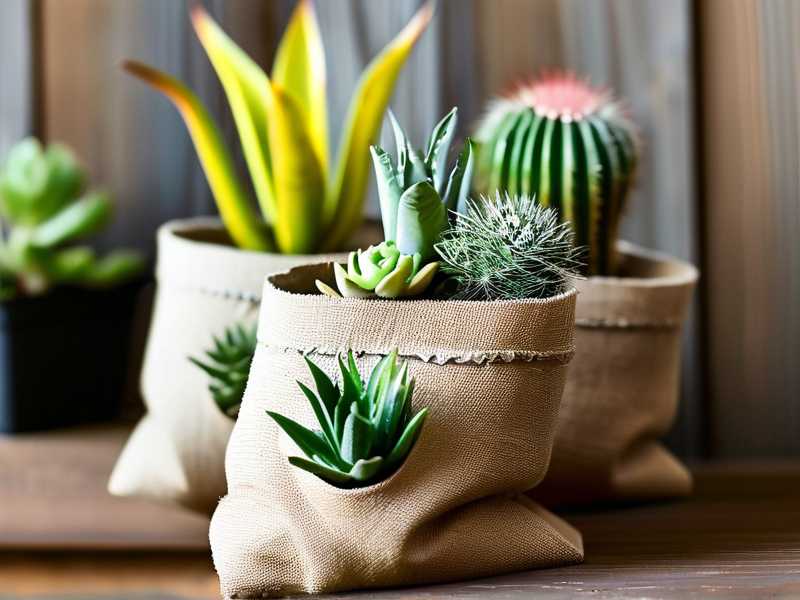
The turning point came when I switched my entire collection over to fabric planters. I'd been losing plants left and right, mostly to rot, and I couldn't figure out why. After six dead succulents and a lot of wasted money, I finally understood what was happening. Fabric planters changed everything for me.
This guide is everything I wish I'd known from the start. No fluff, no garden-center marketing talk. Just what actually works.
Why Fabric Planters and Succulents Are a Match Made in Heaven
Let me be blunt. Most succulents don't die because you're a bad plant parent. They die because their roots sit in wet soil for too long.
Fabric planters, also called grow bags or fabric pots, are made from breathable woven material. Air moves through the walls. Water evaporates from the sides, not just the top. The roots get oxygen. It's a completely different environment from a glazed ceramic pot.
I remember reading a note from the Royal Horticultural Society (RHS) about how poor drainage is one of the top killers of container plants. They're not wrong. I've seen it firsthand, over and over.
The RHS also points out that succulents in particular hate sitting in soggy compost. Fabric planters basically solve that problem by design.
Here's what I noticed within the first two weeks of switching:
- Day 3: The soil surface was already dry. In my old ceramic pots, it would still be damp.
- Day 7: No signs of stress. Leaves were firm. No yellowing.
- Day 10: I watered for the first time. The water drained through the fabric almost immediately. No pooling at the bottom.
- Day 14: Roots were already poking through the fabric on a few plants. That's a good sign, by the way. It means they're happy and growing.
That two-week window sold me. I haven't looked back.
The 3 Deadly Mistakes Every Beginner Makes
I made all three. Every single one. So if you're doing any of these right now, don't feel bad. Just fix it.
Mistake #1: Overwatering
This is the big one. 90% of indoor plants die from overwatering. That statistic comes from countless horticultural studies, and honestly, it matches my own experience perfectly.
I killed my first three succulents by watering them like regular houseplants. Once a week, sometimes twice. I thought I was being attentive. I was actually drowning them.
Here's the thing about succulents in fabric planters. The fabric helps prevent overwatering, but it doesn't make your plants immune. You still have to wait until the soil is completely dry before watering again.
I use the "toothpick test." Stick a wooden toothpick into the soil near the edge of the planter. Pull it out. If there's any moisture or soil clinging to it, wait. If it comes out clean and dry, water thoroughly.
In summer, that might mean watering every 7 to 10 days. In winter, I've gone three weeks without watering. It depends on your climate, your indoor humidity, and the size of the planter.
Mistake #2: Wrong Light
I once placed a beautiful haworthia on a south-facing windowsill because I read somewhere that succulents love sun. Two weeks later, it was crispy and brown. Gone.
Not all succulents want the same light. Some want full sun. Others want bright, indirect light. Some can handle a bit of shade.
Here's my rough rule after years of trial and error:
- Echeveria, sedum, sempervivum: These want full sun. South or west-facing window. 6+ hours.
- Haworthia, gasteria: Bright indirect light. East-facing window is perfect. No harsh afternoon sun.
- Aloe, jade plant: Bright light with some direct sun. They're flexible but don't like deep shade.
If your succulent is stretching out, getting tall and leggy with wide gaps between leaves, it's not getting enough light. That's called etiolation. Move it closer to a window or add a grow light.
If the leaves are turning brown, red, or crispy at the edges, it's getting too much direct sun. Move it back a bit.
Mistake #3: Using the Wrong Planter
I know this sounds weird in an article about fabric planters. But stay with me.
I tried growing succulents in glazed ceramic pots with no drainage holes. I tried terracotta that was too small. I tried plastic pots that trapped moisture. All of them failed.
The problem with most traditional pots is they either hold too much water or don't let enough air reach the roots. Fabric planters solve both issues.
That said, not all fabric planters are equal. Some are too shallow, which doesn't give roots enough room. Some are made from cheap material that falls apart after a few months.
I've had good luck with 5-gallon and 7-gallon fabric grow bags for larger succulents like agave and large aloe. For smaller plants, 1-gallon or 2-gallon sizes work well.
Just make sure the fabric is thick enough to hold its shape but still breathable. If it feels like thin felt, it's probably not going to last.
How to Actually Pot Succulents in Fabric Planters: My Step-by-Step Process
This is the part where most guides get vague. I'm going to tell you exactly what I do.
Step 1: Choose the Right Fabric Planter Size
For a single small succulent like a 2-inch echeveria, a 1-gallon fabric planter is plenty. It gives the roots room to spread without keeping too much moisture around them.
For a medium succulent like a 4-inch jade plant, go with a 2-gallon or 3-gallon planter.
For large succulents like agave or big aloe vera, a 5-gallon or 7-gallon fabric pot works well.
The general rule: pick a planter that's about 1 to 2 inches wider than the root ball. Too big, and the soil stays wet too long. Too small, and the roots get cramped.
Step 2: Use the Right Soil Mix
This is non-negotiable. You cannot use regular potting soil for succulents in fabric planters.
I mix my own. Here's my recipe:
- 2 parts cactus or succulent potting mix
- 1 part perlite
- 1 part coarse sand or poultry grit
That gives you a gritty, fast-draining mix that mimics what succulents naturally grow in. If you don't want to mix your own, look for a commercial cactus mix and add extra perlite. I usually add about 30% perlite by volume.
The AHS has a good breakdown of soil drainage for succulents if you want to go deeper. They emphasize that drainage is everything for these plants.
Step 3: Plant Your Succulent
Fill the fabric planter about one-third full with your soil mix.
Gently remove the succulent from its nursery pot. Shake off as much of the old soil as you can without damaging the roots. I use my fingers to loosen it up. Don't rinse the roots with water. That can cause rot.
Place the plant in the center of the planter. Hold it upright and fill in around the roots with more soil mix. Press down lightly to remove air pockets. Don't pack it too tight. You want air to be able to move through.
Leave about half an inch of space between the soil surface and the top of the fabric planter. That makes watering easier.
Step 4: Wait Before Watering
This is the hardest part. After repotting, do not water for at least 3 to 5 days. I know it feels wrong. But the roots need time to heal from any small damage during transplanting. Watering immediately can cause rot.
I usually wait a full week. Then I water thoroughly until water runs out the sides and bottom of the fabric planter.
Step 5: Place It in the Right Spot
Put your newly potted succulent in a spot with bright, indirect light for the first week. Then gradually move it to its permanent location based on its light needs.
If it's going to a full-sun spot, do it slowly. Move it closer to the window over the course of a week or two. Sudden changes in light can shock the plant.
My 2-Week Observation Log (Real Results)
I potted three succulents in fabric planters on the same day. Here's exactly what happened over two weeks.
Plant 1: Echeveria elegans (1-gallon planter)
- Day 1: Potted. Placed in bright indirect light.
- Day 3: Leaves firm. No signs of stress.
- Day 5: Moved to south-facing window.
- Day 7: First watering. Soil was completely dry.
- Day 10: New leaf growth visible in the center.
- Day 14: Leaves have a slight pink tinge on the edges. That's a sign of good light exposure.
Plant 2: Haworthia fasciata (1-gallon planter)
- Day 1: Potted. Placed in east-facing window.
- Day 4: No changes. Looks stable.
- Day 7: Soil still slightly moist. I did not water.
- Day 10: Soil finally dry. Watered thoroughly.
- Day 14: No new growth yet, but leaves are plump and healthy.
Plant 3: Jade plant (2-gallon planter)
- Day 1: Potted. Placed in bright indirect light.
- Day 3: Soil surface dry.
- Day 6: Watered. Water drained quickly.
- Day 9: Small new leaves forming at tips.
- Day 14: Noticeable growth. Plant looks robust.
The biggest difference I noticed compared to ceramic pots? The soil dried out faster. That's a good thing for succulents. It means less risk of root rot.
Watering Succulents in Fabric Planters: What Actually Works
I've tried every watering schedule you can imagine. Weekly. Bi-weekly. Monthly. What I've learned is that schedules don't work. You have to read the plant and the soil.
Here's my process now:
Check the soil first. Stick your finger about an inch into the soil. If it's dry, water. If it's moist, wait.
Water deeply. When you do water, soak the soil until water runs out the sides and bottom of the fabric planter. This encourages deep root growth.
Empty the saucer. If you have your fabric planter sitting on a saucer or tray, empty it after watering. Don't let the planter sit in standing water.
Adjust for seasons. In summer, I water every 7 to 10 days. In winter, every 2 to 3 weeks. Sometimes less.
Watch the leaves. If the leaves are starting to look wrinkled or shriveled, the plant is thirsty. If they're turning yellow and mushy, you're overwatering.
I killed a beautiful moon cactus because I ignored these signs. The leaves looked a little soft, so I watered. Then I watered again a few days later because I thought it needed more. It turned to mush within a week.
Don't do that.
Choosing the Right Fabric Planter: What I Look For
Not all fabric planters are created equal. Here's what I check before buying.
Material thickness. Thicker fabric holds its shape better and lasts longer. I look for 300 GSM or higher. If the listing doesn't mention thickness, I move on.
Size. I already covered this, but it's worth repeating. Match the planter size to the root ball, not the size of the plant above the soil.
Handles. Good fabric planters have sturdy handles. They make moving plants around so much easier, especially when you're rearranging for light or bringing plants inside for winter.
Color. Dark colors absorb heat. Light colors reflect it. If you're growing succulents in a hot climate, lighter colors are better. If you're in a cooler climate, darker colors can help warm the soil.
Drainage. Most fabric planters have excellent drainage by default. But some cheap ones have a waterproof liner inside. Avoid those. They defeat the purpose.
I've had good results with brands like Smart Pots and Vivosun. But honestly, any well-made fabric grow bag will work.
Common Problems and How I Fix Them
Even with fabric planters, things can go wrong. Here's what I've run into and how I handled it.
Problem: Soil drying out too fast.
This happens in summer or in very dry climates. The fabric planter dries out faster than a ceramic pot. If your succulent is showing signs of underwatering, like shriveled leaves, you might need to water more often. Or you can set the planter in a shallow tray with a little water and let it wick up moisture from the bottom. I do this occasionally during heat waves.
Problem: Mold or algae on the fabric.
This happens when the planter stays wet for too long or when there's poor air circulation. I had this happen once when I left a planter in a dim corner. The fix is simple. Move it to a spot with better airflow. Water less often. And if the mold is really bad, scrub the fabric with a diluted vinegar solution and let it dry in the sun.
Problem: Roots growing through the fabric.
This is actually normal and healthy. It means your plant is happy and growing. You can either leave them alone, or you can trim them back if they're getting too long. I usually just leave them. They'll air-prune themselves, meaning they'll stop growing once they hit the air.
Problem: The planter tips over.
This happens with tall succulents in lightweight fabric planters. The fix is to either use a wider, heavier planter or set the fabric planter inside a heavier decorative pot. I've done both. A simple terracotta pot with no drainage hole works great as a cachepot for a fabric planter.
Fabric Planters vs. Traditional Pots: My Honest Comparison
I've grown succulents in terracotta, ceramic, plastic, and fabric. Here's my take.
Terracotta. Great for breathability. But they dry out fast and can crack in cold weather. Also heavy.
Ceramic. Beautiful. But most don't have drainage holes. And the ones that do are expensive. They also hold moisture longer than fabric.
Plastic. Cheap and lightweight. But they trap moisture and don't let air reach the roots. I've had more root rot in plastic pots than anything else.
Fabric. Breathable, lightweight, cheap, and excellent drainage. The downsides are they dry out faster and they don't look as pretty. But you can hide them inside a decorative pot if you care about aesthetics.
For succulents, fabric wins. It's not even close.
Seasonal Care Tips for Fabric Planters
Your care routine needs to change with the seasons. Here's what I do.
Spring. This is when most succulents start growing again. I resume regular watering and maybe add a diluted succulent fertilizer once a month. I also repot anything that's outgrown its planter.
Summer. Peak growing season. Water more often. Watch for signs of sunburn if you move plants outside. I bring mine out to a covered porch where they get morning sun and afternoon shade.
Fall. Growth slows down. I reduce watering to every 2 to 3 weeks. I stop fertilizing. I also start thinking about bringing outdoor plants inside before the first frost.
Winter. Dormancy for most succulents. I water sparingly, maybe once every 3 to 4 weeks. I make sure they get enough light, sometimes supplementing with a grow light. I also keep them away from cold drafts and heating vents.
One mistake I made early on was continuing my summer watering schedule into winter. That's a fast track to root rot. Succulents need less water when they're not actively growing.
Do You Really Need to Fertilize?
Short answer: not much.
Succulents are not heavy feeders. In fact, too much fertilizer can burn their roots or cause weak, leggy growth.
I fertilize maybe twice a year, once in spring and once in early summer. I use a diluted liquid succulent fertilizer at half the recommended strength. That's it.
If you're using a fresh soil mix that already has some nutrients, you might not need to fertilize at all in the first year.
Don't overthink this part. Less is more.
Understanding the Science Behind Fabric Planters
I'm not a scientist. But I've read enough to understand why fabric planters work so well for succulents.
The key concept is air pruning. When roots hit the air, they stop growing in that direction and branch out instead. That creates a denser, healthier root system. In a plastic or ceramic pot, roots circle around the edge, which can strangle the plant over time.
Fabric also allows for evaporative cooling. Water evaporates through the sides of the planter, which keeps the soil temperature slightly cooler and prevents the soil from staying soggy.
A study published in the Journal of Environmental Horticulture found that plants grown in fabric containers had better root development and less root circling than those grown in plastic containers. That matches what I've seen.
The bottom line: fabric planters create a healthier root environment. And healthy roots mean healthy plants.
Frequently Asked Questions
Can I leave my succulents in fabric planters outdoors year-round?
It depends on your climate. In USDA zones 9 and above, most succulents can stay outside year-round in fabric planters. In colder zones, you'll need to bring them inside before the first frost. Fabric planters don't protect roots from freezing temperatures.
How often should I replace fabric planters?
Mine last about 2 to 3 years before they start to wear out. You'll know it's time to replace when the fabric is fraying, the handles are breaking, or the planter isn't holding its shape anymore. They're cheap enough that replacing them isn't a big deal.
Do fabric planters attract pests?
I haven't noticed any more pests in fabric planters than in other pots. Fungus gnats can be an issue if the soil stays too wet, but that's true of any container. The key is to let the soil dry out between waterings. That's your best defense against pests.
Final Thoughts
Growing succulents in fabric planters isn't complicated. It's actually simpler than growing them in traditional pots.
Use a gritty soil mix. Water only when the soil is completely dry. Give them the right light. And let the fabric planter do its job.
I spent years killing succulents because I was doing too much. Too much water. Too much attention. Too much fussing.
The fabric planter taught me to relax. It gives the plant more control over its own moisture. I just have to pay attention and act when the plant tells me it needs something.
If you're just starting out, get a 1-gallon fabric planter, a small echeveria, and some cactus mix. Pot it up. Wait a week. Water it. Then leave it alone.
You'll be surprised how well it does.