bluename
 succulent care for Beginners: My 1-Year Growth Plan That Actually Works
I remember staring at my first succulent, a tiny Echeveria, feeling a mix of excitement and sheer panic. I’d heard they were “unkillable,” but my track record with houseplants suggested otherwise. My core fear was simple: I didn’t want to be a plant murderer. I needed a real plan, not just vague advice. That’s when I committed to a structured succulent care for beginners journey—a full year of learning by doing. This isn't just theory; it's my documented experience, complete with wins, failures, and the simple system I now swear by.
Why a Year-Long Plan is Your Secret Weapon
Most guides give you snippets: how to water, how much sun. But succulents are slow-living beings. Their story unfolds over seasons, not days. A one-year perspective shifts everything. You stop panicking over a single droopy leaf and start understanding cycles of growth, dormancy, and resilience. The Royal Horticultural Society (RHS) emphasizes that success with succulents comes from mimicking their natural, often seasonal, habitats rather than applying constant, uniform care. This plan is designed to do just that.

The Foundation: Getting Your First Setup Right
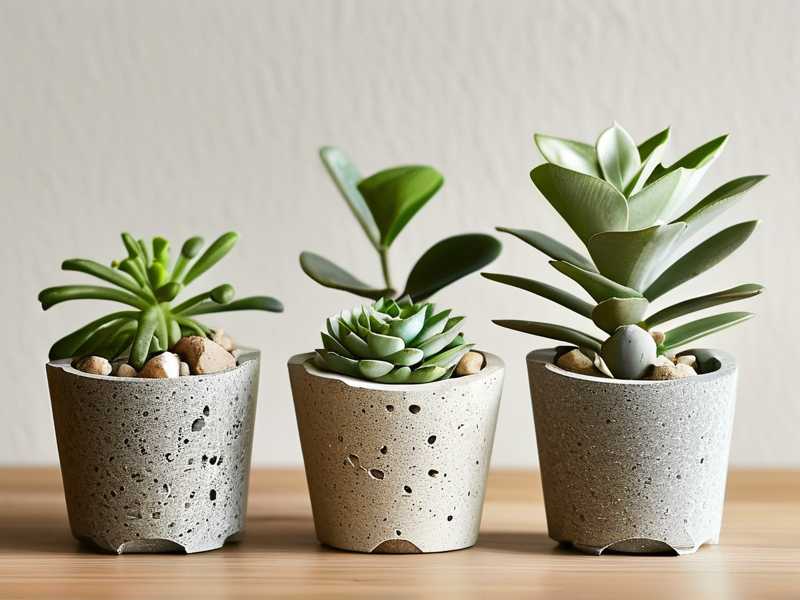
My journey began with a trip to the local nursery. I chose three common but varied starters: an Echeveria ‘Perle von Nurnberg’ (for sun needs), a Jade Plant (Crassula ovata, for easy care), and a Zebra Haworthia (for lower light tolerance). This gave me a small test group to observe.
Potting Mix: The First Make-or-Break Moment The biggest rookie mistake is using standard potting soil. It holds too much moisture and leads to root rot—the #1 succulent killer. I learned this the hard way. My first Haworthia started turning mushy at the base within a month. The fix was immediate repotting.
Here’s my exact, foolproof mix recipe I still use:
- 2 parts bagged succulent & cactus mix (a good commercial base)
- 1 part perlite (for extra aeration)
- 1 part coarse sand (like horticultural grit) This creates the fast-draining, gritty environment succulent roots crave. The American Horticultural Society (AHS) notes that excellent drainage is non-negotiable for healthy succulent roots, preventing fungal diseases.
The Perfect Pot Drainage holes are mandatory. I prefer unglazed terracotta pots. They are porous, allowing the soil to dry out from the sides as well as the bottom, which is a huge safety net for over-waterers like I was.
The Care Calendar: A Seasonal Roadmap for Your Succulent
This calendar became my bible. It’s based on the typical growth cycle of most common succulents.
Spring (Months 1-3): The Wake-Up Call This is active growth season. Your plants are hungry and thirsty.
- Watering: I adopted the “soak and dry” method. I would thoroughly drench the soil until water ran freely from the drainage hole. Then, I would not water again until the soil was completely dry. I used a simple wooden skewer to check—if it comes out clean, it’s time.
- Sunlight: I gradually increased their sun exposure to prevent sunburn, aiming for 4-6 hours of bright, indirect light. My south-facing window became prime real estate.
- Feeding: I used a balanced, water-soluble fertilizer diluted to half-strength, once at the start of the season.
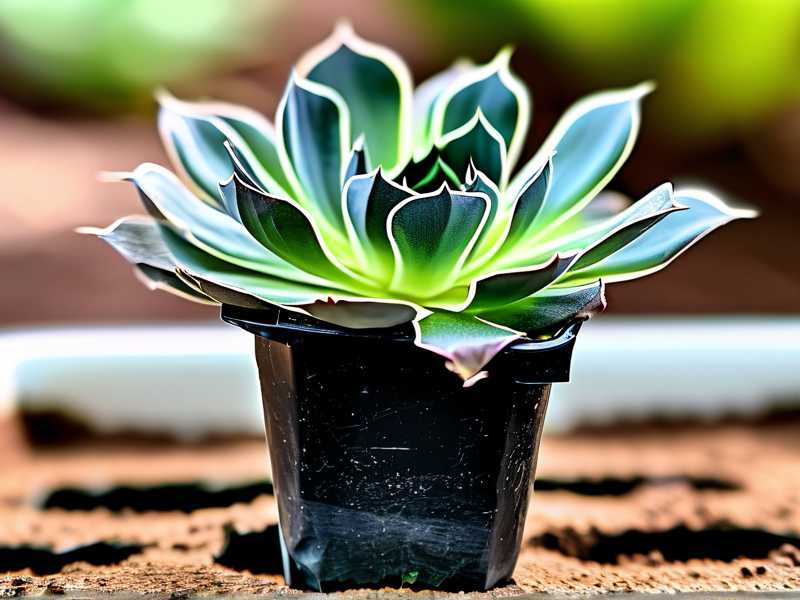
My 2-Week Spring Observation: After the first deep watering in spring, I saw visible change within days. The Echeveria’s center became a brighter pink, and its leaves plumped up noticeably. The Jade plant showed tiny new green buds at its stem tips. This was my first real “aha!” moment—seeing direct results from correct care.
Summer (Months 4-6): Growth & Vigilance Growth continues, but heat brings new challenges.
- The Watering Trap: I assumed they’d need more water in the heat. Wrong. During a heatwave, some succulents (like Echeverias) can go semi-dormant. I overwatered my ‘Perle von Nurnberg’, and the bottom leaves turned yellow and translucent. The fix: I stopped watering immediately, moved it to a breezier spot to accelerate drying, and removed the soggy leaves. It recovered, but it was a stark lesson. I learned to always check the soil, not the calendar.
- Sunburn is Real: One afternoon of direct, scorching sun through the window left a permanent pale, scorched patch on my Jade plant. The fix: I used a sheer curtain as a filter during peak afternoon hours. Morning direct sun is usually safe; harsh afternoon sun is the enemy.
Fall (Months 7-9): Preparing for Rest This is often a second, milder growth period.
- Watering: I began to extend the time between waterings as temperatures and light levels dropped.
- Light: I maximized their light exposure as days shortened, sometimes supplementing with a basic grow light for a few hours in the evening.
- Propagation Time: This is the best season to propagate. I gently twisted off a few healthy leaves from my Echeveria, let them callous over for 2-3 days, then laid them on dry soil. The patience game began!
Winter (Months 10-12): The Dormant Test Growth slows or stops. This is the season of benign neglect.
- Watering: I reduced watering dramatically, sometimes going 4-6 weeks between small drinks. The goal is to prevent the roots from completely drying out and dying, but not to promote growth.
- Temperature: I kept them away from cold drafts and off cold windowsills. Most common succulents prefer it above 50°F (10°C).
- Light: I ensured they still got the brightest light possible from my winter windows.
The 2-Week Winter Observation: I was terrified my neglected plants would die. But after a very light water at the start of December, I observed no growth (which is normal), but also no shriveling or death. Their colors deepened slightly, and they held their form. This taught me that succulents are built to endure periods of scarcity. My anxiety about “doing enough” finally quieted down.
Troubleshooting: The Problems I Faced and How I Solved Them
- Leggy, Stretched Growth (Etiolation): My first Echeveria started stretching, with wide gaps between leaves. This screamed “not enough light.” Solution: I gradually introduced it to more direct light (avoiding sudden change to prevent burn) and eventually beheaded the top rosette to re-root a more compact plant.
- Mealybugs: The white, cottony nightmare. I found them in the crevices of my Jade plant. Solution: I isolated the plant immediately. Then, I used a cotton swab dipped in 70% isopropyl alcohol to dab every single bug I could see. I repeated this every 3-4 days for two weeks until they were gone. Regular inspection is key.
- Soft, Mushy Leaves (Overwatering/Rot): As mentioned, my early overwatering led to this. Solution: If caught early, stop watering and let the soil dry completely. If the stem is mushy, the only hope is to cut above the rot, let the cutting callous, and re-root it in fresh, dry mix.
Your Questions, Answered From My Experience
How often should I water my succulent plants? Throw away the weekly schedule. The only correct answer is: water deeply when the soil is 100% dry. In summer, that might be every 10-14 days; in winter, it could be over a month. Your finger or a skewer is the best tool.
What is the best light for succulent growth? Most need bright, indirect light for at least 4-6 hours daily. “Bright, indirect” means near a sunny window but not in the direct, scorching beam. South or east-facing windows are often ideal. Low light leads to stretching; too much direct sun can cause burns.
Why are the leaves falling off my succulent? A few lower leaves drying up and falling is normal, part of the plant’s renewal. However, lots of leaves dropping, especially if they are yellowed or mushy, usually points to overwatering and poor soil drainage. Sudden leaf drop can also be from a drastic environmental change (temperature shock, moving locations).
Looking back on my year, the transformation wasn’t just in my plants—it was in me. I moved from a nervous over-waterer to a confident observer. I learned to read their leaves like a language: plump and firm means happy; wrinkled means thirsty; soft and discolored means trouble. This succulent care for beginners plan gave me the framework to make mistakes, learn, and ultimately succeed. Start with the right soil, master the “soak and dry” method, and tune your care to the seasons. Your succulent’s first year might have a few bumps, but with patience and this roadmap, you’ll both thrive.