bluename
 How to Make Succulent Soil More Porous: A Hands-On Guide From Someone Who Killed Way Too Many Plants
If your succulent keeps rotting no matter how little you water it, the real culprit is probably your soil. I learned this the hard way after losing four plants in one summer. The fix is simpler than you'd think: you need to make your succulent soil more porous, and I'm going to show you exactly how I do it. Most bagged mixes labeled "cactus and succulent" still hold too much water, and 90% of indoor plants die from overwatering — usually because the soil never dries out fast enough. Once I started amending my mix, my survival rate went from embarrassing to almost boring.
Why Succulent Soil Density Is Usually the Problem
succulents evolved in places where rain comes hard and fast, then disappears for weeks. Their roots are built for quick drainage, not for sitting in damp, dense soil.
The RHS points out that most succulents fail in cultivation because of poor drainage and excess moisture around the root zone. That matches everything I've seen on my own windowsill.
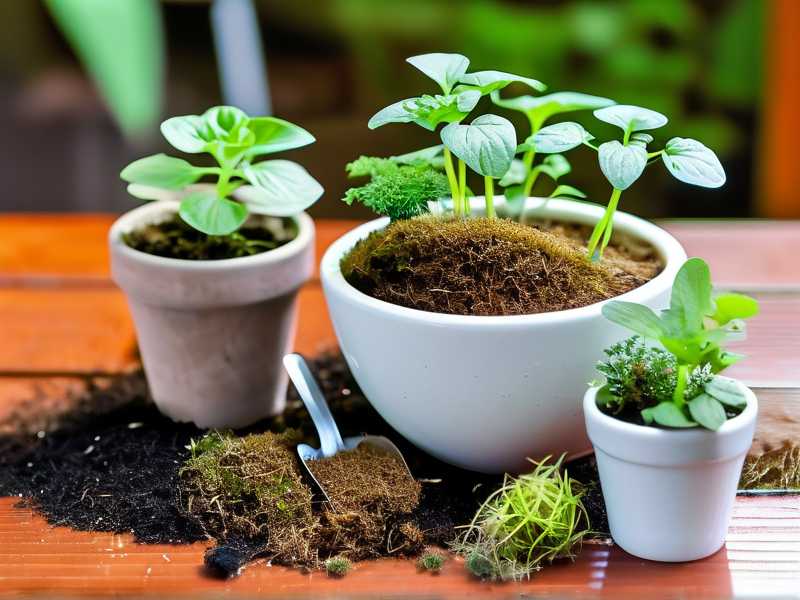
Here's what happens with dense soil. Water pools around the roots. Roots can't breathe. Then rot sets in, usually from the bottom up, and by the time you notice, it's often too late.
So the goal isn't just "well-draining soil." It's soil that stays airy even after you water it thoroughly. That's what porosity really means.
The Gritty Mix I Actually Use (And Why It Works)
After a lot of trial and error, this is the ratio I keep coming back to:
- 2 parts commercial succulent mix
- 1 part perlite
- 1 part coarse horticultural grit or pumice
That gives you roughly 50% organic material and 50% inorganic drainage material. Some growers go even grittier — up to 70% inorganic — especially for desert types.
I tried a 50/50 mix of just potting soil and perlite once. It was better than straight potting soil, but still too moisture-retentive for my jade plant. Adding grit made the difference.
What Each Ingredient Does
Perlite is those little white puffs. It's volcanic glass that's been heated until it pops. It lightens the mix and creates air pockets.
Pumice is heavier and doesn't float to the surface the way perlite sometimes does. I prefer it for top-heavy plants because it adds weight and stability.
Coarse grit — sometimes sold as "horticultural grit" or "chicken grit" — gives structure. It keeps the mix from collapsing into a dense brick over time.
Pine bark fines can work as part of the organic portion, but only in small amounts. Too much and you're back to soggy soil.
A quick note: don't use sand from the hardware store. Fine sand actually makes soil denser, not looser. I made that mistake early on and couldn't figure out why my mix felt like concrete.
My 2-Week Test: Watching the Difference
I ran a simple side-by-side test earlier this year. Two identical echeverias, same pot size, same window, same watering schedule.
Plant A went into straight bagged succulent mix. Plant B went into my gritty mix from above.
Day 1: Both watered thoroughly. Plant A's soil stayed visibly dark and damp for three days. Plant B's surface was dry within about 36 hours.
Day 7: Plant A's lower leaves started feeling slightly soft and translucent. Plant B looked unchanged.
Day 14: Plant A had one mushy leaf at the base. I pulled it off and found the stem was already discolored underneath. Plant B was pushing out a tiny new leaf at the center.
That's when it clicked for me. It wasn't about watering less. It was about the soil letting the roots breathe between waterings.
The Three Beginner Mistakes I See Over and Over
I've made all of these, so no judgment here.
Mistake 1: Overwatering. This is the big one. People water on a schedule instead of checking the soil. If the top inch is still damp, wait. During winter, I water some of my succulents once a month or less.
Mistake 2: Wrong light. Succulents that don't get enough light grow stretched and pale — growers call it etiolation. Then people water more to "fix" it, which makes everything worse. Bright, indirect light works for most; full sun for desert types once they're acclimated.
Mistake 3: Wrong pot. A pot without drainage holes is a death sentence. I don't care how pretty it is. Also, a pot that's way too big holds way too much moisture around roots that can't use it all. Go slightly snug.
Picking the Right Pot and Repotting at the Right Time
Terracotta is my go-to for most succulents. It wicks moisture through the walls and dries out faster than glazed ceramic or plastic. That's a good thing.
If you love a glazed pot, just make sure it has a drainage hole and use an even grittier mix to compensate. I line the bottom with a small piece of mesh screen to keep soil from washing out — not gravel. The gravel layer myth has been debunked; it actually raises the water table inside the pot.
Repot every 18 to 24 months, or sooner if the soil has broken down and feels compacted. Spring is ideal. I gently knock off old soil, check for root rot, snip any brown mushy roots with clean scissors, and let the plant sit bare-root for a day before repotting. That callus time prevents infection.
Watering: The Part Everyone Overthinks
Here's my rule. Stick your finger or a wooden skewer into the soil. If it comes out clean and dry, water. If there's any moisture, wait.
When you do water, water thoroughly until it runs out the drainage hole. Then don't water again until the soil is completely dry. That wet-dry cycle is what keeps roots healthy.
During growing season — spring and summer — that might mean every 7 to 10 days for outdoor plants in hot climates. Indoors, every 2 to 3 weeks. In winter, maybe once every 4 to 6 weeks. It depends on your home's humidity and temperature, so the skewer test beats any calendar.
Fertilizing Without Making Things Worse
Succulents aren't heavy feeders. I use a diluted liquid fertilizer — about half or quarter strength — once in spring and once in mid-summer. That's it.
Don't fertilize in winter. Don't fertilize a plant that's already stressed or rotting. And don't fertilize dry soil; water first, then feed lightly. The AHS recommends avoiding high-nitrogen formulas for succulents because they encourage soft, weak growth that's more prone to rot.
I killed a haworthia once by fertilizing it monthly at full strength. The leaves turned pale and mushy within three weeks. Lesson learned.
Seasonal Care, Because Succulents Don't Read the Same Calendar
Spring
This is wake-up time. I start watering a bit more frequently. I repot anything that needs it. I check for pests that hid over winter. If I want to propagate, spring is when I take leaf cuttings and offsets.
Light increases naturally, but if a plant was in a dim spot all winter, move it to brighter conditions gradually. A sudden jump to full sun can scorch leaves.
Summer
Watch for heat stress. Even sun-loving succulents can burn in a afternoon sun if they're not used to it. I use a 30% shade cloth over my outdoor shelf during July and August.
Water in the morning so excess moisture evaporates before evening. Good airflow matters more than most people realize — a small clip-on fan indoors can prevent fungal issues.
Check for mealybugs and spider mites, which thrive in warm, dry conditions.
Fall
Growth slows. I cut back on fertilizer and start stretching out watering intervals. I clean up dead leaves around the base to remove hiding spots for pests. If nights are getting cold, I bring tender succulents inside before the first frost.
This is also a good time to assess which plants need repotting next spring. I make a list so I don't forget.
Winter
This is where most indoor succulents die, honestly. Low light plus cool temps plus the urge to water equals rot.
I stop fertilizing entirely. I water very sparingly — maybe once a month for most, and only if the leaves start looking slightly wrinkled. I keep them near the brightest window I have, and I don't worry if growth stalls. Dormancy is normal.
If your home gets below 50°F at night, move plants away from windowsills. Cold plus wet soil is a fast track to rot.
Common Problems and What I Do About Them
Yellow, translucent leaves: Usually overwatering. Stop watering, check the stem for rot, and repot into fresh gritty mix if needed.
Brown, crispy leaf tips: Often underwatering or too much direct sun. Adjust accordingly.
Stretched, pale growth: Not enough light. Move gradually to a brighter spot.
White fuzz on leaves or soil: Mealybugs. I dab them with a cotton swab dipped in rubbing alcohol, then treat the whole plant with neem oil.
Fungus gnats: Usually a sign of consistently wet soil. Let things dry out and consider bottom-watering.
Soft, dark stem at the base: Root rot. Cut above the rot, let the cutting callus, and re-root in dry gritty mix.
Frequently Asked Questions
Can I just buy a bagged mix and use it straight?
You can, but I don't recommend it for most succulents. Most commercial mixes are designed to hold moisture for general houseplants. Adding perlite and grit takes two minutes and makes a huge difference.
How often should I actually repot?
Every 18 to 24 months for most. If the soil has compacted or the plant has outgrown the pot, do it sooner. Spring is the safest window.
Is perlite dust dangerous?
The dust isn't great to breathe, so I wet it slightly before mixing and wear a mask if I'm doing a big batch. Once it's in the soil, it's fine.
Final Thoughts
Making succulent soil more porous isn't complicated, but it matters more than almost anything else you do. Get the mix right, use a pot with drainage, water only when dry, and your plants will forgive most other mistakes.
I wish someone had told me this before I drowned four plants in "succulent soil" that wasn't gritty enough. Now you know, so go mix up a batch and give your succulents the airy home they actually want.