bluename
 How to Care for Haworthia Fasciata: My Two-Week Rescue and Revival Guide
I almost killed my first Haworthia fasciata. I brought home that beautiful, stripey succulent, thinking it was as tough as my other cacti. I placed it in direct sun and gave it a weekly watering with enthusiasm. Within a month, it was a mushy, discolored shadow of its former self. That failure sparked my journey. Now, after years of nurturing these resilient gems, I want to share a clear, tested guide on how to care for Haworthia fasciata. This isn't just theory; it's the exact two-week protocol I used to save my latest "zebra plant" from the brink, documenting every step and its effect.
My goal is to solve your core fear: the slow, confusing decline of a plant you love. Why are the leaves turning brown? Why is it getting squishy or stretching out weirdly? I've been there. Let's fix it together.
Understanding Your Zebra Plant: It’s Not a Typical Succulent
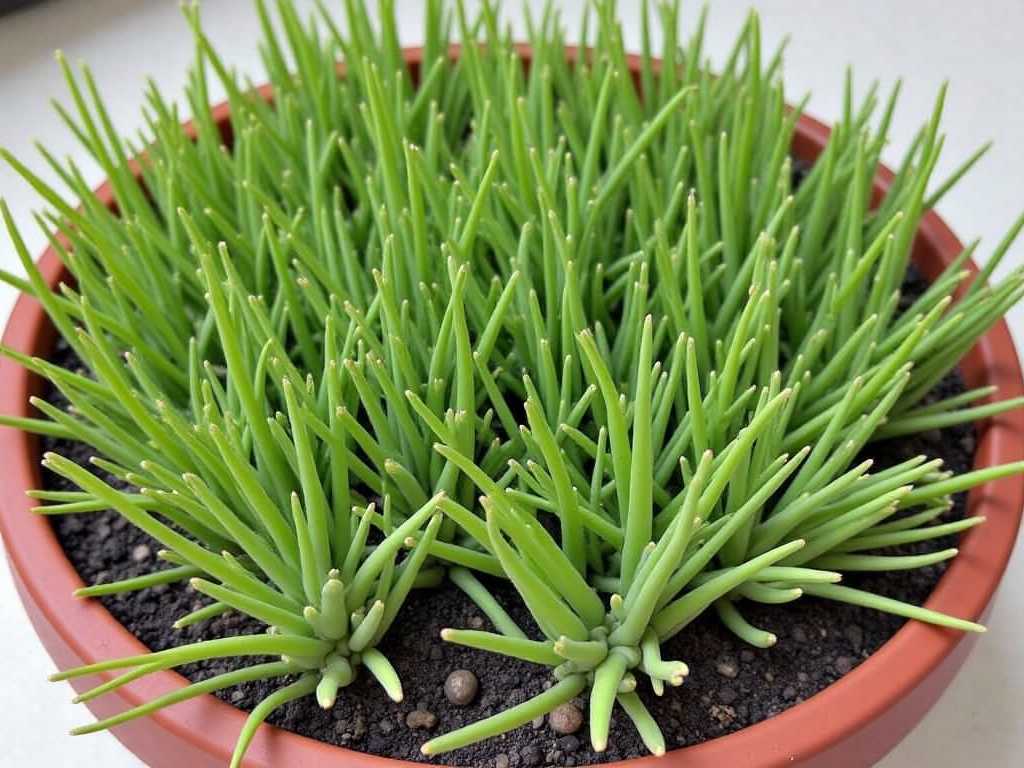
Before we dive into the rescue plan, know this: Haworthia fasciata care differs slightly from caring for an Echeveria or Aloe. According to the Royal Horticultural Society (RHS), Haworthias are primarily native to shaded rock crevices in South Africa. This means they are adapted to bright, indirect light—not the harsh, full desert sun. They store water in their thick leaves but have a relatively compact root system that hates soggy conditions. This foundational understanding changed everything for me.
The Two-Week Rescue & Observation Plan: A Step-by-Step Diary
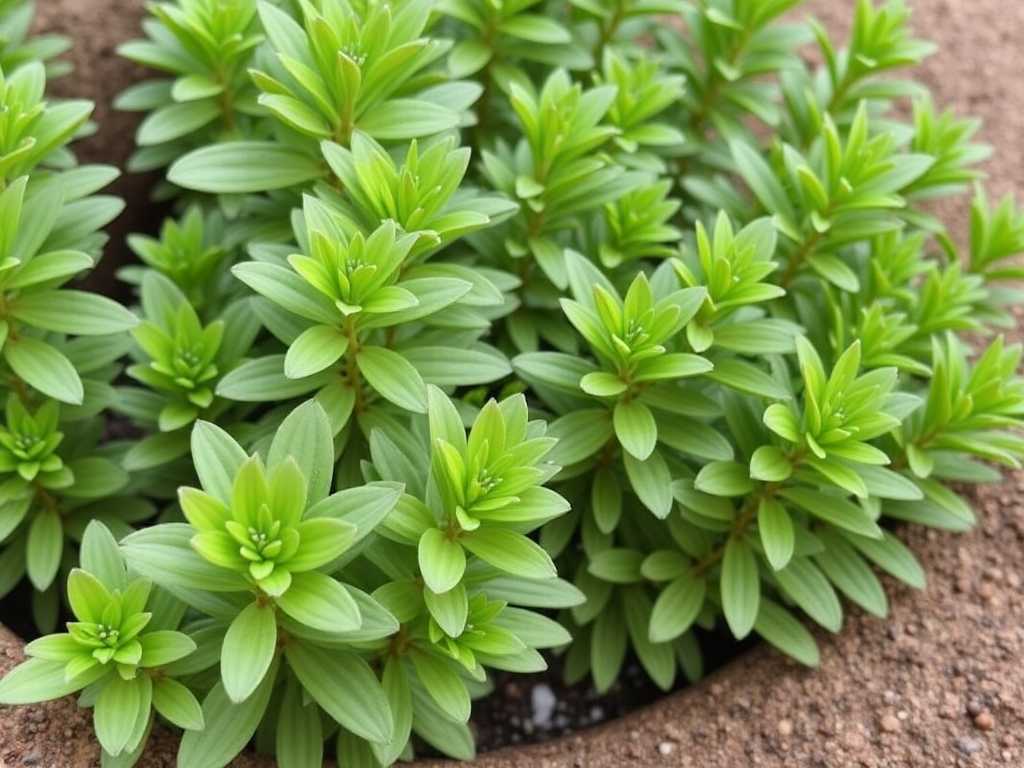
This plan assumes your plant is showing signs of stress: perhaps overwatered, etiolated (stretched), or simply languishing. I started this with a plant that had pale, slightly soft lower leaves and hadn't grown in months.
Week 1: The Assessment and Intervention Phase
Day 1-2: The Critical Repotting (If Needed) My plant was in a generic, moisture-retentive potting mix. This was problem number one. The American Horticultural Society (AHS) emphasizes the need for exceptional drainage for succulents. Here’s what I did:
- I gently removed the plant from its pot, shaking off all the old, damp soil from the roots.
- I inspected the roots. They were mostly white and firm—a good sign—but a few were starting to feel a bit soft. I used sterile scissors to trim these away.
- I prepared a new, terracotta pot (excellent for wicking away moisture) that was only slightly larger than the root ball. The key is a snug fit to prevent excess wet soil.
- I used a commercial cactus & succulent mix, but I amended it further by mixing in 50% extra perlite for maximum drainage. This creates the gritty, fast-drying environment Haworthia fasciata roots crave.
- I repotted, ensuring the base of the leaves was just above the soil line, and did not water. This is crucial. The roots need time to heal from any micro-tears before being introduced to moisture.
The Immediate Effect: The plant looked a bit unsettled, as they do after repotting. The pale leaves were still pale. But I knew the foundation for health was now in place.
Day 3-5: The Right Light Reset My plant was on a south-facing windowsill. Too harsh. I moved it to a bright east-facing window where it receives gentle morning sun for about 2-3 hours, followed by bright, indirect light for the rest of the day. A north-facing window can also work well.
Observation: By Day 5, I noticed no further paling or reddening (a sign of sun stress). The plant seemed to be "resting" in its new spot. This was a positive sign of stabilization.
Day 6-7: The First Strategic Watering After a full week with dry roots, it was time for a careful drink. I used the "soak and dry" method, which is non-negotiable for proper zebra plant care.
- I took the pot to the sink.
- I watered thoroughly until water ran freely out of the drainage hole, ensuring the entire root ball was saturated.
- I let it drain completely for 15 minutes before returning it to its bright spot. I did not water on a schedule. I would now wait until the soil was completely dry, which I would check by feeling the weight of the pot or using a wooden skewer.
Observation: Within 48 hours, a miracle. The previously slightly soft, pale leaves began to plump up and regain a firmer texture. The deep green color became more vibrant against the white stripes. This was the plant rehydrating efficiently from its roots upward—proof the roots were healthy and the watering method worked.
Week 2: The Stabilization and Growth Watch
Day 8-14: Observation and Patience The second week was about monitoring and resisting the urge to "do more." I checked the plant daily but only interacted with it to rotate it a quarter turn for even growth.
- Moisture Check: By Day 10, the pot felt significantly lighter. The soil was dry two inches down. I did not water. I waited.
- Light Check: The leaves remained turgid and color-rich. No stretching toward the light (etiolation), confirming the indirect light was sufficient.
- Growth Signs: By the end of Week 2, I spotted the very tiniest hint of new growth at the very center of the rosette—a fresh, bright green nub. This was the ultimate sign of success. The plant was not just surviving; it had recovered enough energy to begin growing again.
The Common Pitfalls I’ve Fallen Into (And How to Avoid Them)
Pitfall 1: The Death by Kindness (Overwatering) This is the #1 killer. My first plant died because I loved it with too much water. The solution is radical: ignore the calendar. Water only when the soil is 100% dry, and then water deeply. In winter, this might mean watering only once a month or less.
Pitfall 2: Sunburn Scars I’ve given my Haworthias crispy brown tips by leaving them in hot afternoon sun. The bleached, reddish color is a distress signal. The fix is simple: relocate to a bright but shielded location. Filtered light is your friend. The damage won’t heal, but new growth will be healthy.
Pitfall 3: The Stretching Problem (Etiolation) If your striped succulent starts growing tall and leggy with wide gaps between leaves, it’s begging for more light. It’s not a death sentence. Gradually move it to a brighter location (but not direct harsh sun). The new growth will be compact, but the stretched part won’t shrink back. You can eventually behead and propagate it if desired.
Pitfall 4: Wrong Soil, Slow Death Regular potting soil suffocates the roots. My rescue repot with a gritty, airy mix is the permanent fix. This single change prevents most overwatering issues before they start.
Feeding and Long-Term Happiness
During my two-week rescue, I did not fertilize. A stressed plant doesn't need extra nutrients. For long-term Haworthia fasciata maintenance, I feed only during the active growing seasons (spring and summer). I use a balanced, water-soluble fertilizer diluted to half-strength, and I apply it only once at the beginning of the season, right after a watering. Less is more.
Frequently Asked Questions
Can my Haworthia fasciata survive in low light? It will survive for a while, but it will likely etiolate, stretching out and losing its compact shape. For the iconic tight rosette and bold stripes, bright, indirect light is non-negotiable. A good indoor succulent care tip is to use a grow light if your natural light is insufficient.
How do I know when it absolutely needs water? The leaves are your best gauge. A well-watered Haworthia has plump, firm leaves. When it’s thirsty, the leaves will start to feel slightly less firm and may even thin or wrinkle slightly at the sides. When in doubt, wait a few more days. It’s always safer underwater.
Why are the tips of my leaves turning brown or dry? This is usually due to either sunburn (if the brown is crispy and localized) or, more commonly, mineral buildup from tap water. The solution is to use filtered, distilled, or rainwater for watering, and to flush the soil thoroughly once or twice a year by letting water run through the pot for several minutes.
Caring for a Haworthia fasciata is a lesson in restraint and observation. It thrives on benign neglect within the right conditions. My two-week journey from a pale, struggling plant to one showing new growth hinged on three actions: repotting into gritty soil, providing bright indirect light, and mastering the soak-and-dry watering method. Watch your plant more than you touch it, and it will reward you with years of striking, architectural beauty.