bluename
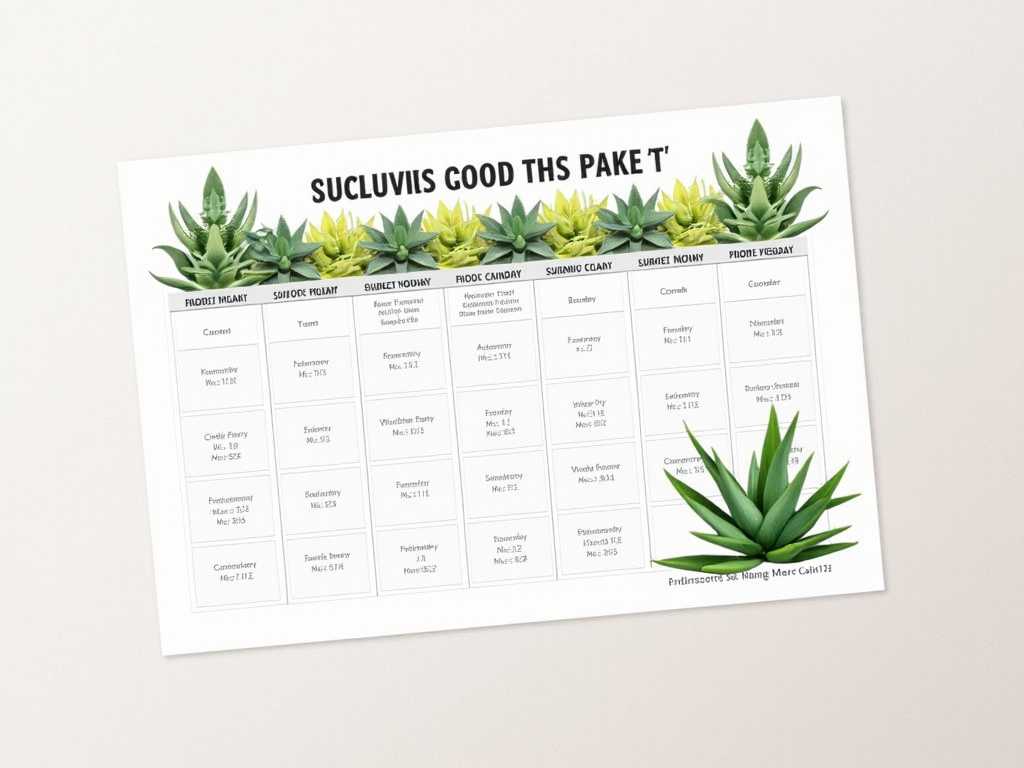
 Your Ultimate Succulent & Indoor Plant Care Calendar: A 2-Week Journey to Healthier Plants
I used to think my plants were surviving just fine. Then, one winter, I lost a beloved jade plant to root rot, and a prized snake plant developed soft, yellowing leaves. I was watering on a strict weekly schedule, convinced I was doing everything right. The problem? I was treating all my plants the same, ignoring the silent language of the seasons and their individual needs. That’s when I committed to creating and following a true Succulent & Indoor Plant Care Calendar. Not a generic one-size-fits-all list, but a living, breathing guide tailored to my home’s environment. For the next two weeks, I documented every step, observation, and mistake. Here’s exactly what happened.
Why a Seasonal Care Calendar is Non-Negotiable
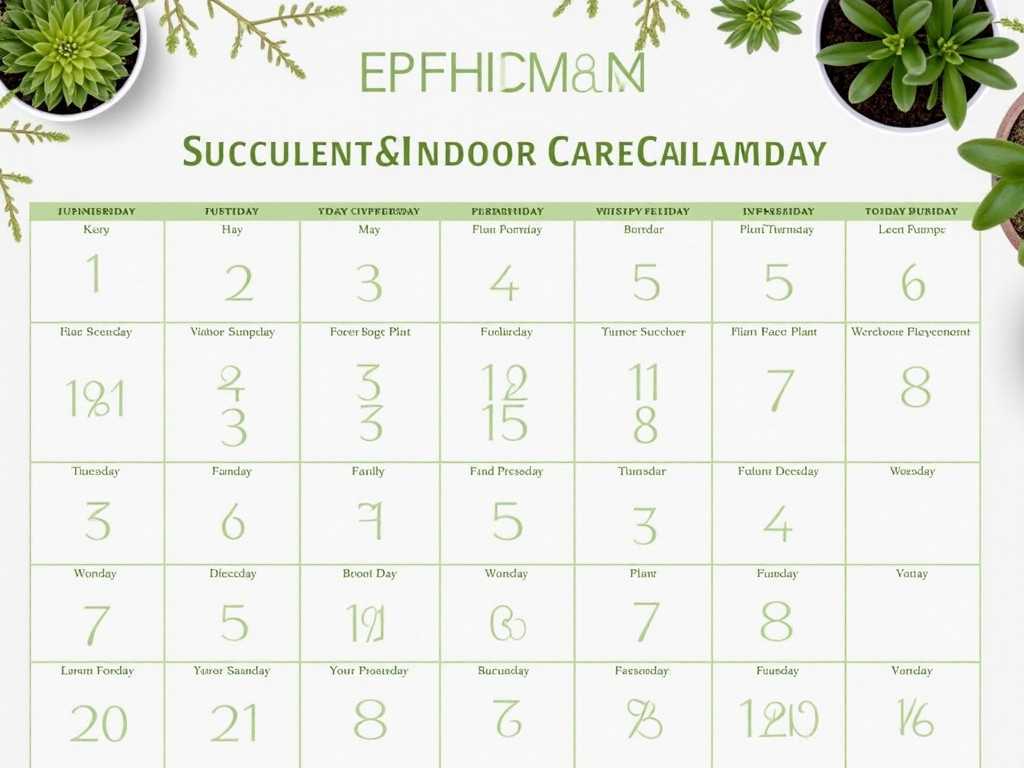
Plants don’t have calendars, but they are exquisitely tuned to seasonal shifts in light, temperature, and humidity. The Royal Horticultural Society (RHS) emphasizes that aligning care with these natural rhythms is the single most effective way to promote robust growth and prevent stress. My old method of “water every Saturday” failed because it didn’t account for my home’s dry winter air or the reduced light levels. A proper indoor plant maintenance schedule isn’t about rigidity; it’s about informed, responsive care.
My 2-Week Deep Dive: Implementing the Calendar
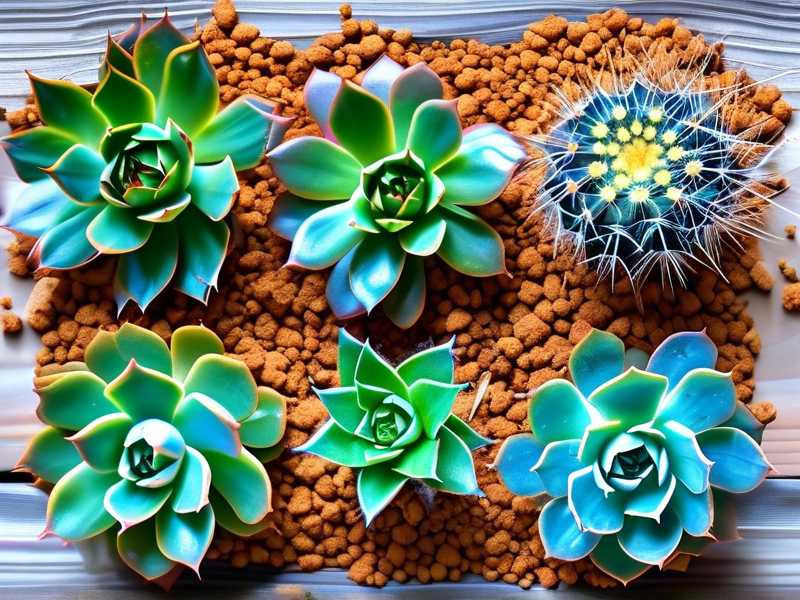
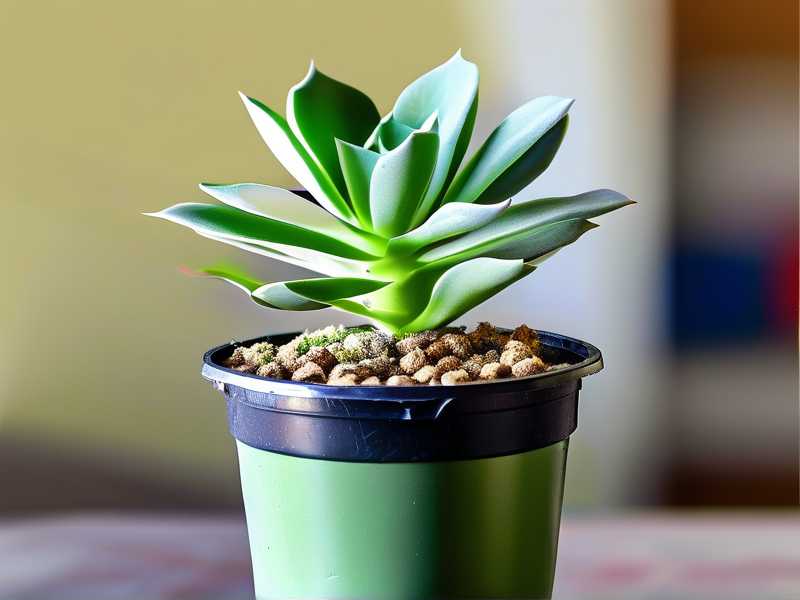
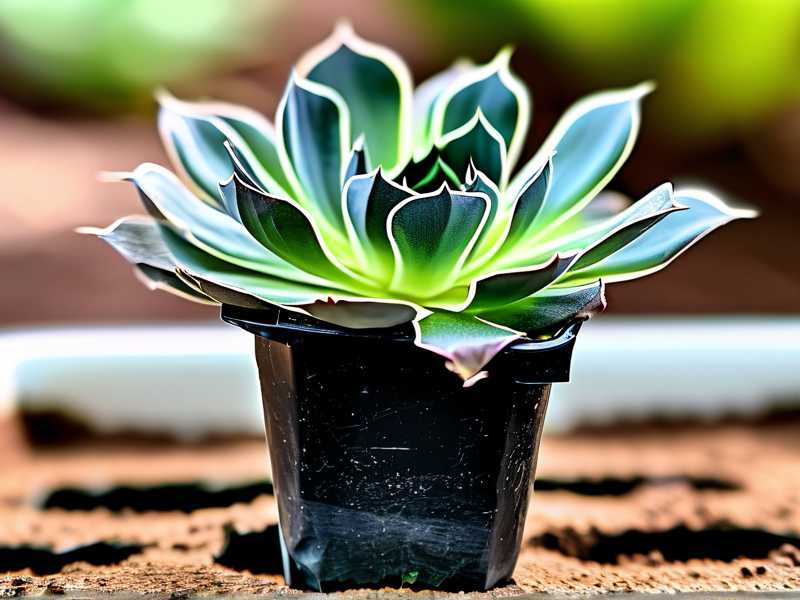
I chose late winter for this experiment—a tricky transitional period for many houseplants. My test subjects: a moisture-loving Boston fern, a drought-tolerant echeveria succulent, and a versatile pothos. I cleared a dedicated notebook and prepared to observe, not just do.
Week 1: Assessment & Baseline Adjustment
My first step was environmental audit. I bought a simple hygrometer and light meter. The data was revealing: the humidity near my fern was a mere 30%, and the succulent on my south-facing windowsill was getting only 4 hours of direct sun, not the 6+ it craved.
- Step 1: Light Mapping & Rotation. I created a simple light map of my home. High-light zones (south windows) were designated for the echeveria and other succulents. Medium-light areas (east-facing) became home to the pothos and snake plants. The fern, needing bright indirect light, was moved away from the hot window but into a brighter room. I instituted a “quarter-turn” rule every time I watered to ensure even growth.
- Step 2: The Finger-Test Revolution. I abandoned the weekly schedule. Instead, for every plant, I performed the finger test. For the succulent, I waited until the soil was completely dry, even an inch down. For the pothos, I watered when the top 50% of soil felt dry. For the fern, I kept the soil consistently lightly moist. This simple tactile check became the cornerstone of my watering schedule for succulents and houseplants.
- Step 3: Humidity Hacks. To address the low humidity, I placed the fern on a pebble tray filled with water. I also grouped it with my pothos and a peace lily, creating a beneficial microclimate through collective transpiration, a tip supported by many horticultural societies.
The First Week’s Observations: The fern, within just three days, showed a dramatic reduction in the crispy, brown tips that had plagued it. The new fronds unfurling looked healthier. The echeveria’s lower leaves, which had been slightly wrinkled, plumped up after a deep, thorough watering following the dry soil check. The pothos showed no dramatic change, which, for a pothos, is often a sign of contentment.
Week 2: Refinement and The “Pitfall”
Confident after Week 1, I almost made a classic error. A friend visited and commented on my “thirsty” succulent—its soil was bone dry. I had to explain my succulent care routine was based on the plant’s signals, not the soil’s surface appearance. The pitfall? External pressure to revert to old habits.
- The Mistake: Overzealous “Care.” Midway through Week 2, I noticed a few dust particles on the echeveria’s farina (its powdery protective coating). In an attempt to “clean” it, I gently wiped a leaf with a damp cloth. I immediately damaged the delicate farina, leaving a permanent smudge. This was a harsh lesson in “if it ain’t broke, don’t fix it.” Succulents often prefer a light brushing with a soft, dry paintbrush.
- The Solution: Patience and Observation. Instead of intervening, I focused on observation. I started a simple log: “Day 10: Fern, new frond 2cm longer. Echeveria, center tight and green. Pothos, one new leaf unfurling.” This log wasn’t just record-keeping; it trained me to see subtle signs of health. I also researched and learned that the American Horticultural Society (AHS) advises against misting most succulents and fuzzy-leaved plants, as it can promote fungal diseases—a practice I had been guilty of with my African violets.
The Two-Week Verdict: The transformation wasn’t about explosive growth (it was still winter), but about vital signs of improved health. The fern was visibly happier. The succulent’s form was tighter, showing it was getting appropriate light and water. My overall houseplant care routine felt less like a chore and more like a mindful dialogue. I was responding, not dictating.
Building Your Adaptive Monthly Care Guide
Based on my two-week reset, here’s the adaptable framework I now follow:
- Spring (Growth Resumes): Increase watering frequency gradually as days lengthen. Begin fertilizing at half-strength every 4-6 weeks. This is the prime time for repotting root-bound plants. Start monitoring for early signs of pests like aphids.
- Summer (Peak Growth): Watering may be most frequent. Shield sensitive plants from harsh afternoon sun. Maintain fertilizer schedule. Ensure good air circulation to deter pests and mildew.
- Fall (Growth Slows): Begin to reduce watering as growth decelerates. Stop fertilizing by mid-fall for most plants. Start moving frost-sensitive plants away from cold windows. This is a key phase in the indoor plant maintenance schedule to prepare for dormancy.
- Winter (Dormancy/Rest): Water sparingly—this is the most critical rule. Let soils dry out more thoroughly. Hold all fertilizer. Maximize light by cleaning windows and moving plants closer to light sources. Group plants for humidity.
Your Questions, Answered
Can I really use the same calendar for succulents and tropical plants? Yes, but as a framework, not a prescription. The calendar dictates the seasonal shifts in your approach. The implementation—like how much to water—is plant-specific. My echeveria and fern share the same “winter = less water” rule, but “less” means something radically different for each. The calendar guides the when and why, your plant knowledge determines the how much.
What’s the one tool I need to start? Your finger. A moisture meter is helpful, but nothing beats the tactile feedback of the finger test. It’s free, immediate, and connects you directly to your plant’s environment. My second recommendation is a simple journal. Tracking what you do and see is the fastest path to learning your plant’s unique language.
I killed a plant by overwatering. How do I trust myself again? Start with a resilient plant like a snake plant or pothos and commit to the “underwater first” policy. It’s almost always easier to revive a slightly thirsty plant than one with root rot. Let the soil dry out completely between waterings for a month. When you see the plant continues to thrive (or even puts out new growth), you’ll rebuild confidence. My jade plant’s demise taught me more than a dozen successes ever could.
Creating and following a personalized Succulent & Indoor Plant Care Calendar transformed my plant care from a guessing game into a rewarding practice. It’s not about perfection; it’s about paying closer attention. Those two weeks taught me to read the subtle cues—the slight firmness of a succulent leaf, the angle of a fern frond reaching for light. By syncing my routine with the natural world outside my window, I’ve built a greener, more resilient indoor jungle that thrives not in spite of the seasons, but because of them.