bluename
 How to Care for Echeveria 'Blue Echeveria': A Grower's Real-World Guide
I remember the day I brought my first Echeveria 'Blue Echeveria' home. Its perfect, powdery rosette looked almost unreal, like a sculpture. But within weeks, that stunning blue hue began to fade, and the lower leaves turned soft and yellow. I was heartbroken. If you've ever felt the frustration of watching a succulent struggle despite your best efforts, you're not alone. The 'Blue Echeveria', while resilient, has specific needs that, when unmet, lead to common disappointments: etiolation (stretching), rot, and loss of its signature color. Through trial, error, and two weeks of meticulous observation, I've cracked the code. Here’s my hands-on, step-by-step guide to not just keeping your Blue Echeveria alive, but helping it thrive.
Understanding Your Blue Echeveria's Core Needs
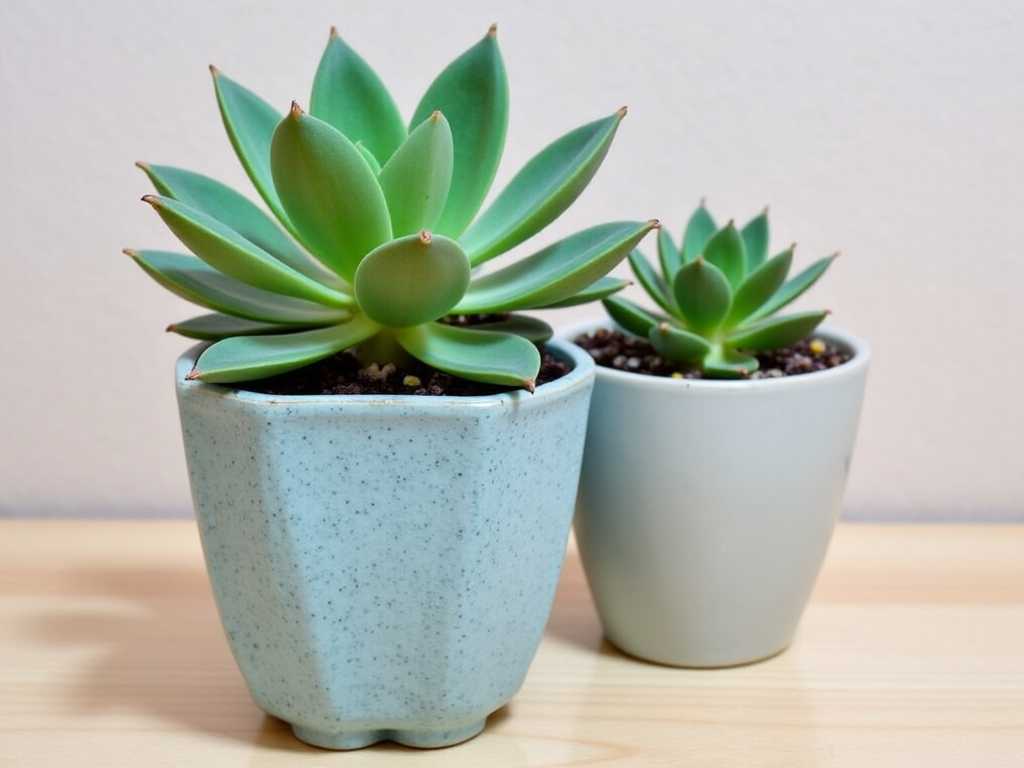
Before we dive into the daily care, it's crucial to think like the plant. Native to semi-desert regions, this succulent is built for bright light, infrequent but deep watering, and excellent drainage. The Royal Horticultural Society (RHS) categorizes Echeverias as plants that require "full sun and sharply drained soil." This isn't just a suggestion; it's the foundation of their survival. Ignoring these principles is where most problems begin.
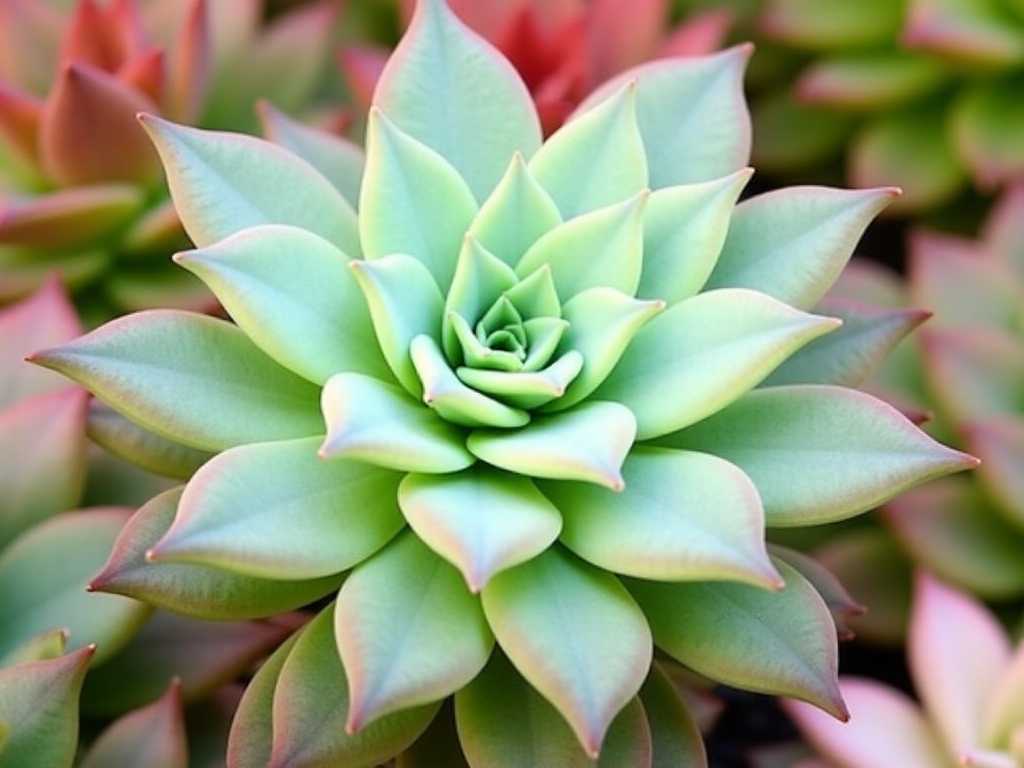
My Two-Week Rescue & Optimization Plan
I applied this plan to a slightly stressed 'Blue Echeveria' I purchased from a big-box store. Here’s exactly what I did and what happened.
Week 1: Assessment and Corrective Action
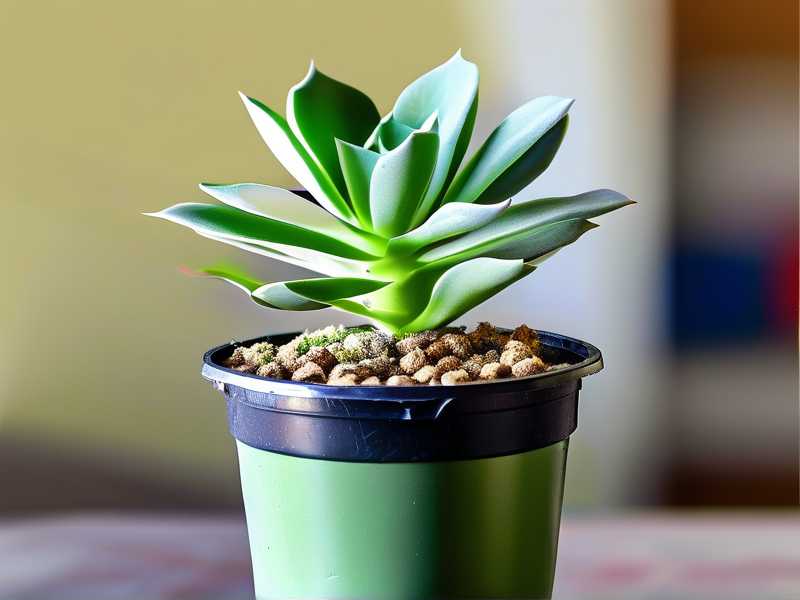
Day 1-2: The Repotting Ritual The plant was in a generic, moisture-retentive potting mix. This was my first priority. I gathered a terracotta pot (one size up, with a large drainage hole), a commercial cactus & succulent mix, and perlite for extra grit.
- My Steps: I gently removed the plant, brushing away the old soil from the roots. I inspected the roots—they were white and healthy, thankfully. I mixed two parts succulent soil with one part perlite. After placing a piece of mesh over the drainage hole, I filled the pot one-third full, set the plant in, and backfilled with my mix, ensuring the stem wasn't buried deeper than before.
- The "Aha!" Moment: The old soil was still damp at the core, a silent threat. Repotting into a fast-draining medium was the single most important step I took.
Day 3-5: The Perfect Spot and Initial Watering Finding the right light is critical for maintaining the compact form and blue color of Echeveria. I chose a south-facing windowsill that receives at least 6 hours of direct sunlight.
- My Steps: After letting the plant settle from repotting for two days, I gave it a thorough, deep watering. I placed it in the sink and watered until it flowed freely from the bottom. I then returned it to its sunny spot. I did not water again.
- Observation: The plant seemed perkier within 24 hours. The farina (that powdery coating) was intact, and I noticed the very center of the rosette had a slight, healthy pink tinge from the sun exposure.
Day 6-7: Observation Mode I resisted the urge to fuss. My only job was to observe and rotate the pot a quarter turn to ensure even growth.
- The First Pitfall & Solution: I noticed one lower leaf starting to wrinkle slightly. My instinct was to water, but I held back. According to the Arizona Horticultural Society (AHS), "Wrinkled leaves on succulents can be a sign of thirst, but they can also be a normal part of older leaf absorption." Since the top leaves were firm and plump, I diagnosed this as normal senescence. The plant was redirecting energy to new root growth. I left it alone.
Week 2: Establishing Rhythm and Seeing Results
Day 8-10: The Soil Dryness Test By day 8, the soil was completely bone-dry to the bottom (I checked with a wooden skewer). The wrinkled lower leaf had fully dried up.
- My Steps: I performed the "soak and dry" method again, giving it another thorough watering in the sink in the morning. This allows any moisture on the leaves to evaporate during the day, preventing rot.
- Observation: The plant's posture improved even more. The rosette felt dense and firm to the touch. The blue color appeared more intense, especially on the new growth in the center.
Day 11-14: Monitoring Health and Color The focus now was on long-term signs of health.
- Observation: No new leaves showed signs of stretching or etiolation. The growth remained tight and compact. The blue echeveria succulent was clearly responding to the consistent, bright light. The single dried leaf was easily removed with a gentle tug, leaving a clean stem.
- The Second Pitfall & Solution: I saw tiny, web-like strands between some leaves—early signs of spider mites! I immediately isolated the plant. My solution was a gentle but effective spray: a mixture of 1 part 70% isopropyl alcohol to 3 parts water, applied with a soft brush to the crevices. After 48 hours and a repeat treatment, the mites were gone. This underscored the importance of weekly close inspection, especially in dry indoor air.
Your Ongoing Care Blueprint
Based on my two-week experiment, here is your sustainable care routine.
Light: The Non-Negotiable for Blue Hue Your Blue Echeveria needs direct sunlight. A south or west window is ideal. If leaves start flattening out or the stem elongates, it's begging for more light. During summer, consider acclimating it to a sheltered outdoor spot. Grow lights are an excellent alternative; I use a full-spectrum LED panel for 12 hours a day during dark winters.
Watering: The Art of Neglect This is where most people fail. How to water Blue Echeveria is simple: only when the soil is 100% dry. Stick your finger or a chopstick deep into the pot. If it's dry, water deeply until it runs out the bottom. Then, forget about it. In winter, I sometimes go 4-6 weeks between waterings. Overwatering is a sure path to root rot.
Soil and Pot: Building the Right Foundation Use a gritty, well-draining mix. My 2:1 soil-to-perlite blend is a minimum. Many experts recommend even grittier mixes. Always use a pot with a drainage hole. Terracotta is ideal as it "breathes," helping soil dry faster.
Feeding and Dormancy Fertilize sparingly. I use a diluted, balanced liquid fertilizer (half-strength) only once in early spring and once in mid-summer. Remember, these plants have a dormant period in the peak of summer heat and sometimes in deep winter. Growth slows, so reduce watering further.
Common Questions I Get Asked
Why are the bottom leaves of my Blue Echeveria turning yellow and soft? This is almost always a sign of overwatering. The leaves are absorbing too much moisture and rotting. Stop watering immediately. Check the stem for black mushiness. If the stem is firm, remove the soggy leaves, let the plant dry out completely, and reassess your watering schedule. If the stem is soft, you may need to behead the plant to save it.
My plant is stretching and losing its compact shape. What do I do? This is etiolation, caused by insufficient light. The stem is stretching to find a sun source. Gradually introduce it to stronger light. The existing stretched growth won't revert, but the new growth will be compact. Once the plant is healthier, you can cut off the compact rosette and replant it.
How do I propagate my Blue Echeveria? The easiest method is leaf propagation. Gently twist a healthy, plump leaf from the stem. Let it callous over for 2-3 days. Then, place it on top of dry succulent soil. Mist the soil lightly every few days. In a few weeks, you'll see tiny roots and a rosette forming. Resist the urge to bury the leaf or water it heavily.
Caring for an Echeveria 'Blue Echeveria' is a lesson in restraint and observation. It thrives on bright light, infrequent but deep watering, and a well-draining home. By mimicking its natural, arid environment and paying close attention to its subtle signals—firm leaves, tight growth, and dry soil—you’ll be rewarded with a stunning, sculptural plant that showcases that mesmerizing blue color for years to come. The journey from a struggling succulent to a thriving one is deeply satisfying. Start with the basics, be patient, and enjoy the process.