bluename
 Best indoor plants for Succulent Lovers: My 2-Week Journey to a Thriving Collection
Let’s be honest. You’re here because you love succulents—their sculptural forms, their forgiving nature, their quiet beauty on a sunny sill. But maybe you’ve hit a wall. Your echeverias are stretching, your haworthias are looking dull, and you’re wondering what other low-maintenance, sculptural wonders can share their space. I was right there with you. As a long-time succulent enthusiast, my windowsills were packed, but I craved more variety without sacrificing the easy-care ethos I’d come to adore. That’s when I embarked on a mission to find the best indoor plants for succulent lovers—plants that share the same core needs but offer new textures, shapes, and joys. This isn’t just a list; it’s the story of my hands-on trial, the real results after two weeks of careful observation, and the honest mistakes I made along the way.
My goal was clear: integrate three new, succulent-compatible plants into my existing setup. I wanted diversity in height and form while strictly maintaining the “bright light, infrequent water” rule. After extensive research cross-referenced with guides from the Royal Horticultural Society (RHS) on drought-tolerant houseplants, I selected three champions: the Zebra Plant (Haworthiopsis limifolia), the Ponytail Palm (Beaucarnea recurvata), and a String of Pearls (Senecio rowleyanus). I’ll walk you through my exact process with each.
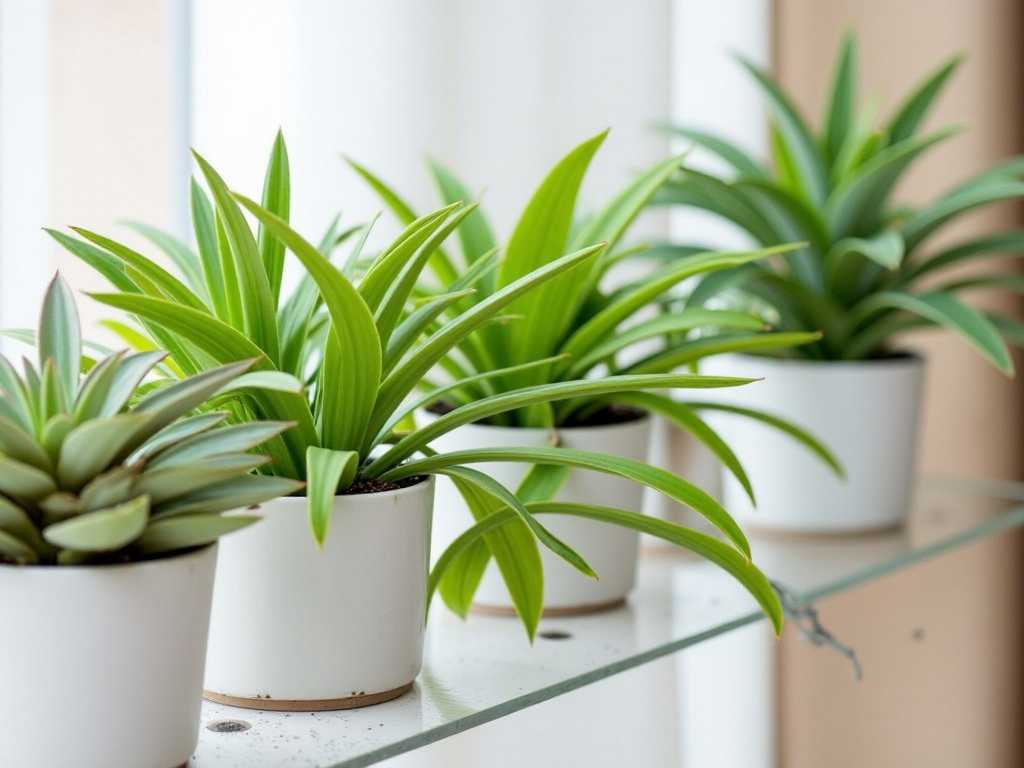
Week 1: Selection, Potting, and Initial Placement
I started at my local specialty nursery, armed with a checklist: drainage holes are non-negotiable, and the soil must be gritty. I found perfect specimens and brought them home for a quarantine period away from my other plants—a crucial step to prevent any unseen pests from spreading.
My Step-by-Step Setup Process:
- Potting Mix: I used my standard succulent blend: 2 parts potting soil, 1 part perlite, and 1 part coarse sand. The RHS emphasizes sharp drainage as the single most important factor for preventing rot, a principle that applies here.
- The Pots: I chose terracotta pots just one size larger than the nursery containers. Their porous nature helps soil dry evenly, a lesson I learned the hard way years ago with a rotted jade plant in glazed ceramic.
- Initial Watering: I gave each plant a thorough soak until water ran freely from the bottom. I did this in the sink and let them drain completely before placing them on saucers. This “deep but infrequent” watering technique is gospel for any succulent lover.
- Lighting Strategy: I placed all three on a large, south-east facing windowsill that gets about 6 hours of bright, indirect light. This is the same light my echeverias and aloes thrive in.
The Two-Week Observation Log: Triumphs and Troubles
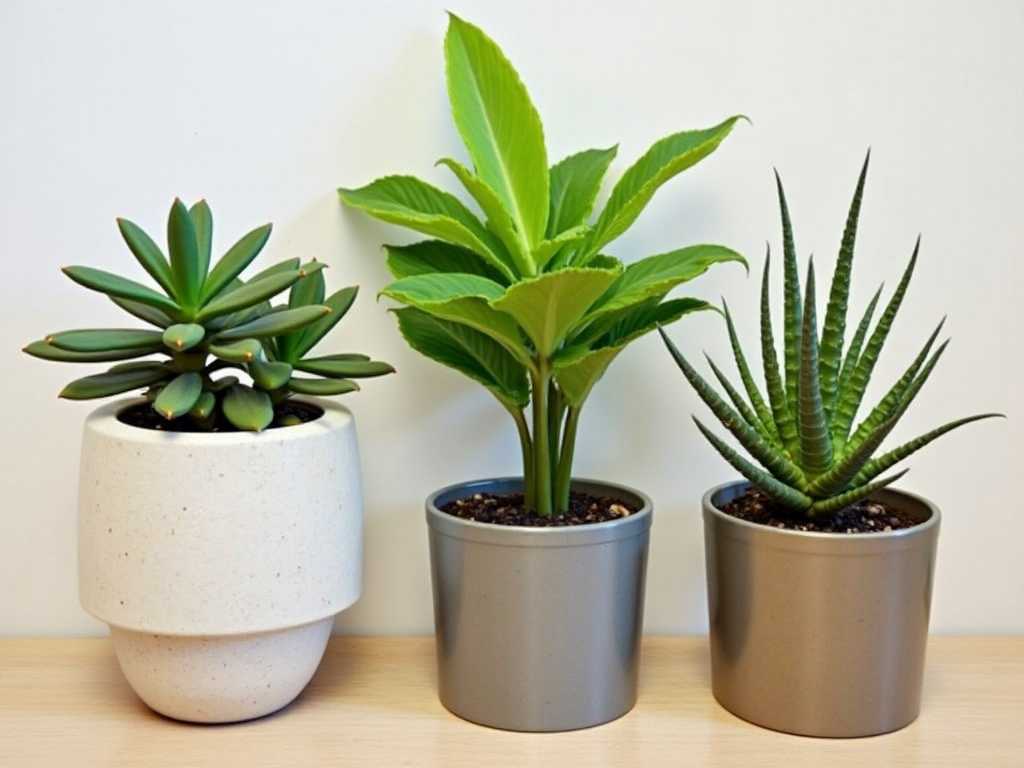
Here’s what happened, plant by plant, over the next fourteen days.
The Zebra Plant: A Study in Satisfying Texture
The Haworthiopsis limifolia, with its deep green, ridged leaves, was an instant favorite. It looked like a living sculpture.
- Days 1-3: It settled in without drama. No signs of stress.
- Days 4-7: I noticed the firm, plump leaves remained exactly as they were. The soil dried out within 5 days, matching the schedule of my other haworthias.
- Days 8-14: Here’s where I hit my first snag. A slight paling of the rich green color on one side. I realized that while the light was bright, this particular plant was slightly shaded by the rim of its new pot. It wasn’t getting even light.
- The Fix: I simply rotated the pot a quarter turn every other day. Within 3-4 days, the color began to re-deepen uniformly. This was a small but vital reminder: even light-loving plants need our attention to detail. By the end of Week 2, it had produced two tiny new leaves at its center—a sure sign of contentment.
The Ponytail Palm: Architectural Drama, Minimal Demand
This was my “statement piece.” Its bulbous, water-storing caudex and cascading, curly leaves are pure drama.
- Days 1-5: It was impressively stoic. The thick caudex felt firm, a good sign of ample water storage.
- Days 6-10: The long, leathery leaves felt dry to the touch at the very tips. My initial panic (“Am I under-watering?”) was tempered by advice from the American Horticultural Society’s (AHS) resources on xeric plants, which note that slight tip browning can be normal, especially in acclimating to new, drier indoor air.
- Days 11-14: I resisted the urge to water. The soil was still bone-dry an inch down, and the caudex remained rock-hard. The tip browning did not progress. Instead, I took a clean, damp cloth and gently wiped down the length of each leaf. The result was instantaneous—the plant looked fresher, and dust-free leaves can photosynthesize more efficiently. This simple act of grooming, not watering, was what it needed.
The String of Pearls: The Delicate Cascader
This was my riskiest choice. Their reputation for being finicky is well-known among indoor succulent enthusiasts.
- Days 1-4: It looked beautiful, its pearl-like beads plump and green. I placed it on a higher shelf on the same windowsill, allowing its trails to cascade.
- Days 5-7: The Big Mistake. I saw a few pearls near the soil surface looked slightly shriveled. Assuming it was thirsty, I gave it a small drink. This was my error—watering on a schedule (or panic) rather than condition.
- Days 8-10: The shriveling didn’t improve; it worsened, and the soil felt cool and damp. I had fallen into the classic trap of overwatering a sensitive succulent. I knew immediate action was needed.
- The Fix: I gently lifted the plant from its pot. The roots were still healthy, not mushy, but the soil was too wet. I carefully repotted it into an even grittier mix (adding extra perlite) and placed it directly in the brightest spot on the sill for maximum evaporation. I did not water it again.
- Days 11-14: The plant stabilized. The shriveling stopped, and the majority of the strands remained plump. Most importantly, I spotted several tiny new pearls forming at the ends of the trails—the ultimate sign of recovery and growth. This hardy indoor succulent alternative had taught me a humbling lesson in restraint.
Why These Plants Are Perfect for Your Succulent Sanctuary
After this intensive two-week trial, I can confidently say these three earned their spot. They thrive under the same core principles: abundant light, fantastic drainage, and benign neglect when it comes to the watering can. The Zebra Plant offers stunning, low-growing texture. The Ponytail Palm provides incredible architectural height and presence. The String of Pearls gives you that beautiful, trailing element. Together, they create a layered, visually interesting collection that feels cohesive and manageable.
Answers to Your Growing Questions
I have low light. Will any of these work? While all these plants prefer bright light, the Zebra Plant (Haworthiopsis) is the most tolerant of lower light conditions among them. It will grow more slowly and may lose some intensity in its stripes, but it can survive. For truly low light, a ZZ Plant or Snake Plant—often grouped with succulent-care plants—would be a better primary choice.
How often should I really water these? Throw away the calendar. The only reliable method is the “finger test.” Insert your finger into the soil up to the second knuckle. For all these plants, including the String of Pearls, water only when the soil is completely dry at that depth. For the Ponytail Palm, you can often wait until the soil is dry all the way through the pot.
The leaves on my String of Pearls are shriveling. Does it need more water or less? This is the trickiest question. Shriveling can mean thirst, but more often than not, especially for beginners, it’s a sign of root damage from overwatering. Before you water, check the soil moisture deeply. If it’s at all damp, do not water. Ensure it’s in the brightest possible spot and has excellent drainage. When in doubt, err on the side of underwatering.
Embarking on this two-week experiment reinforced why I love this hobby. It’s a practice in mindful observation, a lesson in patience, and a source of daily calm. By choosing companions that speak the same language as your succulents—the language of sun, grit, and occasional sips of water—you can build a diverse, resilient, and breathtaking indoor garden. Start with one new plant, apply these principles, watch closely, and enjoy the quiet reward of a new leaf unfurling.