 admin
adminThe Ultimate Care Guide for Mammillaria Cacti: My Hands-On Journey to Success
I’ve killed my fair share of cacti. There, I said it. For years, I struggled with the classic paradox: a plant famed for being indestructible would, under my care, slowly turn to mush or wither into a sad, wrinkled shadow. My breaking point was a charming littleMammillaria cactus, a gift that began to brown at the base just weeks after I got it. That failure sparked my mission. I decided to treat my next Mammillaria not as a decorative afterthought, but as a living project. This guide is the result of that hands-on experiment—two weeks of meticulous observation, adjustments, and finally, understanding what these spherical beauties truly need.
My Personal Mammillaria Care Blueprint
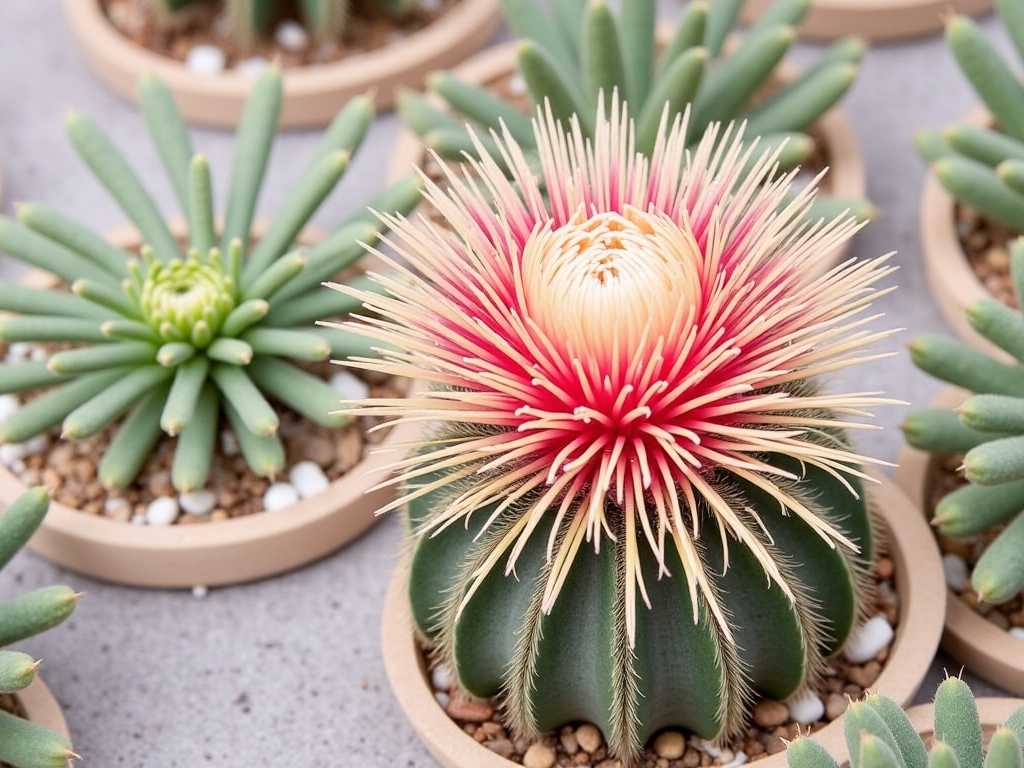
For this experiment, I chose a common but lovelyMammillaria gracilis, also known as the "thimble cactus." I set up a dedicated logbook to track every variable. The core of my approach revolved around three pillars: the perfect watering technique, the right light recipe, and a tailored soil mix.
Mastering the "Soak and Desert" Watering Method
Everything I read said "water sparingly," but what did thatmean? I learned that the biggest killer is a constant, slight moisture. My new rule: treat watering like a desert storm—infrequent but torrential.
My step-by-step process was this: First, I always checked the soil. I stuck my finger an inch deep into the pot; if there was any coolness or dampness, I waited. When it was completely dry, I took the entire plastic nursery pot and placed it in a sink. Then, I watered thoroughly from the top until water streamed freely out of the drainage holes. I let it sit in the runoff for about 10 minutes to ensure the root ball was fully saturated, then removed it to drain completely. This mimics a rare, deep desert rain.
The Two-Week Watering Observation
I started this regimen on Day 1. The cactus was slightly wrinkled. After the deep soak, I noted the plumpness of the stems. My logbook entry for Day 3 simply read: "No change. Soil surface already dry." Day 7: "Body looks firm. No wrinkles. Soil bone dry." I resisted the overwhelming urge to give it a "little sip." Day 14: "Still firm and even showing a tiny, bright pink new spine at the crown. Time to water again." The effect was clear: deep, infrequent watering promoted healthy root growth and prevented rot. Thehow to water Mammillaria cactusdilemma was solved: it’s not about frequency on a calendar, but about thoroughness and perfect drainage.
The Light Equation: More Than Just a Sunny Windowsill
I used to think "full sun" meant any bright spot. My previous Mammillaria sat on a south-facing windowsill but behind a sheer curtain. It stretched out, becoming etiolated—pale and elongated. This time, I got a simple lux meter app for my phone. My goal was to provide thebest light for Mammillaria growth.
I placed the cactus on an unobstructed south-facing sill. The meter read over 50,000 lux for several hours at midday. For the first three days, I watched for scorching—a yellow or bleached patch. None appeared. The compact, globular shape remained tight. Over the two weeks, I observed the crown consistently leaning just a fraction toward the light. My solution? A simple quarter-turn of the pot every time I logged my observations (every 3 days). This ensured even growth and prevented lopsidedness. The Royal Horticultural Society (RHS) notes that most Mammillaria species require high light intensity to maintain their form and promote flowering, confirming my approach.
Crafting the Ideal Fast-Draining Soil Mix
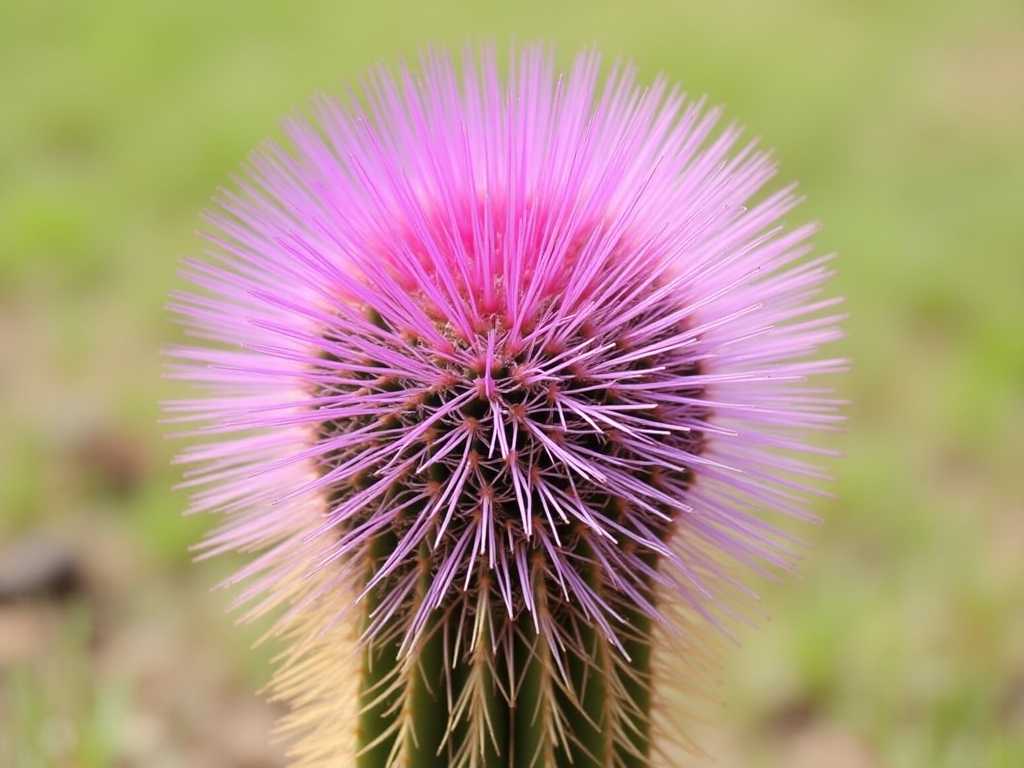
The nursery soil it came in felt too peaty and moisture-retentive. Repotting was my first task. I skipped generic "cactus mix," which I’ve found can still hold too much water. I made my own:
- 50% potting soil
- 30% coarse perlite
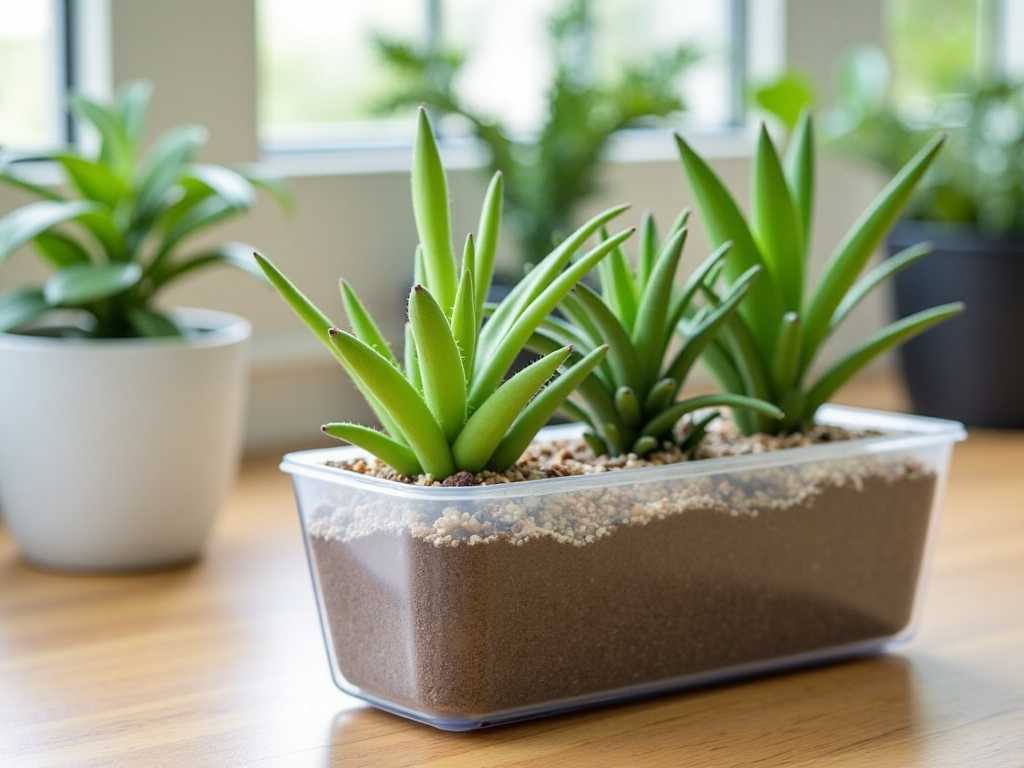
- 20% small-grain horticultural pumice A handful of crushed granite added weight and improved drainage further. This mix was outrageously fast-draining. When I performed my first watering test, the water flowed through instantly, which was exactly the goal.
The Pitfalls I Encountered and How I Fixed Them
My journey wasn't flawless. Around Day 5, I noticed a few small, rusty orange spots on one lower stem. Panic set in—was it a fungus? A pest? Upon closer inspection with a magnifying glass, I saw no movement or webbing. I recalled the American Horticultural Society's (AHS) advice about mineral deposits from hard water. My tap water is quite hard. The solution was simple: for the next watering on Day 14, I used filtered, room-temperature water. I’m monitoring to see if new spots appear. This highlighted a crucial, often-overlooked aspect ofMammillaria plant care: water quality can matter.
Another "aha" moment came with humidity. My house is rather dry, which is perfect. However, I initially had the cactus grouped closely with some tropicalSucculents that I misted. I realized creating a localized humid microclimate was a risk. I moved my Mammillaria to its own section, away from any misting, to ensure the airflow around it was excellent and the environment was arid.
Feeding and Seasonal Shifts
During my two-week window, I did not fertilize. However, my research and plan going forward align with expert guidance. I will use a diluted, low-nitrogen cactus fertilizer only during the active growing season (spring and summer), and never in the dormant winter period. Over-fertilizing, I’ve learned, leads to weak, sappy growth that is prone to pests and rot.
Frequently Asked Questions
How often should I really water my Mammillaria?Throw away the weekly schedule. Water only when the soil is 100% dry all the way through. In summer, this might be every 10-14 days; in winter, it could be once a month or less. Always water deeply until it runs from the drainage holes.
Why is my Mammillaria turning yellow or brown at the bottom?This is almost always a sign of overwatering and potential root rot. Stop watering immediately. If the plant is still firm higher up, you might try unpotting it, removing any black, mushy roots with sterile tools, and repotting in fresh, dry, gritty mix. Wait at least a week before even considering a light watering.
Will my Mammillaria cactus ever flower?Yes, most will with proper care! The key is a winter dormancy period. Provide it with cooler temperatures (around 50-55°F/10-13°C) and significantly reduced water from late fall through winter. This rest period is crucial for triggering a stunning display of small, often crown-forming flowers in the spring or summer.
Caring for a Mammillaria cactus is a lesson in restraint and observation. It thrives on benign neglect within the right framework: brutal sunlight, a gritty home, and deep but rare drinks. My two-week deep dive transformed it from a mysterious object into a understood companion. By listening to its language—plumpness, color, firmness—you can move from a serial cactus killer to a confident Mammillaria cultivator, ready to enjoy not just its survival, but its vibrant, spiny, and flowering success for years to come.
发表评论