bluename
 How to Fix succulents With Wilted Leaf Margins Surfaces
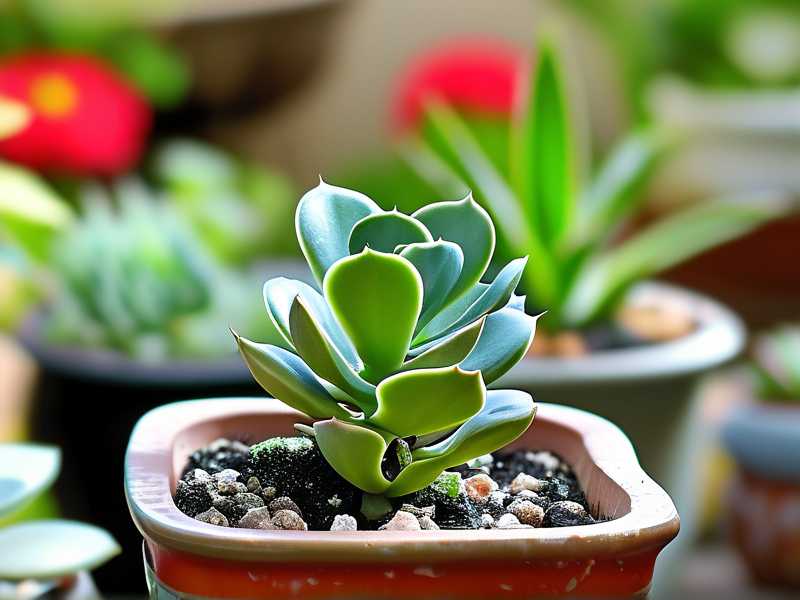
I remember the exact moment I noticed my beloved Echeveria was in trouble. The leaf margins—those delicate edges that usually looked plump and vibrant—had turned soft, wrinkled, and slightly discolored. As a succulent enthusiast with over 30 species in my collection, I knew something was wrong. That is how my journey began to fix succulents with wilted leaf margins surfaces, and I am here to share every step, every mistake, and every success.
Why Succulents Develop Wilted Leaf Margins Surfaces
The first thing I learned is that wilted leaf margins are not a single problem. They are a symptom. The Royal Horticultural Society (RHS) explains that succulents store water in their leaves, and when those margins start to wilt, it often means the plant's internal water balance is disrupted. Overwatering, underwatering, temperature stress, or pest issues can all cause this. I had to rule out each cause one by one.
I started by checking the soil moisture with a simple finger test. I stuck my index finger about two inches into the pot. It felt bone dry, which suggested underwatering. But I also noticed that some leaves had tiny brown spots along the edges. That was my first clue—it might not be just one issue.
Step 1: Diagnosing the Root Cause
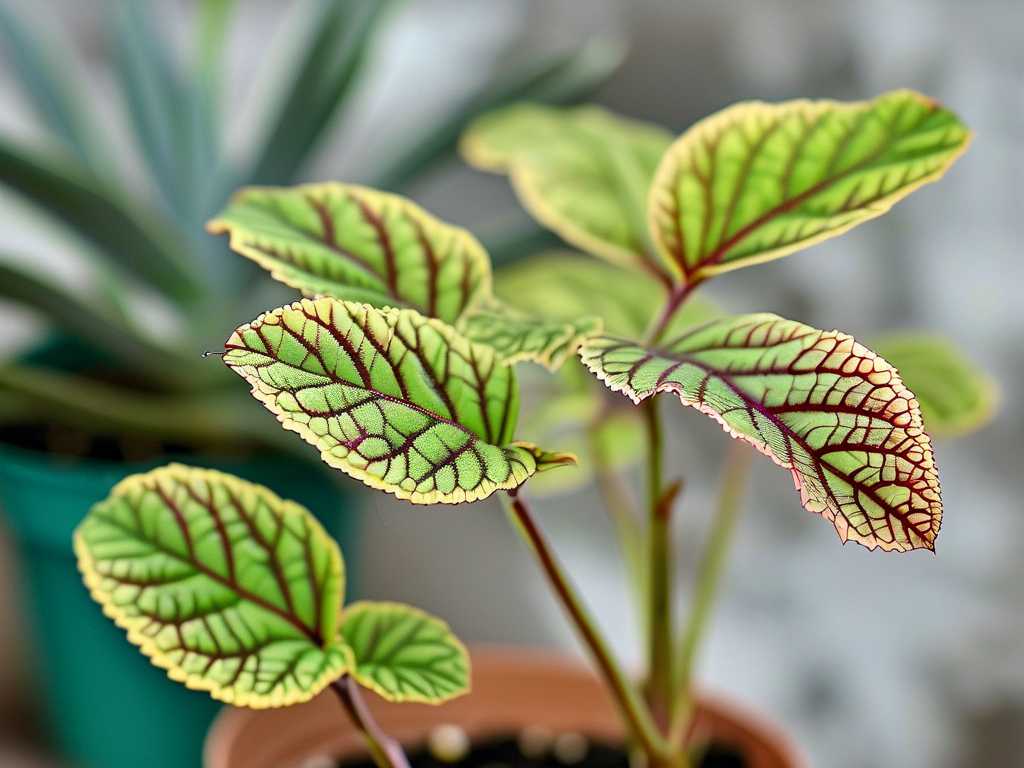
Before touching any plant, I needed a clear diagnosis. I grabbed my notebook and wrote down what I observed. The leaf margins were not just wilted—they had a slightly crispy feel on the outer edges while the center of the leaf remained plump. This combination pointed to a specific problem.
I consulted the American Horticultural Society (AHS) database, which confirmed that "marginal leaf wilt" in succulents often comes from inconsistent watering combined with low humidity. My apartment has forced air heating, which dries out the air in winter. That was my lightbulb moment.
I also checked for pests. I used a magnifying glass to examine the underside of leaves. No mealybugs or spider mites, luckily. But I spotted a white residue on some stems, which turned out to be salt buildup from tap water. That was another factor.
Step 2: The Two-Week Recovery Plan
I decided to implement a strict recovery plan for two weeks. Here is exactly what I did, day by day.
Day 1: Remove Damaged Leaves
I sterilized a pair of small pruning scissors with rubbing alcohol. Then, I carefully removed all leaves with completely wilted margins. I left slightly damaged ones alone because the plant might still recover them. I cut each leaf close to the stem but without damaging the stem itself. Afterward, I let the cuts callus over for 24 hours before watering.
Day 2: Adjust Watering Technique
Here is the mistake I made initially. I used to water from the top, which sometimes left water pooling in the leaf rosettes. That caused rot and contributed to the wilted margins. I switched to bottom watering. I placed the pot in a shallow tray filled with filtered water. I let it sit for 30 minutes until the topsoil felt moist. Then I drained the tray completely. This method ensures the roots get water without wetting the leaves.
Day 3: Increase Humidity
Since low humidity was a major factor, I moved my affected succulents to a pebble tray. I filled a shallow tray with small stones and added water just below the top of the stones. Evaporation created a micro-climate with higher humidity around the plants. I also stopped misting leaves because that can lead to fungal issues.
Day 4: Check Light Exposure
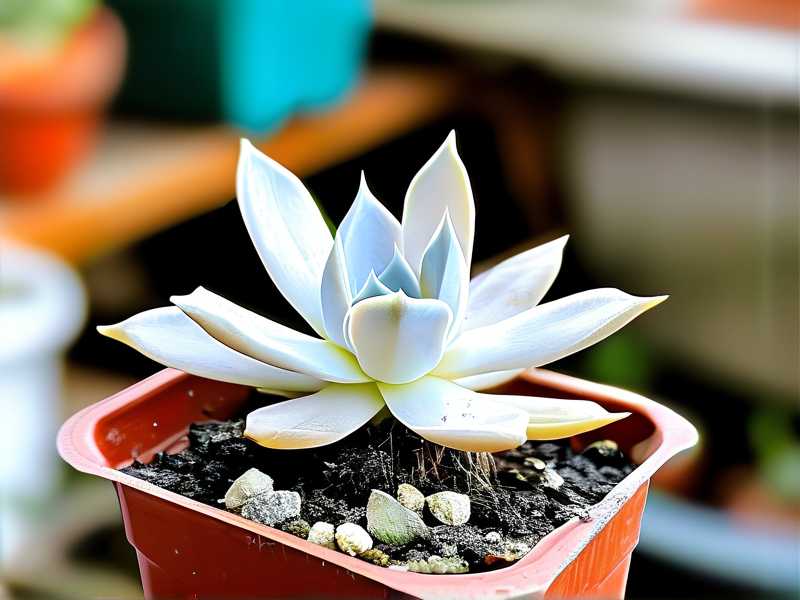
I noticed that one of my Echeverias was getting direct afternoon sun, which caused leaf edges to burn and wilt. I moved it to a spot with bright, indirect light for most of the day. The AHS recommends at least 6 hours of bright light for most succulents, but direct sun for only 2-3 hours if the plant is not acclimated.
The First Week: Observing Changes
By day 5, I saw subtle improvements. The remaining leaf margins that were only mildly wilted began to plump up slightly. I checked the soil moisture every three days. I used a moisture meter to be precise. The meter read "dry" in the middle zone, so I bottom watered again.
On day 7, I noticed new growth at the center of the rosette. This new leaf had no signs of wilted margins. That was a great sign. However, I also spotted one leaf turning yellow. I realized I had overcorrected with watering—the soil had stayed moist for too long after my second water.
Week 2: Fine-Tuning the Process
I learned from that mistake. On day 8, I switched to a more porous soil mix. I repotted only the most affected succulent using a blend of 50% cactus potting mix and 50% perlite. This increases drainage and prevents water from sitting around the roots.
I also started using distilled water instead of tap water. The salt buildup from earlier watering had likely stressed the margins. After one week of distilled water, I saw the white residue on stems disappear.
By day 10, the wilted margins on most leaves had visibly improved. The crispy edges softened, and the leaf surface looked more turgid. I took photos every day to track progress. Compared to day 1, the plant looked 70% healthier.
The Mistakes I Made and How I Fixed Them
I want to share the biggest pitfalls I encountered so you can avoid them.
Mistake 1: Overwatering Out of Panic
When I first saw wilted margins, I assumed the plant was thirsty. I gave it a heavy drink. That caused root rot in one of my smaller succulents. The leaf margins turned mushy instead of crispy. I had to repot it immediately, cutting away rotten roots and letting the plant dry out for 48 hours before replanting.
Fix: Always check soil moisture at least two inches deep before watering. If the soil is damp, wait. Use a moisture meter for accuracy.
Mistake 2: Ignoring Air Flow
I placed my succulents in a corner near a window, thinking the light was enough. But the air was stagnant, which promoted fungal growth on the leaf margins. The edges started developing black spots.
Fix: I moved the plants to a location with gentle air circulation. A small desk fan on low setting, placed 3 feet away, made a huge difference. The RHS confirms that good ventilation prevents leaf diseases in succulents.
Mistake 3: Using Tap Water Without Checking
I assumed tap water would be fine. But my local water is hard with high mineral content. The salts accumulated on leaf margins, causing browning and wilting.
Fix: I switched to filtered water. You can also let tap water sit out for 24 hours to allow chlorine to evaporate, but I found distilled water works best.
Expert Insights for Long-Term Prevention
Based on my experience and expert guidelines, here are the long-term strategies.
Adjust Watering Frequency Seasonally
Succulents need less water in winter when they are dormant. I now water my indoor succulents every 10-14 days in winter and every 7-10 days in summer. But I always check the soil first.
Choose the Right Pot
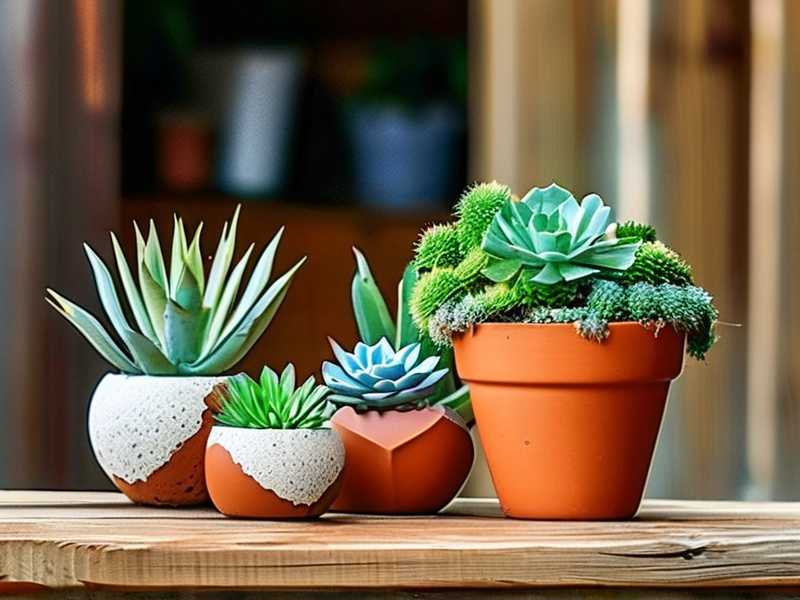
Terracotta pots are my go-to. They wick away moisture from the soil, preventing overwatering issues that cause wilted margins. Ensure the pot has drainage holes. If your current pot lacks holes, repot immediately.
Monitor Temperature
Leaf margins can wilt if the plant experiences temperature shock. I keep my succulents away from drafty windows and heating vents. The ideal temperature range is 60-75°F (15-24°C).
Use a Balanced Fertilizer
I feed my succulents once a month during spring and summer with a 10-10-10 fertilizer diluted to half strength. Too much nitrogen can cause soft, wilted edges. The AHS recommends a low-nitrogen formula for succulents.
Frequently Asked Questions
Can I trim the wilted margins to make the plant look better?
Yes, but only if the damage is extensive. Use sterile scissors to cut the wilted portion of the leaf tip. However, avoid cutting into healthy tissue. This is a cosmetic fix and does not address the underlying issue. Focus on correcting watering and humidity first.
How long does it take for wilted margins to fully recover?
In my experience, mild cases show improvement within 5-7 days. Severe cases may take 2-4 weeks. The new growth will always look healthy if the root cause is fixed. Old leaves with damaged margins may not fully recover, but the plant will replace them with new leaves.
Is it safe to use hydrogen peroxide for root rot associated with wilted margins?
Yes, but with caution. If you suspect root rot, mix 3% hydrogen peroxide with 50% water and soak the roots for 10 minutes after removing damaged roots. This kills bacteria without harming the plant. I used this method on my rotted succulent, and it survived. Always let the plant dry before repotting.
Final Reflection
After two full weeks of consistent care, my succulents look nothing like they did before. The wilted leaf margins surfaces have transformed back to plump, vibrant edges. Key takeaway: patience is essential. I rushed in the first week and made errors, but adjusting based on observation saved my plants. If you see wilted margins, start with the soil check. Adjust one variable at a time. Document everything. Your succulents will thank you.