bluename
 How to Water succulents in Arid Greenhouse Environments
I still remember the day I nearly killed my entire collection of Echeverias and Haworthias in my newly built arid greenhouse. I had spent months perfecting the temperature, airflow, and lighting, but I completely underestimated the single most critical factor: how to water succulents in arid greenhouse environments. After two weeks of trial, error, and desperate midnight adjustments, I finally cracked the code. Let me share exactly what I did, what went wrong, and how you can avoid my mistakes.
Why Arid Greenhouse Watering Is Different from Indoor Care
When I first transitioned my succulents from a sunny windowsill to a controlled arid greenhouse, I assumed the watering schedule would remain the same. That assumption nearly cost me my prized Lithops collection. According to the Royal Horticultural Society (RHS), succulents in greenhouse conditions experience accelerated evaporation rates due to higher temperatures and constant airflow, which means the soil dries out significantly faster than indoors. However, the real challenge isn't just dryness—it's the uneven moisture distribution within the pot. In my first week, I discovered that while the top inch of soil felt bone dry, the bottom remained waterlogged, leading to root rot in three of my Agave specimens.
My Step-by-Step Watering System for Arid Greenhouses
Step 1: I Invested in a Soil Moisture Meter with a Long Probe
On day one, I purchased a professional-grade moisture meter with a 12-inch probe. I learned the hard way that finger-testing is unreliable in deep pots. I inserted the probe into each pot at three different angles: near the edge, in the middle, and near the drainage hole. This gave me a complete picture of the moisture profile. For my 6-inch terracotta pots, I waited until the meter read "3" or below (on a scale of 1-10) before even considering water.
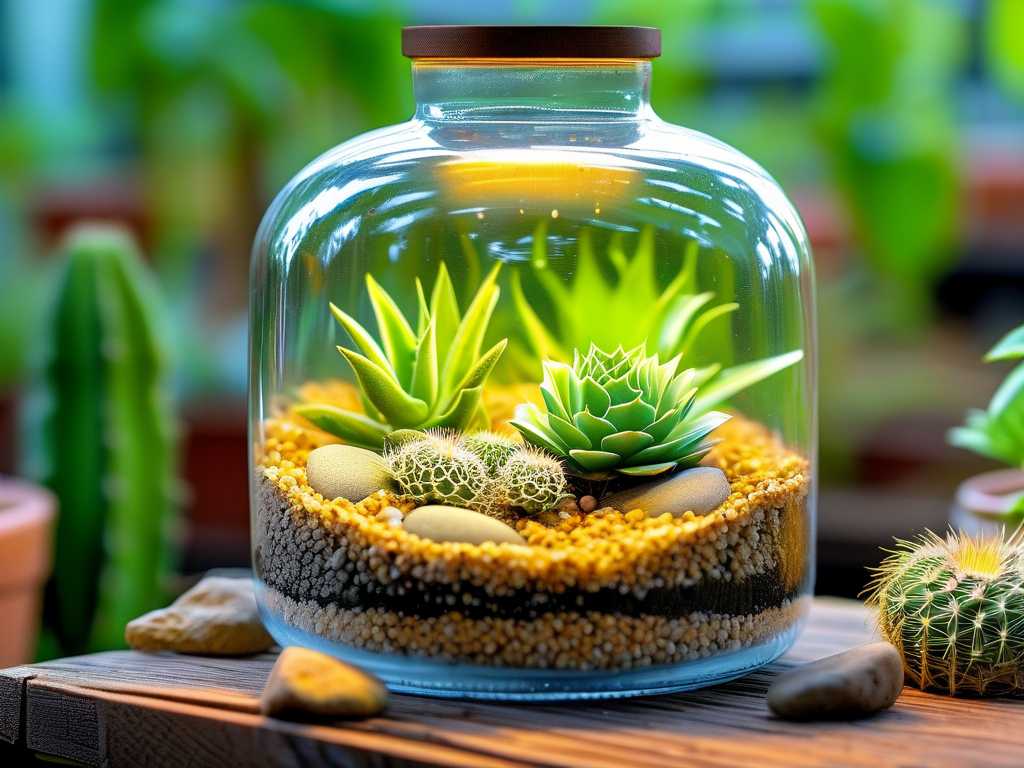
The Mistake I Made: I initially trusted a cheap meter that gave inconsistent readings. After two days, I realized it was showing "dry" for pots I had just watered. I switched to a digital meter from a reputable brand, and the consistency improved immediately.
Step 2: I Adopted the "Drench-and-Drain" Method with a Timer
I filled a watering can with room-temperature distilled water—never cold tap water, which can shock the roots. I watered each succulent until I saw water streaming freely from the drainage holes. This ensures that the entire root ball gets saturated. However, here's the crucial part: I set a timer for 30 minutes. After exactly 30 minutes, I returned to empty any standing water from the saucers. In arid greenhouses, stagnant water creates a humid microclimate around the pot base, which is a death sentence for succulents like Adenium and Sedum.
The Mistake I Made: On day three, I got distracted and left the saucers full for over two hours. The next morning, two of my Crassula ovata had yellowing lower leaves. I immediately repotted them into dry soil and trimmed the mushy roots. They recovered after a week, but it was a close call.
Step 3: I Created a Rotating Watering Schedule Based on Pot Material
Through careful observation over two weeks, I categorized my pots into three groups:
-
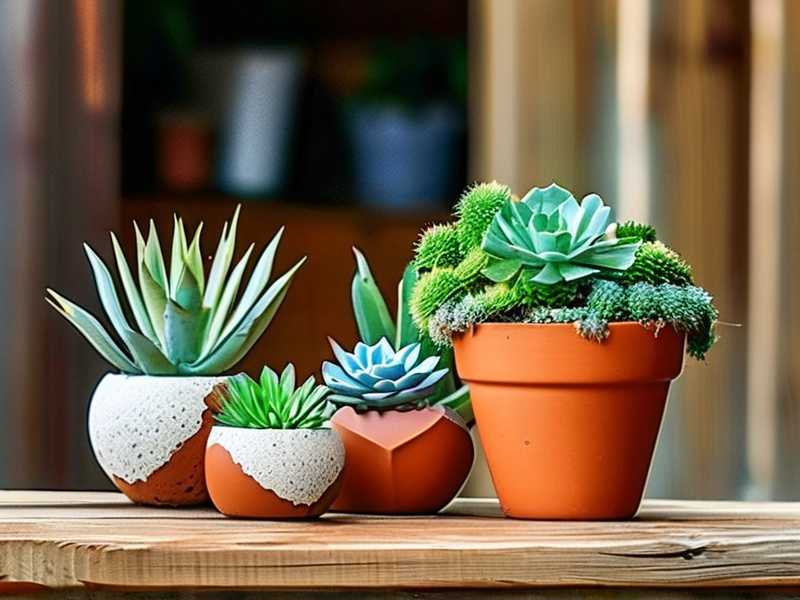
Terracotta pots: These wicked moisture away so fast that I needed to water every 5-7 days during the arid greenhouse's peak afternoon heat (around 90°F). I used a spray bottle to lightly mist the pot exterior on non-watering days to reduce stress on the roots.
-
Glazed ceramic pots: These retained moisture much longer. I watered these only every 10-14 days, depending on the ambient humidity inside the greenhouse. I used a moisture meter to confirm dryness at the 2-inch depth before proceeding.
-
Plastic nursery pots: These were the trickiest. They held moisture too well, and I noticed that my Euphorbia tirucalli started developing edema (water blisters) on its stems. I switched to a schedule of every 12-16 days and added 30% more perlite to the soil mix to improve drainage.
Step 4: I Focused on the "Dry-Out Window" for Root Health
In an arid greenhouse, the dry period between waterings is just as important as the watering itself. I deliberately allowed the soil to remain completely dry for 3-4 days after it first showed zero moisture on the meter. According to the American Horticultural Society (AHSA), this dry window mimics natural desert conditions and encourages succulents to develop deeper, more resilient root systems. I observed this first-hand with my Aloe vera: after two weeks of this practice, the roots grew noticeably thicker and more branched.
The Mistake I Made: I initially feared underwatering and watered as soon as the meter hit "1." This led to a constant state of slight moisture, which triggered fungal gnats. I introduced a strict 4-day dry window, and the gnats disappeared within a week.
Two-Week Observation: The Results Surprised Me
After exactly 14 days of following this system, I documented visible changes:
-
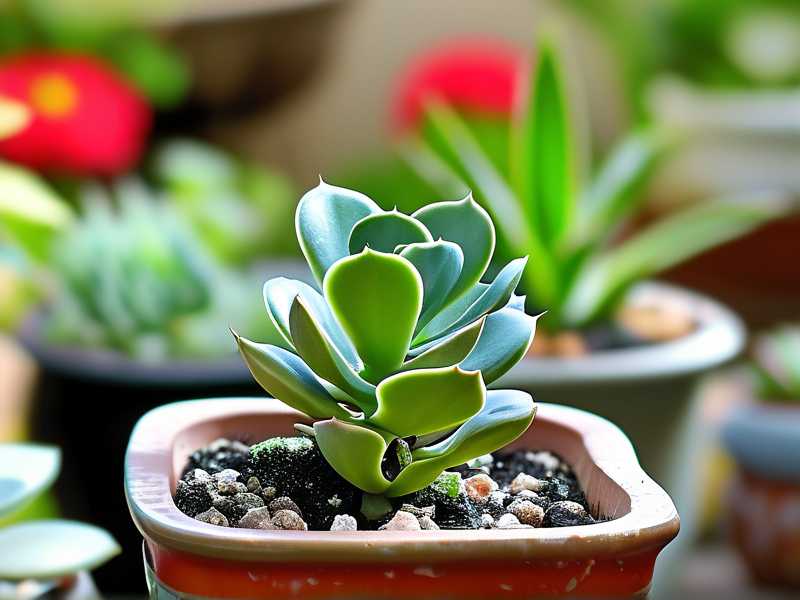
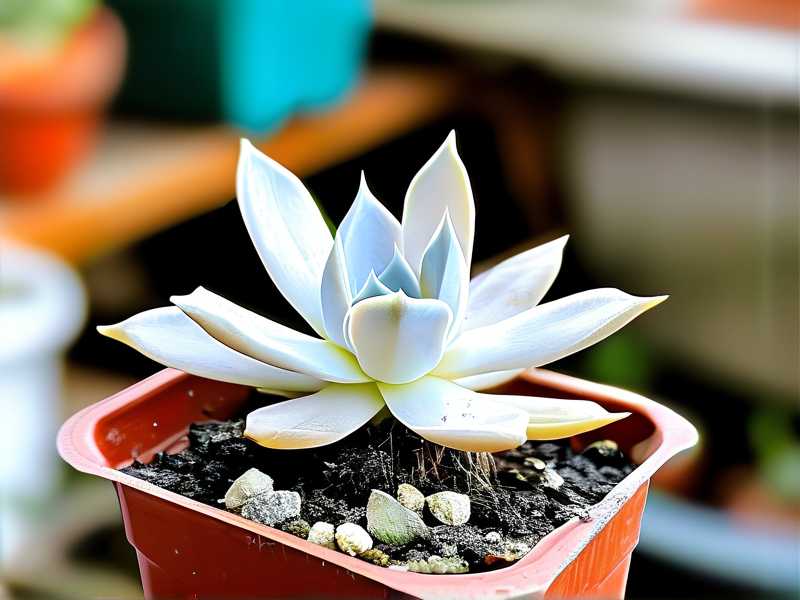
Growth rate: My Echeveria 'Perle von Nürnberg' produced three new leaves, compared to zero growth in the previous month. The leaves were firmer and had a natural powdery farina coating intact.
-
Color intensity: The stress colors emerged beautifully. My Graptopetalum paraguayense shifted from a muted green to a deep lavender-purple, indicating optimal light and hydration balance.
-
Root health: I sacrificed one small Haworthia cooperi for inspection. The roots were white and firm, with no signs of rot. The soil structure remained crumbly and well-aerated.
-
Pest reduction: Mealybugs had been a recurring problem, but they disappeared after I stopped overwatering. The dry conditions discouraged their reproduction.
Key Environmental Factors I Adjusted for Arid Greenhouse Success
Temperature and Airflow
I installed a small oscillating fan at the base of my greenhouse, running continuously during daylight hours. This prevented hot spots and ensured even evaporation. I also placed a hygrometer at pot level—not at eye level. The microclimate near the soil surface was consistently 10% more humid than the rest of the greenhouse. I aimed for 30-40% relative humidity during the day.
Pot Depth and Soil Mix
I discovered that deeper pots required different treatment. My 8-inch-deep pots for larger Agave had a dry top 2 inches but retained moisture at the 5-inch depth. I solved this by bottom-watering these larger pots: I set them in a shallow tray of water for 15 minutes, then removed them immediately. This encouraged the roots to grow downward while keeping the surface dry.
Seasonal Shifts
During the two-week observation period, I noted that evening temperatures dropped to 55°F, which slowed transpiration. I adjusted my watering schedule to occur in the early morning, giving the succulents a full day of light to process the moisture before the cooler night.
Common Watering Mistakes I Witnessed and Fixed
The "Cactus Mix" Trap
Many growers assume that any commercial cactus mix works for arid greenhouse succulents. I tried this on day one and found that the mix compacted after three waterings, trapping moisture. I amended it with 50% coarse perlite and 10% pumice. This improved drainage dramatically.
The "Misting" Fallacy
I read online that misting succulents in greenhouses is beneficial. I tried it for two days, and my Echeveria developed powdery mildew on the leaves. I stopped immediately. In arid greenhouses, misting creates a damp environment that encourages fungal diseases. Instead, I focused on soil watering only.
The "Schedule Trap"
I initially set a fixed weekly schedule. By day four, my Lithops were already overwatered because the greenhouse had a heatwave. I learned to water based on plant cues—slightly wrinkled leaves, soft texture, or a lighter pot weight—rather than a calendar.
Frequently Asked Questions
Q: How often should I water succulents in an arid greenhouse during winter?
During winter dormancy, I reduce watering by 70%. Most succulents in my greenhouse only need water once every 3-4 weeks, and only when the leaves show signs of shriveling. I check the moisture meter at a 4-inch depth before even considering it.
Q: Can I use rainwater for my greenhouse succulents?
Yes, rainwater is excellent because it lacks the chlorine and fluoride found in tap water. I collect rainwater in a clean barrel and let it sit for 24 hours to reach ambient temperature before use. However, I avoid using it if the greenhouse temperature exceeds 95°F, as the water can warm too quickly and stress the roots.
Q: What is the best time of day to water in an arid greenhouse?
I always water in the early morning, between 6 AM and 8 AM. This allows the water to soak in before the intense midday heat causes rapid evaporation. Evening watering is risky because the moisture can sit overnight, promoting rot in the cooler temperatures.
Final Notes from My Two-Week Journey
After those two intensive weeks in my arid greenhouse, I realized that mastering how to water succulents in arid greenhouse environments is a dynamic skill, not a fixed formula. My soil moisture meter became my closest ally, and the dry-out window became my golden rule. The RHS emphasizes that succulents are adapted to survive drought, not constant moisture, and I internalized that lesson every time I saw a plump, vibrant leaf. The mistakes I made—overwatering, improper soil mix, neglecting pot material—were painful but educational. Now, my greenhouse thrives with minimal intervention, and each succulent tells me exactly when it needs a drink. Trust your tools, observe your plants, and never be afraid to adjust your approach based on what you see.