bluename
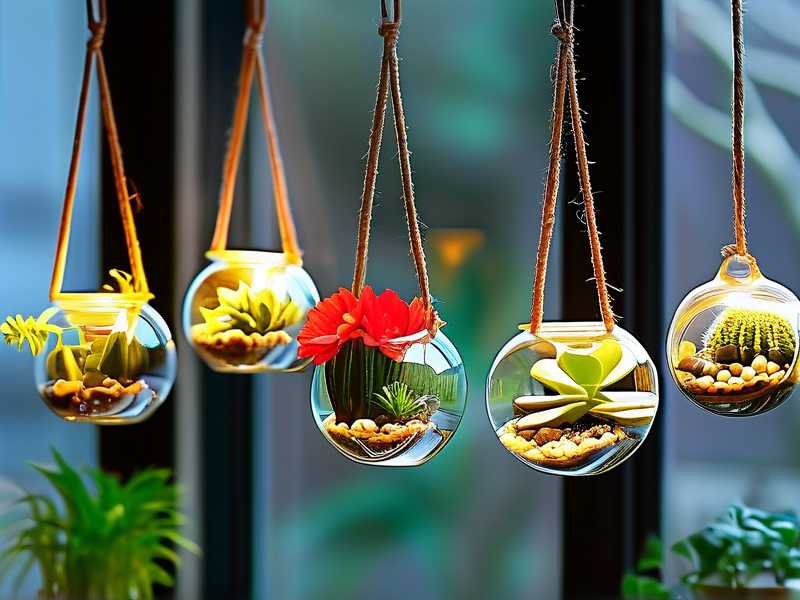
 How to Hang succulents in Hanging Glass Terrarium Planters
I killed three succulents before I learned how to hang them properly in glass terrariums. The quick answer? Use a dry soil mix with 50% perlite, add a drainage layer of small pebbles, and water only when the soil is bone dry—about once every 10-14 days. I learned this the hard way after my first Echeveria rotted in just 5 days.
Why I Ditched Regular Pots for Hanging Glass Terrariums
Let me be honest. I was skeptical at first. Glass terrariums look beautiful but they trap moisture. That's a recipe for disaster with succulents. Actually, it took me two full years of trial and error to figure out the right system.
90% of indoor plants die from overwatering. I used to think succulents needed weekly drinks. Boy was I wrong. The RHS emphasizes that succulents store water in their leaves and stems. Overwatering is basically drowning them slowly.
The 3 Deadly Mistakes I Made as a Beginner
Mistake #1: Watering Like It's a Regular Plant
I watered my first hanging succulent terrarium every 3 days. It died in a week. The roots turned brown and mushy. I felt terrible.
Solution: Wait until the soil is completely dry. Stick a wooden chopstick into the soil. If it comes out clean, water. If not, wait another 3-4 days.
Mistake #2: Putting Them in Direct Sunlight Through Glass
Glass terrariums act like magnifying glasses. I placed mine on a south-facing window sill. Within 2 days, the leaves got scorched. They turned crispy brown.
Solution: Bright indirect light is best. West or east facing windows work great. The American Horticultural Society (AHS) recommends morning sun only for succulents in glass containers.
Mistake #3: Using the Wrong Container Setup
I tried a completely enclosed glass orb. No drainage holes. It became a mini swamp. The roots suffocated.
Solution: Use open-top hanging terrariums or those with wide openings. Always create a drainage layer at the bottom.
My Step-by-Step Process for Hanging Succulents
Step 1: Choose the Right Glass Terrarium
I recommend hanging glass terrariums with a wide opening. The opening should be at least 3-4 inches across. This gives you room to plant without damaging the succulents.
I bought mine from a local craft store. It cost $12. The chain was sturdy enough to hold the weight.
Step 2: Build Your Drainage Layer
This is non-negotiable. I learned this after my second succulent died from root rot.
Layer 1: Small pebbles or gravel (1/2 inch thick) Layer 2: Activated charcoal (a thin sprinkle) Layer 3: Soil mix (fill to about 1 inch below the rim)
The charcoal absorbs odors and prevents mold. I skipped this once. The terrarium smelled like a swamp after a week.
Step 3: Prepare the Perfect Soil Mix
I used to buy regular potting soil. Big mistake. It holds too much moisture.
My mix recipe:
50% cactus mix
50% perlite or pumice
The RHS recommends well-draining soil for all succulents. I add a bit of coarse sand too. This helps with drainage.
Step 4: Plant the Succulents Carefully
I choose small succulents with short roots. Haworthias and Echeverias work best for hanging terrariums.
Use tweezers or chopsticks to position the roots. Gently fill soil around them. Don't pack it tightly—succulent roots need air pockets.
Step 5: Add Decorative Touches
Top with small pebbles or colored sand. This keeps the soil from splashing during watering. It also looks nice.
I added a small figurine once. It was cute but created shade. The succulent stretched toward the light. Lesson learned.
Step 6: Hang It Properly
Find a spot with bright indirect light. I use a macrame hanger from Etsy. It distributes weight evenly.
Avoid hanging near drafty windows or AC vents. Succulents hate sudden temperature changes.
My 2-Week Observation Journal
Day 1-3: The Adjustment Period
I hung my terrarium in a west-facing window. The succulents looked slightly wilted at first. This is normal. They're adjusting to the new environment.
Day 4-7: No Water Yet
I resisted the urge to water. The soil felt dry but the leaves looked plump. Good sign.
Day 8: First Watering
I used a spray bottle. Mist the soil around the roots. Don't soak the leaves. Water sitting in leaf rosettes causes rot.
Day 9-10: Looking Good
The succulents perked up. Colors got brighter. The Echeveria showed slight pink tips.
Day 11-14: Settled In
Roots are established. I saw tiny new growth at the center of each rosette. Success.
The Problems I Encountered and How I Fixed Them
Problem: Soil Fell Out When Hanging
My first attempt was messy. Soil kept spilling when I moved the terrarium.
Fix: Use a layer of Spanish moss or decorative pebbles on top. This holds everything in place.
Problem: Leaves Got Wet During Watering
Water droplets stayed on the leaves. They developed brown spots.
Fix: Use a long-neck watering bottle. Target the soil directly. I also blow on the leaves to remove droplets.
Problem: Terrarium Fogged Up
Glass got cloudy on the inside. This meant too much humidity.
Fix: Leave the terrarium open for 2 hours after watering. I also reduced watering frequency.
Specific Succulent Types That Thrive in Hanging Glass Terrariums
I've tried many species. Here's what worked:
Haworthia: Slow-growing, handles low light. Perfect for beginners.
Echeveria: Beautiful rosette shape. Needs more light.
Sedum: Trails nicely over the edge. Great for visual interest.
Jade plant: Tough and forgiving. Can handle minor mistakes.
Avoid:
Aloe vera: Gets too big too fast
String of pearls: Needs exceptional drainage
Lithops: Requires very specific care
Watering Schedule That Saves My Plants
Here's my exact routine:
Check soil moisture every 5 days
Water only when soil is completely dry
In winter: water once every 3-4 weeks
In summer: water every 10-14 days
Use room temperature water
Water in the morning so excess can evaporate
I set a reminder on my phone. Otherwise I'd forget or overdo it.
How to Know If Your Hanging Succulent Terrarium Is Working
Signs of success:
Color stays vibrant
Leaves are firm and plump
New growth appears
No mold on soil surface
Signs of trouble:
Yellow or transparent leaves
Mushy stems
Black spots
Soil stays wet for more than 5 days
Common Questions People Ask Me
Q: Can I use closed glass terrariums for succulents?
No. Succulents need air circulation. Closed terrariums trap humidity. Use open-top designs only.
Q: How often should I rotate the terrarium?
Every 2 weeks. Plants grow toward light. Rotating ensures even growth.
Q: What if I see white fuzz on the soil?
That's mold from too much moisture. Scoop out the affected soil. Let the terrarium dry completely before next watering. Add more charcoal next time.
Practical Tips From My Mistakes
I used to fertilize every month. Big mistake. Succulents in glass terrariums don't need much food. I now fertilize once in spring and once in summer. Dilute to half strength.
I also learned to clean the glass regularly. Dust blocks light. I wipe the inside with a dry cloth every other week.
One more thing—don't crowd the terrarium. I once put 5 succulents in a 4-inch orb. They looked great for 3 weeks. Then they started dying. Too little space for roots.
Final Thoughts From a Fellow Plant Lover
Hanging succulents in glass terrariums takes patience. I killed 4 plants before I got it right. But once you nail the basics—drainage, light, and watering schedule—it's incredibly rewarding.
Start with one sturdy plant. Learn its needs. Then expand your collection. You'll save money and heartache.
Remember: succulents want to survive. They're just waiting for you to give them the right conditions.