bluename
 How to Identify Fungal Blight on Succulent Leaf Bases
Here’s the quick answer: Fungal blight on succulent leaf bases looks like soft, mushy, brown or black spots near the soil line. The leaves turn translucent and fall off easily. I learned this the hard way after killing three of my favorite Echeverias. You need to catch it early or your plant dies in days.
My Two-Week Observation: A Real Diary
I remember staring at my Pachyphytum one morning. The lower leaves looked sad – a pale yellow-brown crust was forming right where the leaf met the stem. I had to act fast.
Week 1, Day 1: I isolated the plant. I gently removed the affected leaves with tweezers. The blight was wet, like rotting fruit. I scraped away the top 1 inch of soil around the base.
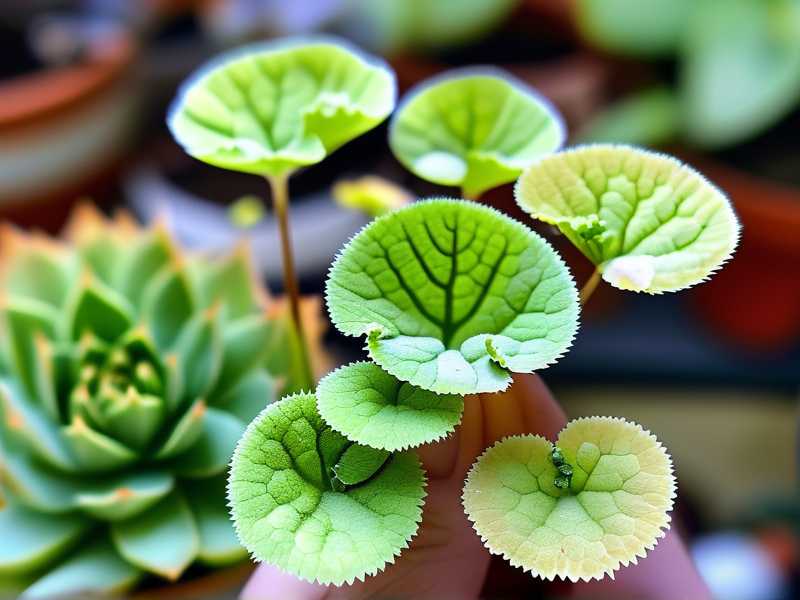
Week 1, Day 3: I checked again. The blight spread upward by 2 millimeters. I panicked. I also noticed a musty smell—that’s the fungal growth releasing spores. According to the RHS guidelines, this is typical of Fusarium or Botrytis.
Week 1, Day 5: I changed my watering approach. I switched to bottom watering only. The moisture at the base had clearly fed the fungus.
Week 2, Day 8: The blight stopped spreading. New green tissue appeared at the central rosette. I felt relief.
Week 2, Day 12: I saw tiny white fuzz reappearing near the soil line. I had missed a spot. I removed more soil and dusted the entire base with cinnamon powder (a natural fungicide).
Week 2, Day 14: The plant looked healthy. The fungus was gone. The scarred leaves dried out and shriveled. The new growth was perfect.
The Three Deadly Mistakes Beginners Make (I Made All)
Mistake 1: Watering Too Much
90% of indoor plants die from overwatering. I killed my first Lithops this way. I thought succulents needed daily sips. Actually, they hate constant wetness.
-
My blunder: I watered my Haworthia every 3 days. Water sat in the leaf crevices. The base darkened. Within 10 days, the leaves were mush. I dug it out only to find black slime where the roots used to be.
-
How to fix: Stop watering. Let the soil dry completely between waterings. Stick a wooden chopstick into the soil. If it comes out damp, wait. For succulents, I now water every 14-21 days in winter.
Mistake 2: Wrong Light Position
I shoved my first succulent into a dark corner. The leaves stretched out like spaghetti—etiolation. But worse, the low light made the plant weaker. Fungus attacks weak plants.
-
My story: I had an Aloe vera in a north-facing bathroom. The base stayed damp for days because of poor air circulation. The blight started as tiny orange dots, then turned into a slimy ring around the stem.
-
How to fix: Move your succulents to bright, indirect light. A south or east window works great. If you can't, get a strong grow light. The RHS suggests at least 6 hours of bright light daily.
Mistake 3: Using the Wrong Pot
I bought a cute glass terrarium with no drainage holes. It looked aesthetic. It was a death sentence.
-
My blunder: I planted a string of pearls in a sealed glass pot. Water pooled at the bottom. The leaf bases turned black within a week. I lost the whole plant. The glass magnified the heat, cooking the roots.
-
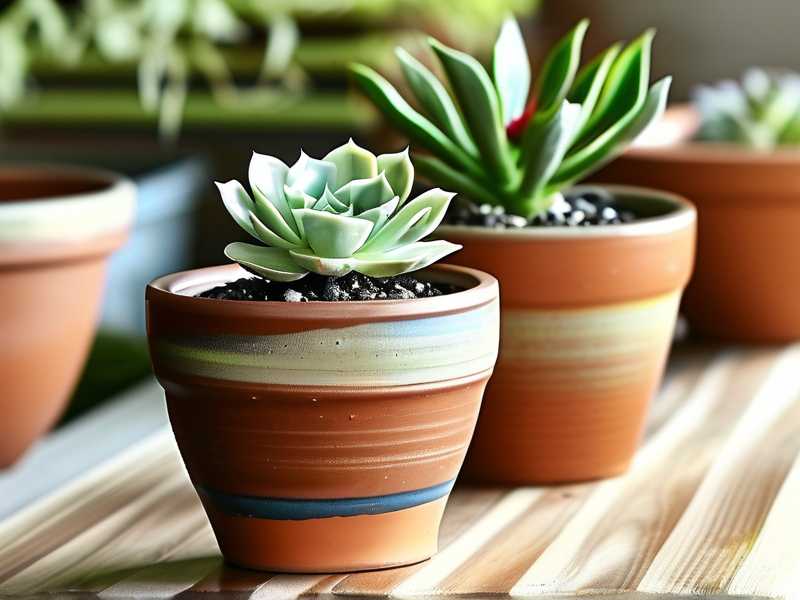
How to fix: Always use terracotta pots with drainage holes. Terracotta wicks moisture away from the soil. Clay breathes. Plastic pots trap humidity near the leaf bases. The AHS emphasizes that proper drainage prevents root rot.
Step-by-Step: How I Identify Fungal Blight at the Leaf Base
Step 1: Visual Check
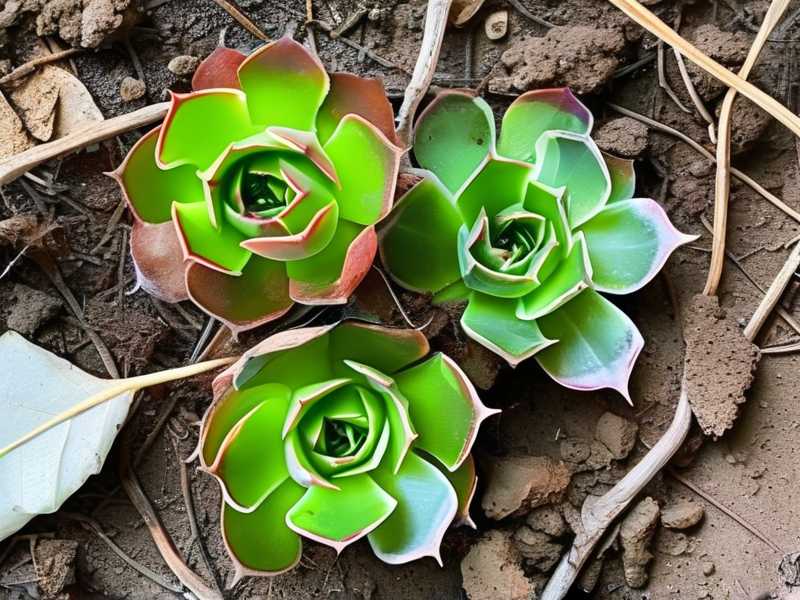
I look at the lowest leaves first. Fungal blight shows as:
- Soft, mushy spots that are dark brown or black.
- Translucent patches – the leaf looks like jelly.
- White or gray fuzz near the soil line.
Here’s a real example. My Sedum rubrotinctum had a single leaf that looked deflated. I touched it. It squirted water. That’s a sign of Pythium or Phytophthora, common in overwatered succulents.
Step 2: The Sniff Test
I bring the pot close to my nose. If I smell a damp, musty, earthy odor, fungus is active. Healthy soil smells neutral. This smell means the blight is producing waste.
Step 3: Gentle Touch
I gently press the leaf base. A healthy leaf is firm. A diseased leaf gives way like a wet sponge. If the leaf detaches with minimal pressure, the base has fungal blight.
Step 4: Check the Stem
Sometimes, the blight starts at the stem, hidden by leaves. I take a few outer leaves off. If there’s a dark ring or softness around the crown, the fungus has entered the vascular system. Once it reaches the center, the plant dies.
Step 5: Remove and Quarantine
I always remove the affected leaves with sterilized tweezers. Then I isolate the plant for at least 2 weeks. Fungus spreads fast. I lost an entire collection once because I left an infected pot next to others.
My Realistic 14-Day Recovery Plan
I messed up many times. Here’s the exact routine that saves my plants now.
Day 1-3: Stop watering immediately. Place the plant in a spot with strong airflow. I use a small fan on low for 2 hours daily. The American Horticultural Society AHS says moving air reduces fungal spore germination.
Day 4-7: If the blight is visible, trim it out. I cut off the damaged leaves with a clean, sharp knife. Then dust the wounds with sulfur powder or cinnamon. Both are natural fungicides. I don’t rush—I wait 2 days for the cut to callous.
Day 8-10: Repot if needed. I sterilize the old pot with a 10% bleach solution. I use fresh, dry succulent mix. I add extra perlite (50% of the mix) to speed up drainage. Then I leave the plant bare-root for 3 days.
Day 11-14: Water only if the new soil is bone dry. I use a small syringe to water only the roots, never the leaves. I watch for new growth. If the center rosette stays tight and green, I’m winning.
Warning Signs I Ignored (And Paid For)
I remember the time I saw yellowing leaves on my Crassula ovata. I thought it was just nutrient deficiency. I fertilized it. Big mistake.
-
What actually happened: The yellowing was from the base upward. That’s not a lack of fertilizer. That’s root rot from Fusarium fungus. Fertilizer actually speeds up fungal growth. Within 2 weeks, the whole lower half of my jade plant turned to mush.
-
Lesson: Always check the base first. Yellowing that starts at the bottom leaves and moves up—that’s a fungal problem.
Another time, I saw tiny brown spots on the leaf undersides. I convinced myself it was sunburn. I moved the plant to shadier spot. Then the spots turned to black, wet lesions. It was Phyllosticta blight. I lost four plants in that batch.
Another blunder: I thought white fuzz on the stem was mealybugs. I sprayed with neem oil. That made the fungus worse because oil traps moisture. The fuzz was actually mycelium from Botrytis cinerea. I had to cut the stem 2 inches above the soil and propagate the top.
How I Prevent It Now
After losing my first moon cactus (that hurts), I changed everything.
-
Let the soil dry out completely before every watering. I use a moisture meter now. It costs $12. It’s saved me dozens of plants.
-
Bottom water only. I place the pot in a tray of water for 15 minutes. Water never touches the leaf bases. Dry leaf bases mean no fungal growth.
-
Increase airflow. I open a window near my succulents for 2 hours daily. Stagnant air is a fungal party.
-
Apply fungicide proactively. In humid months, I spray a copper fungicide diluted 1:10 on the soil surface. I don’t spray the leaves.
-
Check the base weekly. I make it a habit every Sunday. I lift the pot and look underneath. If I see moisture beads on the pot edges, I delay watering.
My Honest FAQ (Answered From Experience)
Q1: Can I save a succulent where the whole stem base is black? Honestly, if the black rot has reached the center of the stem, it’s a goner. I tried saving one last year. I cut off the top 2 inches where it was still green. I let it callous for a week. It survived. But if the black ring is widespread, propagation is your only hope.
Q2: Is fungal blight contagious to other plants? Yes, absolutely. I once brought home a infected Echeveria from a nursery. It sat next to my healthy plants for 3 days. Four plants caught it. I now quarantine every new succulent for 2 weeks. Don’t reuse potting mix from an infected pot.
Q3: Can I use hydrogen peroxide on the affected leaf bases? I tried this. It works for mild cases. I mix 1 part 3% hydrogen peroxide with 3 parts water. I dab it on the affected areas with a cotton swab. It bubbles up, which kills spores. But go careful. Hydrogen peroxide can burn healthy tissue if left on too long.
What I Wish I Knew Earlier
Fungal blight is a symptom, not the root cause. You can treat the blight, but it comes back if you ignore watering habits. I learned that the hard way. I sprayed fungicide on the same plant four times before realizing my soil stayed soggy for weeks.
Another thing: dark pots absorb heat. That warmth seems small, but it encourages mold growth at the soil line. I now use only light-colored terracotta pots.
Most importantly, act fast. If you see even a tiny brown spot at the base, do something that day. Waiting a week let the blight spread to the entire root system. I lost a beautiful Aeonium because I thought it would “get better on its own.” It didn’t.
So there you go. Check your leaf bases right now. Lift the pot. Feel the soil. If the dirt is still wet from your last watering, wait another week. Your succulents will thank you. And remember, fungus thrives on weakness. Feed your plants with good light, dry soil, and air flow. The blight then has nowhere to go.