bluename
 How to Fix succulents With Yellow Leaf Tips
Yellow leaf tips on succulents are almost never a disease. In my experience, they are a distress signal. The plant is telling you something about water, light, or the pot it lives in. I have killed more than a dozen succulents over the years. The first one was a jade plant I overwatered in a glazed ceramic pot with no drainage hole. It turned to mush in eleven days. That mistake taught me more than any guide ever could. Here is the short answer: yellow tips usually mean too much water, too little light, or a pot that stays wet too long. Fix those three things and most succulents recover within two weeks. I have watched it happen on my own windowsill more times than I can count. This article walks through exactly how I fix succulents with yellow leaf tips, step by step, season by season.
Why Succulents Get Yellow Tips in the First Place
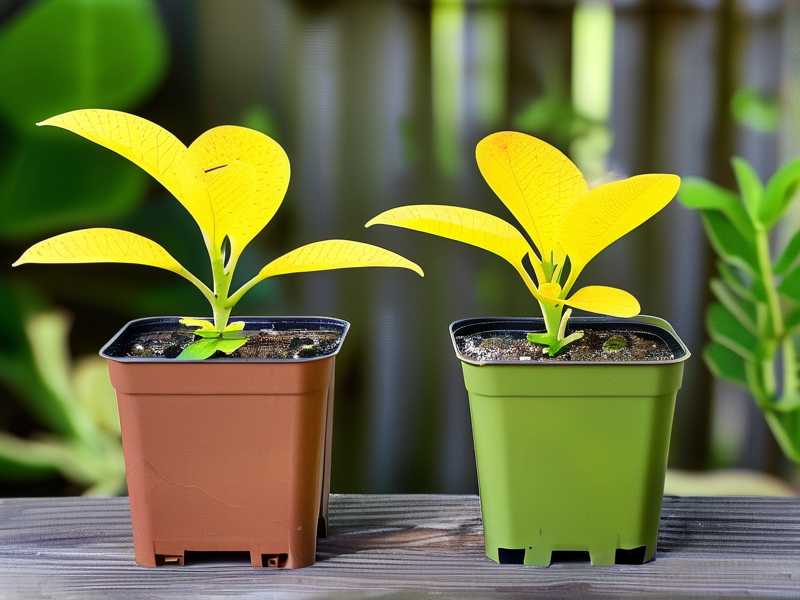
Succulents store water in their leaves. That is their whole survival strategy. When the roots sit in wet soil, they cannot take up oxygen. The leaf tips are the first place this stress shows up. They go soft, then yellow, then translucent.
The Royal Horticultural Society (RHS) notes that most succulent problems come from incorrect watering rather than pests or disease. I agree completely. After years of growing these plants, I can say that 90% of indoor plants die from overwatering. That number sounds dramatic, but it matches what I see in every plant group I join.
There is a second cause people miss. Yellow tips on the lower leaves can simply be old age. The plant is retiring an old leaf. The key difference is texture. Age-related yellowing is dry and shriveled. Overwatering yellowing is soft and mushy. I always squeeze the tip gently before I do anything else. That single test saves me from making the wrong fix.
Another cause is light. Succulents that stretch toward a window and lose their color are begging for more sun. The yellowing here looks pale and washed out, not brown or mushy.
Newbie Mistake #1: Overwatering
This is the big one. I water my succulents only when the soil is completely dry. Not slightly dry. Bone dry. I stick a wooden chopstick into the pot. If it comes out clean, I water. If any soil clings to it, I wait.
In summer, that might mean watering every ten to fourteen days. In winter, once every four to six weeks. It depends on your home, your pot, and your climate. There is no universal schedule. Anyone who gives you one is guessing.
I made the opposite mistake early on. I thought more water meant faster growth. My echeveria rotted from the bottom up in about two weeks. The leaves looked fine on top while the roots were already gone. By the time I noticed, it was too late.
Signs you are overwatering:
- Yellow, translucent, mushy leaf tips
- Soil that stays damp for more than three days
- A sour or musty smell from the pot
- Black or brown spots near the base
If you spot these, stop watering immediately. Pull the plant out. Trim any brown, mushy roots with clean scissors. Let the roots air-dry for a full day. Repot in fresh, dry, gritty soil. Do not water for seven days.
Newbie Mistake #2: Wrong Light
Succulents want bright, indirect light for most of the day. A south-facing window in the northern hemisphere is usually ideal. But direct afternoon sun in July can scorch the leaves and leave brown or yellow patches.
I learned this the hard way with a haworthia. I moved it to a sunny sill in June. Within four days, the tips turned yellow and crispy. I moved it back to a spot that gets morning sun only. New growth came in green within two weeks. The damaged tips stayed dry, but the plant was fine.
Signs your light is wrong:
- Stretched, leggy growth reaching toward the window means too little light
- Scorched, dry, papery tips mean too much direct sun
- Faded color and pale yellow leaves often mean not enough light
Rotate your pots a quarter turn every week. This keeps growth even. I do it every Sunday morning with my coffee. It takes thirty seconds.
Newbie Mistake #3: Wrong Pot
I cannot stress this enough. Your pot matters as much as your watering. Succulents need drainage holes. No exceptions. I do not care how pretty the container is.
I once bought a gorgeous glazed pot with no hole. I put a layer of pebbles at the bottom and thought that would work. It did not. Water collected above the rocks and sat there. That plant died in under a month. I still feel bad about it.
Use terracotta or unglazed ceramic. These wick moisture away from the soil. Plastic works if you are careful, but it holds water longer. Always choose a pot that is only slightly wider than the root ball. An oversized pot holds too much wet soil around the roots.
Soil Matters More Than You Think
Regular potting soil is too heavy for succulents. It holds water like a sponge. I mix my own now: three parts cactus potting mix, one part perlite, and one part coarse sand. This blend drains fast and dries out within a day or two.
If you buy pre-made succulent mix, check the bag. Many brands are just peat moss with a fancy label. Add perlite yourself if the mix looks dense.
Repot every two years, or sooner if the soil stays wet too long. Spring is the best time. I repot in early April when growth starts. Gently shake off old soil. Check the roots. Trim anything dark or soft. Let the plant sit bare-root for a few hours before putting it in fresh mix. Wait a week before the first watering.
Fertilizing: Less Is Genuinely More
Succulents are not heavy feeders. I use a diluted liquid cactus fertilizer at half strength, once in spring and once in midsummer. That is it. No feeding in fall or winter.
Overfertilizing causes yellowing too. It burns the roots and the tips turn yellow or brown. If you suspect this, flush the soil with plain water and skip feeding for two months. I did this once with a sedum. The tips recovered, but it took a full growing season.
AHS recommends a balanced, slow-release fertilizer for container succulents, applied sparingly at the start of the growing season. I follow that advice but lean toward even less than they suggest. My plants have never complained.
Season-by-Season Care
Spring: Wake Up and Grow This is when I do the heavy work. I repot, trim dead roots, and start watering a bit more often. I also remove any yellowing leaves from the base so pests do not move in. I feed once with half-strength fertilizer. New growth should appear within two to three weeks. If it does not, check your light.
Summer: Watch the Heat Summer is risky. Soil dries fast, but too much sun scorches leaves. I move my pots to a spot with morning sun and afternoon shade. I check soil moisture every few days but still only water when fully dry. I water in the early morning so any splashes dry before the heat peaks. Good airflow matters too. I keep a small fan running near my indoor shelf on hot days.
Fall: Slow Down Growth slows. I cut back watering to every three weeks. I stop fertilizing entirely by mid-September. I clean up fallen leaves and check for pests one last time before the windows close. This is also when I bring outdoor succulents inside, before the first frost.
Winter: Less Is Everything I water maybe once a month, sometimes less. The soil stays damp longer in cool indoor air. I keep plants away from drafty windows and heating vents. I do not fertilize at all. If tips turn yellow in winter, it is almost always from watering too often, not from cold. I learned that after losing a beautiful graptopetalum one January.
Pests and Problems
Mealybugs look like tiny white cotton balls. I dab them with a cotton swab dipped in rubbing alcohol. It works every time. Spider mites leave fine webbing. I rinse the plant with water and increase humidity slightly. Fungus gnats mean the soil is staying too wet. Let it dry out completely and add a layer of sand on top. Root rot is the worst. If the base is black and soft, cut above the rot, let the cutting callus for a few days, and replant in dry soil.
The Two-Week Recovery Timeline
I have done this many times. Here is what I actually see.
Day 1 to 3: I remove the plant from its pot. I trim mushy roots. I let it dry. I repot in fresh gritty mix. No water.
Day 4 to 7: The plant looks worse before it looks better. Some leaves may drop. That is normal. The plant is redirecting energy to the roots.
Day 8 to 10: I give the first light watering. Just enough to moisten the soil, not soak it.
Day 11 to 14: New growth starts at the center of the rosette. It is small and green. The yellow tips may stay yellow or dry up and fall off. That is fine. The plant is alive.
By week three, most succulents show clear signs of recovery. If yours does not, check the roots again.
Frequently Asked Questions
Can yellow leaf tips turn green again? No. Once a leaf tip turns yellow, that tissue is done. It will either dry up and fall off or stay yellow. The goal is to fix the cause so new growth comes in healthy.
Should I cut the yellow tips off? You can trim dry, brown tips with clean scissors. It is mostly cosmetic. Do not cut into healthy green tissue. I usually leave them alone unless they are mushy, because mushy tips can spread rot.
How often should I water a succulent with yellow tips? Water only when the soil is bone dry. For most indoor succulents, that is every ten to fourteen days in summer and every four to six weeks in winter. When in doubt, wait another day.
Final Thoughts
Fixing yellow leaf tips on succulents is not complicated. It just requires you to stop guessing and start observing. Check the soil before you water. Check the light before you move the pot. Check the roots before you panic. I have made every mistake in this article, some of them twice. The plants that survived did so because I changed my habits, not because I bought a special product. Start with the three big fixes. Give it two weeks. Your succulent will tell you if you got it right.