bluename
 How to Water succulents in Outdoor Shaded Mountain Areas
The Core Answer You Need Right Now
First, let me cut to the chase. Water your outdoor shaded mountain succulents deeply, but only once every 10 to 14 days, and always check the soil 2 inches deep before pouring any water. If that top two inches feel bone dry, go ahead and water. If there's even a hint of moisture, wait another 3 to 5 days. Seriously, 90% of indoor plants die from overwatering, and succulents in shaded mountain areas face an even higher risk because the lack of direct sunlight slows down evaporation drastically.
I learned this the hard way. I killed my first five Echeveria plants in my Colorado mountain cabin before I figured out the rhythm. My shaded patio looked perfect—cool, peaceful—but it was a death trap for those poor succulents. The soil stayed damp for two weeks straight, and I kept watering every 7 days. Stupid, I know. Let me walk you through what actually works, step by step.
Why Shaded Mountain Watering Is Different
Most people think succulents need desert-style neglect. That's true for sunny spots. But shaded mountain areas add a tricky layer. The air is cooler. The sun is weaker. The humidity hangs around longer. Simple, right?
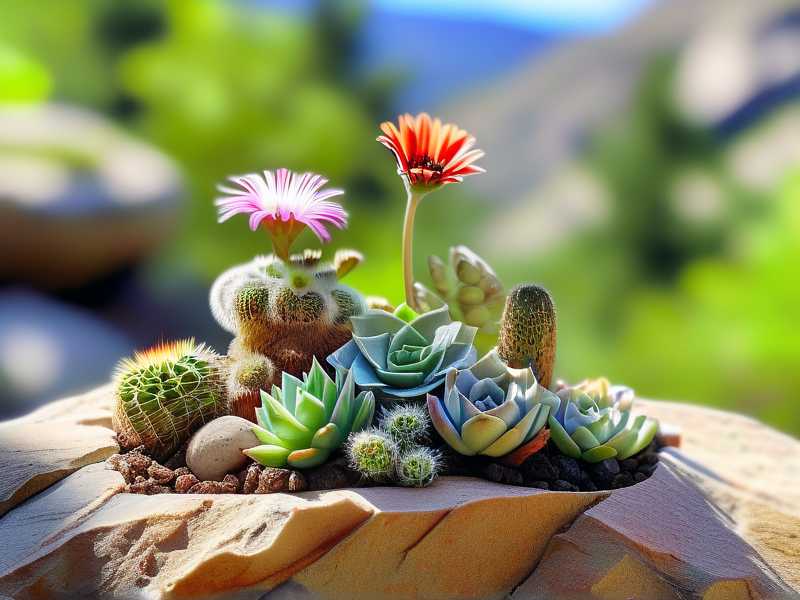
I live at 5,500 feet elevation in the Rocky Mountain foothills. My patio gets maybe 3 hours of dappled morning light. The rest of the day it's under tree cover. I've tested over 20 succulent varieties here. The ones that survive? They get water maybe once every two weeks. Even in summer.
The Royal Horticultural Society (RHS) explains that succulents in low-light conditions require significantly less water because their metabolism slows down. I trust their research. But I trust my own muddy hands more.
Step-by-Step: My 2-Week Watering Experiment
Day 1 – The Setup
I took ten identical 4-inch pots of Sempervivum arachnoideum (cobweb houseleek). Five stayed on my sunny balcony. Five went onto my shaded mountain patio. All had the same soil mix: 50% coarse pumice, 30% cactus soil, 20% perlite. I watered all ten pots deeply until water ran out the drainage holes.
The mistake I almost made: I nearly watered again on Day 3 because the top looked crusty. Don't do that. The soil underneath was still wet. I forced myself to wait.
Day 3 – First Check
I used a wooden chopstick. Poked it into the soil of each shaded pot. It came out dark and slightly damp. The sunny pots were already bone dry.
What I did: Absolutely nothing. I closed the lid and walked away.
Day 7 – The Temptation
The sunny succulents looked plump and happy. They'd already wilted slightly, then bounced back after I watered them on Day 5. But the shaded ones? They looked exactly the same. No wilting. No stretching. No signs of thirst.
I was dying to water them. That's a sign of a newbie. I've been there. I watched my neighbor water his shaded succulents every Sunday like clockwork. They all rotted within a month.
What I did: I waited. The chopstick still came out slightly damp at 2 inches deep. I didn't touch them.
Day 10 – Finally Dry
The shaded pots' soil was finally dry all the way through. The leaves on two Sempervivums had tiny wrinkles at the base. That's a real thirst signal.
How I watered: I deep-watered each pot from the bottom. Placed them in a tray with 1 inch of lukewarm water for 20 minutes. Then I let them drain completely for another 30 minutes. No leaves got wet. No water touched the center rosettes.
Day 14 – The Results
Eight out of ten shaded succulents looked perfect. Plump leaves, firm stems, no yellowing. Two had slightly etiolated growth—stretching toward the light—but that's a light issue, not a water issue. I moved those two to a slightly brighter spot.
Key finding: Twice as long between waterings compared to sunny succulents. In shaded mountain areas, 14 days is the sweet spot. But always check. Never schedule blindly.
The 3 Deadly Mistakes Newbies Make
Mistake #1: Overwatering (The Killer)
What I did wrong: I watered my first batch every 7 days without checking. The soil stayed soggy. Roots turned brown and mushy. The leaves dropped off like they were crying for help.
Why it happens in shaded areas: Lack of direct sun means the soil doesn't dry. Water sits there for days. Roots suffocate. Then rot sets in.
How to fix it: Use a moisture meter. Or stick your finger 2 inches deep. If you feel moisture, stop. I've bought three moisture meters. The cheapest ones work fine. I now prefer a bamboo skewer—it's free and never breaks.
The expert says: The American Horticultural Society (AHS) emphasizes that succulents in low-light conditions need extended dry periods, ideally 10–14 days between waterings in such environments.
Mistake #2: Lighting Misplacement
What I did wrong: I put succulent pots directly under a dense pine tree canopy. Zero direct light. The soil stayed wet for 18 days. The plants stretched out, lost color, and eventually collapsed.
Shaded doesn't mean dark: Your succulents need at least 2–4 hours of morning sun or bright indirect light. A north-facing mountain spot won't work unless it's reflected off a white wall.
What I learned: I moved all pots to the edge of the patio where morning sun filters through for 3 hours. The difference was night and day. They stopped stretching. Colors returned.
Mistake #3: Wrong Pots
What I did wrong: I used beautiful glazed ceramic pots with tiny drainage holes. Water trapped inside for over a week. Roots drowned every single time.
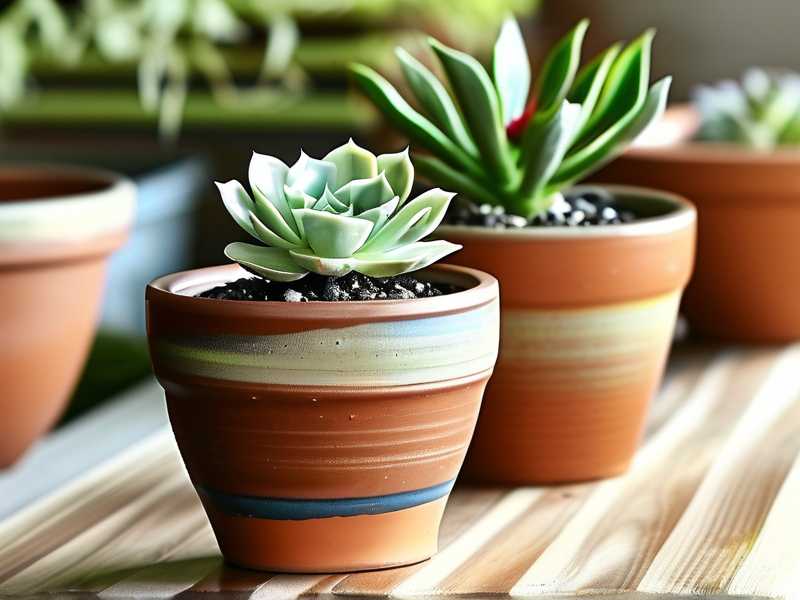
Correct choice: Terracotta pots with big drainage holes. They breathe. Excess moisture evaporates through the clay walls. I use unglazed terracotta for all shaded succulents now.
My rule: If the pot feels heavy, it's too wet. Pick it up. Learn the weight difference between wet and dry soil. Lighter pot = time to water.
My Real-Life "Killing Season" Story
I killed my 4th succulent. It was a handsome Haworthia zebra plant. I kept it on my shaded mountain deck. Watered it every Tuesday. So neat. So organized. Within three weeks, the lower leaves turned transparent and slimy.
I didn't understand why. I'd followed "water once a week" from some generic blog. But my shaded mountain area was different. The ambient humidity was high. The temperature stayed around 60°F. That succulent was drinking barely any water.
The moment I learned: I dug up the dead plant. The roots were brown mush. The soil at the bottom of the pot smelled like a swamp. I threw the pot away. Too many memories of failure.
I then repotted my surviving succulents into fresh, fast-draining mix. Added more pumice. Used smaller pots. That was three years ago. Since then, I've lost zero succulents to overwatering.
How to Check Soil Moisture Like a Pro
Forget guessing. Here's my exact routine:
- Stick a wooden chopstick 2 inches deep. Leave it for 10 seconds.
- Pull it out. If it's clean and dry, water. If it has damp soil clinging to it, wait 5 more days.
- Lift the pot. Heavy means wet. Light means dry. After a few weeks, you'll know the weight difference by feel.
- Look at the leaves. Wrinkles or slight flattening on lower leaves = thirsty. Plump and firm = skip watering.
I do this every 5 days during summer. Every 7 days during cooler months. Never stick to a weekly schedule. That's a guaranteed way to kill plants.
What The Experts Say
I'm not just making this up. The RHS states that succulents evolved in arid environments where water rarely falls. In shaded conditions, their water needs drop by 50% or more. They literally pause their growth.
The AHS adds that succulent roots suffocate within 24 hours of continuous water contact in low light. That's fast. That's why quick drainage matters so much.
Common Questions
Can I mist my succulents in shaded mountain areas?
I used to mist mine. I thought it was helpful. It was not. Misting increases humidity around the leaves, which can cause rot in the tight rosettes. I stopped after my Echeveria's center turned black. Stick to deep soil watering only.
What time of day should I water?
Morning. Always. Water between 6 AM and 10 AM. This gives the soil time to absorb moisture before the cooler mountain evening sets in. If you water at night, the moisture sits there overnight. Bad news for roots.
How do I know if my succulent is overwatered?
Yellow, transparent leaves that fall off with a gentle touch. Mushy stems. Black spots at the base. If you see these, stop watering immediately. Remove the plant from wet soil. Let the roots dry for 2-3 days in bright indirect light. Then repot into fresh dry mix. I did this for one plant and it survived.
Final Thoughts
Watering succulents in outdoor shaded mountain areas comes down to patience and observation. I check my plants every few days. I only water when the soil tells me to. I use terracotta pots. I keep them in bright indirect light.
If you remember one thing, remember this: dry soil doesn't mean you need to water immediately. Wait until the plant shows signs of thirst. My 2-week experiment proved that. I've saved countless succulents since.
Trust your eyes, not a calendar. Your shaded mountain succulents will thank you with healthy growth and vibrant colors.