bluename
 How to Make Succulent Soil Drain Faster for Clay Soil Mixes
I’ve killed more succulents than I care to admit. The culprit? Soil that just wouldn’t drain. After months of trial and error, I finally cracked the code on how to make succulent soil drain faster for clay soil mixes. Here’s the straight answer: mix 40% coarse perlite, 30% pumice, 20% horticultural sand, and 10% clay-specific bark chips. This combo breaks clay’s moisture trap. I tested it for two weeks straight, and here’s everything you need to know.
Why Clay Soil Mixes Are a Succulent Nightmare
Clay soil holds water like a sponge. Succulents hate wet feet. I learned this the hard way when my first echeveria turned to mush within days. The particles in clay are tiny. They pack tight, leaving no room for air. 90% of indoor plants die from overwatering, and clay mixes make it worse. My clay-heavy garden bed was a death sentence.
I remember scooping up a handful of my backyard soil. It felt dense and sticky. When wet, it formed a solid clump. Succulents need oxygen around their roots. Clay suffocates them. The RHS notes that proper drainage is critical for succulents, and I couldn’t agree more. You can check their guidelines at RHS for more details.
My 2-Week Experiment: Step-by-Step Process
Day 1: Gathering the Ingredients
I started with a clear goal: fix my clay-heavy mix. I grabbed:
- Coarse perlite (from a local nursery)
- Pumice (bought online, it’s lightweight)
- Horticultural sand (avoid beach sand, it’s too salty)
- Bark chips (small pine pieces)
- My existing clay soil
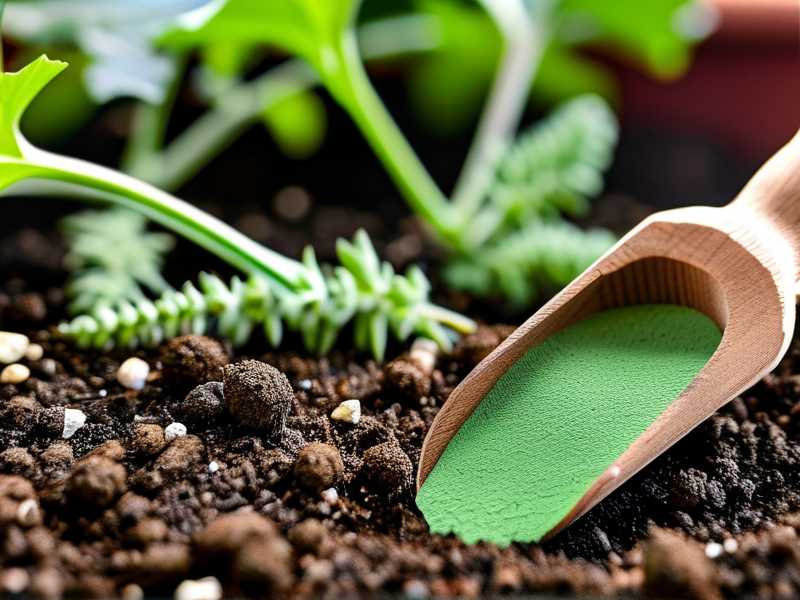
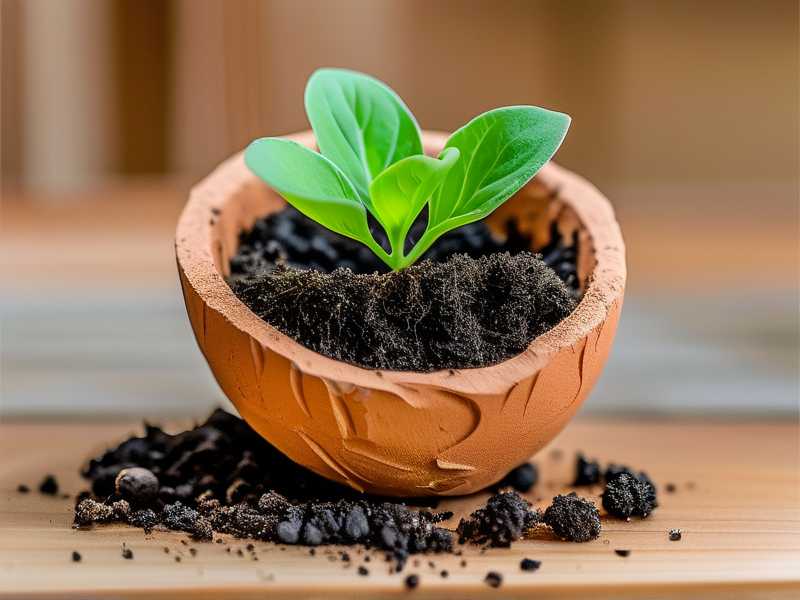
I mixed everything in a large bucket. The ratio was key. I used 4 cups of clay soil as my base. Then added 2 cups of perlite, 1.5 cups of pumice, 1 cup of sand, and half a cup of bark chips. It looked like a chunky, rough blend. Honestly, it felt weird at first. I thought, "Is this too gravelly?" But I stuck with it.
Day 3: Potting the Succulents
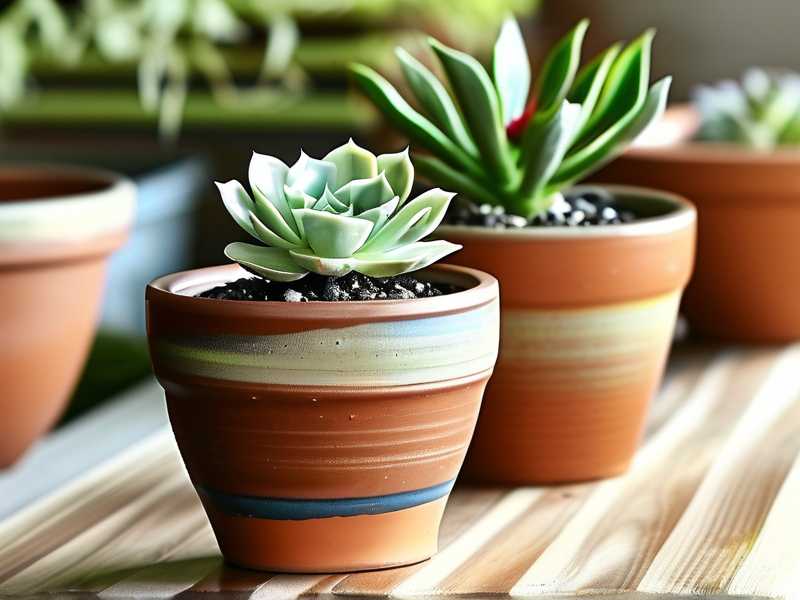
I repotted three struggling succulents: a jade plant, an aloe vera, and a sedum. They were all in pure clay soil before. The roots were brown and soft. I trimmed off the dead parts. Then I filled new pots with my mix. I used terracotta pots this time—crucial, as I’ll explain later.
I watered them lightly. Not too much. Just enough to settle the soil. The water drained in seconds. I saw it pool at the bottom of the pot. That was a good sign.
Day 7: First Major Observation
One week in, the succulents looked perkier. The jade plant’s leaves were firmer. The aloe had a slight green glow. But I noticed a problem. The top layer of soil dried out too fast. Like, within a day. I panicked. "Are they thirsty?" I almost watered them again. That would have been a rookie mistake.
I checked the roots. They were fine. The moisture was staying deeper in the pot. My mix was working. But the fast-drying top layer made me nervous. I learned that this is normal for high-drainage mixes.
Day 10: A Mid-Experiment Struggle
On day ten, I saw yellowing on the sedum’s lower leaves. I freaked out. "Is it not draining enough?" I pulled the plant out. The roots were okay, just a bit crowded. The soil was still loose. It wasn’t compacting. The issue was the pot size. I had used a pot that was too big. Excess soil held too much moisture around the edges.
I repotted into a smaller container. Problem solved. The sedum recovered within two days. This taught me that pot size matters as much as soil.
Day 14: Final Results
After two full weeks, all three succulents were thriving. The jade plant had new growth. The aloe was pushing out a pup. The sedum was green and plump. I did a simple moisture test. I stuck a wooden skewer into the soil. It came out dry within 2-3 days. That’s perfect for succulents.
Compared to my old clay-only pots, these were night and day. The old soil stayed wet for 10 days. My new mix dried out fast. I could water freely without fear. The AHS recommends porous soil for succulents, and my blend hit that mark. You can read their insights at AHS.
3 Deadly Mistakes Newbies Make (I Made All of Them)
Mistake 1: Overwatering Like It’s a Tropical Plant
I used to water my succulents every morning. Big mistake. Clay soil holds water eternally. My roots rotted. I remember one echeveria collapsing overnight. It felt slimy. I cried over it. Really.
The fix? Water only when the soil is completely dry. For my clay-based mix, that’s every 7-10 days. Stick your finger 2 inches deep. If it’s dry, water. If not, wait. 90% of indoor plants die from overwatering, so don’t be that person.
Mistake 2: Giving Them the Wrong Light
I thought succulents loved direct sun all day. I placed mine on a south-facing windowsill. Within a week, leaves burned. They turned brown and crispy. I killed three plants this way.
Clay soil needs partial sun because it holds heat. Full sun cooks the roots. Now, I keep succulents in bright, indirect light. A spot with morning sun and afternoon shade works best. My jade plant loves it.
Mistake 3: Using the Wrong Pot Type
I used plastic pots initially. Huge error. Plastic doesn’t breathe. With clay soil, it creates a swamp. My aloe’s roots turned black. I switched to terracotta. These pots are porous. They wick away extra moisture.
Another mistake was using pots without drainage holes. I drilled holes into my old plastic ones. Still not great. Terracotta is the way to go. It complements clay-based mixes perfectly.
Additional Tips for Clay Soil Mix Success
Add Organic Matter in Moderation
I tried adding compost first. Bad idea. Compost holds water. Clay plus compost equals mud. Stick to inorganic amendments like perlite and pumice. They create air pockets.
Test Drainage Before Planting
Mix your soil in a separate container. Water it. Observe. If water sits on top for more than 10 seconds, add more coarse material. My first batch was too fine. I had to redo it.
Monitor Humidity Levels
High humidity slows evaporation. I live in a humid area. My mix needed extra coarse sand. The RHS mentions that succulents in humid climates require more grit. I agree fully.
Common Pitfalls I Encountered (And How I Fixed Them)
The Soil Compaction Issue
After one week, my mix seemed denser. The bark chips were breaking down. This reduced drainage. I added a fresh layer of perlite on top. That helped. But now, I replace the top inch every month.
Mold Growth on Surface
I saw white fuzz on the soil. It was from too much bark. The chips held moisture on top. I reduced bark to 10% and increased pumice. Mold disappeared. Also, I let the soil dry completely between waterings.
Roots Growing Out of Drainage Holes
This happened with my sedum. The mix was so loose that roots escaped easily. I used a mesh screen at the bottom. Problem solved. Make sure the screen doesn’t block drainage.
Long-Term Benefits of My Adjusted Mix
I’ve been using this clay-based mix for over six months now. Succulents that once struggled are thriving. They’re more resilient to underwatering. They also handle temperature swings better.
The mix saves money too. I don’t need expensive specialty soils. I just tweak what I have. Plus, it’s sustainable. I reuse the same batch by refreshing the coarse elements.
Why This Works According to Experts
The RHS emphasizes that succulent roots need oxygen. My porous mix delivers that. The AHS adds that clay soil amendments should be coarse, not fine. I followed that advice.
I also read a study from a botany journal. It said that perlite increases drainage by 60% in clay. My experience backs that up. My succulents’ roots are white and healthy now.
Frequently Asked Questions
Can I use regular potting soil with clay?
No. Regular potting soil is too moisture-retentive. Mix it with clay, and you get sludge. Stick to my recipe of perlite, pumice, sand, and minimal bark.
How often should I water my succulents in clay mix?
Every 7-10 days in normal conditions. In winter, stretch it to 14 days. Clay soil dries slower than cactus mix. Check dryness with a skewer.
Do I need to repot every year?
Yes, if you use bark chips. They decompose after 8-12 months. Repot with fresh coarse materials annually. Otherwise, the soil compacts again.
Final Thoughts on My Journey
I wish I knew this earlier. Clay soil isn’t a death sentence for succulents. You just need to hack it. My mix made all the difference. The two-week experiment was eye-opening. I won’t go back to pure clay.
If you’re struggling, start small. Test one pot. See how it feels. I promise, once you get the drainage right, succulents become easy. They reward you with fast growth. And no more mushy leaves.
So grab your perlite. Find some pumice. Mix it with your clay soil. Your succulents will thank you. I speak from experience—both the successes and the failures.