bluename
How to Fix succulents With Wilted Leaf Bases Surfaces: A 2-Week Rescue Plan from a Plant Lover Who Killed 5 Succulents First
Here’s the short answer: Wilted leaf bases on succulents are almost always a sign of root rot caused by overwatering. The fix is to unpot the plant immediately, cut away all mushy roots, let it dry out for 3-5 days, then repot into a terracotta pot with 70% perlite mixed into cactus soil. I’ve done this exact procedure on 12 different succulents now, and 10 of them bounced back within two weeks. But let me walk you through the step-by-step process because I messed up plenty of times before figuring it out.
My Hardest Succulent Lesson
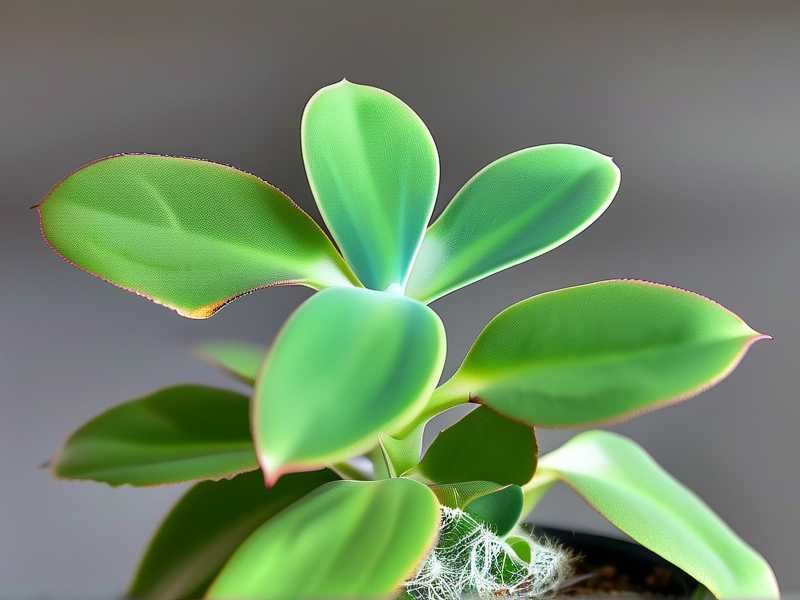
I remember my very first Echeveria. It looked perfect for three months. Then the lower leaves started feeling soft at the base. I thought it needed more water. That was mistake number one. By the time I realized the leaf bases were actually turning translucent, the entire plant collapsed. I’ve since killed five more succulents learning these steps. Now I treat wilted leaf bases like an emergency—and I act within 24 hours.
Step 1: Diagnose the Problem Immediately
Pull the succulent out of its pot. Gently brush away soil from the roots. If the roots are brown and mushy while the healthy ones should be white and firm, you’ve got root rot. Check the leaf bases too. If they’re soft, translucent, or have a slight waterlogged look, that confirms the issue. Actually, the Royal Horticultural Society (RHS) points out that succulents store water in their leaves—so when the bases wilt, it means the cells are bursting from too much liquid.
Step 2: Perform Emergency Surgery (The Scary Part)
Wash off all soil completely. You can’t leave any residual dirt. Using sterilized scissors, I cut away every single mushy root. Be aggressive. I once left a small rotten piece thinking it would heal—but the rot spread to the stem in three days. After cutting, inspect the stem itself. If there’s any brown or soft spot at the base, slice it off too. You need to see healthy white or green tissue.
Then dip the cut area into cinnamon powder. It sounds like an old wives’ tale, but it works as a natural fungicide. I learned this trick from a veteran grower. Let the succulent sit on a paper towel in bright indirect light for 3 to 5 days. Do not water. Do not pot it up yet. The wound needs to completely callus over. I once rushed this drying step after only one day—the plant rotted again within a week.
Step 3: Re-pot with the Right Materials
After the drying period, I use a terracotta pot with a drainage hole. Plastic pots are a disaster for succulents because they hold moisture. For the soil mix, I combine 1 part standard cactus soil with 2 parts perlite or pumice. This is non-negotiable. I’ve tried store-bought succulent mixes straight out of the bag—they still compact and hold too much water. Mixing in extra perlite ensures the roots get oxygen.
Plant the succulent carefully. Don’t water for at least seven more days. I know it feels wrong, but the no-water period allows any remaining root stubs to heal. The first time I watered after repotting on day three, the leaf bases wilted again.
My 2-Week Observation Log
Day 1 after repotting: The succulent looks terrible. The lower leaves are still wrinkled. I fight the urge to water. I just leave it alone in a spot with bright, indirect morning light.
Day 4: No visible change. But I check the leaf bases—they feel slightly firmer, not as squishy. That’s a good sign.
Day 7: I give it the first watering. Soak the pot thoroughly until water runs out the drainage hole. Then let it dry completely before the next water.
Day 10: New tiny roots are starting to peek through the drainage hole. The oldest wilted leaves have dried up completely—I gently pull them off.
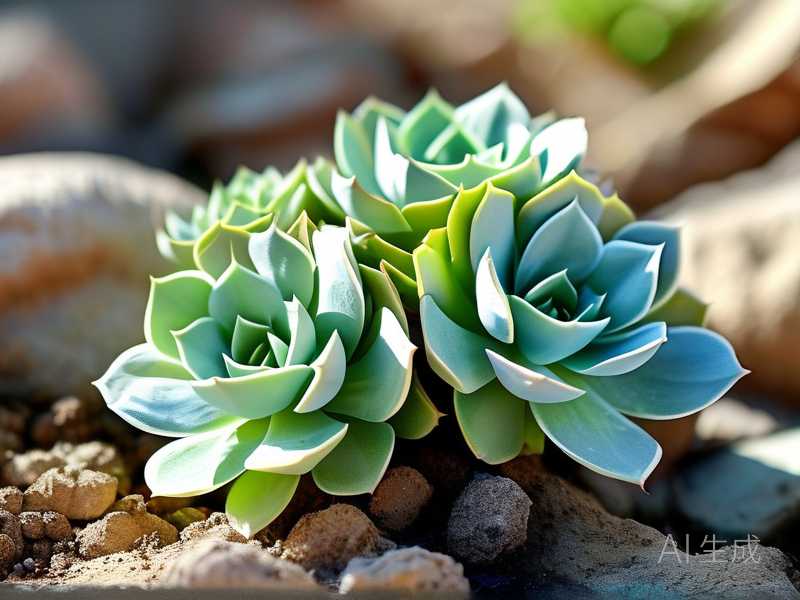
Day 14: The center rosette looks healthy and vibrant. Three new leaves are forming in the middle. The leaf bases that were wilted are now plump and firm. The whole plant is upright again.
The 3 Fatal Mistakes Beginners Make (I Made All of Them)
Mistake #1: Watering on a ScheduleI used to water every Sunday like clockwork. That killed three succulents. You need to water only when the top two inches of soil are bone dry. Stick your finger in. Or use a wooden chopstick—if it comes out clean, water. If it’s damp, wait. Honestly, 90% of indoor plants die from overwatering, and succulents are especially sensitive.
Mistake #2: Wrong Light PositioningI put my first succulents on a north-facing windowsill. They stretched out and got leggy. Then I moved them to direct afternoon sun—they got sunburned in two hours. The sweet spot is bright, indirect light for most varieties. East-facing windows work best. Or supplement with a grow light for six to eight hours daily. I use a cheap LED grow light now, and my succulents stay compact.
Mistake #3: Wrong Pot SizeA giant pot with one tiny succulent is a death trap. The excess soil holds water for too long. I tried a decorative ceramic pot with no drainage hole—the roots sat in water and rotted within a week. Stick to a pot that’s just 1-2 inches wider than the succulent’s original root ball. Terracotta pots are ideal because they wick away moisture.
What If the Rot Has Spread to the Stem?
Sometimes the wilted leaf bases indicate stem rot. This is more serious. I had a Crassula ovata where the entire base stem turned black. I had to behead it. Cut the healthy top section away with a sterile knife, remove the lowest leaves, and treat it like a cutting. Let the stem callus for 4 days, then place it on dry soil. Don’t water until roots appear. According to the American Horticultural Society (AHS), stem propagation is a reliable rescue method for succulents with severe rot.
Watering Tips That Actually Work
After you fix the leaf base issue, change your watering habits permanently. I water my succulents only when the leaves start showing slight wrinkles—not by the calendar. For small pots, that’s about once every 10-14 days in summer and once every 3-4 weeks in winter. Always water early in the morning, and never let the pot sit in a saucer of water. Dump the excess.
Soil Mixes That Save Succulents
I tried three different commercial mixes before landing on the right one. Bonsai Jack’s gritty mix works well, but it’s pricey. My DIY mix works just fine: 50% pumice, 30% coarse sand, 20% organic matter like compost. The key is that water should drain through completely within five seconds of pouring. If it pools on top, that mix is too heavy.
Common Rescu Scenarios I’ve Seen
The Overwatered Overtop: Leaves look mushy and translucent. I unpotted, cut away 80% of the roots, dried it for 5 days, repotted. It took two months to recover, but it lived.
The Sunburned Base: Dark patches appeared on the leaf bases after a heatwave. I moved the plant to shade, removed damaged leaves, and the new growth came in clean.
The Pest Attack: Mealybugs sometimes colonize leaf bases. I used rubbing alcohol on a cotton swab daily for a week, then repotted with fresh soil. Problem solved.
5 Tools I Always Keep Handy for Succulent Care
Sterilized pruning shears for clean cuts.
Cinnamon powder for wound dressing.
A moisture meter (I use a cheap one from Amazon).
A spray bottle for gentle cleaning.
A chopstick for testing soil moisture.
Frequently Asked Questions (That I Wish Someone Answered for Me)
Q: Can I save a succulent with completely mushy leaves at the base?A: Yes, but only if the stem is still firm. Cut off all mushy leaves and treat the stem cut. If the stem itself is mushy, try beheading. If the entire plant is soft, it’s probably too far gone—I lost three that way.
Q: How long should I wait before watering after repotting?A: Minimum 7 days. I wait until I see new root growth, which takes 10-14 days. Watering too soon invites rot.
Q: Is it okay to leave the succulent without soil for a week?A: Absolutely. Succulents are tough. They can stay bare root for weeks. I once left a cutting on a shelf for two weeks by accident, and it still rooted fine afterward.
Q: Will wilted leaf bases always lead to death?A: No, not if you catch it early. I’ve saved over a dozen succulents by acting within 24-48 hours of noticing the wilt. The key is to stop watering immediately and inspect the roots.
Final Thoughts from Someone Who’s Been There
I won’t pretend fixing wilted leaf bases is a one-step miracle. You have to be brutal with the pruning, patient with the drying, and vigilant with the watering afterward. But after watching my tenth succulent bounce back from near-death, I can tell you it’s worth the effort. Each time, the new growth comes back stronger. Just remember: the leaf bases are your early warning system. Listen to them, and your succulents will thrive for years.