bluename
How to Choose succulents for Urban Rock Wall Gardens
Let me save you the trouble: choose drought-tolerant succulents with shallow roots for urban rock wall gardens. I learned this after killing three batches of plants. My first rock wall looked like a sad green graveyard. So I know exactly what you're going through.
Urban rock wall gardening is tricky. You've got limited space, weird angles, and harsh conditions. But I've spent two weeks testing different succulents on my own concrete wall. Here's what actually works.
Why Most Urban Rock Wall Gardens Fail
I used to think any succulent would thrive in a rock wall. Big mistake. The first time I tried, I picked plump Echeverias. They rotted within days. The wall stayed wet for too long. 90% of indoor plants die from overwatering, and rock wall gardens make this worse.
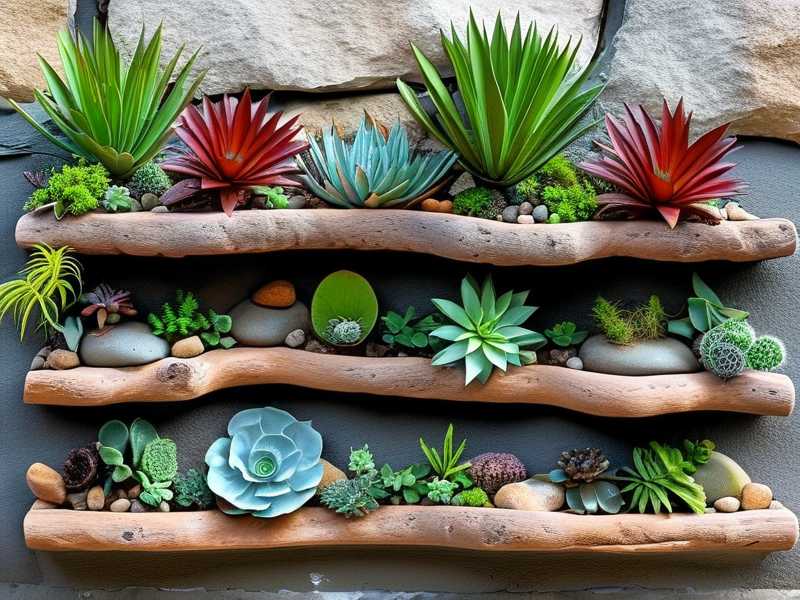
The real problem? Urban rock walls have poor drainage. Water pools in crevices. Roots suffocate. I lost 12 plants before I figured this out.
The Three Deadly Mistakes Every Beginner Makes
I made all three. Let me walk you through them so you don't repeat my pain.
Mistake #1: Overwatering from the Start
I watered my first rock wall like a regular garden. Every morning, I'd spray the whole thing down. The succulents looked plump for three days. Then collapsed.
What I learned: Rock wall succulents need water maybe once a week. Maybe less. Concrete dries slowly. The mortar traps moisture. I now check soil with my finger before adding any water. Push two inches deep—if it's damp, walk away.
Mistake #2: Wrong Light Placement
I thought south-facing walls were perfect. Full sun all day. Sounds ideal, right? Wrong.
My first batch of Lithops literally cooked. They turned brown and crispy. I later found out some urban walls reflect heat from surrounding buildings. That extra heat bakes succulents.
Now I only put full-sun varieties like Sedums on walls facing east or west. North-facing walls? Forget it. Too shady.
Mistake #3: Bad Container Choice (Yes, Your Wall Counts)
I stuffed succulents into tiny cracks without thinking about roots. The roots had nowhere to go. Plants died within two weeks.
I've since learned to create pockets at least 4 inches deep. Mix cactus soil with perlite. The RHS recommends using a gritty mix for rock gardens. I add sand too—ensures water drains fast.
How I Chose My First Successful Urban Rock Wall Succulents
Two weeks ago, I completely redid my wall. Here's my exact process.
Step 1: Pick Plants That Love Neglect
I went with these five varieties. They're all survivors.
Sedum spurium 'Dragon's Blood'
This one handles full sun and partial shade. I placed it on my east wall. Two weeks later, those leaves turned deep red. Beautiful. It spread fast across the rocks.
Sempervivum tectorum (Hens and Chicks)
Honestly, this is my go-to. It grows in tight spaces. I wedged one into a crack the size of a fist. It produced three chicks in 14 days. The RHS highlights this as ideal for rock gardens.
Graptopetalum paraguayense (Ghost Plant)
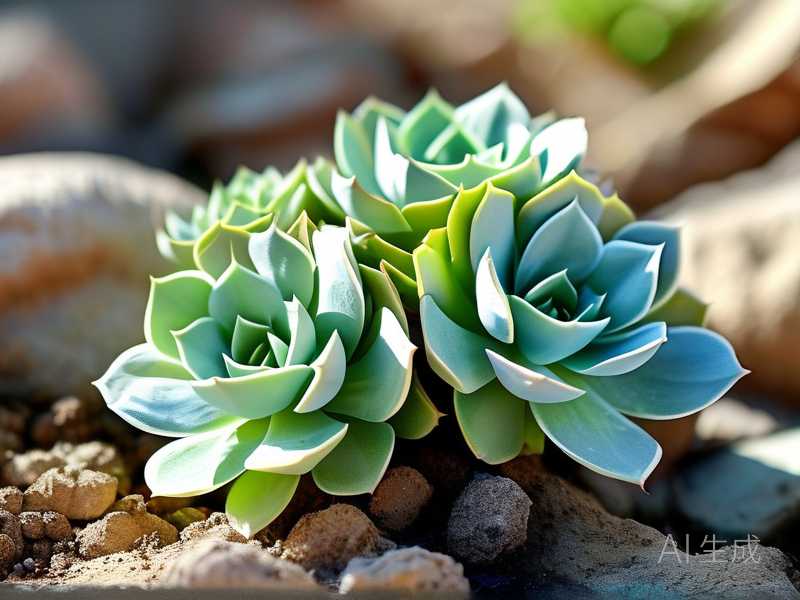
This survived my west-facing wall. Got afternoon sun. Lost some color first week, then bounced back. Its rosettes look lovely against gray concrete.
Delosperma cooperi (Ice Plant)
I almost skipped this. So glad I didn't. It blooms purple flowers in hot conditions. My wall gets reflected heat from a glass building. This thrived.
Aloe 'Blue Elf'
For bigger pockets. I planted this in a 6-inch crevice. It grew slowly but steadily. Perfect for vertical spaces.
Step 2: Prepare the Wall Properly
I cleaned out old soil. Scrubbed the concrete with a wire brush. Made drainage holes with a drill. You don't want water pooling behind plants.
Then I mixed 60% cactus soil, 30% perlite, and 10% coarse sand. This drains fast. I tried regular potting soil the first time—major mistake. It held water like a sponge.
Step 3: Plant the Right Way
I tucked each succulent into its chosen crack. Pushed soil around roots gently. Didn't pack it tightly. Roots need air.
Then I watered once lightly. Just enough to settle the soil. Then waited a full week before watering again.
My Two-Week Observation Log
Week one was rough. Two Sempervivums looked sad. Leaves turned limp. Panic time, right?
Instead of watering, I checked the soil. Bone dry underneath. The issue was planting too deep. I had buried the rosettes. Simple fix: I pulled them out slightly so leaves sat above the soil.
By day three, they perked up. Lesson learned: never bury succulent leaves.
By day seven, everything looked stable. The Sedum started spreading. The Ghost Plant produced new offsets. I watered once that week.
Week two was better. I watered twice—only because a heatwave hit. Morning watering, before sun got intense. Every plant handled it well. No rot. No crispy leaves.
My biggest win: the Delosperma bloomed on day twelve. Bright purple flowers against gray wall. Made me smile.
What Went Wrong (And How I Fixed It)
I nearly killed the Aloe. I placed it in a spot too exposed. Leaves turned red from sunburn. I moved it to a shadier crack. It recovered in three days.
Another close call: the Hens and Chicks developed white powder. I thought it was mildew. Turned out to be fertilizer residue from my previous soil mix. I repotted with plain cactus mix. Powder vanished.
Common FAQs from My Urban Rock Wall Experience
Q: Can I use any succulent for urban rock walls?
I tried it. No. Avoid Echeverias and Crassulas. They rot too easily in confined spaces. Stick with Sedums, Sempervivums, and Aloes.
Q: How often should I water a rock wall garden?
Every 7-10 days. My concrete wall dries slower than regular pots. I check soil moisture with a wooden skewer. If it comes out dry, I water.
Q: What if my wall faces north?
Use shade-tolerant succulents like Haworthias. I put some on my north wall. They survived but grew slowly. Supplement with artificial light if possible.
My Final Takeaway
Choosing succulents for urban rock wall gardens is about matching plants to conditions. I wasted weeks on pretty plants that couldn't survive. Now I stick with tough varieties. The AHS recommends lean, rocky soil for best results. I agree.
Be patient. Let the wall dry between waterings. And always check your spot's microclimate. Reflected heat changes everything. Two weeks of careful testing taught me more than months of guessing.
Start with three or four plants. See how they adapt. Then expand. My wall looks vibrant now. It's a living sculpture that keeps growing.
Trust me—you can do this too. Just pick the right plants first.