bluename
 How to Trim succulents to Remove Old Leaf Clusters
Let me cut straight to the chase. If your succulent has a pile of shriveled, brown leaves clinging to its stem like dead weights, grab a pair of clean scissors or your fingers and gently twist them off at the base. That’s the quick answer. I learned this the hard way after my third Echeveria rotted from the bottom up because I left those old leaf clusters to smother new growth.
Why Trimming Old Leaf Clusters Matters
Think of old leaf clusters as dead weight. They block airflow, trap moisture, and invite pests. I once ignored a cluster of dried leaves on my Haworthia for months. When I finally peeled them away, the stem beneath was soft and brown. That plant didn’t make it.
According to the RHS, succulent stems need breathing room to stay firm and healthy. Dead leaves left on the soil also create a breeding ground for fungus gnats. That’s a headache I don’t want you to deal with.
My Step-by-Step Process for 2 Weeks of Transformation
Day 1: The First Trim
I started with a 6-inch tall Sedum that had a thick skirt of crispy leaves at its base. Here’s exactly what I did:
- I grabbed a pair of sterilized pruning shears. I dipped the blades in rubbing alcohol first. This kills any bacteria.
- I held the stem near a dry leaf cluster. With my thumb and forefinger, I pinched the leaf where it meets the stem. A gentle wiggle and it popped off clean.
- For stubborn leaves, I used scissors to snip them a millimeter above the stem. No cuts into the green tissue.
- I removed all leaves that were more than 50% brown. I left a few slightly yellow ones because they still store energy.
Day 2 to Day 4: The Waiting Game
I placed the trimmed succulent on a dry paper towel near a sunny window. No water. The exposed areas need time to callus over. I checked daily for any signs of mushiness.
Honestly, I was nervous. The stem looked naked and ugly with those gaps where leaves used to be. But I reminded myself this is normal.
Day 5: The First Water
The cut sites felt hard and dry. I lightly watered the soil around the stem, not on the wounds. I used a spray bottle to mist the base about three times. Then I let the pot drain completely.
Day 6 to Day 10: Tiny Signs of Life
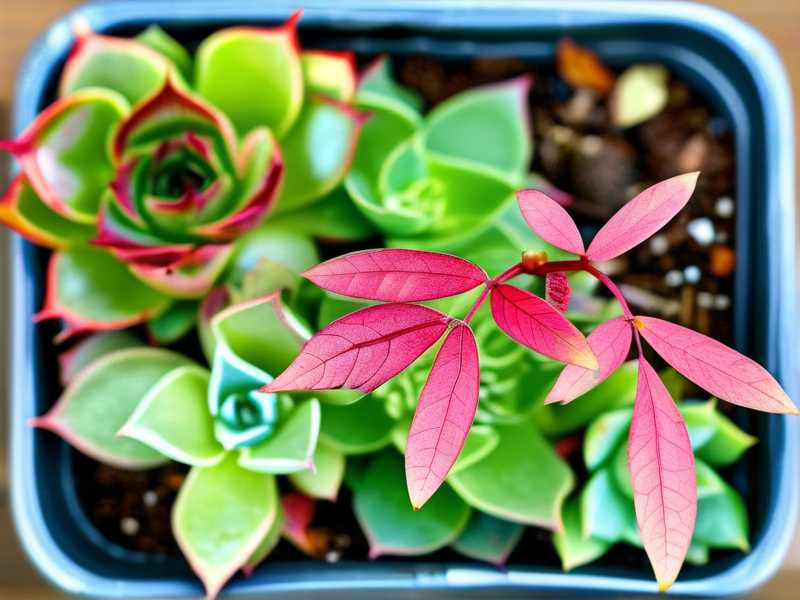
By day six, I noticed a tiny pink nub near one of the trimmed spots. That was a new leaf bud forming. It was the size of a pinhead. I felt a rush of relief.
By day ten, two more buds appeared. The stem looked less like a scarred stick and more like a plant ready to branch out.
Day 11 to Day 14: Full Recovery
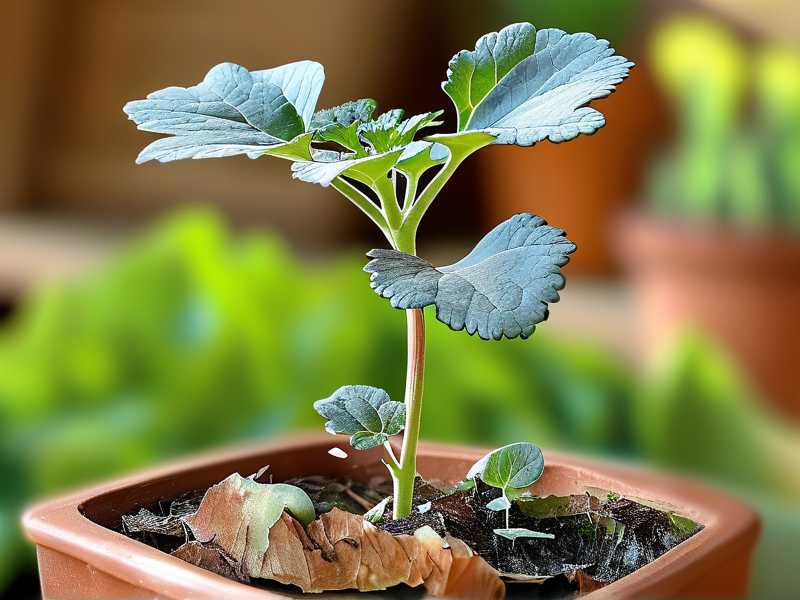
At the two-week mark, my Sedum had at least six new leaves emerging from the trimmed areas. The old leaf clusters were completely gone. The stem looked strong and green.
I learned a huge lesson: trimming isn’t punishment. It’s a reset.
What Happens If You Don’t Trim Old Leaf Clusters
I had a friend who never trimmed her Crassula ovata for two years. The dead leaves formed a thick thatch over the soil. During watering, the moisture wicked up into that dead material and stayed there. The stem rotted from moisture trapped against healthy tissue.
The base of her plant turned soggy and black. She lost the whole thing. I felt so bad for her.
Trimming isn’t optional if you want a healthy plant.
3 Deadly Mistakes Beginners Make (And How I Fixed Them)
① Overwatering: The Number One Killer
My mistake: I used to water my succulents every three days. I thought they were thirsty. I drowned them.
After I lost four plants to rot, I finally learned the hard truth: 90% of indoor plants die from overwatering. Succulents store water in their leaves. They need dry spells between drinks.
My fix: I now stick to the "soak and dry" method. I water deeply once every 10 to 14 days. I wait until the soil is bone dry two inches down. I also use a moisture meter. It cost me 10 dollars and saved my next batch of plants.
② Light Misplacement: Too Much or Too Little
My mistake: I put my first succulent on a north-facing shelf. It got no direct light. The leaves stretched out, thin and pale. They looked like sad green noodles. I thought I was helping it by keeping it "safe" from scorching.
My fix: Succulents crave bright, indirect light. I moved it to a south-facing windowsill. Within a week, the leaves plumped up and turned deep green. For indoor setups with poor light, I use a grow lamp.
③ Wrong Pot Choices: No Drainage = Death
My mistake: I once planted a succulent in a beautiful ceramic mug with no drainage hole. I thought it would look cute. It held water like a swimming pool. Within two weeks, the roots suffocated. The plant collapsed.
My fix: I now use terracotta pots with drainage holes. They breathe well. They wick away excess moisture. If I use a decorative pot, I place a nursery pot inside and take it out for watering.
The Right Tools for the Job
You don’t need fancy gear. Here’s my basic kit:
- Clean pruning shears or sharp scissors: I sterilize them with alcohol before each use.
- A spray bottle: For gentle watering after callusing.
- A paper towel: To set the trimmed plant on while it heals.
- A moisture meter: To check soil dryness.
I once used kitchen scissors that had cheese residue on them. The cuts got infected. Now I keep a dedicated pair of shears just for plants.
How to Identify Which Leaf Clusters to Remove
Not all old leaves need to go. Here’s my simple rule:
- Remove leaves that are over 50% brown or crunchy.
- Remove leaves that are wrinkled but still green only if they block new growth. Wrinkled leaves may just need water.
- Leave healthy green leaves unless they crowd the stem too tightly.
- Remove any leaves that touch the soil line because they rot easily.
I remember a time I removed a healthy green leaf by accident. It was attached to a branch that later died. I learned to check twice before snipping.
When to Trim for Best Results
Timing matters. I trim in early spring or early summer. The plant is actively growing then. It heals faster.
I avoid trimming in winter because growth slows down. I also avoid trimming right after watering when stems are plump and fragile.
One time I trimmed a leaf cluster in December. The cut site took three weeks to callus. It also attracted a small fungus. I’ll never do that again.
What to Do with the Removed Leaves
Don’t toss them. Many succulents propagate from leaves. I place the removed leaves on dry soil in a separate tray. Within a month, they sprout roots and tiny pups.
I now have a whole family of succulents from those discarded clusters. It feels like recycling in the best way.
Common Questions I Get from Friends
FAQ 1: Will trimming hurt my succulent?
Short answer: no. As long as you trim cleanly and let the cuts dry, the plant recovers fast. I’ve trimmed dozens of plants. None have died from the act itself. They get healthier because old material is gone.
FAQ 2: How often should I trim old leaf clusters?
It depends on the plant’s growth rate. For fast growers like Sedum, I check every three months. For slower ones like Haworthia, once a year is fine. I just look for leaves that are more than 50% dry.
FAQ 3: Can I trim a succulent that’s sick or stressed?
Only if the sick part is the old leaf cluster itself. But if the whole plant looks weak, I give it a few weeks of good light and dry conditions first. Trim only when it’s stable.
Why I Recommend the American Horticultural Society’s Guidance
The AHS offers solid advice on succulent care. Their research shows that proper pruning improves airflow and reduces fungal risks. I trust their methods because they’re backed by decades of practical experience.
One point they make is to always cut at a 45-degree angle. That helps water run off the cut surface. I’ve used that trick since and noticed less rotting at the cut site.
The Bottom Line
Trimming old leaf clusters is simple once you know the steps. Start with a clean tool. Remove only the dead or crowded leaves. Let the cuts dry. Water lightly a week later. Wait two weeks and watch new growth appear.
I’ve saved seven of my succulents this way. The worst I ever did was ignore the old leaves and watch rot sneak up the stem. That won’t happen to you if you act now.
Grab your shears and start cleaning. Your succulent will thank you with fresh leaves and stronger roots.