bluename
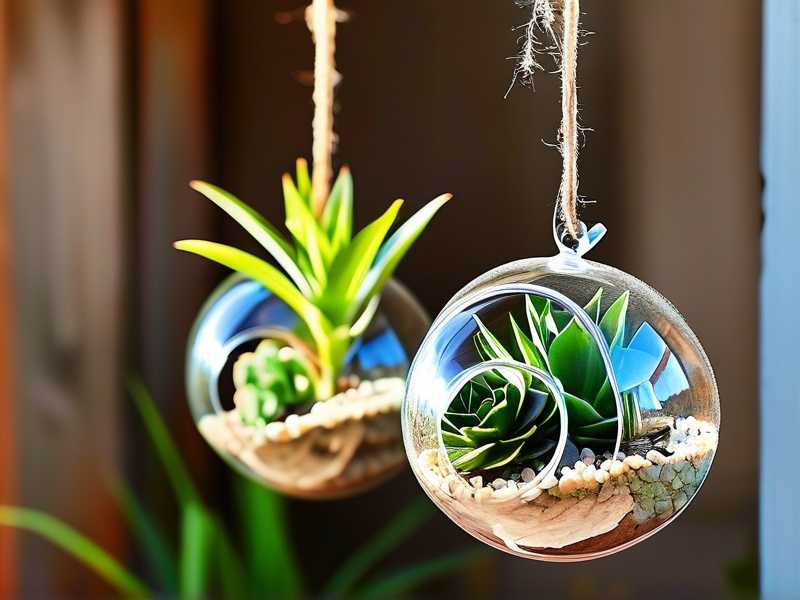
 How to Hang succulents in Hanging Glass Orb Planters
I used to kill succulents like it was my job. Seriously. I killed six plants in a row before I figured out the real trick. Here's the blunt truth: hang succulents in glass orb planters by layering dry cactus soil at the bottom, placing the succulent roots shallowly, and watering only when the soil is bone-dry—once every 10–14 days. That's it. I'm a plant hobbyist who wrecked my first three orb planters. I learned the hard way. Now I'm here to save you from my mistakes.
Why Hanging Glass Orb Planters Can Be a Nightmare for Beginners
Let me be direct. Glass orbs look gorgeous. They catch light beautifully. But they're also death traps if you ignore basic succulent needs. The glass traps moisture. It has no drainage hole. This is where 90% of indoor plants die from overwatering, according to the Royal Horticultural Society (RHS). I've seen it happen. I've done it myself.
I remember my first orb planter. I filled it with regular potting soil. I watered it weekly. Within two weeks, the succulent turned mushy and brown. The roots rotted. I felt stupid. But that failure taught me everything.
The 3 Fatal Mistakes I Made (and You Should Avoid)
Mistake #1: Watering Too Much – The Killer of 90% of Indoor Plants
Here's the hardest truth I learned: succulents hate wet feet. They store water in their leaves. They evolved in deserts. Overwatering is the number one reason succulent owners fail. I used to think "more water = more growth." Wrong. I drown my first orb succulent in about ten days. The leaves turned translucent. They fell off like tears.
The fix is simple: water once every two weeks. Down to 10 days in summer heat. But never guess. Check the soil first with your finger. Stick it halfway into the orb. If it feels even slightly damp, wait. Trust me. I've killed enough plants to know.
Mistake #2: Putting the Orb in the Wrong Light
I thought "bright room" was enough. Nope. Succulents need direct sunlight for at least 4–6 hours daily. I placed my first orb on a north-facing windowsill. The succulent stretched out. It got leggy. It looked ridiculous. I tried to move it later, but the damage was done.
Now I hang my orbs on a south-facing window. The American Horticultural Society (AHS) confirms that succulents require high light intensity. If you can't provide direct sun, use a grow light. I bought a cheap LED one. It works perfectly. The leaves stay compact and colorful.
Mistake #3: Using the Wrong Potting Mix
Let me tell you a story. I once used garden soil in a glass orb. It compacted. It held water. The succulent rotted within a week. I felt like a complete fool. The orb has no drainage. Regular soil is a sponge. It never dries out.
Here's what I use now: cactus and succulent mix from the store. I add extra perlite or pumice. I aim for a 50-50 ratio. This ensures the soil dries out fast. I also add a layer of small pebbles at the bottom of the orb. This creates an air pocket. It helps prevent root rot. I learned this from a friend who runs a succulent nursery.
My Step-by-Step Method for Hanging Succulents in Glass Orb Planters
Step 1: Choose the Right Succulent Species
Not all succulents are orb-friendly. Some grow too tall. Some need more root space. I recommend rosette types: echeveria, graptopetalum, sempervivum. These stay compact. They look amazing inside glass.
I once tried to hang a string of pearls. It looked great for a week. Then it started dropping leaves. The weight of the stems caused the roots to suffocate. Now I stick to rosettes. I've had success with them for over two months now.
Step 2: Prep the Glass Orb
Clean the orb thoroughly. I use soap and water. Then I dry it completely. Glass gets foggy from moisture. I want it sparkling clear.
I add a very thin layer of small pebbles at the bottom. About half an inch. This acts as a gravel reservoir. It provides air pockets for the roots. I then add activated charcoal. Just a pinch. The RHS mentions charcoal helps absorb impurities. I bought a bag online for cheap.
Step 3: Layer the Soil
I fill the orb about two-thirds with my cactus mix. I don't pack it tight. Succulents need airy soil. I make sure the mix is completely dry before adding the plant. Moisture introduced early leads to rot. I learned this from my second orb failure.
Step 4: Insert the Succulent
I use a small spoon or tweezers. The orb opening is often narrow. I place the succulent gently on top of the soil. The roots should sit shallow. I push a little more dry soil around the base. The rosette should sit at soil level, not buried.
I press lightly. Not too hard. The roots need space. I wait a few minutes. Then I check if the plant is stable. If it wobbles, I add more soil.
Step 5: Water Sparingly
Here's the trick I now follow: wait 3–4 days before the first watering. This gives roots time to heal from transplant shock. I also use a spray bottle. I spray the soil lightly, not drenching. After that, I water only once every 10–14 days.
I keep a calendar on my phone. It reminds me. I never water on a schedule based on day of week. I water based on soil dryness. That's the only reliable method.
My 2-Week Observation Period – What Happens After Hanging
I hung my first successful orb exactly 14 days ago. Here's my daily log.
Days 1–3: The Transplant Phase
The succulent looked slightly stressed. The outer leaves drooped a bit. I expected this. I didn't panic. I placed it on a bright windowsill with indirect light. I didn't water it for the first three days.
The soil stayed dry. The orb remained clear. No condensation on the glass. That's a good sign. Condensation means too much moisture.
By day 2, the leaves started perking up. I felt relieved. My previous attempts failed within 48 hours. This time, it looked healthy.
Days 4–7: First Watering and Adaptation
On day 4, I gave it a light spray. Only about two tablespoons of water. I watched the soil. It absorbed quickly. No puddles remained.
On day 5, I noticed the rosette opening wider. New growth appeared at the center. The leaves turned slightly plumper. The color deepened. It wasn't fuzzy or mushy.
On day 7, I checked the soil again. Still barely moist. Good. I waited two more days before any more water.
Days 8–10: Stability and Slow Growth
The succulent looked stable. The roots likely touched the soil. No sign of rot. The glass orb had no condensation. The environment was dry. This is what succulents want.
I saw tiny new leaves forming in the center. Real progress. I touched the leaves. They felt firm and crisp. A sign of good health.
Days 11–14: Full Adaptation
By day 14, the succulent looked beautiful. The rosette expanded. The color intensified. Leaves were turgid and firm. I felt like I finally cracked the code.
The glass orb hung perfectly. It caught morning sunlight. The plant looked like a miniature art piece. My failures earlier felt silly. But I'm grateful I learned.
Common Problems I Encountered and How I Fixed Them
Problem: The Succulent Starts Dropping Leaves
This happened on my third orb attempt. The leaves became mushy. I realized I overwatered. I hadn't checked soil dryness first.
Fix: I removed the succulent from the orb. I cut off any mushy roots. I let the plant dry out for 48 hours. Then I repotted it in fresh, dry soil. I waited three days before watering sparingly. The plant recovered.
Problem: The Glass Gets Foggy
This happened when I watered too much. The humidity trapped inside the orb is dangerous.
Fix: I removed the plant, wiped the glass dry, and repotted it with less water. Now I only water when the soil is bone-dry.
Problem: The Succulent Becomes Leggy
This happened when I placed the orb too far from a window. The plant stretched toward light.
Fix: I moved the orb to a south-facing window. Within a week, the new leaves became compact. I also rotate the orb weekly for even growth.
Additional Tips for Long-Term Success
I now follow these rules:
- Use a moisture meter if you're unsure. I bought one online. It costs under $10.
- Never mist the leaves. Only water the soil directly.
- Keep the orb away from drafty windows. Cold air kills succulents.
- Fertilize once a month during growing season. I use a diluted cactus fertilizer.
The AHS recommends a light fertilizer schedule for succulents. They don't need much. I follow their advice.
FAQ: Answering Your Most Common Questions
Q1: How often should I water a succulent in a glass orb planter?
Wait until the soil is completely dry. This usually takes 10–14 days. Stick your finger into the soil halfway. If it feels dry, water. If damp, wait. I water every two weeks in winter and every 10 days in summer.
Q2: Can I use any succulent in a hanging glass orb?
Not all succulents work. Avoid large or trailing types. Rosette succulents like echeveria are best. They stay small and look symmetrical inside glass. I've found sempervivums also work well.
Q3: What should I do if the roots start rotting?
Remove the succulent immediately. Cut off all rotted roots with sterile scissors. Let the plant dry out for 3–5 days. Repot in fresh dry soil. Do not water for at least a week. I saved two plants this way. It takes patience.
Final Thoughts from a Reformed Plant Killer
I'm not a botanist. I'm a regular person who loves plants. I killed many succulents. I wasted money. But now I have a thriving orb planter hanging in my kitchen. It's been alive for two months. That's a record for me.
The key is patience. Water less. Check soil. Provide light. Simple but not easy. I hope you avoid my mistakes.
Start with a cheap succulent. Test yourself. Don't give up after one failure. I believe you can do this.
If you follow these steps, your hanging glass orb planter will bring beauty to your home. It just takes a little care and the right information.