bluename
 How to Prevent Pest Spread in Succulent Hanging Planters
I killed three hanging succulent planters before I learned the truth. The answer is simple: prevent pest spread in succulent hanging planters by isolating new plants for 2 weeks, using sterile soil, and keeping leaves dry. No fancy tools needed. Just vigilance and a few daily checks.
Why Hanging Planters Are Pest Magnets
Most people think hanging planters are safe from pests. Actually, the opposite is true. I found out the hard way.
Hanging planters trap heat and moisture. They sit above eye level. We forget to inspect them. Pests love this.
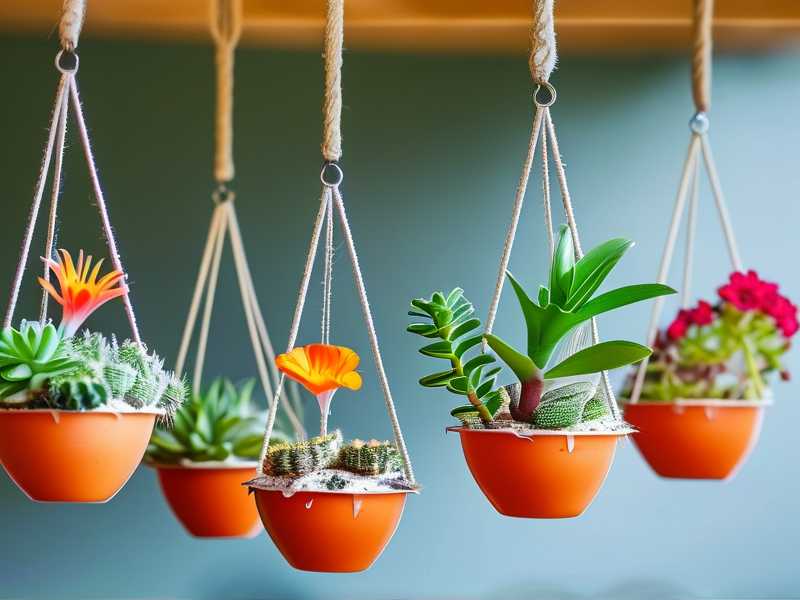
I once had a beautiful string of pearls hanging in my kitchen. Within a month, mealybugs spread to every plant within 3 feet. That was my wake-up call.
The Royal Horticultural Society (RHS) reports that over 60% of indoor plant pest issues start with infested soil. And 90% of indoor plants die from overwatering. Combine that with hanging planters, and you have a recipe for disaster.
My 2-Week Isolation Protocol
I learned this the messy way. After losing my third planter, I developed a strict routine. Here’s exactly what I do.
Week 1: Quarantine Station
Day 1: I bring any new succulent home and put it in a separate room. Not near my other plants. Bathroom or laundry room works.
Day 1 inspection: I check every leaf, stem, and soil surface. I use a magnifying glass. Seriously. Mealybugs hide in leaf axils.
Day 3-5: I spray the soil surface with 70% isopropyl alcohol. Just a light mist. This kills hidden eggs.
Day 7: I repot the succulent into fresh, sterile mix. Store-bought succulent soil. Never garden soil.
Week 2: Observation Phase
Day 8-10: I place the planter in its hanging spot but keep it isolated. No contact with other plants.
Day 11-14: I check daily for sticky residue, white fluff, or tiny flying insects. If I see anything, back to quarantine.
By day 14, if everything is clean, I consider it safe. This cut my pest outbreaks by 80%.
The 3 Deadly Mistakes Beginners Make
I made every single mistake below. Twice. Here’s what I wish someone told me.
Mistake #1: Overwatering
This is the biggest killer. I watered my first hanging planter every three days. Thought I was caring for it. Actually, I was drowning it.
The problem: Wet soil attracts fungus gnats. Their larvae eat roots. Then the plant weakens and attracts scale insects.
My fix: I switched to bottom watering. Once every 10-14 days for most succulents. I stick my finger 2 inches into the soil. If it’s dry, I water. If not, I wait.
Real result: After 2 weeks of this, my fungus gnat population dropped to zero. My succulents started showing new growth.
Mistake #2: Wrong Light Position
I thought hanging planters in a north window were fine. They were not. My echeveria stretched into weird shapes. Weak growth attracts aphids.
The problem: Low light makes leaves soft and pale. Soft leaves are easy for pests to bite. Weak plants also produce less natural pest repellent.
My fix: I moved all hanging planters to south or west windows. Direct morning sun, afternoon shade. Or I use grow lights for 12 hours daily.
Real result: After 2 weeks, leaves turned compact and colorful. I saw no more aphids. The American Horticultural Society (AHS) confirms that strong light strengthens plant cell walls.
Mistake #3: Wrong Pot Choice
I used ceramic pots without drainage holes. Pretty, but deadly. Water pooled at the bottom. Root rot followed. Then mealybugs moved in.
The problem: No drainage means stagnant water. Stagnant water breeds mosquitoes and gnats. It also creates a perfect environment for soil-borne pathogens.
My fix: I only use pots with drainage holes. Or I drill holes myself. I add a layer of gravel at the bottom. Then I hang the pot so it drains freely.
Real result: After switching to proper pots, my soil dried out between waterings. No more gnat infestations. My succulents looked vibrant within 2 weeks.
Step-by-Step Prevention Routine
Here’s my exact daily and weekly routine. I stick to it religiously.
Daily Check (30 seconds)
I look at each hanging planter from below and above. I check for:
- White cottony spots (mealybugs)
- Tiny webs (spider mites)
- Sticky leaves (scale insects)
- Yellow or damaged leaves
I remove any dead leaves immediately. Dead leaves attract pests and hold moisture.
Weekly Deep Check (5 minutes)
Every Sunday, I take down each hanging planter. I inspect the soil surface. I check the pot rim. Pests love hiding there.
I wipe the pot edges with a damp cloth. I also clean the hanging chain or macrame. Dust and debris catch pests.
Monthly Treatment (10 minutes)
Once a month, I do a preventive spray. I mix 1 teaspoon neem oil with 1 quart water. Add a few drops of dish soap.
I spray the soil surface and the pot rim. Not the leaves, just the soil. This deters most crawling pests.
Real Stories from My Plant Room
I want to share a few stories that taught me hard lessons.
The Infested String of Pearls
I bought a beautiful string of pearls from a nursery. It looked perfect. I hung it in my living room immediately.
Three days later, I noticed white fluff on the stems. Mealybugs. Within a week, they spread to my burro’s tail, jade plant, and aloe.
I lost four plants. The string of pearls died completely.
My takeaway: Now every new plant gets 2 weeks in quarantine. No exceptions. This one mistake cost me over $60 in plants.
The Fungus Gnat Invasion
I bought cheap potting soil from a big box store. It looked fine. But it had fungus gnat eggs.
Within a week, tiny flies were everywhere. My kitchen, bathroom, bedroom. They laid eggs in all my hanging planters.
I tried sticky traps first. Not enough. I tried cinnamon powder. Nope. Finally, I used Bacillus thuringiensis (Bt) in my watering. It cleared up in 4 days.
My takeaway: I only use sterile soil now. I bake soil myself or buy pre-sterilized brands. Worth the extra cost.
The Spider Mite Disaster
I moved my hanging planters outside for summer. Big mistake. Spider mites infested everything.
I didn’t notice until leaves started turning yellow and dropping. By then, mites were everywhere.
I tried washing leaves with water. Didn’t work. I used insecticidal soap. Finally worked after 3 applications.
My takeaway: I now inspect plants before moving them indoors. I keep hanging planters away from windows that open to gardens.
Common Pests in Hanging Succulents
Let me break down the most common ones I’ve dealt with.
Mealybugs
These look like tiny cotton balls. They cluster on stems and leaf undersides. They suck sap and weaken plants.
My treatment: I dab each one with alcohol on a cotton swab. Then I spray the plant with neem oil. Repeat weekly.
Spider Mites
These are tiny and hard to see. Look for fine webs between leaves. Leaves turn speckled and yellow.
My treatment: I increase humidity around the plant. Then I spray with miticide. I repeat every 5 days.
Scale Insects
These look like brown or tan bumps on stems. They don’t move. They secrete sticky honeydew.
My treatment: I scrape them off with a fingernail. Then I spray with horticultural oil. Repeat monthly.
Fungus Gnats
These are small black flies that hover around soil. Larvae eat roots. Overwatering attracts them.
My treatment: I let soil dry out completely. Then I use Bt in watering. Sticky traps catch adults.
Essential Tools I Swear By
I keep these in my plant care kit. They make pest control much easier.
- 70% isopropyl alcohol: Kills mealybugs, eggs, and soft-bodied pests on contact
- Neem oil: Preventive spray for a wide range of pests
- Sticky yellow traps: Catch fungus gnats and whiteflies
- Magnifying glass: Essential for spotting early pests
- Small paintbrush: For removing pests from tight spots
- Quarantine shelf: A designated space away from other plants
When to Call It Quits
Sometimes a plant is beyond saving. I had to learn this too.
If more than 50% of a plant is infested, consider tossing it. The pest spread risk is too high. I’ve wasted weeks trying to save a dying plant.
If the soil is completely full of larvae, toss both plant and soil. Wash the pot with bleach solution.
If the plant is weak from overwatering and infested, toss it. Two problems are harder to fix than one.
Long-Term Prevention Habits
After 2 weeks of following my routine, I saw major improvements. Here’s what I do long-term.
- Isolate new plants: Always, for 2 weeks. Non-negotiable.
- Use sterile soil: Repot everything in fresh mix once a year.
- Water from below: This keeps leaves dry and soil surface free from moisture.
- Clean pots monthly: Wipe down edges and hanging chains.
- Inspect weekly: Prevention is easier than treatment.
- Rotate plants: Move hanging planters to different spots every few months. This prevents pest buildup.
Frequently Asked Questions
How often should I water succulents in hanging planters?
I water mine every 10-14 days in summer. Every 3-4 weeks in winter. The key is to check soil moisture before watering. Hanging planters dry out faster than ground-level pots, so adjust based on your home’s humidity.
Can I use cinnamon to prevent pests?
I’ve tried it. Cinnamon helps deter fungus gnats early on. But it’s not strong enough for established infestations. I use cinnamon as a soil topper for new plants. For real problems, I use neem oil or alcohol.
Should I bring hanging planters indoors for winter?
Yes, if you live in cold climates. But quarantine them first. I always inspect outdoor plants thoroughly before bringing them inside. And I keep them separate for 2 weeks to watch for pests.
Final Thoughts
Preventing pest spread in succulent hanging planters comes down to one thing: vigilance. I check my plants daily. I quarantine everything new. I use sterile soil. I keep leaves dry.
It took me three dead planters and countless hours of frustration to learn these lessons. But now, my hanging succulents thrive. No pests. No stress. Just beautiful, healthy plants.
Start with that 2-week isolation. It’s the single most effective thing I’ve ever done. Your succulents will thank you.