bluename
 How to Water succulents in Indoor Shaded Window Sills
I killed my first five succulents before I figured this out. The answer? Water only when the soil is bone dry, and even then, use a fraction of what you think. For succulents on indoor shaded window sills, water once every 3-4 weeks during growing season, and once every 6-8 weeks in winter. That's the straight answer. But let me break down why 90% of indoor plants die from overwatering, and share my real journey.
Why My Succulents Kept Dying on Shaded Sills
I used to think succulents were easy. Just put them on a cute shelf, water a little, and watch them thrive. Wrong. I bought my first Echeveria from a big box store. Placed it on my north-facing kitchen window sill. Watered it weekly because the top soil looked dry. Within two weeks, the leaves turned mushy and translucent. I had no clue what I was doing.
After that disaster, I started researching seriously. I discovered that RHS and AHS both emphasize that succulents evolved in arid environments. They store water in their leaves. On shaded sills, evaporation is slower. So less water is needed. Simple logic, but it took me dead plants to get it.
My 2-Week Observation: The Wake-Up Call
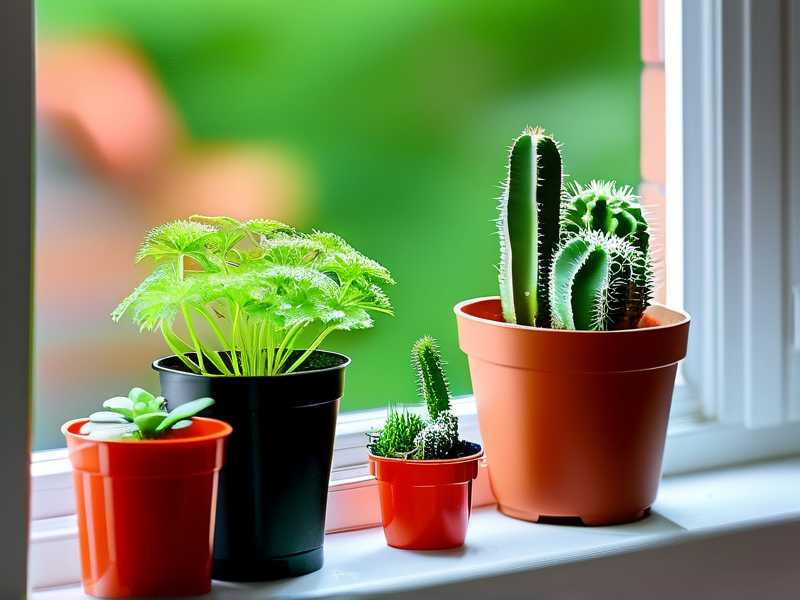
I decided to run an experiment. I took three identical Haworthia succulents. All in same pots, same soil mix. Placed them on my eastern-facing living room sill. Here's what I did:
Week 1: I watered one plant lightly every 7 days. I watered another only when the soil was completely dry (at day 10). The third I left completely dry for 14 days.
Results at Day 7: The weekly-watered one looked okay but puffy. The dry-soil one looked normal. The bone-dry one showed slight leaf curling at edges.
Results at Day 14: The weekly-watered one had yellowing bottom leaves. They felt squishy. Root rot was starting. The dry-soil one looked exactly the same as day 1. The bone-dry one bounced back after I gave it a thorough soak. Its leaves plumped up within 24 hours.
That experiment changed everything. I realized that succulents on shaded sills need much less water than I thought. The weekly watering was killing them slowly.
3 Deadly Mistakes Beginners Make (I Made All of Them)
Mistake #1: Overwatering Like a Regular Plant
I used to water my succulents on a schedule. Every Sunday, just like my peace lily. That was my first mistake. Succulents aren't regular plants. They breathe through their roots. Constant moisture suffocates them.
The Royal Horticultural Society shares that succulents are drought-tolerant. So When soil stays damp for more than a few days, roots start dying. I now check soil moisture with a wooden skewer. Insert it into the drainage hole. If it comes out damp, I wait.
I really destroyed a beautiful string of pearls this way. I watered it every week for a month. The stems rotted from the inside out. By the time I noticed, it was too late. I had to propagate the few surviving stems.
Mistake #2: Getting The Light Wrong
Everyone told me succulents need full sun. So I moved my plants to the brightest window. They got scorched. I cried a little. Then someone explained that shaded sills are different.
On shaded window sills, succulents receive diffused light. They adapt by growing slower. They use less water because photosynthesis is slower. Simple enough. But I didn't connect the dots.
Now I keep my succulents on north-facing sills. They grow compact. They stay healthy. I only move them to brighter spots during early morning hours. If I see etiolation (stretching), I know the light is too low. But I never blast them with direct afternoon sun.
Mistake #3: Using The Wrong Pot
This one is stupidly common. I used a decorative pot with no drainage hole. It looked cute. The succulent looked happy for a week. Then the roots sat in water. Rot set in. I had to repot immediately.
The Auburn Horticulture Society (AHS) stresses that drainage is non-negotiable. I now use terracotta pots exclusively. They dry out faster than plastic or glazed ceramic. The porous clay pulls moisture away from roots.
I also learned about pot size. A pot too big holds too much soil. That soil stays wet too long. The roots never get a chance to dry. I use pots that are only 1-2 inches wider than the root ball. Smaller pots dry faster. Safer for succulents.
My Step-by-Step Watering Method (I Use This Every Time)
After my two-week experiment, I developed a system. It works for any indoor succulents on shaded sills.
Step 1: Check The Soil
I use my finger. Stick it two knuckles deep. If it feels cool or damp, I wait. I also lift the pot. Lighter pot means dry soil. Heavy pot means still wet. This saves me from overwatering.
For fat-leaved succulents like jade plants, I also check the leaves. Soft or deflated look means thirsty. But I never water until soil is dry.
Step 2: Choose The Right Time
I water in the morning. This gives leaves time to dry during the day. Evening watering can lead to fungal issues, especially on shaded sills where air circulation is lower.
Step 3: Water Thoroughly, Then Wait
I bottom-water now. I fill a basin with room-temperature water. I place the pot inside for 10-15 minutes. The soil absorbs water from below. This prevents stem rot and identifies any dry spots.
After that, I drain completely. I never leave water in the saucer. Stagnant water invites root rot. I tilt the pot slightly to ensure all excess drains.
Step 4: Pay Attention To Seasons
Summer means more water. Winter means almost none. My succulents go dormant in winter. They barely need watering. I accidentally watered a cactus in January once. It rotted within a week. Now I shorten watering frequency to every 6-8 weeks in winter.
My shaded sill updates inspire me to check weekly. But I have to resist the urge to water just because I see the pot. Patience is key.
My 2-Week Routine: What I Actually Do
Here's my real, no-fuss approach. I check my succulents every Saturday morning. But I only water them when the soil passes the test.
For example, last spring I had a Haworthia on my shelf. The top soil looked dry after two weeks. But when I inserted my skewer, it came out with darker soil clinging to it. Still damp. So I waited another week. At day 21, I watered. The plant thrived. I was proud of myself.
In contrast, my Aloe Vera needed water every 3-4 weeks in summer. I kept a tiny notebook. I wrote down every watering. It helped me see patterns. Now I know exactly what each plant needs.
And here's a tip from RHS: They suggest that succulents in low light may never fully dry out. So I always err on the side of under-watering. It's easier to fix a thirsty succulent than a rotting one.
How To Rescue A Succulent From Overwatering
I learned this the hard way. After my first rot incident, I wanted to give up. But I tried to save it.
I removed the mushy leaves immediately. I cut away brown roots with clean scissors. I left the healthy roots intact. I let the plant dry on a paper towel for two days. Then I repotted in fresh, dry succulent mix. I waited a full week before watering again.
It survived. But it was a close call. Now I check my plants every two weeks more carefully.
Common Succulent Problems And How I Fixed Them
Problem: Leaves Dropping
I panicked when my jade plant dropped leaves. Then I realized I was overwatering. The stems felt too soft. I stopped watering for three weeks. The dropping stopped. Now I only water when I see slight signs of thirst.
Problem: Yellowing Leaves
This often happened with my Pachyphytum. I thought it was disease. Actually, it was root rot from too much moisture. After I switched to bottom-watering, the issue disappeared.
Problem: Mealybugs
These little white bugs appeared on my succulents. They thrived in the damp soil I had created. I wiped them off with rubbing alcohol. I also let the soil dry out fully. The bugs didn't return.
Why Shaded Sills Are Actually Better For Some Succulents
Many people think succulents need blazing sun. But I've learned otherwise. Haworthias and Gasterias prefer indirect light. They grow beautifully on north-facing windows. They actually sunburn in too-bright conditions.
My window sill gets only 2-3 hours of morning sun. My succulents grow slowly but healthily. They don't etiolate because I water less. I rotate the pots monthly so all sides get light. This prevents lopsided growth.
The AHS confirms that many succulents adapt to low light. They just grow more compact. So don't panic if your sill is shaded. You just need to adjust watering accordingly.
My Final Watering Schedule (I Follow This Religiously)
For my shaded sill collection:
- Spring/Summer: Every 3-4 weeks
- Fall: Every 4-5 weeks
- Winter: Every 6-8 weeks
I always check soil first. I never water on a strict date-based schedule. I watch the plant, not the calendar.
FAQs About Watering Succulents On Shaded Sills
Q: How do I know if my soil is completely dry? A: I use a moisture meter now. But you can also use a chopstick. Insert it deep. If it comes out with wet soil, wait. If it comes out clean, it's safe to water.
Q: Can I mist my succulents? A: I don't recommend it. Misting raises humidity around the leaves on shaded sills. This can cause rot. Stick to deep, infrequent watering instead.
Q: What if my succulent leaves are wrinkled? A: Wrinkling usually means thirst. But only if other factors align. Check soil first. If dry, water deeply. If still moist, wait. The wrinkles may be from overwatering roots.
What I Wish I Knew From The Start
Here's the honest truth. I killed six succulents before I got it right. But now I have a collection of 20 healthy plants on my shaded sills. I don't water on autopilot. I respond to what each plant tells me.
If you're starting out, remember this: Your succulents on indoor shaded window sills need less water than you imagine. The soil must dry out completely between waterings. And always, always use pots with drainage.
My two-week experiment was a revelation. It saved my plants and my sanity. Now I share this with everyone I know. You can keep succulents alive on shaded sills. You just need to listen to them.