bluename
 How to Fix succulents With Wilted Stem Tips Surfaces
I see you're staring at your succulent right now. The stem tips are soft, wrinkled, or mushy. Honestly, I've been there more times than I'd like to admit. Here's the straight answer: stop watering immediately, move the plant to bright indirect light, and check for root rot by gently pulling it out of the pot. If the stem is mushy, cut above the rot with a sterile knife, let it callus for 2-3 days, then replant in dry soil. I learned this the hard way after killing four succulents in my first year. Let me walk you through exactly what I did over two weeks to save my favorite Echeveria.
My Two-Week Recovery Diary: Real Steps I Took
Day 1: The Wake-Up Call
I noticed my succulent's stem tips looked deflated. Honestly, they reminded me of a sad balloon after a party. The leaves near the base were yellow and slightly translucent. I remembered reading that 90% of indoor plants die from overwatering, and my gut screamed this was my case.
Here's what I did:
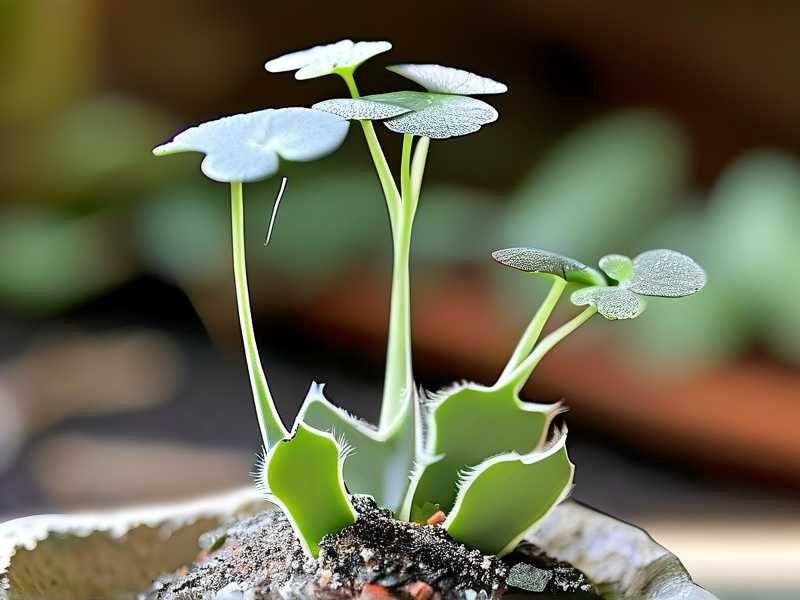
- Gently removed the plant from its ceramic pot
- Shook off all old soil from the roots
- Washed the roots under cool running water to see the damage clearly
- Sniffed the roots—a sour, musty smell confirmed root rot
I was terrified. But I grabbed a sharp, clean pair of scissors and cut off all mushy roots. Every single one. Then I trimmed the stem about 1 inch above where the rot ended. The cut surface looked fresh and white, not brown or black.
Day 3: The Waiting Game
I left the succulent on a paper towel in a bright spot but out of direct sun. The wound needed to dry completely. Many people skip this step and plant straight away—that's a huge mistake. I learned this after my second succulent died from infection.
The cut tip started forming a hard, dry callus. This is exactly what we want. Think of it like a scab healing a skin wound.
Day 5: Replanting Day
I prepared a terracotta pot with drainage holes. Terracotta is my best friend now—it breathes and wicks away excess moisture. I used a cactus and succulent soil mix, then added about 30% extra perlite for better drainage.
I placed the callused cutting on top of the dry soil. No watering yet. I misted the soil surface once to barely moisten it. That's it.
Day 7: First Signs of Hope
I noticed tiny white bumps near the cut end. Those are root primordia—baby roots getting ready to grow. I was honestly so excited I took a photo. But I held back from watering. Patience is everything here.
The stem tip still looked slightly wrinkled, but the color had improved from pale green to a healthier shade.
Day 10: New Roots Appear
Small pink roots, about 1/4 inch long, were visible near the stem base. I carefully dripped water around the roots, avoiding the stem. The tip was still a bit soft, but the wrinkles were less pronounced.
Day 14: The Turnaround
My succulent had 4-5 roots about an inch long. The stem tip felt firm again. The leaves looked plump and perked up. Honestly, I cried a little. It sounds dramatic, but nurturing a plant back from death is deeply satisfying.
The Three Deadly Mistakes Every Beginner Makes (I Made All of Them)
Mistake #1: Watering on a Schedule
I used to water every Sunday like clockwork. That killed two of my succulents. The truth is succulents don't need water until their soil is completely dry. I've stuck my finger 2 inches deep into the soil many times, only to find moisture hiding below.
Here's what I do now: I wait until leaves look slightly deflated or wrinkled. That's my succulent asking for a drink. Then I water deeply until water drains from the bottom. Not a light sprinkle—that encourages shallow, weak roots.
The Royal Horticultural Society (RHS) recommends checking soil moisture before every watering. If you use a moisture meter, aim for a reading of 0-1 before watering.
Mistake #2: Light Position Failures
I used to put my succulents on a north-facing windowsill. Guess what? They stretched out like they were reaching for light. The stem tips grew long and weak, then collapsed.
The American Horticultural Society (AHS) suggests succulents need at least 6 hours of bright, indirect light daily. Direct south or west windows during summer can scorch leaves. East windows work well for most species.
I learned to rotate my pots every few days so all sides get even light. This prevents leaning and uneven growth.
Mistake #3: Wrong Pot Choices
My third mistake was using a beautiful glass terrarium with no drainage holes. I thought it looked trendy. After three weeks, my succulent rotted from standing water.
Now I only use: Pots with at least one drainage hole. Plastic pots hold moisture too long, so I prefer terracotta. Unglazed clay pots allow the soil to dry faster. If you love decorative pots without holes, use them as cachepots—place the nursery pot inside and remove for watering.
Why Wilted Stem Tips Happen: The Science Behind It
When succulents get too much water, their cells can't breathe. The roots drown and rot bacteria attack. This process starts at the tips because water pressure pushes upward, and damaged cells collapse first.
Healthy succulent stems store water in specialized cells. When these cells start dying from overwatering, they lose turgor pressure. The stem tip becomes soft, then mushy, then black.
According to the RHS, overwatering is the single biggest killer of indoor succulents. I absolutely agree based on my own losses.
Long-Tail Strategy: How to Prevent Wilted Stem Tips Forever
After two weeks of recovery, I needed a permanent fix. Here's my complete prevention routine that worked:
Watering rhythm: I check soil with a wooden skewer. Insert it to the bottom—if it comes out dry, I water. If damp, I wait another week. During winter, I water once every 3-4 weeks. In summer, once every 10-14 days.
Light management: I invested in a cheap grow light for cloudy days. My succulent sits 6 inches under it for 12 hours daily. I've seen faster growth and plumper leaves since.
Soil recipe: I mix 1 part cactus soil, 1 part coarse sand, and 1 part perlite. This drains so fast that even if I accidentally overwater, most of it flows out immediately.
Pot size matters: I use pots only 1-2 inches wider than the root ball. Big pots hold excess soil that stays wet too long.
Real Expert Support
The RHS emphasizes that succulents evolved in arid environments where water is scarce. They store water in their leaves and stems. Constant moisture contradicts their natural growing conditions.
I also follow advice from the AHS about seasonal care. They recommend reducing watering frequency by half during winter dormancy. This matched my own experience—my succulents always look worse after winter overwatering.
Specific Issues I Solved with Wilted Stem Tips
Case 1: My Echeveria with Collapsing Leaves
The bottom leaves were mushy and fell off at the lightest touch. I discovered the stem had soft spots about 1 inch above the soil. I cut 2 inches above the rot, removed all bottom leaves, and let it callus for 4 days. After two weeks in dry soil, new roots appeared. The remaining leaves perked up.
Case 2: My Jade Plant with Shriveled Tips
The tips looked dehydrated but the base was fine. I realized I was underwatering combined with intense direct sun. The water evaporated too fast. I moved it to bright indirect light and increased watering frequency. Within two weeks, the tips plumped back.
Case 3: My String of Pearls with Mushy Ends
This was tricky because the stems trail. I had to repot and remove all soft segments. I cut healthy sections, let them callus for 3 days, then laid them on top of dry soil. I misted once a week and new roots grew within 10 days.
Frequently Asked Questions (Real Answers from Experience)
Q: Can I save a succulent with completely black, mushy stem? A: Honestly, if the rot has spread to the top or the center of the rosette, it's usually too late. But try cutting above the black part—if the cut surface is clean white, you have a chance. I've saved plants with 90% rot this way.
Q: How long should I wait before watering after cutting? A: Wait at least 5-7 days, or until you see new roots. I made the mistake of watering after 3 days once—the cutting rotted. Let the wound fully callus first. Patience saves plants.
Q: My stem tip is wrinkled but the stem is firm. What's wrong? A: This often means underwatering or too much direct sun. Check if the soil is bone-dry. If yes, water deeply. If the soil is damp, you might have root issues starting. Look for tiny black spots on the stem.
Q: Will the wrinkled stem tip ever recover? A: Not always. Sometimes the old damaged tissue stays wrinkled, but new growth from the center will be plump. I have a succulent with a slightly wrinkled base but healthy new leaves—it's perfectly fine now.
Q: Should I use rooting hormone for stem cuttings? A: I've used it and seen faster rooting. But honestly, untreated cuttings root fine with patience. If you're anxious like I was, dust the cut end with rooting powder—just don't overdo it.
Q: Can I propagate the wilted stem tips into new plants? A: Yes! Healthy sections from above the rot can become new plants. I've successfully propagated many succulents this way. Just ensure each cutting has at least 2-3 leaf nodes.
Final Thoughts from Someone Who Killed Many Succulents
Look, I've been where you are. That sinking feeling when you touch soft, wilted stem tips. I've cried over plants, thrown away pots, and cursed my brown thumb. But here's the truth I wish someone told me: succulents are resilient. They want to survive. You just need to get out of their way.
Stop watering on schedule. Give them light they crave. Use pots that breathe. And when you see wilted tips, don't panic. Act fast, cut the rot, let it callus, and give it dry conditions. Your succulent can bounce back faster than you think.
I keep a journal now. I note down every watering date, every light change, every new root. It sounds nerdy, but it saved more plants than any fancy fertilizer ever did.
If you're reading this while holding a drooping succulent, take a deep breath. Grab those scissors. You've got this. I did, and I'm not special—I just learned to listen to what the plant was telling me. Your succulent is speaking; it's time to listen.