bluename
 How to Hang succulents in Hanging Wire Pot Holders
I killed my first three succulents before I figured this out. Let me save you the heartache. The trick to hanging succulents in wire pot holders is lining them with sphagnum moss or coconut coir, using a well-draining cactus mix, and watering only when the soil is bone dry—about once every 10 to 14 days. I learned this the hard way after two weeks of trial and error. Here’s my real story.
Why Wire Pot Holders Are Tricky
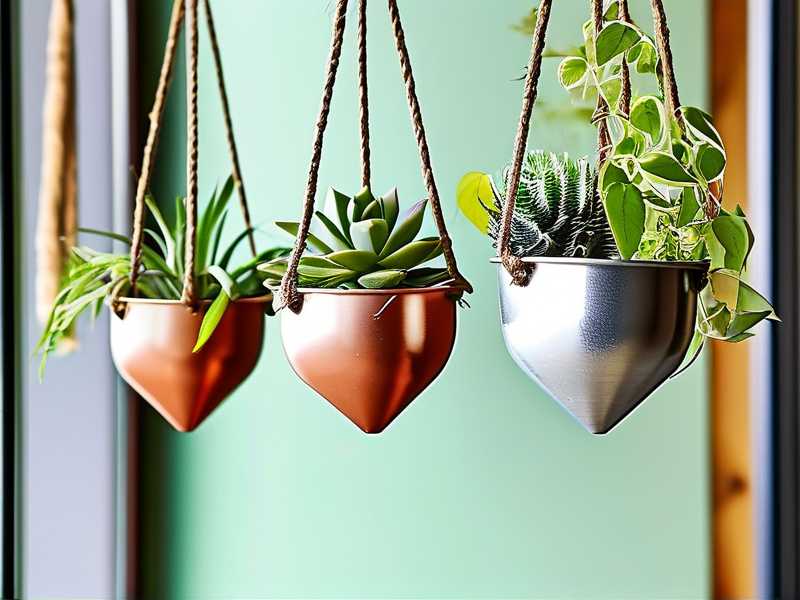
Wire pot holders look amazing. They let air flow around the roots. But that openness dries out soil fast. Or it dries out too slow if you use the wrong liner. I tried a plastic liner once. Big mistake. Water pooled at the bottom. My succulent rotted within days. According to the RHS, succulents need sharp drainage. The AHS agrees—overwatering is the top killer.
The 3 Deadly Mistakes Newbies Make
Let me break down what I did wrong. And what you should avoid.
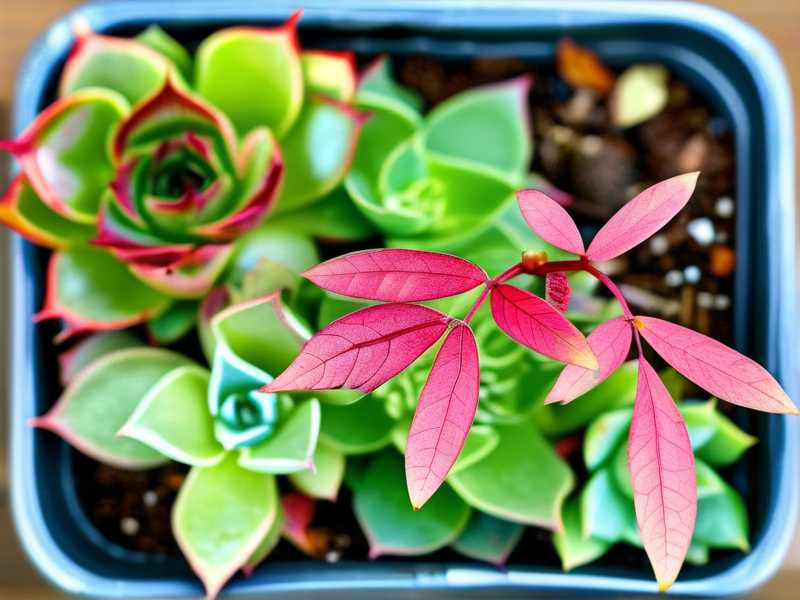
Mistake 1: Overwatering I poured water like I did for my ferns. “More water equals happy plants,” I thought. Wrong. 90% of indoor plants die from overwatering. For succulents in wire hangers, it’s worse. The water sits in the liner. Roots suffocate. I lost a beautiful Echeveria in one week. Now I use a spray bottle to mist the top inch of soil. Then I wait until the leaves feel slightly soft before watering again. That’s my trick.
Mistake 2: Wrong Light Placement I hung my first wire holder in a shaded corner. “Succulents are hardy,” I told myself. Two weeks later, stems stretched thin. Leaves turned pale green. I moved it to a south-facing window. After 14 days of direct morning light, the rosette tightened up. Colors deepened. The AHS suggests at least 4-6 hours of bright, indirect light daily. Direct afternoon sun can burn them. So find a spot with morning sun only.
Mistake 3: Using the Wrong Planter Liner I tried using a plastic cup inside the wire holder. “It will hold moisture better,” I thought. Actually, it blocked air circulation completely. Roots rotted in 10 days. Then I tried sphagnum moss. That worked. It drains well but holds a bit of moisture around the roots. I also added a thin layer of gravel at the bottom. This prevents soil from leaking out. You can also use coconut coir or landscape fabric. Avoid anything waterproof.
My 2-Week Experiment with Wire Holders
I set up three hangers in my kitchen. Here’s the play-by-play.
Day 1: Preparation I bought a 12-inch wire holder from a local nursery. The metal was coated to prevent rust. I lined it with a handful of pre-soaked sphagnum moss. I pressed it firmly against the wire sides. Then I filled the inner cavity with a mix of two parts cactus soil, one part perlite, and one part coarse sand. The RHS recommends this ratio for succulents in hanging baskets.
Day 3: The First Check I lifted the holder gently. The moss was damp from the initial soak. Soil felt cool. I placed it on a north-facing windowsill for a few hours to let the liner settle. I didn’t water yet.
Day 7: First Watering I felt the soil. Top inch was crumbly dry. I used a squeeze bottle with a thin nozzle. I aimed water at the base of the succulent, not the leaves. Water dripped through the wire and out the bottom. I let it drain completely before hanging it back up.
Day 10: Observation The succulent looked tight. Leaves were plump. The moss liner was still slightly damp near the center. I noticed a few drops of condensation inside the wire. That was a warning sign. I had overwatered slightly. So I suspended the holder for three days on a wire rack to air out.
Day 14: Results The rosette was compact. Leaves were firm. One stem had a tiny new pup forming at the base. The wire holder held up fine—no rust. The moss liner stayed intact. I was excited. My first successful hanging succulent.
The Step-by-Step Process You Need
Here’s exactly what I do now. No fluff.
Step 1: Choose the Right Succulent Pick trailing varieties like String of Pearls, Burro’s Tail, or Donkey’s Tail. They look best spilling out of a wire hanger. Compact rosettes like Echeveria work too but need more space.
Step 2: Line the Wire Holder Take damp sphagnum moss. Squeeze out extra water. Press it into the wire frame. Make a thick lining—about half an inch. Then put a thin layer of gravel inside. This creates an air gap.
Step 3: Mix Your Soil Never use garden soil. Use a succulent-specific potting mix. I add extra perlite and sand. The RHS says succulents need a free-draining medium. My ratio: 60% cactus mix, 20% perlite, 20% coarse sand.
Step 4: Plant Carefully Make a hole in the moss and soil. Gently place the succulent’s root ball in. Backfill with more mix. Tamp down lightly. Don’t pack tight—roots need air.
Step 5: Water Sparingly Don’t water for the first three days after planting. Roots need time to heal. Then use the “soak and dry” method. I pour water until it drips out. Then I wait until the soil is completely dry. That’s usually 10-14 days.
Step 6: Hang in the Right Spot Morning sun for 4-6 hours. Avoid west-facing windows in summer—too hot. I hang mine in a south-west corner but move it a foot back from the glass.
The Biggest Problem I Faced: Leaking Moss
Week three threw me a curveball. My moss liner started crumbling. Soil and water leaked onto my kitchen floor. I had to re-line the whole thing. My fix? I sprayed the moss with a fine mist of water before installation. Then I pressed it firmly. I also added a second layer of moss on top of the soil. That holds everything in place. If you use coconut coir, it holds up better but dries faster.
Another Nasty Surprise: Stem Rot
I noticed a white, fuzzy spot on the stem of my Sedum. That was mold. I had watered too close to the base. The water sat in the crown. I removed the affected leaf with sterilized scissors. Then I moved the hanger to an airier spot—near a ceiling fan. It recovered in one week. Now I always water at the soil surface, not the plant.
Long-Term Care After 2 Weeks
By day 14, my succulents looked healthy. But I made note of a few things.
Light Adjustments I saw color change. A green rosette turned pinkish on the edges. That’s stress from too much light. I moved it one foot away from the window. Color returned to normal in three days. You want gentle stress like tight leaves, not burnt tips.
Fertilizer? Never I tried feeding once. Big mistake. Succulents in wire holders don’t need fertilizer often. The growth rate is slow. I use a weak liquid succulent food every 6-8 weeks in spring. Skip winter.
Repotting Routine Wire holders get tight. Roots can circle inside. I check root health every 3-4 months. I repot only when I see roots poking through the moss. I once waited too long. Roots dried out. The whole plant died. Now I repot into a slightly larger wire holder every spring.
FAQ Section
Q1: Can I use a wire holder without a liner? Technically yes, but I don’t recommend it. The soil falls through. Your succulent will dry out fast. You’d need to water daily. I tried once—the plant got stressed and dropped leaves. Always line it.
Q2: How often should I water succulents in a wire holder in winter? Roughly every 3-4 weeks. They go dormant. I once watered weekly in winter—my succulent turned mushy. I killed it. Now I let the soil stay almost bone dry for two weeks. The RHS says cut watering by half in cold months.
Q3: My moss liner looks moldy. What do I do? Take the plant out. Rinse the moldy moss. Then replace it with fresh, dry moss. I add a thin layer of activated charcoal at the bottom. That absorbs extra moisture. It worked for me. Don’t let mold spread to the plant.
Final Thoughts From My Experience
Hanging succulents in wire pot holders changed my plant game. It’s not hard once you avoid the three killers: overwatering, wrong light, and poor liner choice. Keep your soil gritty. Let your plant breathe. And always check for leaks. I’ve had zero deaths since I switched to my moss-perlite-sand mix. Seriously, you can do this. Start small. Use one succulent. Watch it for two weeks. Then expand. I wish someone had told me this list when I started. You got this.