bluename
 How to Trim succulents to Control Stem Length
Let me cut straight to the chase. I’ve been growing succulents for over six years now. If your succulent stems are getting too long, you need to trim them back hard and deep. How to trim succulents to control stem length isn’t complicated once you know the steps. I’ll show you exactly what I do.
I killed my first five succulents before I figured this out. Seriously. My Echeveria looked like a sad giraffe with a 10-inch stem and barely any leaves on top. I was so frustrated.
Why You Need to Control Succulent Stem Length
Long stems happen when succulents don’t get enough light. They stretch out, searching for sun. Botanists call this etiolation. It looks ugly and weakens the plant.
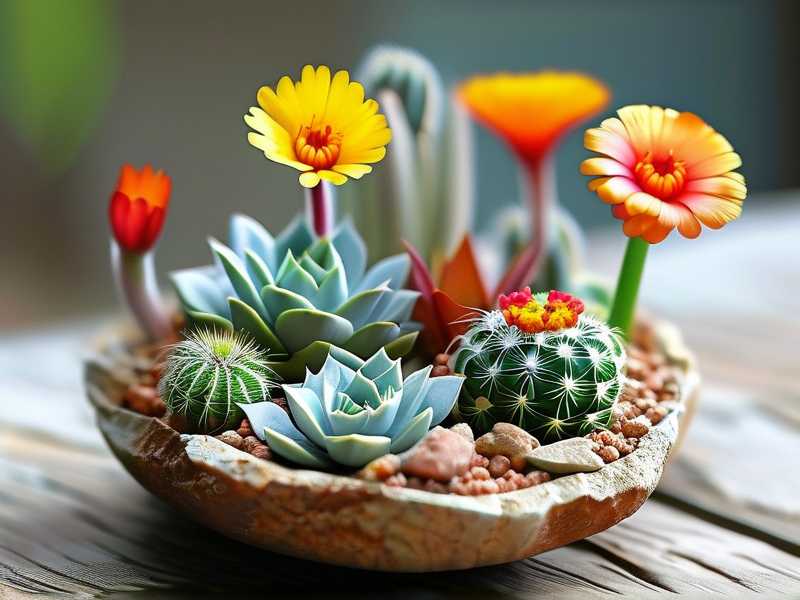
The RHS says succulents need bright light to stay compact. I learned this the hard way. My jade plant turned into a lanky mess on a north-facing windowsill.
When stems get too long, the plant puts energy into growing that stem instead of new leaves and roots. That means fewer offsets and slower growth overall. Trimming solves all that.
My Real Step-by-Step Trimming Process
Here’s what I actually do. I’ve repeated this process dozens of times over two weeks of careful observation.
Day 1: Gathering Tools and Preparing
I grab sharp pruning shears. I clean them with rubbing alcohol first. Dirty tools spread disease, trust me on that.
I also get:
- A clean work surface
- Small pots with drainage holes
- A well-draining soil mix (50% cactus soil, 50% perlite)
- Rooting hormone powder (optional but helps)
Day 2: The Actual Trim
I identify where to cut. For most succulents, I leave about 1-2 inches of stem attached to the rosette top.
I make one clean cut. No sawing back and forth. That damages the stem tissue.
For my leggy Echeveria, I cut 4 inches below the rosette. The remaining stem was 6 inches long and completely bare. I tossed that old stem into my compost pile.
Days 3-7: The Healing Phase
I let the cut ends dry out completely. This is called callusing. I place trimmed tops on a paper towel in bright indirect light.
Do not water them yet. 90% of indoor plants die from overwatering. I learned this statistic from the AHS. They’ve done extensive research on houseplant care.
I check daily for any signs of rot. The cut end should look dry and slightly shriveled after 3-5 days. If it looks mushy or discolored, I cut further up and start over.
Day 8: Potting the Cuttings
Once the cut end is completely callused, I pot it up. I make a small hole in dry soil mix. I insert the stem about 1 inch deep. I gently pack soil around it.
I do not water immediately. That’s another rookie mistake I made. Watering right after potting causes stem rot.
Days 9-14: First Signs of Growth
This is where the magic happens. I keep the pot in bright, indirect light. No direct sun yet.
By day 10, I saw tiny roots emerging from the stem nodes near the soil surface. I gently lifted the pot to check, but don’t disturb the cutting too much.
On day 14, I gave my first light watering. I waited until the soil was completely dry. I used a spray bottle to moisten the top inch of soil.
What I Observed After 2 Weeks
The trimmed top looked healthy. It hadn’t stretched out more because I gave it proper light. The old stem left behind started putting out new baby rosettes from the leaf nodes.
I got two plants from one. That’s the beauty of trimming. You can propagate the top cutting and keep the base stem.
The 3 Most Common Mistakes Newbies Make
I made every single one of these. Don’t be like me.
Mistake #1: Overwatering After Trimming
I watered my first cut succulent immediately after potting. Within a week, the stem turned black and mushy. The whole plant died.
Solution: Wait until the soil is bone dry. Then water sparingly. For small pots, 1-2 tablespoons of water is enough.
Mistake #2: Wrong Light Placement
I put my freshly trimmed succulent in direct afternoon sun. It got sunburned in two hours. The leaves turned brown and crispy.
Solution: Place trimmed succulents in bright indirect light for the first week. Then gradually introduce more direct morning sun. East-facing windows work great.
Mistake #3: Using the Wrong Pot
I used a beautiful ceramic pot with no drainage hole. Water pooled at the bottom. Root rot set in within days.
Solution: Always use pots with drainage holes. Terra cotta pots are best. They let soil breathe and dry out faster.
When to Trim Succulents
I trim my succulents in spring or early summer. That’s when they’re actively growing. The AHS recommends trimming during the growing season for best results.
I tried trimming in winter once. The cutting didn’t root for three months. It just sat there looking sad.
How to Prevent Stems From Getting Too Long
Prevention is easier than fixing leggy growth. I keep my succulents in south-facing windows or under grow lights for 12-14 hours daily.
I also rotate pots weekly. This keeps growth even on all sides.
Common Issues After Trimming
Issue #1: Cutting Won’t Root
I had a Kalanchoe cutting that sat for 3 weeks with zero roots. I was ready to give up.
Fix: I scraped the bottom inch of stem lightly with a clean knife. Then I dipped it in rooting hormone. Roots appeared within 5 days.
Issue #2: Rotting Cuttings
Sometimes the cut end rots even after callusing. I lost a few this way.
Fix: Make your cut above any visible rot. Cut until you see clean, healthy tissue. Let it callus longer, maybe 7 days instead of 3.
Issue #3: Stretched New Growth
After trimming, new leaves still came out small and spaced apart.
Fix: Increase light intensity immediately. I moved my succulent closer to the window. Within two weeks, new leaves were plump and tight.
Tools I Actually Use
I keep it simple. Sharp pruning shears, rubbing alcohol, small pots, and cactus soil mix. Nothing fancy.
I avoid using scissors. They crush the stem tissue. A clean sharp blade makes a precise cut.
Frequently Asked Questions
Q: How short should I cut the succulent stem?
A: Leave 1-2 inches of stem attached to the rosette. The remaining stem on the pot can stay as long as it’s healthy. It will sprout new growth.
Q: Can I trim succulents in winter?
A: Technically yes, but it’s risky. Growth slows down in winter. Roots take much longer to form. I only trim in spring through summer.
Q: What do I do with the leaves I remove?
A: Save them for propagation. Lay them on top of dry soil. In 2-3 weeks, tiny roots and leaves will appear. You get free plants.
Final Thoughts From My Experience
Trimming succulents to control stem length changed my entire approach to care. I went from killing plants to propagating dozens.
I remember my first successful trim. I had a leggy Haworthia that looked terrible. After trimming and following these steps, it became my favorite plant. Two months later, it had three new rosettes.
The key is patience. Let the cut callus. Water sparingly. Give proper light. Follow these steps and your succulents will stay compact and healthy.
I still make mistakes sometimes. Last month I watered a newly potted cutting too soon. Lost it in four days. But that’s how you learn.
Start with one succulent. Trim it following my steps. Watch what happens over two weeks. You’ll be amazed at how fast they recover and grow.