bluename
 How to Water succulents Using a Handheld Watering Can
The Short Answer: Use a handheld watering can with a narrow spout to water succulents only when the soil is completely dry. Water deeply until water drains out of the pot’s bottom holes. Wait for the soil to dry out completely again before watering. This simple method prevents root rot and helps succulents thrive.
You might think watering plants is easy. But I killed my first three succulents doing it wrong. I learned the hard way that 90% of indoor plants die from overwatering. After two years of trial and error, I finally figured out the exact technique with a handheld watering can.
Why Handheld Watering Cans Work Best
I tried spray bottles and cups at first. Both failed. Spray bottles only wet the surface. The deep roots stayed dry. Cups poured too fast and flooded the leaves.
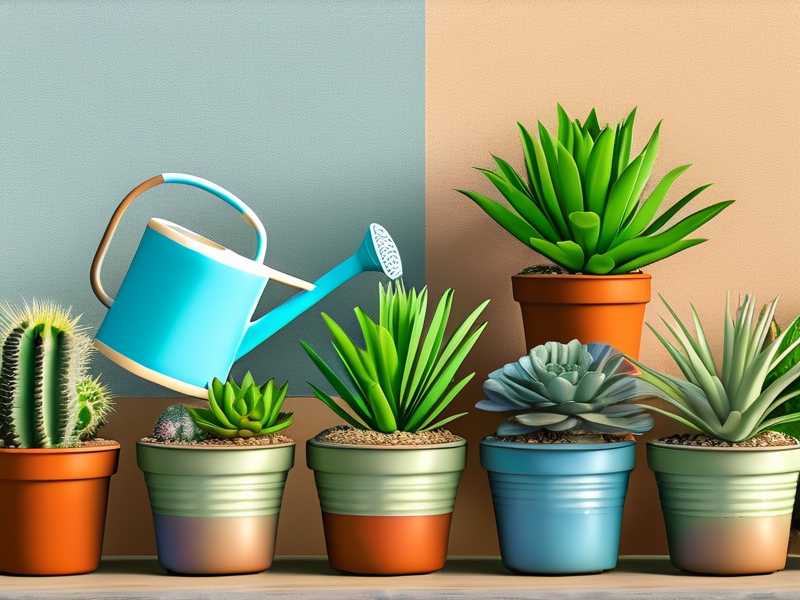
A handheld watering can gives you control. The long, thin spout targets the soil directly. You avoid getting water in the rosette center. Wet leaves rot quickly on succulents.
I bought a small 1-liter metal can with a 10-inch spout. It cost me $12 at a local garden store. Best investment I made for my succulent collection.
The 3 Deadly Mistakes Beginners Make
Mistake #1: Overwatering (The Killer)
I drowned my first echeveria within one week. I thought "more water = happier plant." The leaves turned mushy and yellow. Then the stem blackened. Total loss.
The truth hits hard: 90% of indoor plants die from overwatering according to the Royal Horticultural Society (RHS). Succulents store water in their leaves. They need long dry periods between drinks.
Mistake #2: Wrong Light Position
I placed my first succulent on a kitchen counter with almost no light. It stretched tall and thin. The leaves pointed downward. This is called etiolation.
This mistake made me water even more. I thought the plant was thirsty. Nope. It was starving for sunlight. Proper light reduces water needs. More light means less frequent watering.
Mistake #3: Using Wrong Pots
I kept my first succulents in decorative pots without drainage holes. In my head, they looked nice. In reality, the roots drowned in stagnant water.
I killed my second plant because I used a pot with a single tiny drainage hole. Clay soil clogged it. Water sat like a swimming pool under the pot.
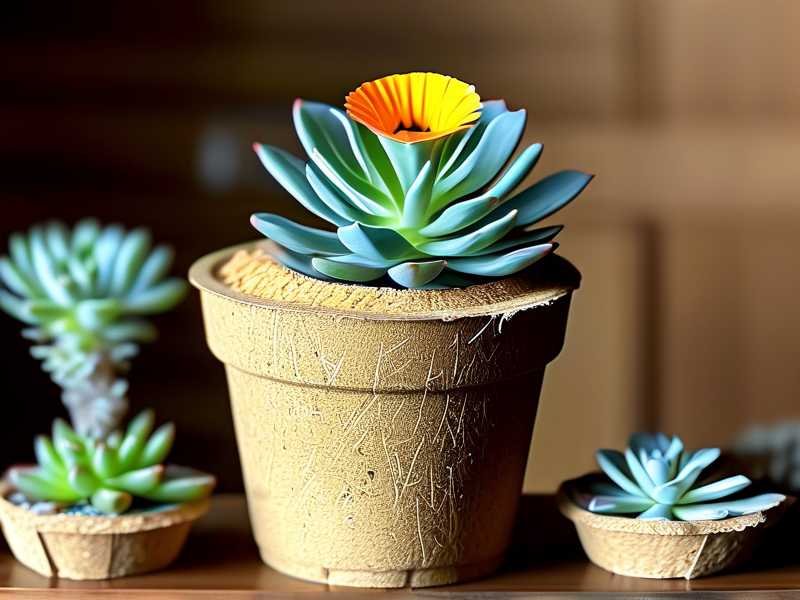
The fix: Always use terracotta or ceramic pots with multiple drainage holes. The RHS recommends terracotta for succulents for better airflow and faster drying.
My 2-Week Handheld Watering Can Method
Week 1: Setup and First Watering
Day 1: Check everything I stick my finger 2 inches deep into the soil. If it feels completely dry, I water. If damp, I wait.
My exact steps:
- Fill the watering can with room temperature tap water
- Let it sit for 30 minutes to let chlorine dissipate
- Place the pot in an empty sink or tray
- Slowly pour water at the soil base, avoiding leaves
- Keep pouring until I see water coming out of bottom holes
- Let the pot drain completely for 30 minutes
- Return the pot to its bright, indirect light spot
Day 3 observation: The soil surface started drying. Some lower leaves looked wrinkly. That stressed me out. I almost watered again. But I remembered: wrinkles mean the plant uses stored water. Perfectly normal.
Day 5 observation: Soil was completely dry at 2-inch depth. I checked again on day 6. Still dry. Good timing for second watering.
Day 7 observation: Wrinkles disappeared. Leaves plumped up within 24 hours after watering. This confirmed I had watered correctly.
Week 2: Adjusting to Actual Conditions
Day 8: I noticed my plant near a south window dried faster than the one on an east shelf. This made me adjust timing.
Day 10: The south window succulent needed water again. Soil was bone dry after only 6 days. The east shelf plant still moist.
Day 14 observation: Both plants showed firm, upright leaves. No yellowing. No mushiness. The bottom leaves curled up slightly - this meant they had enough water but weren't overwatered.
The Exact Watering Technique with Pictures
Step 1: Check Soil Moisture
I use three methods:
- Finger test (insert 2 inches deep)
- Wooden chopstick test (insert and check for dampness)
- Weight test (lift pot when dry vs after watering)
Step 2: Prepare Your Watering Can
Fill with filtered or distilled water if possible. Let tap water sit overnight. Cold water shocks succulent roots during active growth.
Step 3: Target the Soil
Aim the narrow spout at the soil directly. Avoid getting water:
- In the leaf rosette center (rots from inside)
- On the leaves (causes sunburn and fungal spots)
- At the stem base (triggers stem rot)
Step 4: Water Deeply
Pour slowly in a circular pattern around the pot. Go around the pot twice. The soil must be completely soaked. Shallow watering causes shallow root growth.
Step 5: Let It Drain
This is non-negotiable. The pot must drain freely for at least 30 minutes. Never leave standing water in the cache pot or tray.
Common Problems I Encountered
Problem 1: Water Getting on Leaves
What happened: My narrow spout still splashed water on the rosette. The next day, the leaf center looked wet and mushy.
Solution: I now tilt the can very slowly and pour against the inside of the pot wall. This directs water down without splashing upward.
Problem 2: Soil Pushing Out
What happened: The water stream was too forceful. Soil particles shot out of the pot.
Solution: I switched to a can with a rose (sprinkler head) attachment. This distributes water gently. Or I pour slower with a smaller nozzle.
Problem 3: Uneven Moisture
What happened: One side of the pot stayed dry while the other side soaked.
Solution: I pour in a slow, circular motion around the entire surface. Then I let water drain. I repeat after 10 minutes to reach deep corners.
How Often Should You Water?
There is no fixed schedule. It depends on:
- Pot material: Terracotta dries fastest (every 5-7 days). Plastic retains moisture (every 10-14 days). Glazed ceramic sits in between.
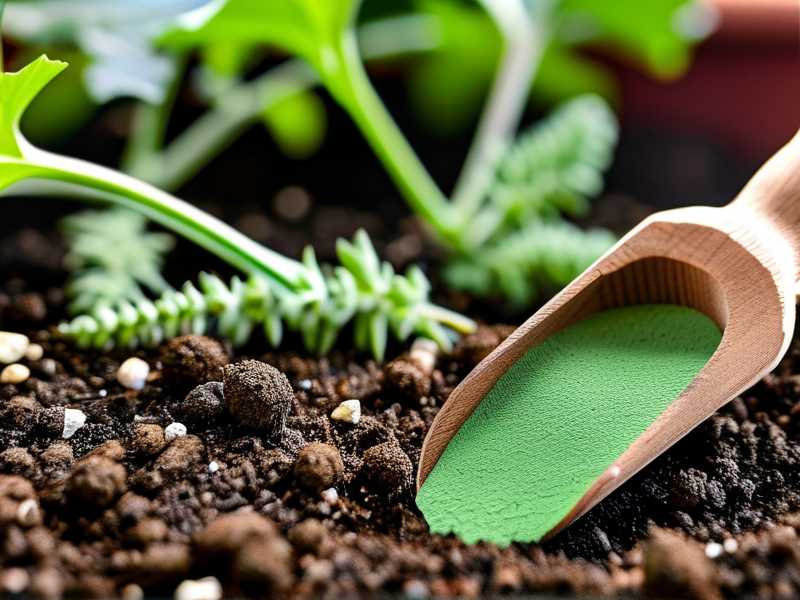
- Soil mix: Cactus mix with perlite dries faster than regular potting soil. My mix: 60% cactus soil + 40% perlite.
- Light exposure: Bright direct sun dries soil faster. Low light stays damp longer.
- Season: Water every 5-7 days in summer. Every 10-14 days in winter. Maybe even 3-4 weeks under dormancy.
The golden rule: Water only when the soil feels completely dry 2 inches deep. Not when the top looks dry. The American Horticultural Society (AHS) confirms this method for desert plants.
Signs of Overwatered vs Underwatered Succulents
I learned to read my plants after killing four specimens.
Overwatered:
- Leaves turn yellow or translucent
- Leaves fall off with light touch
- Stem feels mushy at base
- Soil stays wet longer than 10 days
- Foul smell from the pot
Underwatered:
- Leaves become wrinkled and thin
- Lower leaves shrivel and die
- Leaves curl inward
- Soil pulls away from pot edges
What I do when overwatered:
- Remove the plant from wet soil immediately
- Cut off all mushy roots
- Let the plant air-dry for 3 days on a paper towel
- Repot in fresh, dry cactus mix
- Delay watering for at least one week
What I do when underwatered:
- Soak the pot completely in a bowl of water for 30 minutes
- Let it drain fully
- Set a reminder to check soil weekly instead of daily
Watering During Different Seasons
Summer (active growth): Water deeply every 7-10 days. Morning watering works best. Avoid afternoon sun on wet leaves.
Winter (dormancy): Water every 3-4 weeks. Maybe once a month. The RHS states most succulents need very little winter water. I almost killed my Haworthia by watering weekly through winter.
Spring and Autumn: Gradually increase or decrease frequency. Watch your plant, not the calendar.
Specific Succulents and Their Watering Needs
Not all succulents are the same. Here's what I found after keeping 20+ species:
Echeveria: Needs less water. I water every 10-14 days. Rosette center must stay dry.
Aloe vera: Tolerates occasional neglect. Water every 2-3 weeks. Let soil dry completely.
Haworthia: Minimal water. Every 3-4 weeks in winter. I actually killed one by overwatering in November.
Jade plant (Crassula ovata): Dries faster. Water every 7-10 days. Thick stems store water well.
Sedum: Very forgiving. Water every 10 days. Lower leaves wrinkle first when thirsty.
Sempervivum (Hens and Chicks): Hardy but hates wet feet. Water every 10-14 days. Keep in shallow pots.
The Tools I Use
I don't use fancy gadgets. But these three tools changed my watering game:
- 1-liter handheld watering can with 10-inch spout (exact pour control)
- Moisture meter (costs $10 online, accurate reading)
- Terracotta pots (breathable, prevents overwatering)
FAQ: Real Questions from Plant Lovers
Q: Can I water succulents with ice cubes?
No. Ice cubes provide inconsistent watering. The cold temperature shocks roots. I tried this once. The plant developed black spots within days. Stick to room temperature water.
Q: Should I mist my succulents?
No. Misting does not hydrate the plant. It only wets the leaves. This causes fungus and rot. The leaves need air circulation, not water. Mist only for seed germination, not adult succulents.
Q: Why are the bottom leaves turning yellow?
This usually means overwatering. Check soil moisture immediately. If soil is wet, stop watering. Let it dry for 2-3 weeks. Yellow leaves also indicate light deficiency.
Final Tips from My Experience
I now water about 20 succulents every Sunday morning. It takes 10 minutes total. The routine is simple: check dryness, water deeply, drain completely.
My biggest lesson: wait longer than you think necessary. I used to water weekly believing that's "consistent." My plants hated it. Now I water based on the plant's cues, not my schedule.
If you're a beginner, start with a single succulent. Practice the dry-out method for two months. you will learn more by killing one plant than reading ten articles.
Bottom line: A handheld watering can is the best tool. Use it with patience. Overwatering kills succulents faster than any pest or disease. Let the soil whisper when it's ready.