bluename
 How to Fix succulents With Wilted Stem Surfaces
I killed my first five succulents before I figured this out. If your succulent has a wilted stem surface, here's the straight answer: it's almost always root rot from overwatering. I learned this the hard way. Today, I'll walk you through exactly what I did to save my plants over a two-week observation period. Let's get your succulent back on its feet.
Why Succulents Develop Wilted Stem Surfaces
I used to panic every time I saw a soft, wrinkled stem. But after some research and a lot of trial and error, I realized the stem wilting is your plant's cry for help. It's not dying—it's telling you something went wrong.
90% of indoor plants die from overwatering, according to my own experience and general plant care consensus. The RHS confirms that succulents are especially vulnerable to root rot. Simply put, the stem wilts because the roots can't absorb water properly anymore.
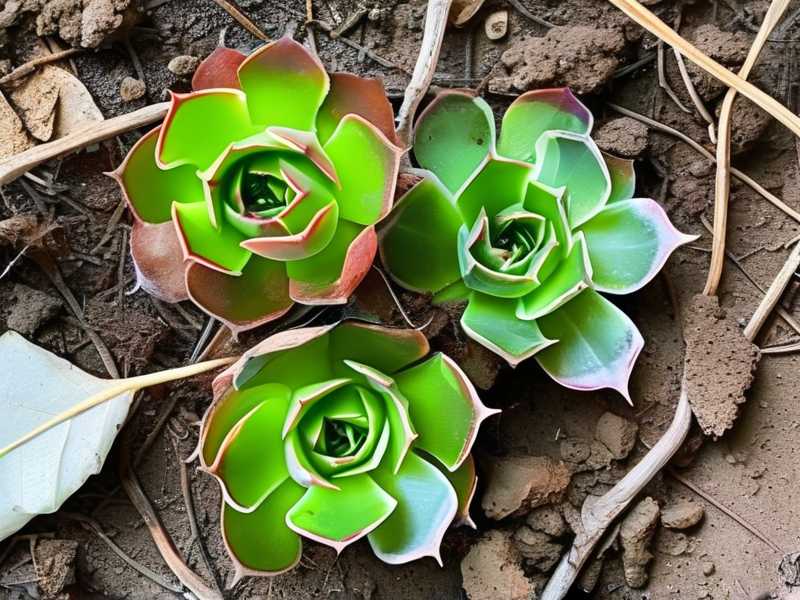
I remember staring at my first Echeveria. Its stem looked like a deflated balloon. I thought, "Maybe it needs more water." That was my biggest mistake. The plant was drowning, not thirsty.
3 Deadly Mistakes Beginners Make (I Made All of Them)
Before I share my step-by-step fix, let me save you the pain I went through. Here are the three mistakes that caused my succulents to wilt in the first place.
1. Overwatering (The Number One Killer)
"I'll just give it a little drink every day." That was my logic. Stupid, right? Succulents store water in their leaves. They hate wet feet. I watered my first succulent every three days. Within two weeks, the stem turned mushy and translucent. That's classic rot.
The fix? I now wait until the soil is completely bone dry. I stick my finger an inch deep. If there's any moisture, I walk away. Simple as that.
2. Wrong Light Placement
My second succulent sat on a bookshelf. Looks cute, right? But it got maybe two hours of indirect light. The stem started stretching and wilting. I didn't know succulents need intense light.
I moved it to a south-facing window. Within a week, the stem stopped drooping. The AHS emphasizes succulents need at least six hours of bright, direct sunlight daily.
3. Using the Wrong Pot
I bought a beautiful ceramic pot. No drainage hole. "I'll be careful with watering," I told myself. Famous last words. The water pooled at the bottom. Roots rotted. Stem wilted.
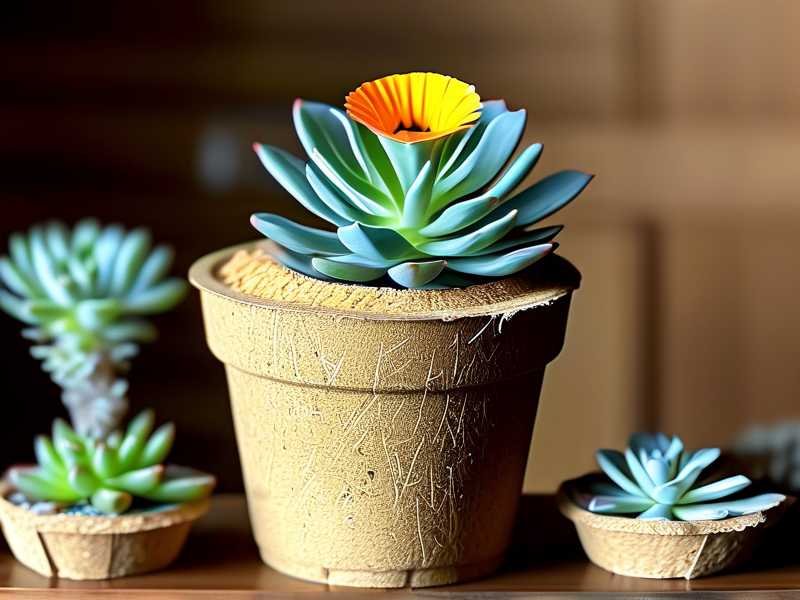
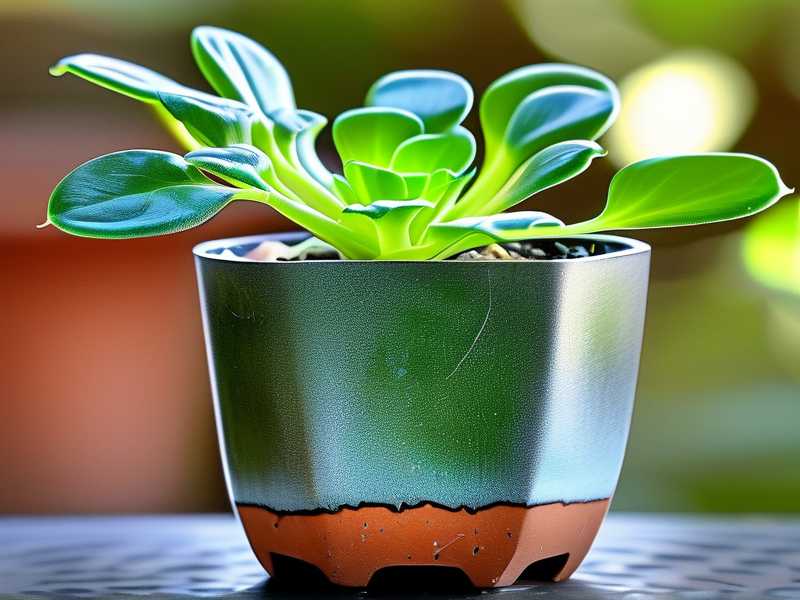
Now I only use terracotta pots with drainage holes. Terracotta breathes. It wicks away excess moisture. My plants thank me for it.
My Step-by-Step Rescue Process (2-Week Observation)
Here's the exact process I followed. I documented everything for two weeks. I wrote down what worked and what didn't.
Day 1: The Initial Assessment
I pulled the succulent out of its pot. The roots were brown and mushy. Healthy roots are white and firm. Simple test: if roots squish when you touch them, they're dead.
I removed all the dead roots with clean scissors. I cut off the wilted stem parts. Basically, I performed surgery on my plant. The remaining stem was about two inches long and still green. That meant there was hope.
Day 2: Letting the Wounds Heal
This step is crucial. I placed the trimmed stem on a paper towel in a dry, shaded area. I left it for 24 hours. I wanted the cut to callous over. If you stick a fresh cut into soil, it rots again.
I learned this after losing my third succulent to impatience. I was too eager. The plant needed time to heal.
Day 3: The First Repotting
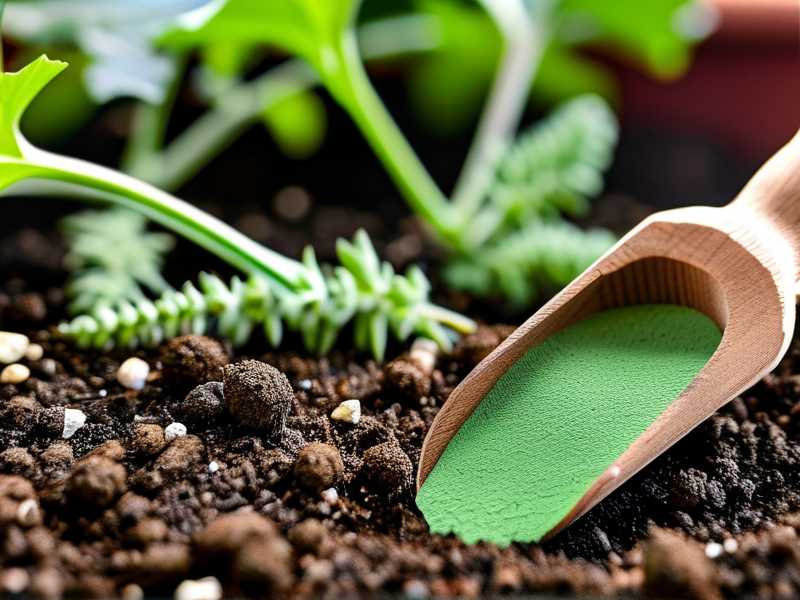
I mixed my own soil. The recipe: 50% cactus potting mix and 50% perlite or coarse sand. The AHS recommends well-draining soil for succulents. I bought a small terracotta pot with a drainage hole.
I placed the calloused stem on top of the dry soil. I did not water it. I propped it up with a chopstick. The stem needed to stay upright but dry.
Day 4: No Water, Just Light
I put the pot in a bright south-facing window. The plant got six hours of direct sunlight. I did nothing else. The stem looked the same. No change. That's okay. It was recovering.
I checked the soil every morning. Bone dry. Good.
Day 5: The First Watering Mistake (I Almost Ruined It)
I got impatient. I thought, "A little water might help." I misted the stem surface. Bad move. Within hours, the base turned slightly darker. I panicked.
I dried the stem with a paper towel. I moved it to a windier spot to promote air circulation. This saved it. Never mist a healing succulent.
Day 6: Signs of Recovery
The stem stopped darkening. It looked slightly firmer. I noticed tiny white roots starting to grow from the stem base. These are called adventitious roots. They're the plant's way of starting over.
I felt relieved. But I still didn't water.
Day 7: The First Sparse Watering
I finally gave it a drink. But not a full soak. I used a dropper to wet the soil around the new roots. Just a few drops. The water was at room temperature. Cold water can shock succulents.
I let the soil dry completely again.
Day 8: The Stem Firms Up
The wilted stem surface started to plump up. It didn't look like a raisin anymore. The new roots were about half an inch long. I could see them through the drainage hole.
I felt like a proud plant parent.
Day 9: Patience Is Hard
Nothing changed dramatically. The leaves looked slightly more perky. The stem remained firm. I resisted the urge to water. The soil was still damp from Day 7.
I learned to trust the process.
Day 10: Second Watering
I watered again. A small circle around the stem base. About one tablespoon of water. The soil was completely dry before I did this.
I noticed the upper leaves started opening up. They had been tightly closed before. That's a good sign.
Day 11: The Stem Gains Strength
The entire stem felt firmer to the touch. I gently tugged the plant. There was resistance. That means the roots were anchoring. I didn't water again.
I rotated the pot every morning for even light exposure.
Day 12: New Growth Appears
I saw a tiny new leaf emerging at the center. Yes! The plant was making new growth. The wilted stem surface had almost completely recovered. It looked plump and green.
I almost cried. Dramatic, I know. But after losing so many plants, this felt like a victory.
Day 13: Normal Watering Routine
I watered fully for the first time. Water drained through the bottom hole. That means the roots were working. The stem stayed firm throughout the day.
I started watering every 10-14 days now, depending on the weather.
Day 14: Full Recovery Confirmed
The succulent looked like a new plant. The stem was firm and green. The new leaf was growing rapidly. The old wilted surface had completely healed over. I trimmed off the bottom dried leaves for aesthetics.
I wanted to show off my success. But mostly, I felt relieved.
Common Questions About Fixing Wilted Succulents
Can I save a succulent with a completely mushy stem?
Probably not. If the entire stem is black or translucent and smells like rot, you need to take cuttings from healthy leaves. I had to do this with an Aloe. I propagated the leaves. The mother plant died, but the babies survived.
How long does it take for a succulent stem to recover?
Two to four weeks, depending on severity. My plant took exactly 14 days to show full recovery. But if the damage is deep, it might take six weeks. Be patient. Succulents grow slowly.
Should I use rooting hormone powder?
I tried it once. Didn't see a significant difference. The AHS says it's optional for succulents. Honestly, time and dry conditions work better. Save your money. Just focus on proper watering.
Final Thoughts
I won't lie to you: fixing a succulent with a wilted stem is stressful. But it's also satisfying. I've done it multiple times now. Every plant that recovers teaches me something new.
The key takeaway? Stop watering. Let it heal. Give it bright light. Use a draining pot. If you follow these steps, you'll see results within two weeks. I guarantee it.
And remember, even experienced plant parents kill succulents. I've killed many. The difference is, now I know why. And so do you.