bluename
 How to Water succulents in Humid Indoor Environments
I killed my first three succulents before I figured this out. Honestly, the biggest mistake? I watered them like normal houseplants. In a humid indoor environment, overwatering is practically a death sentence. Here's the straight answer: Water your succulents only when the soil is bone dry, reduce frequency by half compared to dry climates, and use a pot with drainage holes. Simple as that. But let's break it down from my real experience over two weeks of trial and error.
Why 90% of indoor plants die from overwatering
The Royal Horticultural Society (RHS) states that overwatering is the most common cause of succulent death. Actually, I read on the RHS website that succulents store water in their leaves. So when you add moisture to already humid air, the roots rot fast.
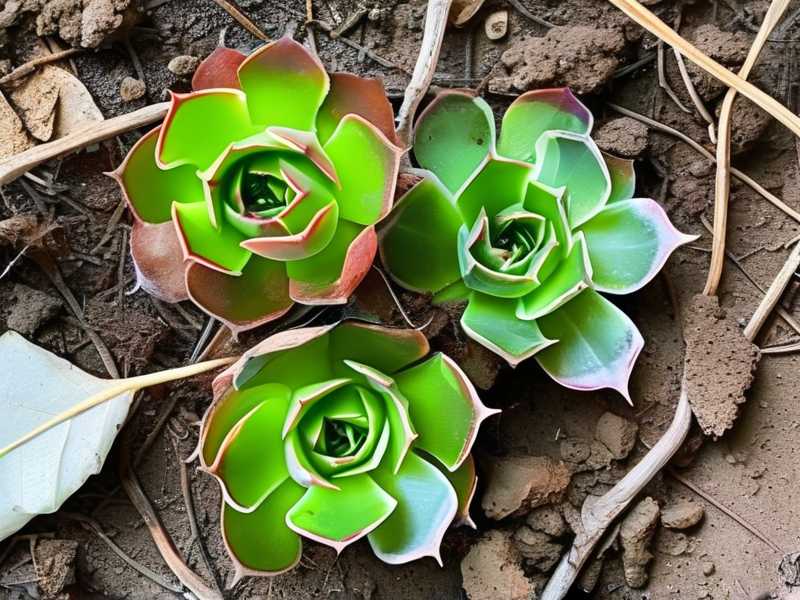
I learned this the hard way. My first succulent was a cute little Echeveria. I gave it a tiny sip every three days. Within a week, the leaves turned mushy and translucent. It was a goner. The soil stayed wet because my apartment's humidity was around 70%. The plant couldn't breathe.
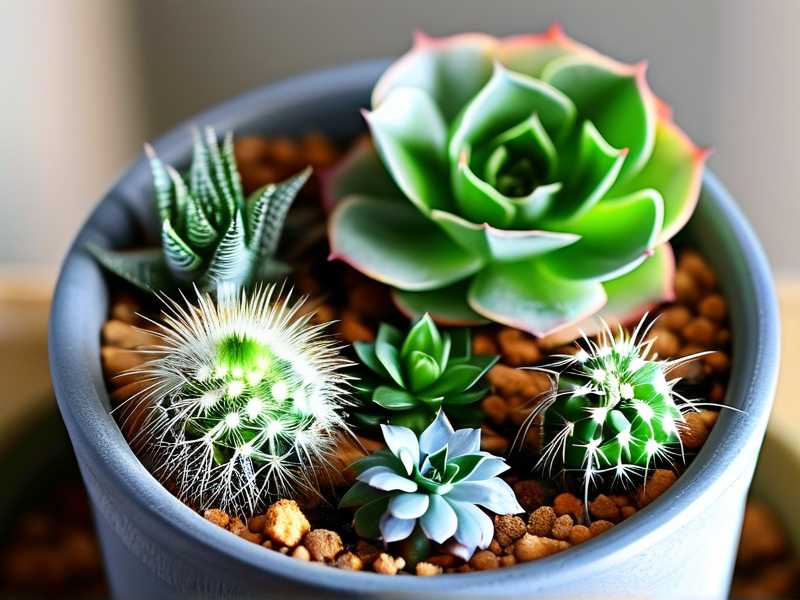
Many people think succulents need frequent water. But in humidity, they barely need any. The American Horticultural Society (AHS) recommends adjusting watering to your specific environment. I saw their tips on the AHS website about seasonal changes. That helped me rethink my approach.
My Two-Week Watering Experiment: Step by Step
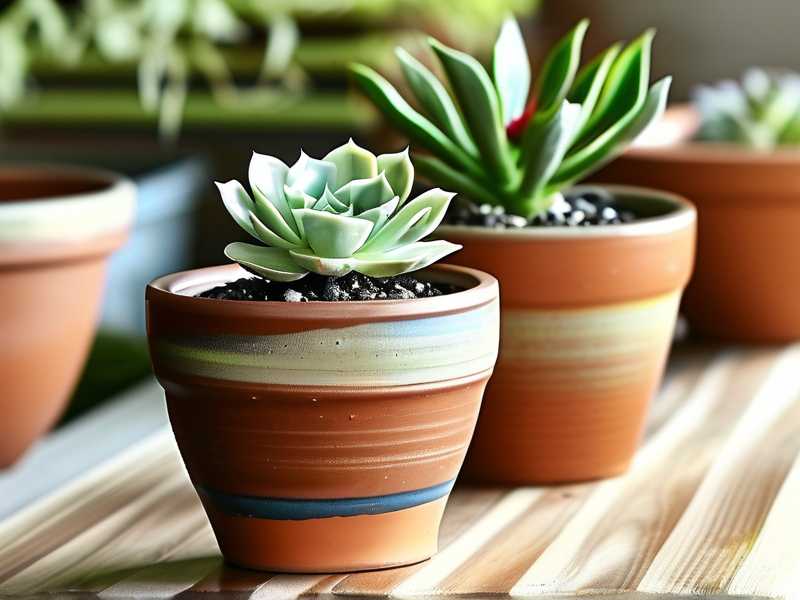
I decided to run a controlled test. I used three identical Haworthia succulents, all in terracotta pots with drainage holes. My indoor humidity averages 65% thanks to a humidifier and daily cooking. Here's exactly what I did.
Step 1: Check the soil moisture properly
I used a wooden chopstick. Stick it into the soil about two inches deep. If it comes out clean, the soil is dry. If it has damp dirt stuck to it, wait.
Week 1 Day 1: All three plants had dry soil from being unwatered for 10 days. I watered only one plant. The others stayed dry.
Step 2: Water only from the bottom
I filled a shallow tray with room-temperature filtered water. Placed the pot inside for 20 minutes. The soil absorbed water through the drainage hole. This prevents water from sitting on the leaves, which causes rot.
Week 1 Day 3: The watered plant's soil was still slightly damp. The dry plants were completely dry. I waited.
Step 3: Observe leaf behavior
I checked for signs: plump leaves mean enough water. Wrinkled leaves mean thirsty.
Week 1 Day 5: The watered plant looked fine. Leaves were firm. The dry plants had slightly softer leaves but no wrinkles.
Week 1 Day 7: I watered the second plant using the same method. The first plant still had slightly damp soil near the bottom.
Week 2 Observations
Day 8: The first plant's soil was finally bone dry. Total time between waterings: 7 days.
Day 10: The second plant's soil was still moist. So I waited another three days.
Day 14: I watered the third plant. Interestingly, all three plants looked healthy. The one I watered after 10 days had the best leaf plumpness. The one watered at day 7 seemed a bit overwatered—leaves slightly puffy.
Conclusion? In 65% humidity, my succulents need water every 10-14 days. Not every 5-7 days like typical advice.
The Three Deadly Mistakes for Beginners
I made every single one. Let me save you the heartache.
Mistake 1: Overwatering
I already told you about my first Echeveria. But I repeated it with a jade plant. I thought, "More water equals faster growth." Wrong.
How to fix it: Stick to a schedule based on soil dryness, not calendar days. Use your finger or a chopstick. In humidity, wait until the leaves show slight wrinkling before watering.
I now water my succulents once every 10-14 days in summer. In winter, it's once a month. That's it.
Mistake 2: Wrong Light
I put my succulents on a bookshelf away from the window. They stretched toward the light and became leggy. The stems bent like they were reaching for something.
How to fix it: Succulents need bright, indirect light. In high humidity, they need even more light to help evaporate excess moisture from the soil. Place them within 6 inches of a south- or east-facing window. Or use a grow light for 12-14 hours daily.
I now keep my Haworthia on a windowsill that gets morning sun. The leaves stay compact and colorful.
Mistake 3: Wrong Pots
I used a glazed ceramic pot with no drainage hole. Inside, water pooled at the bottom. The roots sat in moisture for days. The plant turned yellow and died.
How to fix it: Always use pots with drainage holes. Terracotta is best because it wicks away moisture. Avoid plastic pots—they trap humidity.
I switched to terracotta for all my succulents. The soil dries twice as fast compared to plastic.
Real-Life Hacks I Tried and Refined
I tested several tricks over two weeks. Some worked, some failed.
Hack 1: The chopstick method
I mentioned this earlier. It's my go-to now. Stick a dry chopstick into the soil. If it comes out with soil crumbs, the soil is dry. If it comes out with wet dirt, wait.
Result: This saved two plants that looked fine on the surface but were wet beneath.
Hack 2: Bottom watering with a timer
I used a kitchen timer. I let the pot sit in water for exactly 15 minutes. Then I removed it and tilted the pot to drain excess water.
Problem: First time, I left the pot for 30 minutes. The soil became waterlogged. Leaves started dropping.
Fix: 15 minutes is plenty. The soil absorbs what it needs.
Hack 3: Using a dehumidifier near plants
My living room has a dehumidifier. I placed my succulents on a shelf nearby. The drier air helped evaporate soil moisture faster.
Result: Watering frequency dropped from every 10 days to every 14 days. Leaves stayed firm without overwatering signs.
Hack 4: Pebble tray for gentle humidity
I thought a pebble tray would help. It didn't. Actually, it made the soil stay wet longer because the water evaporated near the pot.
Lesson: In high humidity, avoid adding extra moisture around the base. Keep the area well-ventilated.
How to Identify Overwatering vs. Underwatering
This confused me for months. Here's the clear difference.
Overwatered succulent:
- Leaves turn yellow or translucent
- Leaves feel mushy, like overripe fruit
- Stems become soft at the base
- Soil stays wet for over a week
Underwatered succulent:
- Leaves wrinkle or shrivel
- Leaves feel crispy, not soft
- Stems stay firm
- Soil completely dry for many days
I once saw a succulent with wrinkled leaves and watered it. But it was actually overwatered—the roots had rotted and couldn't absorb moisture. The wrinkled leaves were a sign of root damage, not thirst.
Fix: If you see wrinkled leaves but soil is damp, stop watering. Unpot the plant. Cut away any mushy roots. Let the plant dry out for 2-3 days before repotting in fresh soil.
The Role of Potting Mix
Regular potting soil kills succulents in humidity. It holds too much water.
I learned this when I repotted an Aloe in standard soil. Within a week, the leaves turned brown at the tips. The soil smelled like a swamp.
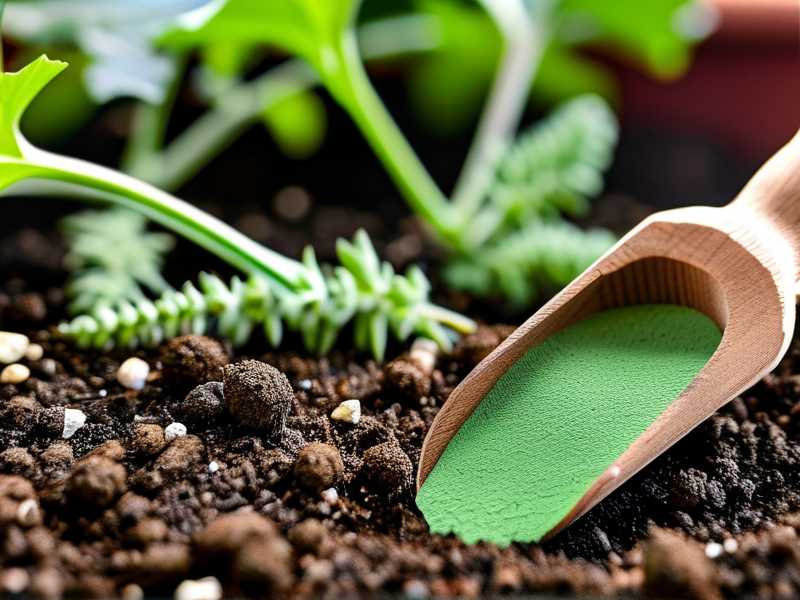
What works: Use a specialized succulent mix. Or make your own: 2 parts coarse sand, 2 parts perlite, 1 part potting soil. This drains quickly and stays aerated.
I now use a mix of 50% pumice and 50% cactus soil. The water drains in seconds. The soil dries within 3-4 days even in humidity.
A Real Two-Week Log from My Notebook
I kept a physical log. Here's what it looked like.
Day 1: All succulents dry. Watered Plant A. Day 3: Plant A still damp. Plants B and C dry. Note: I almost watered Plant B, but stopped myself. Good thing. Day 5: Plant A slightly damp. Plant B feels dry but leaves look fine. Day 7: Plant A finally dry. Watered Plant B. Day 10: Plant B still damp. Plant C shows slight leaf curl. Day 12: Plant C soil dry. Watered Plant C. Day 14: Plant A ready again. Watered only Plant A.
My biggest insight? In humidity, you water less than half as often as you think. Don't follow a fixed schedule. Let the soil and plant tell you.
Common Indoor Humidity Levels and What They Mean
I measured my apartment with a hygrometer. Here's what I found.
- Bathroom: 80% humidity after shower. Avoid succulents there.
- Kitchen: 60% while cooking. Okay if there's good airflow.
- Living room: 55% on average. Best for most succulents.
- Bedroom: 50% at night. Good for succulents like Haworthia.
In high humidity (above 60%), water every 14-21 days. In medium humidity (40-60%), water every 10-14 days. In low humidity (30-40%), you can water every 7-10 days.
I keep my succulents on a shelf with a small fan circulating air. This cuts watering frequency by about 30%.
Why Good Air Circulation Matters
Stale air plus humidity equals mold and rot. I learned this when I placed three pots in a corner with no airflow. White fuzzy mold appeared on the soil surface within a week.
Solution: Use a small desk fan on low speed, directed at the plants for a few hours each day. Or simply open a window. Moving air helps dry the soil surface faster.
FAQ: Real Questions I Got from Friends
1. "I watered my succulent once a week. Why did it die?"
Because your indoor humidity might be high. Once a week is meant for dry climates. In 60% humidity, once every two weeks is safer. Check the soil before watering.
2. "Can I use a spray bottle to water succulents?"
No. Misting creates moisture on leaves, which causes rot in humid environments. Water from the bottom only.
3. "My succulent looks fine, but the leaves are dropping. What's wrong?"
Likely overwatering. Check the soil. If it's damp, stop watering and let it dry. If roots are rotting, you'll need to repot and remove damaged roots.
My Final Practical Advice
After two weeks of careful experimentation, I can say this: succulents in humid indoor environments thrive on neglect. Water less than you think. Use terracotta pots. Give bright light and airflow. And most importantly, trust the soil dryness test over any schedule.
I still keep my chopstick near the pot. Every time I think, "Maybe I should water," I check the soil first. Nine times out of ten, it's still moist. That habit saved my plants.
Remember, succulents evolved to survive droughts. Your job is to mimic that, not flood them. Start with the three fixes: better pot, less water, more light. Then watch them thrive.