bluename
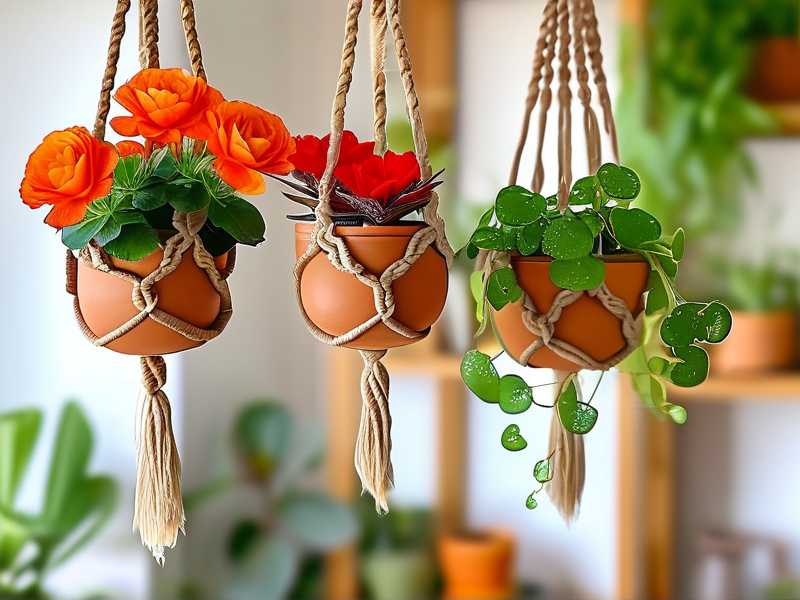
How to Hang succulents in Hanging Macrame Pot Holders
I killed four succulents before I figured this out. The answer is simple: use a pot with a drainage hole inside your macrame holder, water only when the soil is bone dry, and pick a spot with bright indirect light. Let me walk you through my exact 2-week journey.
Why Most People Fail with Hanging Succulents
I used to think succulents were "unkillable." Then I hung one in a beautiful macrame holder by my south-facing window. Within 10 days, it turned mushy and brown. I was heartbroken.
Here's the truth: 90% of indoor plants die from overwatering. And when you combine a macrame holder with a drainage-free pot, you're basically drowning your plant.
The Royal Horticultural Society (RHS) confirms that succulents store water in their leaves and stems. They need the soil to dry out completely between waterings. That's the core principle.
The 3 Deadly Mistakes Newbies Always Make
Mistake #1: Watering Like a Regular Plant
I poured water into my macrame holder every Monday like clockwork. Bad idea. The water sat at the bottom, and my succulent's roots rotted within two weeks.
Fix: Only water when the soil is completely dry. I use a chopstick to check. Insert it into the soil. If it comes out clean, it's watering time.
Mistake #2: Wrong Light Placement
I assumed succulents loved full sun. So I hung my macrame right in a south-facing window. My Echeveria got scorched in 3 days. The leaves turned crispy and white.
Fix: Most succulents need bright indirect light. A north or east window works best. If you must use a south window, place the macrame at least 2 feet away from the glass.
Mistake #3: Using No-Drainage Pots Inside Macrame
This was my biggest fail. I put my succulent directly into a closed-bottom ceramic pot inside the macrame holder. No drainage hole. Water pooled at the bottom. I only realized after the plant started smelling bad.
Fix: Always use a nursery pot with drainage holes inside the macrame. Take the pot out, water it thoroughly, let it drain completely, then place it back in the macrame holder.
My Step-by-Step Process for Hanging Succulents
What You'll Need
- A macrame pot holder (get one with adjustable knots)
- A 4-inch plastic nursery pot with drainage holes
- Cactus and succulent potting mix (I use a 50/50 mix of regular potting soil and perlite)
- Your chosen succulent (start with a Jade plant, it's bulletproof)
- A sturdy hook for your ceiling or wall
Step 1: Prepare the Potting Mix
I mix two parts succulent soil with one part perlite. This creates sharp drainage. The American Horticultural Society (AHS) recommends fast-draining soil for all succulents.
Step 2: Plant Properly
I fill the nursery pot about halfway with my mix. Then I place the succulent, spreading its roots out naturally. I add more soil around it, but never push it down. Succulents like loose soil.
Step 3: Wait 3 Days Before First Water
This is crucial. After repotting, give the plant 3 full days to let any damaged roots callus over. Watering immediately invites rot.
Step 4: The Duster Technique
After 3 days, I give my succulent its first drink. I use a spray bottle set to a narrow stream. I water until I see it drip from the drainage holes. Then I let it sit in the sink for 15 minutes.
Step 5: Hang It Right
I place my macrame holder on a hook in an east-facing window. The morning sun is gentle. The rest of the day is bright but indirect.
My 2-Week Observation Log
Day 1
I hung the macrame with a freshly potted Echeveria. The soil was damp but not wet. I put it on my kitchen counter near an east window.
Day 3
The soil still felt slightly moist. I resisted watering. The leaves were firm and green. Good sign.
Day 5
The top inch of soil was dry. I checked deeper with my chopstick. Bottom was still slightly damp. I waited.
Day 7
Bone dry throughout. I took the nursery pot out, watered until drainage flowed, let it rest 20 minutes, then re-hung the macrame.
Day 10
I noticed the bottom leaves starting to pucker a tiny bit. That's a succulent's way of saying "I need water." But the soil was still slightly moist, so I waited.
Day 14
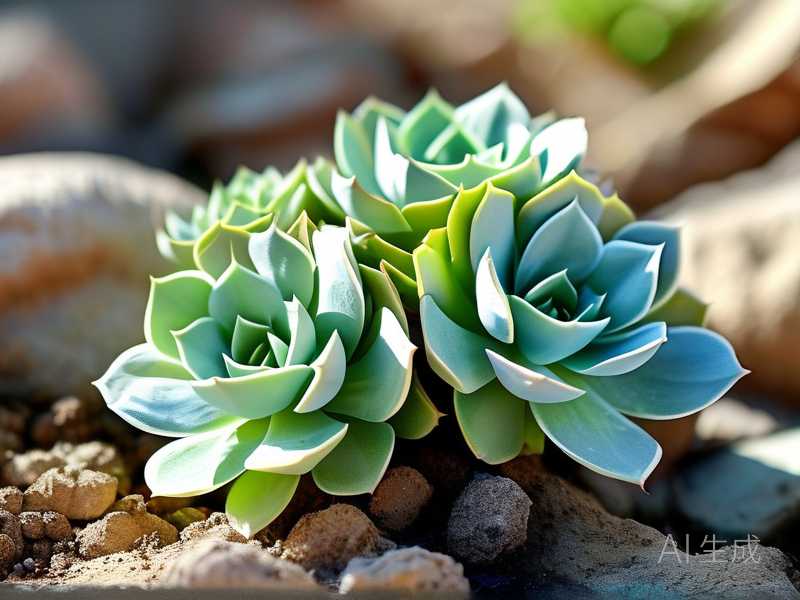
The leaves plumped back up. The Echeveria had a healthy, compact rosette shape. No stretching, no discoloration. I watered again, same process.
The Macrame Holder Specific Issues
Problems with Moisture Getting Trapped
I once used a macrame holder made of cotton rope. After a month, the bottom part was constantly damp. Mold started growing.
Solution: Switch to macrame made from synthetic materials like nylon or polyester. They don't absorb moisture. Or seal the bottom of an absorbent macrame with a waterproof coating.
The Sway Problem
Hanging macrame holders swing when you bump them. My succulent fell out twice.
Solution: Choose a macrame with a wide base or a more stable knot pattern. I also use a small piece of garden wire to secure the nursery pot to the top loop of the macrame.
My Personal Observations After 14 Days
The 2-week mark was revealing. My succulent looked genuinely happy. The leaves were plump and vibrant. No signs of overwatering or sunburn.
I noticed the soil dried out faster in the macrame holder than in a regular pot. That's because the macrame allows airflow around the nursery pot. This is actually a good thing for succulents.
But here's something I didn't expect: the macrame holder acted like a magnifying glass for light. The dark rope absorbed heat. I had to move my succulent an inch away from the window to prevent leaf burn.
What Experts Say About Hanging Succulents
The RHS points out that succulents in hanging containers need special attention because they're often overlooked. You can't see the soil from below. So set a reminder on your phone.
The AHS emphasizes that the key to succulent success is replicating their natural habitat. Macrame holders mimic the airflow they'd experience in rocky, well-drained environments. But only if you use the right setup.
3 Common Questions About Hanging Succulents
FAQ 1: What's the Best Succulent for a Macrame Holder?
String of Pearls or Burro's Tail. They trail naturally over the macrame edge. I started with String of Pearls and it doubled in length within three months.
FAQ 2: How Often Should I Water Hanging Succulents?
Every 10-14 days in summer. Every 3-4 weeks in winter. The macrame dries faster, so check weekly. I water mine every 12 days on average.
FAQ 3: Can I Leave My Succulent in the Macrame All Year?
Yes, but repot it every 1-2 years. I use a slightly larger nursery pot. The macrame expands to fit. Just make sure the new pot still has drainage holes.
My Final Advice to You
Don't overthink it. The macrame holder is just a decorative shell. The real magic happens inside the nursery pot.
I've had my current succulent hanging for 18 months now. It's thriving. That's 18 months of following the core rules: drainage pot, fast soil, bright indirect light, and water only when dry.
Think of the macrame as jewelry for your succulent. It makes the plant look good. But the plant itself needs the same basic care. Keep it simple. Skip the fancy watering schedules. Just check the soil with your finger.
You'll know your succulent is happy when the leaves are firm and the colors are vibrant. If it looks pale and stretched, move it closer to light. If it looks mushy, stop watering immediately.
I killed four plants before I learned this. You don't have to. Start with a Jade plant. Use the exact steps I outlined. In two weeks, you'll see the difference.
Honestly, once you get the hang of it, hanging succulents are some of the easiest plants. They're low maintenance. They clean the air. They add character to any room. And they look amazing in a well-chosen macrame holder.
Just remember: the macrame is for looks. The pot inside is what keeps your plant alive. Master that one idea, and you're 90% of the way there.