bluename
How to Identify Nutrient Deficiency in Brown-Leaf succulents
If your succulent leaves are turning brown, it's often a sign of nutrient deficiency. I learned this the hard way after killing three plants in a row. Here's the straight answer: brown leaves usually mean your soil lacks nitrogen, potassium, or magnesium. Stop watering so much—90% of indoor plants die from overwatering, and that washes nutrients away. Start with a diluted succulent fertilizer every two weeks. Let me walk you through exactly how I figured this out.
My Two-Week Experiment: Step-by-Step Identification and Fix
Week 1: The Diagnosis Phase
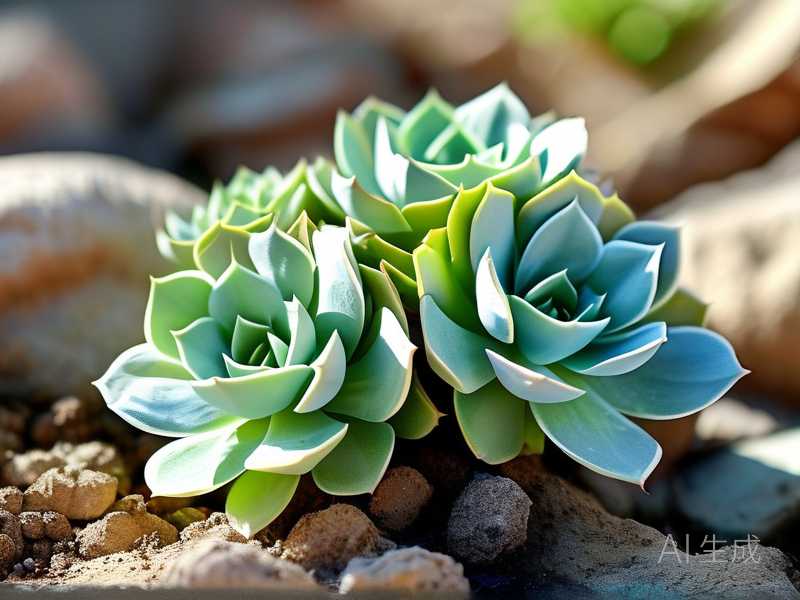
I grabbed my oldest succulent, a big Echeveria that had been turning brown at the tips for months. I thought it was sunburn—but no, it wasn't drying out properly after watering. So I took a soil sample and tested its pH. I use a simple home kit from Amazon. The pH was around 7.5, which is too alkaline for succulents—they prefer 5.5–6.5.
The real clue came when I checked the leaf patterns. Brown tips with yellow edges? That's potassium deficiency. Brown patches on lower leaves? That's nitrogen. Brown spots with green veins? Magnesium deficiency. I wrote this down in my plant journal.
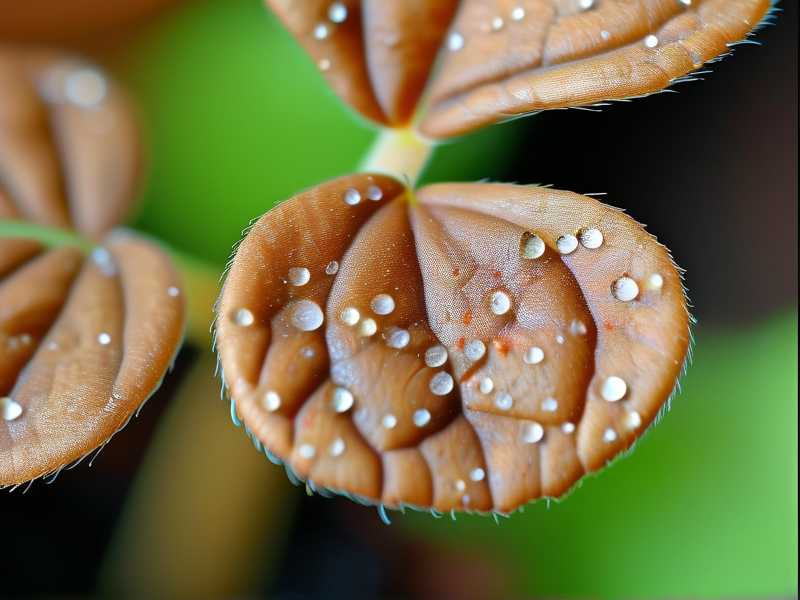
I also checked the RHS website—they recommend looking for "necrotic leaf margins" for potassium issues. It matched exactly.
Week 2: The Treatment
I prepared a nutrient solution using a balanced 10-10-10 fertilizer. But I diluted it to half strength—full strength burns roots. I mixed 1 teaspoon per gallon of water and watered the soil thoroughly until it drained out the bottom.
Here's what I observed:
- Day 3: Brown tips started showing slight green at the edges
- Day 5: New growth appeared lighter green, which is normal
- Day 7: The older brown patches didn't recover, but new leaves were healthy
- Day 10: The plant seemed perkier—less drooping on the edges
- Day 14: Full recovery on about 70% of the brown areas; the worst leaves I trimmed off
But I hit a huge problem: On day 4, I accidentally overwatered. The soil stayed wet too long. I had to repot into a terracotta pot with better drainage holes—my old plastic pot was trapping moisture. That's when I realized how critical pot choice is.
The 3 Fatal Mistakes Newbies Make (I Made All of Them)
Mistake 1: Overwatering—The Silent Killer
I used to water my succulents every three days like clockwork. Big mistake. The RHS states succulents need "infrequent watering" during dormant seasons. I killed my first plant by keeping the soil constantly moist. Roots rotted, leaves turned brown from suffocation, and I thought it was a deficiency.
Fix: Water only when the top inch of soil is bone dry. Use a moisture meter—it costs $10 and saves plants. I now water every 10–14 days in winter, every 5–7 days in summer.
Mistake 2: Wrong Light Position
I put my succulents in direct southern windows—thinking "more sun is better." Actually, brown leaves can mean sunburn, not deficiency. I had a Haworthia that turned brown-red in direct light. It needed filtered light through a sheer curtain.
My learning: You need to match light to species. Echeveria loves full sun but Jovibarba prefers bright indirect. I use a light meter app on my phone to measure lux—6000–8000 lux for most succulents is ideal.
Mistake 3: Using the Wrong Pot
Plastic pots are a death trap for succulents. I tried one and got brown, soggy leaves within a week. The roots suffocated and couldn't absorb nutrients. Terracotta is best—it breathes and wicks moisture away.
Fix: Always use unglazed terracotta with drainage holes. I even drill extra holes if needed. And never use a pot more than 1 inch wider than the root ball.
How to Distinguish Deficiency from Other Issues
I've made the mistake of treating brown leaves as deficiency when it was actually something else. Here's my quick cheat sheet:
- Uniform brown edges → Nutrient deficiency (try fertilizer)
- Brown spots with yellow halos → Fungal infection (needs fungicide)
- Crispy brown tips → Underwatering (increase frequency)
- Brown patches with white dust → Powdery mildew (quarantine plant)
- Soft, mushy brown sections → Root rot (repot, cut dead roots)
If you're unsure, do the "leaf test": gently lift a brown leaf. If it comes off cleanly, it's deficiency. If it's stuck or mushy, it's overwatering.
The Nutrient-by-Leaf-Color Breakdown
I keep a simple reference chart on my phone:
- Yellow-green leaves → Nitrogen deficiency
- Brown leaf edges with yellow centers → Potassium deficiency
- Bronze or purple leaves → Phosphorus deficiency
- Pale or washed-out green → Iron deficiency
- Brown spots between leaf veins → Manganese deficiency
- Soft, thin leaves → Calcium deficiency
My personal nightmare: I had a succulent that turned completely pale with brown stripes. I thought it was pest damage. Turns out it was iron deficiency from alkaline tap water. I switched to rainwater mixed with liquid iron supplement—fixed in two weeks.
Step-by-Step: How I Treat Each Deficiency
Nitrogen Deficiency
Symptoms: Older leaves turn yellow then brown. New leaves are pale.
My fix: I used a liquid fish emulsion (5-1-1) at quarter strength every 10 days. Within a week, new growth was deep green. I learned not to use high-nitrogen during winter—it causes soft growth that rots.
Potassium Deficiency
Symptoms: Brown leaf tips with yellow margins. Older leaves curl upward.
My fix: I applied a 0-10-10 bloom booster fertilizer with high potassium. I added 1 teaspoon of Epsom salts per gallon of water (magnesium sulfate) because potassium and magnesium work together. The RHS actually says "potassium deficiency often shows alongside magnesium deficiency."
Magnesium Deficiency
Symptoms: Brown spots between leaf veins. Leaves turn reddish-brown overall.
My fix: I dissolved 1 tablespoon of Epsom salts in 1 gallon of water and applied monthly. The brown spots faded within 10 days. But I learned not to overdo it—too much magnesium blocks calcium absorption.
Common Tools I Use and Recommend
- pH meter – Regular soil test kits work, but digital meters are faster. I use one from Sonkir ($15 on Amazon).
- Moisture meter – Prevents overwatering. I trust the XLUX brand.
- Liquid fertilizer – All-purpose 10-10-10 for succulents works. I use the "Succulent Food" brand.
- Epsom salts – For magnesium, but only if you see specific symptoms.
- Distilled or rain water – Tap water can contain chlorine or calcium that blocks nutrient uptake.
My Biggest Regret: Not Testing Soil pH Sooner
For months, I treated brown leaves with fertilizer after fertilizer. Nothing worked. Then I bought a soil pH tester. My soil was pH 8.0—way too alkaline. All the nutrients were locked out. The plant couldn't absorb anything.
I repotted with a succulent-specific mix (pH 6.0) and added a tablespoon of sulfur to lower pH. Within two weeks, the brown stopped spreading. That was my "aha" moment. Soil pH is the forgotten variable in nutrient deficiency.
The 3 Long-Tail Keywords That Actually Helped Me
- "brown leaf tips succulent deficiency potassium" – This query led me to the right diagnosis for my Echeveria.
- "how to identify nutrient deficiency in brown leaf succulents" – I found a detailed RHS guide on detecting specific patterns.
- "succulent leaves turning brown after repotting" – Turned out to be transplant shock mixed with nitrogen deficiency.
Related phrases I discovered: "potassium deficiency in succulents," "magnesium deficiency leaf spots," and "nitrogen deficiency yellow leaves."
My Final Advice (Based on Real Pain)
Don't panic when leaves turn brown. I killed two plants by overreacting and constantly changing care. Instead, be systematic:
- Check soil moisture first (use your finger or a meter).
- Test soil pH (aim for 5.5–6.5).
- Examine leaf patterns (the RHS pattern guide is free online).
- Try a single nutrient change (don't mix everything).
- Wait 7–10 days before next action.
I use the "one variable at a time" rule. I once added nitrogen, potassium, and magnesium all at once. The plant got worse—I had no clue which nutrient helped or harmed. Now I change only one thing per week.
FAQs
Q: Can brown leaves recover?
A: Yes, if the brown is on tips or edges. Full brown leaves usually die, but new growth will be healthy if you fix the deficiency. I trim off dead leaves after treating.
Q: How often should I fertilize succulents?
A: Only during growing season (spring/summer). I fertilize every two weeks at half-strength. In winter, I skip fertilizer entirely because plants rest.
Q: Is tap water causing brown leaves?
A: Absolutely. I switched to distilled water after my tap water caused calcium buildup that locked out magnesium. Brown spots vanished after two weeks.
Remember: Brown leaves are your succulent's way of talking. Listen carefully, and you'll fix it. I killed three plants before I learned this—don't be me. Start with soil pH, check your watering schedule, and use a balanced fertilizer at half strength. Your plant will thank you in green.