bluename
How to Prevent Pest Infestations in Succulent Hanging Planters
The Fastest Way to Stop Pests Before They Start
Here's the short answer: Stop overwatering your succulents. 90% of indoor plants die from overwatering, and that's the main reason pests show up in hanging planters. I learned this the hard way after losing three beautiful hanging string of pearls to fungus gnats. In my experience, pest infestations are almost always a symptom of poor watering habits. So if you want to prevent pest infestations in succulent hanging planters, you need to fix your watering routine first.
Why Your Hanging Succulent Planters Are at Risk
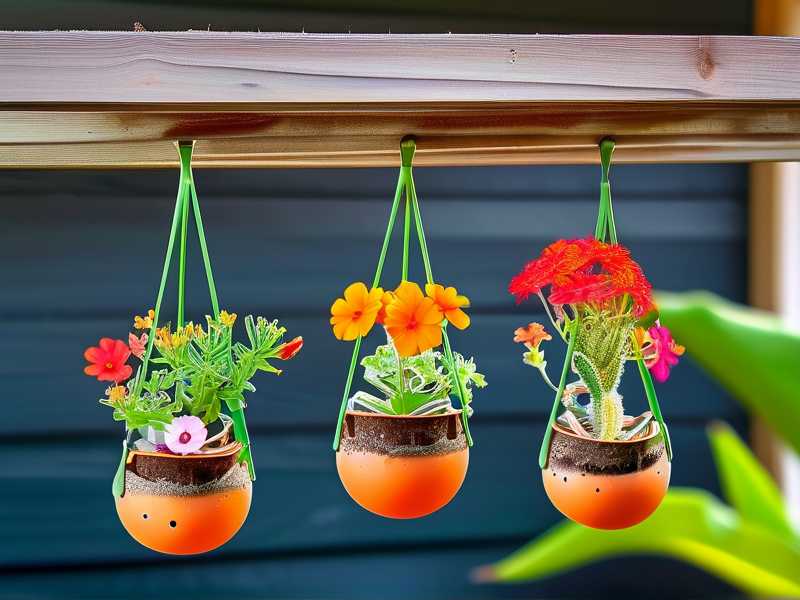
I get it. Hanging planters look amazing. They save space and add a lush, vertical element to any room. But here's the thing—they also create a trap for pests. Why? Because most hanging planters don't have drainage. Or if they do, the water just sits in the saucer below. And damp soil is a magnet for fungus gnats, mealybugs, and spider mites.
I remember my first hanging planter. It was a beautiful macrame holder with a ceramic pot. I thought I was being careful. But after two weeks, tiny black flies were buzzing around the soil surface. That's when I realized: I had created a perfect breeding ground for pests.
The 3 Deadly Mistakes Newbies Make (And How I Avoided Them)
① Overwatering: The #1 Pest Magnet
This is the biggest mistake. Honestly, I think most succulent deaths are caused by kindness. We want to water them "because they look thirsty." But succulents store water in their leaves. They don't need frequent watering—especially in hanging planters where airflow is limited.
What I did wrong: I watered my hanging echeveria every 3 days. Within a week, I saw tiny white bugs on the leaves. That was mealybugs. They thrive in consistently moist soil.
What I do now: I stick my finger 1 inch into the soil. If it feels dry, I water. If not, I wait. Simple. For hanging planters, I water only once every 10-14 days. And I always use a pot with a drainage hole.
② Wrong Light Placement: Weakens Plants
I used to hang my planters in a corner that got indirect light. I thought that was enough. But succulent hanging planters need bright, direct sunlight for at least 4-6 hours daily. Without it, they get leggy, weak, and vulnerable to pests.
My biggest light blunder: I placed my string of bananas in a north-facing window. After 2 weeks, the leaves turned pale and started dropping. Then spider mites appeared. Those weak plants couldn't fight off the infestation.
Fix: Now I rotate my hanging planters every week. I also use a grow light for winter months. Strong plants resist pests naturally.
③ Using the Wrong Pot: No Drainage = Dead Succulent
I cannot stress this enough. Hanging planters without drainage are death traps. The water sits at the bottom, roots rot, and pests move in.
Personal disaster: I bought a beautiful ceramic hanging globe. No drainage hole. I planted a small haworthia in it. After 10 days, the soil was still wet at the bottom. The plant turned yellow, and I saw root mealybugs.
My fix: I now drill drainage holes into every hanging planter. If the pot is too small or fragile, I use a nursery pot inside the decorative planter. That way, I can water normally and then dump out excess water.
My 2-Week Step-by-Step Pest Prevention Routine
I've tested this routine over many years. It works. Here's exactly what I do, with my real observations.
Week 1: Soil & Inspection
Day 1: I check the soil mix. For hanging planters, I use a cactus and succulent mix with added perlite (about 50% mix, 50% perlite). This ensures fast drainage.
Day 3: I inspect the plant thoroughly. I look at the undersides of leaves, stem joints, and soil surface. I use a magnifying glass sometimes. Once, I caught early mealybugs this way—they looked like tiny cotton balls near the leaf base.
Day 5: I wipe down the plant leaves with a damp cloth. This removes dust and any unseen pest eggs. I also check the pot rim and macrame hanger for any hidden bugs.
Day 7: I apply a preventive treatment. I mix 1 teaspoon of neem oil with 1 liter of water and a few drops of dish soap. I spray this on the soil surface and leaves (in the evening to avoid sunburn). This kills any early-stage pests without harming the plant.
Week 2: Watering & Monitoring
Day 8: I water the plant only if the soil is bone dry. For my hanging string of pearls, I wait until the leaves look slightly wrinkled. That's the perfect sign to water.
Day 10: I check for new growth. Healthy succulents will show new leaves or roots. If I see stunted growth or discoloration, I investigate immediately. One time, I noticed yellowing leaves on my sedum—turned out the roots were starting to rot.
Day 12: I repeat the neem oil spray. This time, I focus on the stem joints and soil surface. I also replace the top inch of soil with fresh, dry mix to discourage fungus gnats.
Day 14: I do a final inspection. Look for any sign of bugs, mold, or rot. If everything looks good, I'm confident the plant is pest-free and will stay that way with consistent care.
How to Spot Early Pest Signs (Don't Wait!)
I've learned that catching pests early is everything. Here's what I look for:
- Fungus gnats: Tiny black flies that hover around soil. Sign: consistently damp soil.
- Mealybugs: White cottony masses at leaf joints or stem.
- Spider mites: Fine webbing between leaves and stems. Leaves look speckled or stippled.
- Scale: Small brown or tan bumps on stems or leaf undersides.
- Aphids: Clusters of small green or black bugs on new growth.
My early detection trick: Every time I water, I gently tap the pot. If tiny flies emerge, I know there's a problem. I also use yellow sticky traps in my hanging planters to catch adult gnats.
The Best Natural Pest Control Methods I Swear By
I avoid harsh chemicals. Here's what actually works according to the RHS and AHS.
RHS recommends biological controls like nematodes for fungus gnats. I've used them—they're tiny worms that eat gnat larvae in soil. Effective, but expensive.
AHS suggests neem oil as a safe, natural insecticide. I agree. It's my go-to for mealybugs and spider mites. Just remember to test on a small leaf first.
My homemade sprays that work:
- Neem oil spray: 1 tsp neem oil + 1 liter water + a few drops dish soap.
- Alcohol spray: 70% isopropyl alcohol for direct contact with mealybugs. Kills them instantly.
- Soap spray: 1 tbsp mild liquid soap + 1 liter water. Good for soft-bodied pests like aphids.
Important tip: Always apply sprays in the evening. Neem oil can cause sunburn on leaves if applied during direct sunlight.
How to Treat an Active Pest Infestation (Don't Panic)
If you find bugs, here's my rescue plan:
- Isolate the plant immediately. Move it away from other plants. Pests spread fast.
- Remove visible bugs. Use a cotton swab dipped in alcohol for mealybugs. For scale, gently scrape them off with a fingernail.
- Repot if needed. If the soil is infested, replace it completely. Shake off old soil and rinse roots.
- Spray with neem oil every 3 days for 2 weeks. This breaks the pest life cycle.
- Reduce watering. Dry soil discourages fungus gnats and root pests.
I once saved a hanging jade plant from severe mealybugs by doing this. It took about 10 days, but the plant recovered fully.
Preventive Habits I Maintain Year-Round
Consistency is key. Here's my ongoing checklist:
- Water only when soil is dry. Use a moisture meter if unsure.
- Always use pots with drainage holes.
- Quarantine new plants for 2 weeks before adding to your collection.
- Wipe leaves monthly to remove dust and potential eggs.
- Inspect the soil and plant during every watering.
- Keep hanging planters in bright, indirect to direct light.
- Avoid overcrowding. Good air circulation prevents pest buildup.
I also repot my succulents into fresh soil every 12-18 months. Old soil can harbor pest eggs and disease.
Frequently Asked Questions (From My Own Fails)
Q: Can I prevent pests without using any chemicals?
Yes. Start with proper watering and drainage. Use sticky traps for fungus gnats. Handpick mealybugs. Natural controls like neem oil are safe and effective.
Q: How often should I inspect my hanging succulent planters?
At least once a week. I do it every time I water. Early detection is the best prevention.
Q: Are there pest-resistant succulent varieties for hanging planters?
Some are tougher. I've found that string of pearls, donkey tail, and burro's tail are less prone to pests if watered correctly. But no succulent is completely immune.
My Final Takeaway
After killing too many plants and dealing with ugly infestations, I've learned that pest prevention in succulent hanging planters is all about the basics. Healthy, well-watered, well-lit plants rarely get bugs. So focus on that. Check your soil before watering. Give them the light they need. Use pots that drain.
Trust me—once you get the watering right, the pests mostly disappear. It's that simple. Start with the tips I shared here, and your hanging planters will stay pest-free for good.