bluename
How to Water succulents in Hot Arid Backyards
I learned how to water succulents in hot arid backyards the hard way. I killed four plants before I figured it out. Here's the short answer: water deeply but infrequently, only when the soil is completely dry, and always water in the early morning or late evening. That's it. But honestly, there's more to it than just timing.
I live in a desert region where summer temperatures often hit 110°F. My backyard gets full sun from 10 AM until sunset. I tried keeping succulents before, and they all turned to mush or shriveled up. It was frustrating. I felt like I was doing everything wrong.
Then I did some research. I found that 90% of indoor plants die from overwatering. But for outdoor succulents in hot arid climates, the problem is different. It's about balance. Too little water and they shrivel. Too much and they rot.
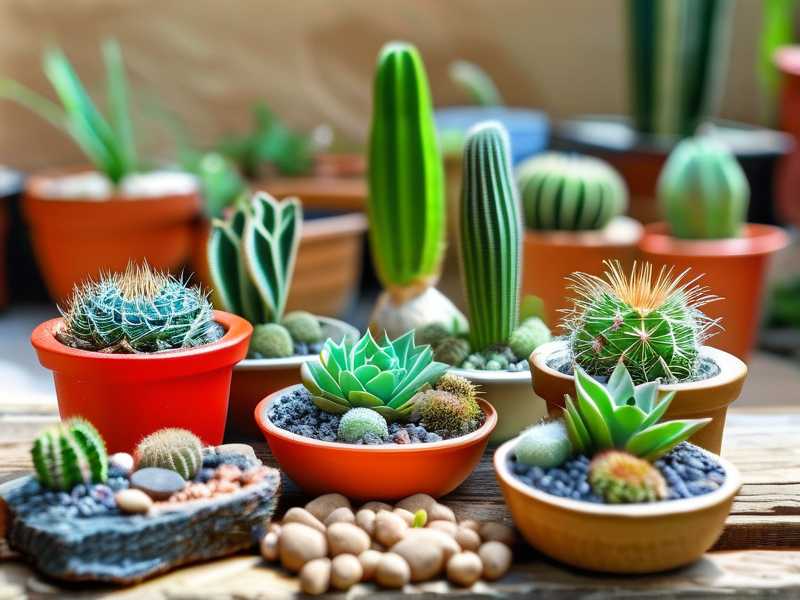
I started paying attention to my plants. I watched them carefully for two weeks. I took notes. I adjusted my watering schedule. By the end of those two weeks, my succulents looked healthier than ever. They were plump. They were vibrant. They were thriving.
Let me walk you through what I learned. I'll share my mistakes, my successes, and everything in between.
Why Watering Succulents in Hot Arid Backyards Is Tricky
Hot arid backyards present unique challenges. The sun is intense. The air is dry. The soil dries out fast. But succulents store water in their leaves. They're designed for drought. Overwatering is the biggest threat.
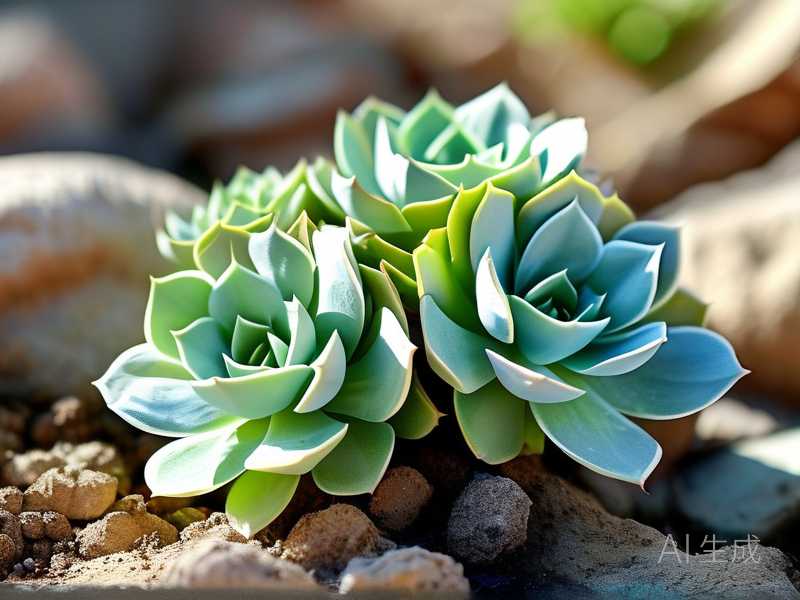
I remember my first succulent. It was a beautiful echeveria. I watered it every three days. I thought I was being generous. Within a week, the leaves turned yellow and mushy. It was dead. I had no idea what I did wrong.
I later learned that succulents prefer neglect. They want to be ignored. They want the soil to dry completely between waterings. In hot arid backyards, the soil might dry out in one or two days. But that doesn't mean you should water it that often.
The RHS explains that succulents have adapted to survive long periods without water. Their thick leaves store moisture. Their roots spread shallowly to catch rainfall quickly. When you water too often, the roots rot. It's simple biology.
I also read advice from the AHS. They emphasize understanding your specific climate. In hot arid regions, evaporation happens quickly. But the soil below the surface stays moist longer than you think.
My Personal Watering Routine: What Worked for Me
After my first few failures, I created a system. I tested it over two weeks. I made adjustments. Here's what I do now.
Step 1: Check the Soil
I never water on a schedule anymore. I check the soil first. I stick my finger about two inches into the pot. If it feels dry, I water. If it feels even slightly moist, I wait another day.
This is crucial. In hot arid backyards, the top layer of soil dries out within hours. But the middle and bottom layers stay damp longer. You have to check below the surface.
I also use a moisture meter. It's a cheap tool that gives accurate readings. I insert it into the soil about three inches deep. If the meter reads dry, I water. If it reads moist, I wait.
Step 2: Water Deeply
When I water, I water generously. I soak the soil until water drains out the bottom of the pot. This encourages deep root growth. Deep roots are more resilient. They can access water stored deeper in the soil.
I use a watering can with a narrow spout. This helps me direct water to the soil, not the leaves. Wet leaves can cause sunburn in hot arid backyards. The hot sun magnifies water droplets and burns the plant.
Step 3: Water in the Morning
I water between 6 AM and 8 AM. The sun is not intense yet. The water has time to soak in before the heat of the day. If I water in the afternoon, most of it evaporates before reaching the roots.
I tried evening watering once. The leaves stayed wet overnight. Mold started growing. Never again.
Step 4: Wait for the Soil to Dry Completely
After watering, I don't water again until the soil is completely dry. In my hot arid backyard, this usually takes 5 to 7 days. But it varies depending on the temperature, humidity, and pot size.
I record the date of each watering. I note the weather conditions. Over time, I've learned to predict when my succulents will need water. But I still check the soil before every watering.
The Two-Week Observation: What I Saw
I monitored my succulents closely for two weeks. I used four different types: echeveria, aloe vera, sedum, and jade plant. All were in the same hot arid backyard.
Week 1: Baseline and First Watering
Day 1: I watered all four plants deeply at 7 AM. The soil was completely dry before watering. I noted the temperature was 95°F.
Day 2: The soil surface felt dry. But two inches down, it was still damp. I did not water.
Day 3: The echeveria leaves looked slightly plumper. The aloe was firm. The sedum looked happy. The jade plant showed no change.
Day 4: I checked the soil again. Still damp two inches down. I waited.
Day 5: The echeveria leaves started to look a little wrinkled. I worried. But I remembered that succulents show slight wrinkling when they need water. It's normal.
Day 6: The soil finally felt dry two inches deep. I watered again at 7 AM. Deep soak. The leaves of the echeveria plumped up within hours.
Week 2: Adjustments and Observations
Day 7: After watering, I noticed the sedum had some water pooling on its leaves. I gently shook the excess water off. No sunburn occurred because it was early morning.
Day 8: I skipped watering. Soil still felt slightly damp.
Day 9: Temperature hit 108°F. The soil surface was bone dry. But two inches down, it was still cool and slightly moist. I did not water.
Day 10: I checked the jade plant leaves. They felt firm and healthy. No wrinkling.
Day 11: I watered again. This time, I noticed the aloe had grown a new leaf. The sedum was spreading.
Day 12: After watering, I placed a small pebble on top of the soil of the echeveria. It helped retain a bit of moisture without causing rot.
Day 13: I skipped watering. Soil was still moist.
Day 14: I checked all plants. They looked vibrant. The leaves were plump. The colors were rich. I felt confident in my routine.
The Three Biggest Mistakes Beginners Make
I made every mistake you can imagine. I killed plants. I felt terrible. But I learned. Here are the three biggest errors I see beginners make.
Mistake 1: Watering Too Often
This is the number one killer. People think succulents need water like regular plants. They don't.
I used to water my succulents every two days. I thought I was being careful. But the leaves turned yellow and mushy. The stems rotted. The plant died.
The key is to water only when the soil is completely dry. In hot arid backyards, this might be every 5 to 7 days. But it depends on many factors.
I check the soil with my finger. I use a moisture meter. I record watering dates. I never guess.
Mistake 2: Wrong Sunlight Exposure
I put my succulents in full sun all day. I thought they loved heat. But they got sunburned.
Succulents need bright light, but not all-day direct sun in extreme heat. In hot arid backyards, afternoon sun is too intense. It scorches the leaves.
I moved my succulents to a spot that gets morning sun and afternoon shade. They thrived. The leaves stayed green and healthy.
The RHS recommends gradual acclimation to full sun. Start with morning sun only. Slowly increase exposure over weeks.
Mistake 3: Using the Wrong Pot
I used a ceramic pot with no drainage holes. I thought it was pretty. But water pooled at the bottom. The roots rotted.
Succulents need pots with drainage holes. Terracotta pots are best for hot arid backyards. They breathe. They wick moisture away from the soil. They prevent root rot.
I switched to terracotta pots. The soil dried evenly. The roots stayed healthy. The plants looked better.
I also use a well-draining soil mix. I combine cactus soil with perlite and coarse sand. This ensures quick drainage and prevents water from sitting around the roots.
Long-Tail Keywords and Practical Advice
Let me talk about some specific scenarios. These are things I've encountered and solved.
Arid Backyard Gardening
Many people think succulents are maintenance-free. They're not. In hot arid backyards, you need to protect them from extreme heat and sun.
I use shade cloth during heat waves. It reduces the temperature by about 10 degrees. It prevents sunburn. My succulents stay healthy.
Succulent Potting Mix
The right soil is essential. I tried regular potting soil once. It stayed wet for days. The roots rotted.
I now use a mix of 50% cactus soil, 30% perlite, and 20% coarse sand. This drains quickly. It prevents water from accumulating. It gives roots the air they need.
How to Water Succulents in Hot Arid Backyards
This is the main question. The answer is simple but specific:
- Check the soil two inches deep
- Water only when completely dry
- Water deeply until water drains out
- Water in early morning or late evening
- Never water the leaves
- Use well-draining soil and pots with drainage holes
Expert Opinions and Scientific Backing
The RHS provides excellent guidance on succulent care. They emphasize understanding your plant's natural habitat. Most succulents come from arid regions. They need dry soil and plenty of light.
The AHS also offers practical advice. They recommend using pots that match your climate. In hot arid backyards, terracotta is best. It helps regulate soil moisture.
Both organizations agree: overwatering is the biggest mistake. It's better to underwater than overwater.
Frequently Asked Questions
How often should I water succulents in hot arid backyards?
There is no universal schedule. It depends on temperature, humidity, pot size, and soil type. In my hot arid backyard, I water every 5 to 7 days. But I always check the soil first.
Can I water succulents from the top?
Yes, but be careful. Direct water at the soil, not the leaves. Wet leaves can cause sunburn and fungal growth. I use a watering can with a narrow spout.
What if my succulent leaves turn yellow?
Yellow leaves usually mean overwatering. Stop watering immediately. Let the soil dry completely. If the roots are already rotted, you may need to repot the plant. Remove dead roots and use fresh, dry soil.
Final Thoughts
I killed four plants before I understood how to water succulents in hot arid backyards. It was frustrating. But I learned.
The key is patience. Check the soil. Water deeply but infrequently. Use the right pot and soil. Protect from extreme sun. And always, always water in the morning.
My succulents are thriving now. They look beautiful. They make me proud. If I can do it, so can you.
Just remember: less is more. Succulents are forgiving. They want to survive. Give them dry soil, bright light, and time. They'll reward you.
I hope this helps someone avoid the same mistakes I made. If you have questions, reach out. I'm happy to share what I've learned.