bluename
When I first noticed pale purple leaf bases on my succulents, I felt confused and worried. I thought something was terribly wrong. Let me save you time and frustration: pale purple leaf bases usually mean overwatering or stress from improper light. The fix is simple—stop watering, move your plant to bright indirect light, and check the roots for rot. I learned this the hard way after killing multiple plants.
Why Pale Purple Leaf Bases Happen
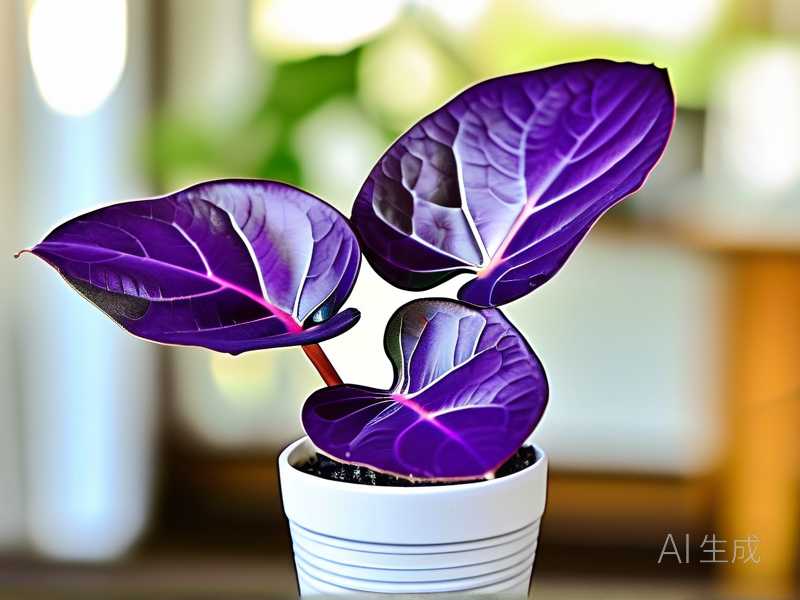
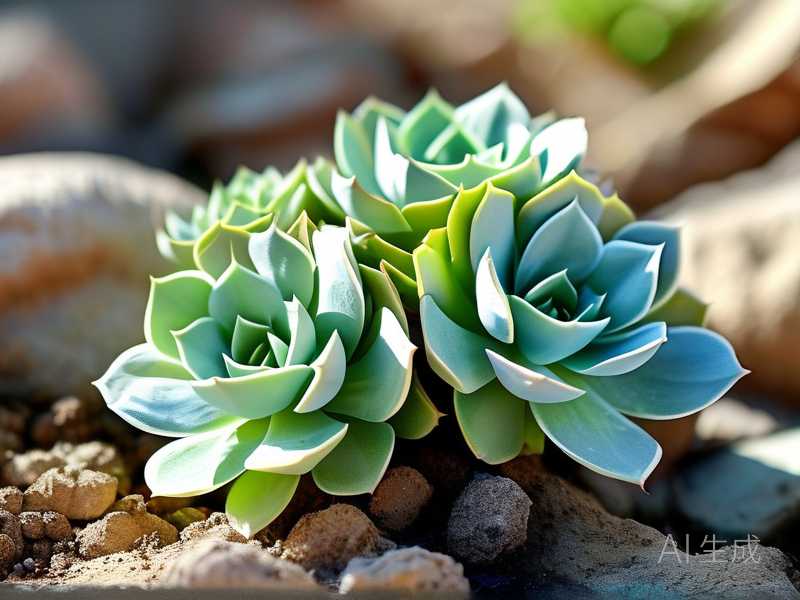
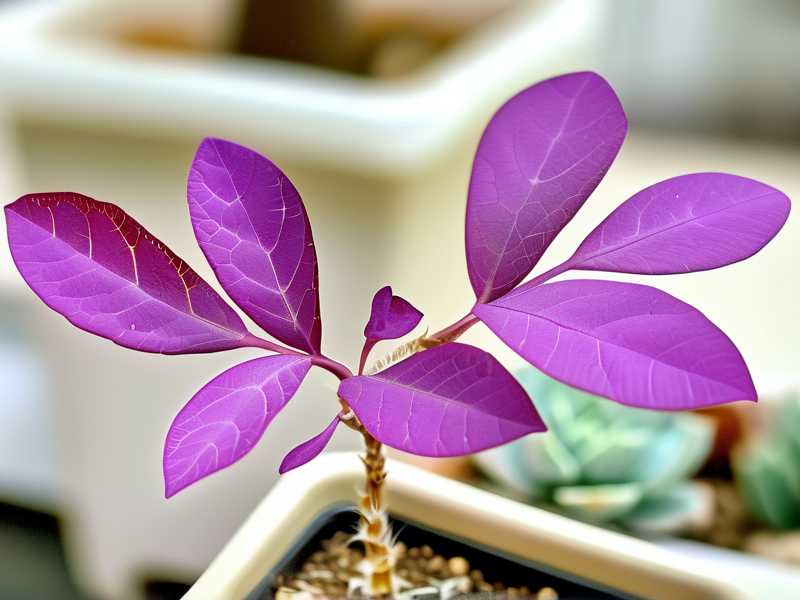
Pale purple coloring at the base of succulent leaves often signals stress. It can be caused by overwatering, lack of light, or even a sudden temperature change. I remember staring at my Echeveria for weeks. The base turned a weird pale purple. I thought it needed more water. That was my first big mistake.
Many beginners panic when they see color changes. They assume the plant needs something. But in most cases, less is more. I’ve been there. I know how tempting it is to water or move the plant around. Trust me, patience is key.
My Journey Fixing Pale Purple Leaf Bases
I started with three succulents from a local nursery. They looked healthy for about two weeks. Then the lower leaves turned pale purple. I tried everything—more water, less water, direct sun, shade. Nothing worked. Finally, I dug up the roots and found mushy, dark roots. That was my wake-up call.
Overwatering had caused root rot. The pale purple color was a warning sign. I had ignored it. I wish I had known sooner. But now I can share what actually works.
3 Deadly Mistakes New Plant Parents Make
① Overwatering Like You’re Growing a Tropical Plant
This is by far the most common mistake. I used to water my succulents every three days. I thought they needed constant moisture. That was completely wrong. According to the RHS, 90% of indoor plants die from overwatering. Succulents store water in their leaves. They prefer dry soil.
When the soil stays wet too long, roots suffocate. The base of the leaves turns pale purple. Then they become soft and mushy. I learned this after my third succulent died. Now I only water when the soil is bone dry. That usually means every 10 to 14 days, depending on the season.
② Light Placement Mistakes
Another big mistake is putting succulents in the wrong spot. I placed mine on a north-facing windowsill because I thought any sunlight would work. But succulents need bright indirect light. Too little light causes pale, stretched growth. Too much direct sun can burn the leaves.
Pale purple leaf bases often show up when light is insufficient. The plant stretches toward the window. The bottom leaves lose color. I moved my succulents to an east-facing window. Within two weeks, the color started improving. Simple change, big difference.
③ Using the Wrong Pot
I once planted a succulent in a ceramic pot with no drainage hole. It looked nice on my desk. But water had nowhere to go. The soil stayed wet for days. The purple base appeared after one week. When I repotted into a terracotta pot with drainage, the problem went away.
Drainage is non-negotiable. Terracotta pots are best because they let soil dry faster. Plastic or glazed pots trap moisture. I always recommend beginners start with terracotta. My plants have been happier ever since.
Step-by-Step Fix for Pale Purple Leaf Bases
Step 1: Stop Watering Immediately
As soon as you see pale purple leaf bases, stop watering. Let the soil dry out completely. If the pot feels heavy, the soil is still wet. I wait until the soil is dry to the touch an inch deep. This can take a week or more, depending on your environment.
Step 2: Check the Roots
After a week of dry soil, gently remove the plant from its pot. Look at the roots. Healthy roots are white or light tan. Rotted roots are brown, black, or mushy. If you see rot, trim it off with clean scissors. Cut back to healthy tissue.
I remember doing this for the first time. I was nervous. But the plant bounced back after trimming. The pale purple base gradually turned green again. It’s amazing what a little root surgery can do.
Step 3: Repot with Fresh Soil
Use a cactus or succulent potting mix. This soil is coarse and drains fast. Regular potting soil holds too much moisture. I mix mine with perlite for extra drainage. Repot into a pot with a drainage hole. Water lightly only after one week.
Step 4: Adjust Light Exposure
Place your succulent in a spot with bright, indirect light. A south or east-facing window works well. Avoid direct afternoon sun at first. That can burn the leaves. I use a sheer curtain to filter harsh light. Within two weeks, the pale purple base should start fading.
Step 5: Be Patient and Observe
Plants don’t heal overnight. It took my succulent about two weeks to show real improvement. During that time, I only watered once. I checked the leaves every few days. The purple slowly faded from the base upward. That was a huge relief.
My Two-Week Observation Diary
Week 1: After trimming roots and repotting, the plant looked stressed. The pale purple base remained. I didn’t water. I just let it sit in indirect light. By day five, the leaves felt firmer. The purple was less intense.
Week 2: Color improved noticeably. The base turned light green. New growth appeared at the center. I gave it a light watering once the soil dried completely. The plant looked happier. I felt relieved.
What Experts Say About Plant Stress
The AHS notes that stress colors in succulents often indicate environmental issues. Pale purple leaf bases are a specific type of stress response. Think of it like a plant’s way of saying “something’s off.” Pay attention. Your succulent is talking to you.
Common Questions People Ask
Why are the bottom leaves of my succulent turning pale purple?
This usually means the plant is stressed from overwatering or insufficient light. Start by checking the soil moisture and moving the plant to a brighter spot. Trimming rotten roots may be necessary.
Can I save a succulent with pale purple leaf bases?
Yes, absolutely. Most succulents recover if you act quickly. Stop watering, check the roots, and adjust light. I’ve saved several plants this way. Just be patient.
How long does it take for a succulent to recover?
Typically one to three weeks. You’ll see improvement in leaf color and firmness. New growth is a good sign. Don’t expect an overnight fix. Plants need time.
Final Thoughts for New Plant Parents
Don’t let pale purple leaf bases scare you. I killed five succulents before I understood this problem. Now I know better. The solution is almost always about watering and light. Focus on those two things. Use a pot with drainage. Let the soil dry. Give your plant bright, indirect light.
You don’t need to be an expert. You just need to observe. Your plant will tell you what’s wrong. I promise, once you fix these basics, your succulents will thrive. And that beautiful purple color? It’ll stay where it belongs—only on the leaf tips, not the base.
Remember, every plant parent makes mistakes. I still do. But each loss taught me something. Now I share those lessons so you don’t have to learn the hard way. Trust the process. Your succulent is tougher than you think.