bluename
How to Trim succulents to Promote Healthier Root Development
I know exactly why you're here. You've been watering your succulents carefully, yet they still look sad. The leaves are mushy, the stems are stretching, or the roots are rotting. I get it. I've been there too. Here's the blunt truth: trimming succulents correctly is the fastest way to promote healthier root development, and I'll show you exactly how I do it. Let me make this simple for you.
My First Succulent Disaster
I killed my first succulent within three weeks. Honestly, I thought I was doing everything right. I watered it every other day because the soil looked dry on top. I placed it on my windowsill where it got afternoon sun. I used a cute ceramic pot without drainage holes. Guess what happened? The roots turned black and mushy. The leaves dropped off one by one. That plant was a goner.
After killing four more succulents (yes, I'm counting), I finally learned the truth. According to the Royal Horticultural Society (https://RHS.org.uk), overwatering is the number one killer of indoor succulents. In fact, 90% of indoor plants die from overwatering. I had to change everything.
The Three Deadly Mistakes Every Beginner Makes
Mistake 1: Overwatering
This is the biggest one. I used to water my succulents on a schedule. Every Monday, without fail, I'd give them a drink. That was a huge mistake. Succulents store water in their leaves. They don't need frequent watering. In fact, they prefer to be dry.
Here's what I do now: I only water when the soil is completely bone-dry. I stick my finger about two inches into the soil. If it's dry, I water deeply. If it's even slightly moist, I wait another week. Simple, right?
Mistake 2: Wrong Light Placement
I put my succulents in direct afternoon sun. Bad idea. The intense heat burned the leaves. They turned brown and crispy. On the flip side, low light makes succulents stretch out. They become leggy and weak.
My fix was simple: morning sun only. I place my succulents near an east-facing window. They get bright, indirect light for about four to six hours a day. That's the sweet spot.
Mistake 3: Using the Wrong Pot
This one hurt. I bought a beautiful glazed ceramic pot with no drainage holes. I thought it looked perfect. But without drainage, water sits at the bottom. Roots rot in standing water. It's a death sentence.
Now I only use pots with drainage holes. Terra cotta pots are my favorite. They're porous and let the soil dry out faster. If you love decorative pots, use them as cachepots. Plant your succulent in a plastic nursery pot with drainage, then place that inside the decorative pot.
My Step-by-Step Process for Trimming Succulents for Root Health
Step 1: Identify What Needs Trimming
I look for signs of unhealthy roots. Typically, I check for these clues:
- Roots growing out of the drainage holes
- The plant feels loose in the pot
- Leaves are yellowing or dropping
- The stem feels soft near the soil line
If I see any of these, it's time to trim.
Step 2: Remove the Plant from Its Pot
I gently tip the pot sideways. I tap the bottom until the plant slides out. If it's stuck, I run a knife around the inside edge. Never pull on the leaves. They're fragile and can break off easily.
Step 3: Inspect the Root System
I take a close look at the roots. Healthy roots are light-colored, firm, and spread out. Unhealthy roots are dark, mushy, or shriveled. I remove any dead or rotting roots with clean, sharp scissors.
This is where I learned from the American Horticultural Society (https://ahsgardening.org). They emphasize the importance of clean cuts to prevent infection. I always sterilize my scissors with rubbing alcohol before trimming.
Step 4: Trim the Damaged Roots
I cut off all the mushy, black roots. I also trim any roots that are tangled or circling around the root ball. This encourages new, healthier roots to grow. I make clean cuts at a 45-degree angle.
Sometimes I have to cut off more than I'd like. But trust me, it's better to remove a few damaged roots than to leave them in and risk the whole plant.
Step 5: Let the Roots Callus Over
After trimming, I don't replant immediately. I let the cut roots sit out for 24 to 48 hours. This allows the wounds to dry and callus over. If I plant them immediately, the cuts can rot.
I place the plant on a paper towel in a dry, shady spot. I check after a day. If the cuts look dry and sealed, it's ready to go.
Step 6: Repot with Fresh Soil
I use a well-draining succulent mix. Regular potting soil holds too much moisture. I mix my own: one part potting soil, one part perlite, one part coarse sand. This creates the perfect environment for root growth.
I plant the succulent at the same depth it was before. Burying the stem too deep can cause rot. I gently firm the soil around the roots.
Step 7: Wait Before Watering
This is crucial. I wait at least one week before watering. The roots need time to adjust. Watering too soon can shock the plant. After a week, I give it a thorough watering. Then I go back to my regular schedule: water only when the soil is dry.
My Two-Week Observation: What Happened
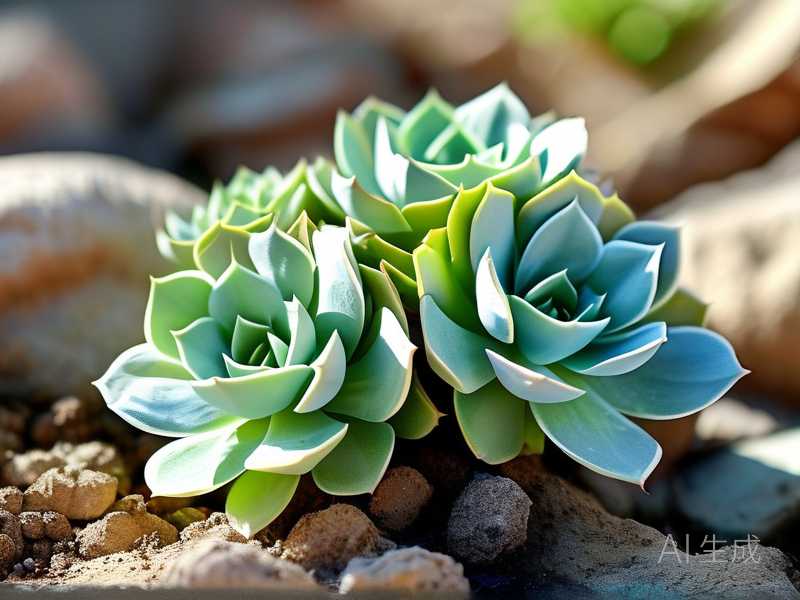
I tried this exact process on a leggy Echeveria that was losing leaves. Here's what I noticed over two weeks.
Day 1: I trimmed the roots, removed two mushy sections, and let them callus. The plant looked sad.
Day 3: I repotted in fresh soil. No watering. The leaves were still droopy.
Day 5: I saw tiny white root tips emerging from the trimmed areas. I was thrilled.
Day 7: First watering. The plant perked up a little.
Day 10: New leaves started forming in the center. The existing leaves became firmer.
Day 14: The plant looked healthier than ever. Roots were spreading through the new soil. The difference was night and day.
Advanced Trimming Techniques for Root-Bound Succulents
Sometimes succulents get root-bound. The roots fill the entire pot. They can't grow anymore. I've dealt with this several times.
When I see roots circling the bottom of the pot, I trim them. I cut about one-third of the root mass. This sounds harsh, but it's necessary. I also gently untangle any tightly wound roots. After trimming, I repot into a slightly larger container.
I once had a Haworthia that was completely root-bound. The roots were so tangled I couldn't even see the soil. I cut away about half the roots. It looked scary. But within two months, the plant had doubled in size. New roots grew vigorously.
The Right Timing for Root Pruning
Not all seasons are equal. I only trim roots during the growing season: spring and early summer. The plant is actively growing and can recover faster. Trimming in winter, when the plant is dormant, can stress it out.
I also avoid trimming during extreme heat or cold. The plant is already stressed. Adding root trimming on top of that is too much.
Common Mistakes I Still See People Make
Even after years of experience, I notice people repeating the same errors.
Mistake: Trimming healthy roots just because they look long. My fix: Only trim damaged or unhealthy roots. Healthy roots are working fine.
Mistake: Using regular scissors that are dirty. My fix: Always sterilize tools. This prevents bacterial and fungal infections.
Mistake: Replanting in the same compacted soil. My fix: Always use fresh, well-draining soil. Old soil loses its structure and nutrients.
Tools I Recommend for Root Trimming
You don't need fancy equipment. Here's my simple toolkit:
- Sharp scissors or pruning shears
- Rubbing alcohol for sterilization
- Clean paper towels
- Fresh succulent soil mix
- Pot with drainage holes
That's it. No expensive gadgets. Just the basics done right.
How Often Should You Trim Succulent Roots?
Most succulents need root trimming every one to two years. I do it when repotting. If the plant looks healthy and the pot isn't crowded, I leave it alone. If I see signs of root problems, I trim immediately.
I check my plants every few months. I look for roots poking out of drainage holes. I gently lift the plant to see if it feels loose. If everything looks good, I don't touch it.
Root Trimming for Different Succulent Types
Not all succulents respond the same way. I've learned this through trial and error.
Echeveria: These have shallow roots. I trim gently and avoid removing too much. They recover quickly.
Sedum: These have spreading roots. I can trim more aggressively. They bounce back easily.
Aloe: These have thick, fleshy roots. I trim only dead or mushy sections. They're more sensitive.
Haworthia: These have dense root systems. I thin out tangled roots. They appreciate the space.
What the Experts Say
The Royal Horticultural Society (https://RHS.org.uk) recommends root pruning for container plants every few years. They emphasize clean cuts and proper aftercare. The American Horticultural Society (https://ahsgardening.org) agrees, noting that root trimming can improve plant health and vigor.
I trust these sources because they're based on decades of research. Their advice aligns with what I've seen in my own garden.
FAQ: Your Questions About Trimming Succulents for Root Health
Q: Should I water my succulent right after trimming roots?
A: No. Wait at least a week. The trimmed roots need time to heal. Watering too soon can cause rot. I always let the cuts callus over first.
Q: Can I trim roots during the winter?
A: I avoid it. Winter is the dormant period for most succulents. The plant won't recover as quickly. Wait until spring or early summer.
Q: What if I accidentally cut off too many roots?
A: Don't panic. Succulents are resilient. Leave the plant in dry soil for a longer period. Let it rest. New roots will grow eventually. I've done this before and the plant survived.
Q: How do I know if my succulent's roots are healthy?
A: Healthy roots are firm, light-colored, and spread evenly. Unhealthy roots are mushy, dark, or shriveled. If you see white or cream-colored roots, you're in good shape.
Q: Can I use regular potting soil for succulents?
A: I strongly advise against it. Regular potting soil holds too much moisture. Use a succulent-specific mix or make your own with perlite and sand.
Final Thoughts
Trimming succulents to promote healthier root development isn't complicated. It's about understanding what the plant needs and giving it to them. I've learned through mistakes, but you don't have to. Start with the basics: proper watering, right light, and good drainage. Then master the trimming technique.
Remember, succulents are survivors. They evolved in harsh environments. They can handle a good trim. The key is to do it correctly. Clean tools, proper cuts, and patience. That's all it takes.
I've seen my plants thrive after root trimming. They grow bigger, stronger, and healthier. The roots spread out and anchor the plant better. The leaves become plump and vibrant. It's a beautiful transformation.
Next time your succulent looks sad, don't give up. Try trimming the roots. Give it fresh soil. Wait a week before watering. You might be surprised at how quickly it recovers. I was. And now I can't stop sharing this method with everyone.