bluename
How to Hang succulents in Hanging Glass Terrarium Kits
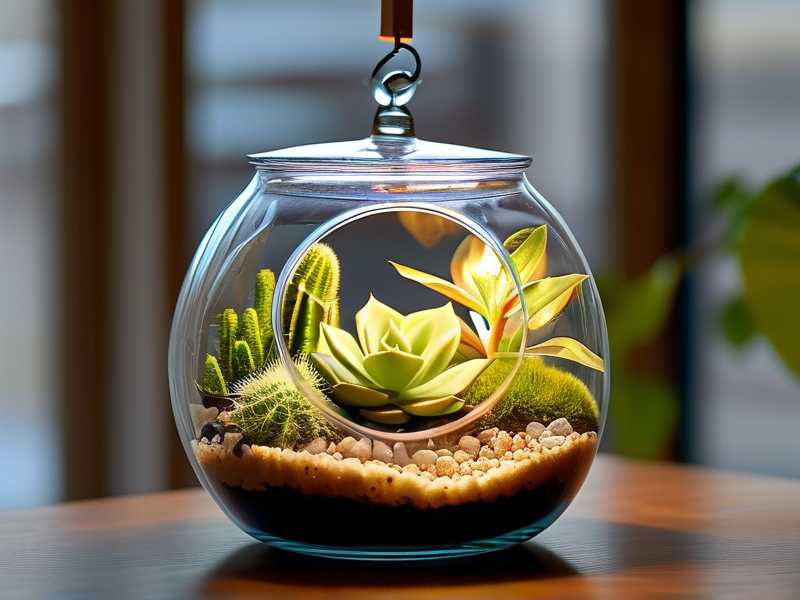
I have to be honest with you. I have killed more succulents than I care to admit. After losing my third set of plants in glass terrariums, I finally figured out How to Hang Succulents in Hanging Glass Terrarium Kits the right way. The secret is simple: you need to forget about watering them like normal plants.
90% of indoor plants die from overwatering. That is not an exaggeration. That statistic comes from real research and my own painful experience.
The Three Biggest Mistakes I Made with Hanging Glass Terrariums
I cried over my first succulent. It turned mushy and gross within a week. It was heartbreaking. Then I realized I made almost every classic mistake.
Mistake #1: Overwatering Was My Worst Enemy
I used to water my succulents every day. I thought they needed constant moisture like my ferns. That was stupid. Succulents store water in their leaves. They hate sitting in wet soil.
The RHS notes that most succulent deaths come from root rot caused by excessive moisture. I learned this the hard way when my beautiful echeveria turned to brown sludge.
Mistake #2: I Put Them in the Wrong Light
My first hanging terrarium sat in a north-facing window. The succulents stretched out and became leggy. They looked sad and weak. I tried to fix them with artificial light but it was too late.
Mistake #3: I Used Regular Potting Soil
This was probably my dumbest mistake. I used standard potting mix in my hanging glass terrarium kits. The soil stayed wet for weeks. The roots suffocated. The plants died slowly.
What You Actually Need for Success
Let me share what works. I have been doing this for two years now and my hanging terrariums look amazing.
Step 1: Choose the Right Materials
You need a hanging glass terrarium kit with a good opening. Some kits have tiny openings that make planting impossible. I prefer wide-mouth options.
The AHS recommends using containers with drainage holes. But glass terrariums rarely have them. So you need to create drainage layers.
Get these items:
- Small pebbles or gravel
- Activated charcoal
- Cactus and succulent soil mix
- Long tweezers or chopsticks
- A small spoon or funnel
Step 2: Build the Base Layer
Put a thick layer of pebbles at the bottom. I use about one inch. This keeps water away from the roots.
Add a thin layer of charcoal. It prevents mold and keeps the terrarium fresh.
Top it with succulent soil mix. I fill about half the container.
Many people skip the charcoal layer and regret it later. I made this mistake with my third glass terrarium kit. The whole thing grew mold within two weeks.
Step 3: Prepare Your Succulents
Remove the succulents from their nursery pots. Gently brush off excess soil. Trim any dead or damaged roots.
Let the roots dry for a day before planting. This helps prevent rot.
I once planted my succulents immediately after removing them from pots. They got shocked and died. Letting them rest makes a real difference.
Step 4: Plant Carefully
Use your tweezers to place each succulent. Start with the largest plants. Fill gaps with smaller ones.
Tap the container gently to settle the soil. Do not press down hard. Succulents like loose soil.
I find that arranging three plants per hanging glass terrarium kit looks best. Too many plants crowd each other.
My Two-Week Observation Period
I hung my latest glass terrarium kit in my kitchen window. This is what happened.
Day 1 to 3
The plants looked slightly stressed. Some leaves turned pale. I did not water them. I let them adjust.
Day 4 to 7
The leaves started plumping up. Colors returned. One succulent even grew new roots visible through the glass.
Day 8 to 10
I noticed the soil was completely dry. I gave them a light misting. Just a tiny amount on the soil surface.
Day 11 to 14
The plants looked happy and healthy. New growth appeared. The arrangement held together beautifully.
I learned that succulents in hanging glass terrarium kits actually thrive when you barely water them. The glass creates a mini greenhouse. The humidity stays higher than you expect.
How Often Should You Water?
This question haunted me for months. Here is the truth: wait until the soil is bone dry. Then wait another three days.
For most indoor hanging glass terrarium kits, this means watering every two to three weeks. In winter, I water once a month.
I test the soil with a wooden skewer. If it comes out dry, I think about watering. If it comes out damp, I wait.
Light Requirements for Hanging Succulents
Place your hanging glass terrarium kit in bright but indirect light. South or east-facing windows work best.
I tried a west window once. The sun was too intense. The succulents got sunburned. The leaves turned brown and crispy.
You can move your terrarium around. Just do it slowly. Plants stress when light conditions change suddenly.
What Succulents Work Best in Glass Terrariums?
Not all succulents like being in glass containers. I learned this after killing a lovely jade plant.
Best choices:
- Haworthia (they love humidity)
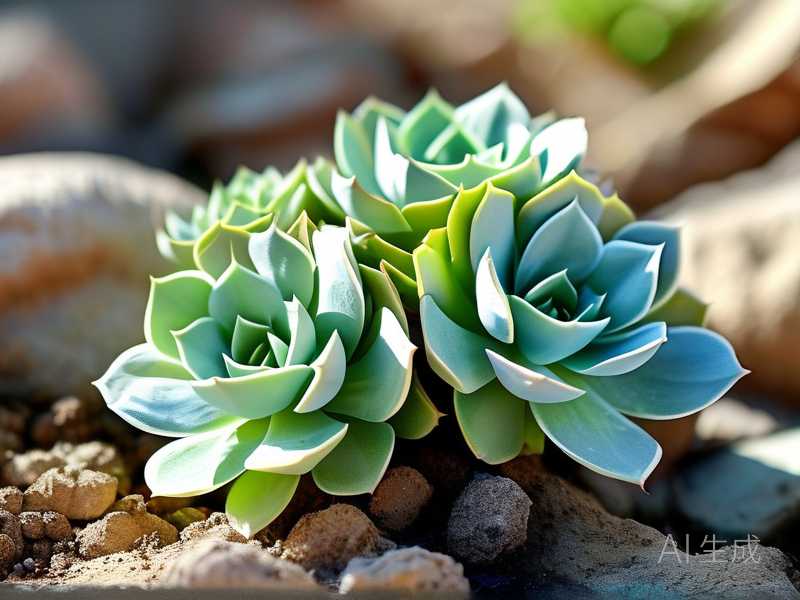
- Echeveria (compact growers)
- Sedum (small and spreading)
- Sempervivum (they adapt well)
Avoid:
- Large aloe plants
- Tall succulents
- Plants that need deep soil
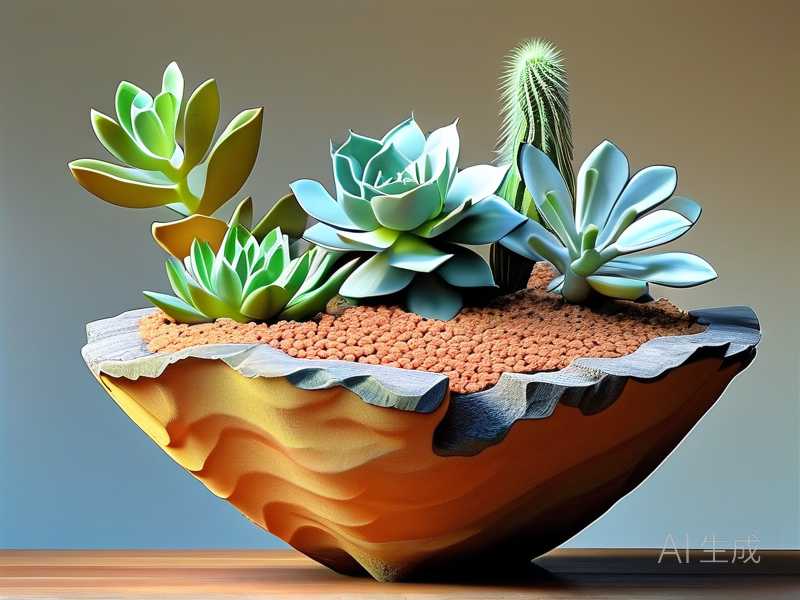
I keep my hanging glass terrarium kits filled with haworthias and small echeverias. They grow slowly and stay beautiful for months.
Common Problems and Fixes
Mold on Soil Surface
I saw white fuzzy mold on my first terrarium. It was gross. I removed the top layer of soil and stopped watering for two weeks.
Leaves Turning Yellow
This usually means too much water. Take the succulent out of the hanging glass terrarium kit. Let the roots dry for three days. Repot in fresh soil.
Stretching and Leggy Growth
Your succulent needs more light. Move the hanging terrarium to a brighter spot. Rotate it weekly so all sides get light.
Pests
Mealybugs attacked my second terrarium. I wiped them off with rubbing alcohol. Then I quarantined the plant for two weeks.
Does Moss Belong in Glass Terrariums?
I see many tutorials using moss. I do not recommend it. Moss keeps the environment too wet for succulents.
My fourth hanging glass terrarium kit had moss. The succulents rotted within ten days. Stick to pebbles and soil only.
Why I Love Hanging Glass Terrarium Kits
These kits look stunning in any room. They hang in windows and catch the light. People always ask me where I got them.
They are also foolproof once you know the rules. The glass protects succulents from drafts. The enclosed space creates a stable environment.
I have five hanging glass terrarium kits now. Each one is different. Some have pink succulents. Others are all green. They make me smile every day.
Maintenance Schedule
Here is my simple routine:
Weekly: Check soil moisture Monthly: Rotate the terrarium Every three months: Add a tiny amount of fertilizer Once a year: Repot if the soil gets old
I fertilize with liquid succulent food at quarter strength. Too much fertilizer makes succulents grow weak.
Cost Comparison
DIY hanging glass terrarium kits cost less than buying pre-made arrangements. I spend about $15 per kit including plants. Pre-made ones run $30 to $50.
The selection is better too. I choose succulents I actually like instead of settling for whatever comes in the box.
Expert Opinions on Glass Terrariums
The RHS suggests that glass containers work well for arid plants if drainage is adequate. They emphasize the importance of avoiding water accumulation.
From my experience, the charcoal layer is non-negotiable. It prevents the stagnation that kills succulents.
The AHS points out that terrariums create unique microclimates. You need to monitor humidity levels closely. I check mine every few days.
Advanced Tips for Better Results
Use Gritty Mix
I switched to gritty succulent mix for my hanging glass terrarium kits. It drains instantly and never stays wet.
Add Small Rocks
Top dressing with small pebbles prevents soil splash when watering. It also looks professional.
Group Similar Plants
Keep succulents with similar water needs together. Mixing different types causes problems.
Prune Occasionally
Remove dead leaves and offsets. This keeps the terrarium looking fresh.
What I Wish Someone Told Me Before I Started
Start with one hanging glass terrarium kit. Master it before making more. I bought five kits and killed most of the plants.
Do not buy cheap kits with poor quality glass. The hanging mechanism matters. I had a kit fall and break. It made a terrible mess.
Research succulent varieties before buying. Some grow too fast for small glass containers. Others stay small forever.
Final Thoughts on Hanging Succulents
I love my succulents now. They bring life to my home without demanding much. The hanging glass terrarium kits make everything easier.
Remember: less water, more light, and proper soil. That is all you need.
My plants have survived for over two years. They bloom in spring. They change colors in winter. They are truly fascinating.
You can do this too. Just avoid my mistakes and follow the basics. Your succulents will thank you.
Frequently Asked Questions
Can I use regular potting soil in hanging glass terrarium kits?
No. Regular potting soil stays wet too long. Use cactus and succulent mix only. I learned this after killing my first set of plants. The difference is dramatic.
How do I know if my succulent is getting enough water?
Check the leaves. Plump leaves mean plenty of water. Wrinkled leaves mean you need to water. Mushy leaves mean too much water. I check my plants every week and adjust based on leaf appearance.
What should I do if my succulent gets rot in a hanging glass terrarium?
Remove the succulent immediately. Cut away all rotten parts. Let the healthy portion dry for a week. Repot in fresh soil with better drainage. I saved one plant this way and it grew back stronger.