Succulents are beloved for their low-maintenance charm, but one of the most common pitfalls for plant parents is getting the watering right—especially as seasons change. A one-size-fits-all approach simply doesn’t work for these water-storing plants, as temperature, sunlight, and growth cycles shift dramatically throughout the year. This comprehensive guide breaks down the essential watering schedule for succulents by season, plus actionable tips to tell when your plant is thirsty, ensuring your succulents thrive year-round.
Understanding Succulent Watering Basics
Before diving into seasonal schedules, it’s critical to grasp why succulents have unique watering needs. Unlike traditional houseplants, succulents store moisture in their leaves, stems, or roots, making them drought-tolerant but susceptible to root rot if overwatered. According to the Royal Horticultural Society (RHS), overwatering is the leading cause of succulent death, accounting for 70% of failed plants. The key principle? “Soak and dry”—water thoroughly only when the soil is completely dry.
3 Foolproof Ways to Check If Your Succulent Needs Water
Soil Test: Insert a finger 2-3 inches into the soil. If it feels dry to the touch, it’s time to water. For smaller pots, use a wooden skewer—if it comes out clean, the soil is dry; if damp, wait a few more days.
Leaf Texture: Healthy succulent leaves are plump and firm. If leaves feel soft, wrinkled, or start to droop, your plant is dehydrated. Avoid confusing this with overwatering, which causes mushy, translucent leaves.
Pot Weight: Lift the pot—dry soil is significantly lighter than moist soil. With practice, you’ll intuitively know when your succulent is thirsty based on weight alone.
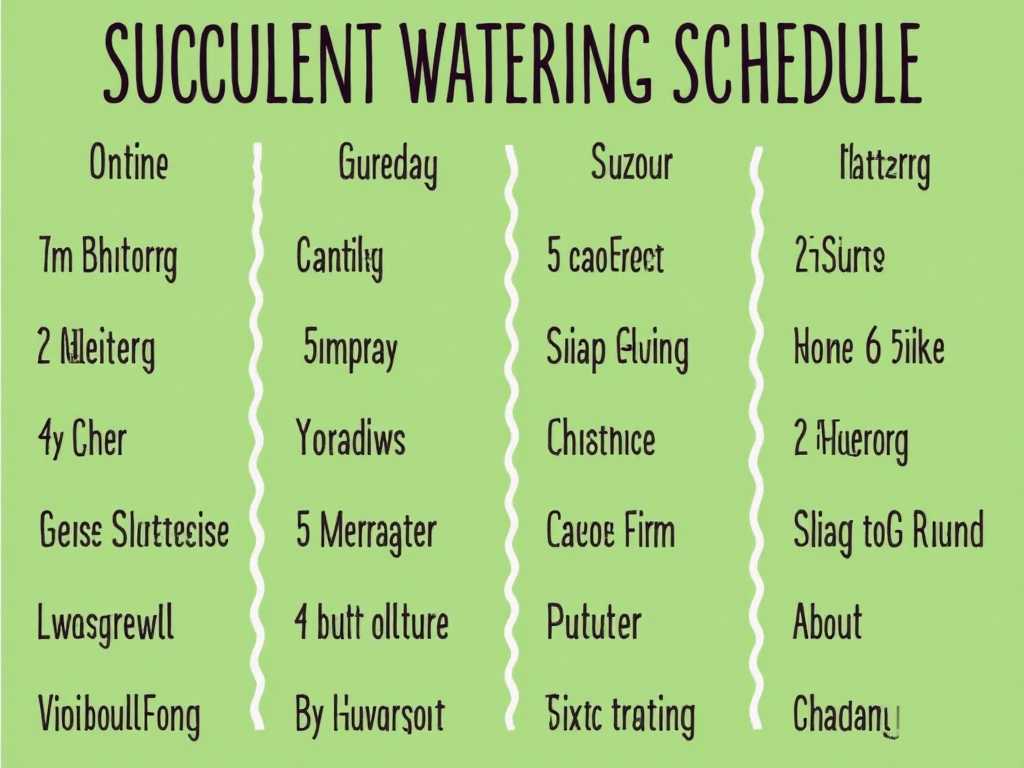
Seasonal Watering Schedule for Succulents
Spring: Active Growth Period
Spring is when succulents emerge from their winter dormancy, entering a period of rapid growth. As temperatures rise (between 60-75°F/15-24°C) and daylight hours increase, their water needs spike.
Tips: Use room-temperature water to avoid shocking the roots. If your succulents are outdoors, adjust for rain—skip watering if the soil is still damp from rainfall. The RHS recommends fertilizing lightly during this season, as water and nutrients work together to support growth.
Summer: Hot and Dry Conditions
Summer brings higher temperatures (75-90°F/24-32°C) and increased evaporation, but succulents can still tolerate drought. However, prolonged heatwaves may require more frequent watering.
Tips: Water in the early morning or late evening to prevent water from evaporating too quickly or burning leaves in direct sunlight. Ensure pots have drainage holes to let excess water escape—soggy soil in summer heat is a breeding ground for root rot. If you notice leaves shrinking faster than usual, increase watering slightly but never let soil stay wet.
Fall: Transition to Dormancy
As temperatures cool (50-70°F/10-21°C) and daylight decreases, succulents slow their growth, preparing for winter dormancy. Their water needs gradually decrease.
Tips: Reduce watering as temperatures drop below 60°F (15°C). Avoid getting water on the leaves during cool, humid weather—this can lead to fungal issues. If your succulents are outdoors, bring them inside before the first frost, as cold, wet soil is deadly for succulents.
Winter: Dormancy Period
Winter is the most critical time for succulent watering. Most succulents go dormant in temperatures below 50°F (10°C), and their metabolic processes slow down significantly—they need very little water to survive.
Tips: Water sparingly—only enough to prevent leaves from shriveling severely. Use lukewarm water to avoid chilling roots. Keep succulents in a bright, cool spot (40-50°F/4-10°C) with good air circulation. Never water if the soil is still damp, as root rot is most common in cold, wet conditions.
Common FAQs About Succulent Watering
1. Can I use a spray bottle to water succulents?
Spray bottles are not ideal for succulents. They only moisten the top layer of soil, leaving the roots dry, and can promote fungal growth if water sits on leaves. Stick to watering at the base of the plant until water drains out the bottom of the pot.
2. Do all succulents have the same watering needs?
While the “soak and dry” rule applies to most succulents, some varieties have slight differences. For example, desert succulents (like Cacti) need less water than tropical succulents (like ZZ Plants or Snake Plants). Always research your specific succulent’s native habitat for tailored care.
3. What if I overwatered my succulent?
If you notice mushy leaves, a foul smell, or black roots, act quickly. Remove the plant from its pot, trim any rotted roots with sterile scissors, and repot in well-draining soil (like a cactus/succulent mix). Let the plant dry out for 3-5 days before watering lightly.
Caring for succulents doesn’t have to be complicated—mastering the seasonal watering schedule and learning to read your plant’s signals are the keys to success. By following the “soak and dry” method, adjusting frequency with the seasons, and using the three 缺水判断技巧,you’ll keep your succulents plump, healthy, and thriving through every season. Remember, it’s better to underwater than overwater—succulents are resilient and can bounce back from drought, but root rot is often irreversible.
 bluename