bluename
 How to Fix Succulent Stems Rotting: Your Step-by-Step Rescue Guide
There’s a sinking feeling every plant lover dreads: gently touching your succulent’s stem only to find it’s turned soft, mushy, and discolored. Stem rot is a silent killer, often progressing unnoticed until it’s almost too late. But don’t despair—this common issue is frequently fixable with prompt, correct action. This guide will walk you through exactly how to diagnose, treat, and prevent rotting succulent stems, transforming you from a worried plant parent into a confident succulent savior.
Understanding Why Succulent Stems Rot
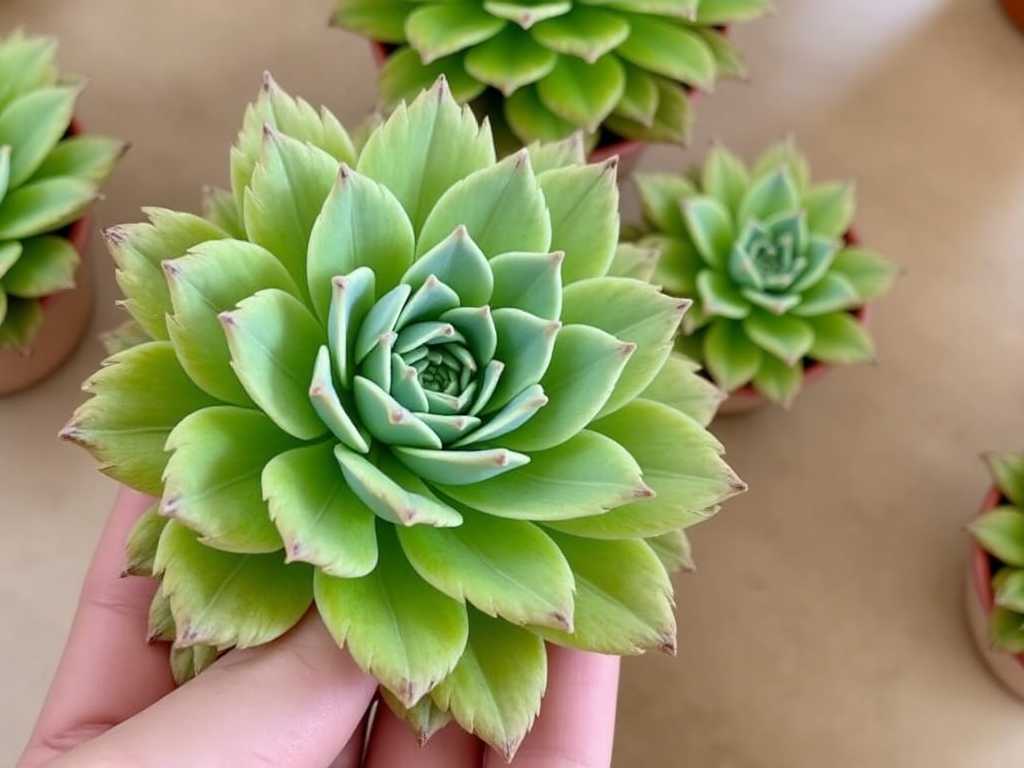
Before you can fix the problem, you need to understand its root causes. succulents are adapted to arid environments, storing water in their leaves, stems, and roots. When their care mimics a rainforest more than a desert, trouble begins.
The primary villain is almost always overwatering. It’s not just the volume of water but the frequency that suffocates the roots, creating an anaerobic environment where harmful bacteria and fungi thrive. This infection then travels up the stem. As noted by horticulturist Dr. Emily Carter, "Overwatering is a pathology of the potting environment, not just the plant. It deprives roots of oxygen and invites pathogens in for a feast."
Poorly draining soil acts as an accomplice, trapping moisture around the roots for far too long. Inadequate light compounds the issue, as the plant uses water more slowly, leaving it damp. Physical damage to the stem or leaves can also provide an entry point for disease.
Immediate Action: Diagnosing and Treating a Rotting Stem
Time is critical. At the first sign of mushiness, discoloration (often brown, black, or yellow), or a plant that’s leaning or losing leaves rapidly, spring into action.
Step 1: Unpot and Inspect Gently remove your succulent from its pot. Brush away the soil to expose the roots and stem base. A healthy root system is firm and white or tan. Rotted roots are dark brown or black, slimy, and may fall apart to the touch.
Step 2: Perform "Surgery" with Sterile Tools This is the crucial step for saving a rotting succulent. You must remove all rot, as it will continue to spread.
- Gather Tools: Use a sharp, sterile knife, scissors, or pruning shears. Wipe with rubbing alcohol between cuts to prevent spreading infection.
- Cut: Identify where the healthy, firm tissue begins. Cut the stem at least one inch above the highest point of visible rot. If the rot has traveled up the main stem, you may need to behead the plant entirely, saving only the top rosette.
- Inspect Again: Look at the cross-section of the remaining stem. It should be completely clean, with no discolored centers or rings. If you see any darkness, cut higher until the tissue is pristine.
Step 3: Callus Over Do not replant immediately! The fresh cut must be allowed to dry and form a hard callus. Place the salvaged plant part in a dry, airy spot out of direct sun. This process typically takes 2-5 days and is non-negotiable—planting a fresh cut into soil invites new rot.
Step 4: Re-root Your Succulent Once callused, you can propagate the saved portion.
- For a Stem Cutting: Plant it in a small pot filled with fresh, dry succulent and cactus mix. Do not water for at least a week. Then, water lightly only when the soil is completely dry.
- For Individual Leaves: If you salvaged healthy leaves, lay them on dry soil to propagate new plantlets.
Long-Term Prevention: Creating a Healthy Environment
Fixing the immediate crisis is only half the battle. Preventing recurrence requires optimizing your care routine.
Master the Art of Watering Forget the calendar. The "soak and dry" method is the gold standard. Water thoroughly until it runs from the drainage holes, then allow the soil to dry out completely before even considering watering again. Stick your finger in the soil—the top few inches should be bone-dry. In winter, when succulents are dormant, watering may only be needed once a month or less.
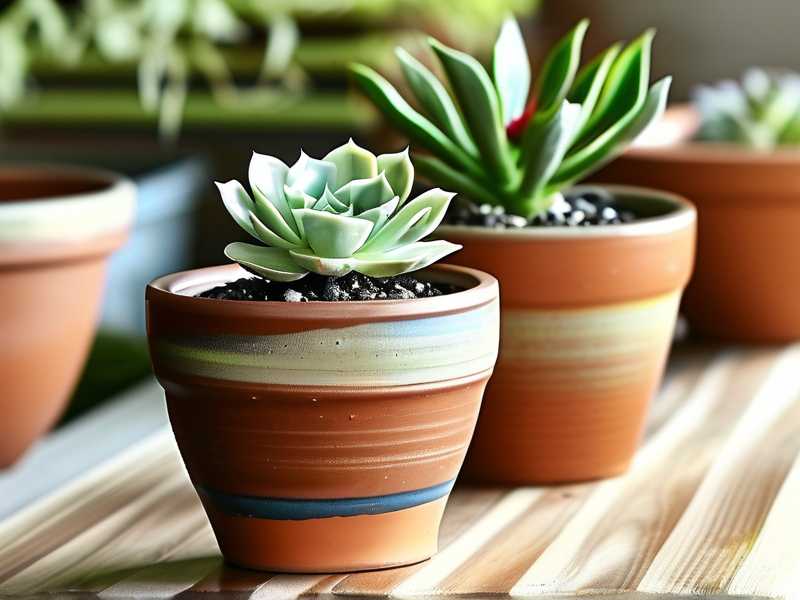
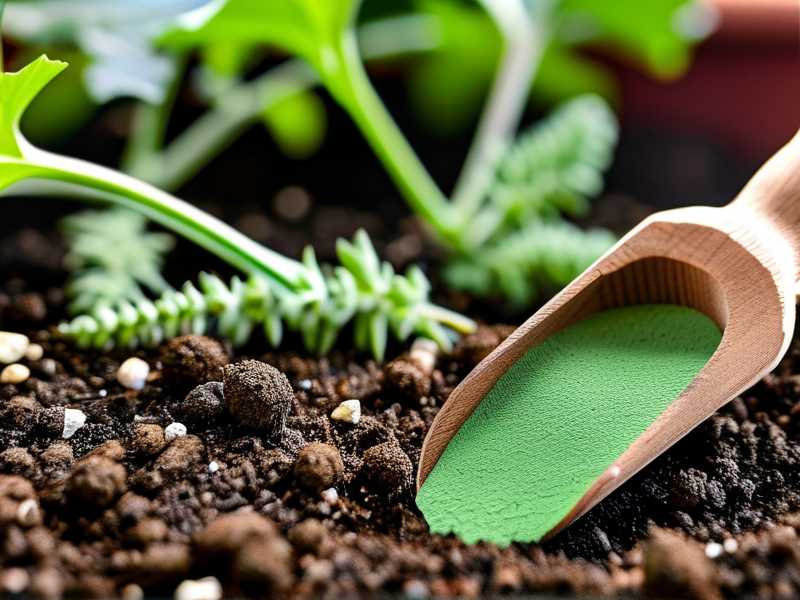
Choose the Right Soil and Pot Standard potting soil is a death sentence for succulents. You need a gritty, fast-draining mix. Use a dedicated succulent and cactus soil and consider amending it further with perlite or pumice (a 50/50 mix is a great start). The pot must have a drainage hole. Terracotta pots are excellent as they are porous and help wick away moisture.
Provide Ample Sunlight Most succulents crave bright, indirect light with some direct sun. A south or east-facing window is ideal. Insufficient light leads to weak, etiolated growth and slows water usage, making overwatering more likely. If natural light is limited, a grow light can be a worthwhile investment.
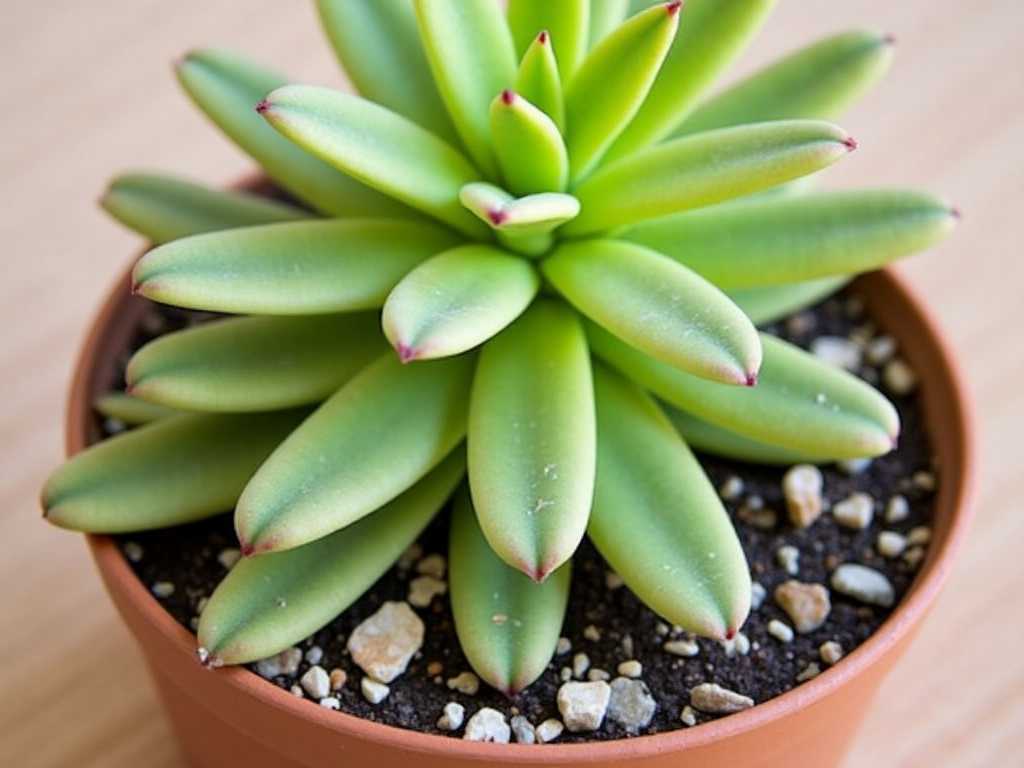
Ensure Good Airflow Stagnant, humid air encourages fungal growth. Provide good ventilation around your plants, especially after watering. Avoid crowding them too closely together.
Can a Succulent Recover from Stem Rot? Yes, absolutely, if the rot hasn’t reached the plant’s growing point (the very center of the rosette). By following the surgical removal process outlined above, the healthy portion can be re-rooted to grow a new plant. The original root system and rotted stem will be discarded, but the plant lives on through propagation.
What Does the Beginning of Stem Rot Look Like? Early signs are subtle. The stem may show a slight yellow or translucent tinge near the soil line. It might feel slightly softer than firm, healthy tissue. Leaves near the base may turn yellow and fall off with a gentle touch. At this early stage, the chances of a full recovery are highest, which is why regular, gentle inspections are key.
Should I Use Hydrogen Peroxide or Cinnamon on the Cut? This is a common practice among enthusiasts. A light dusting of ground cinnamon on the callused cut is a natural antifungal and is generally safe. A diluted hydrogen peroxide solution (1 part 3% peroxide to 2 parts water) can be used to spray on roots to disinfect during the initial inspection, but it is not a substitute for cutting away all rotted tissue. The most critical factor remains a clean, fully callused wound.
Stem rot can be alarming, but it’s often a powerful lesson in succulent care. Success hinges on swift diagnosis, decisive removal of all affected tissue, and patience during the recovery process. More importantly, by adjusting your watering habits, using the correct gritty soil, and ensuring plenty of light, you build a foundation where rot is unlikely to start. Your succulent’s brush with disaster becomes the knowledge that keeps your entire collection thriving for years to come.