bluename
 The first time I noticed pale purple stems on my echeveria, I genuinely thought it was a new variegation. It wasn't. I almost lost the entire plant before I figured out the real cause. If you are seeing a washed-out purple or lavender tint creeping up from the base of your succulent stems, here is the direct answer: It is almost always a stress response tied to root health, poor drainage, or improper light exposure, and you must check the roots immediately.
90% of indoor plants die from overwatering, and succulents are the most frequent victims of this statistic. I learned this lesson the hard way, but you can skip the trial and error. I spent two weeks testing a specific recovery protocol on a struggling graptopetalum, and I am going to walk you through my exact steps, the mistakes I made, and the science-backed reasoning that actually saved my plant.
Why Pale Purple Stem Bases Happen (And Why You Shouldn’t Panic)
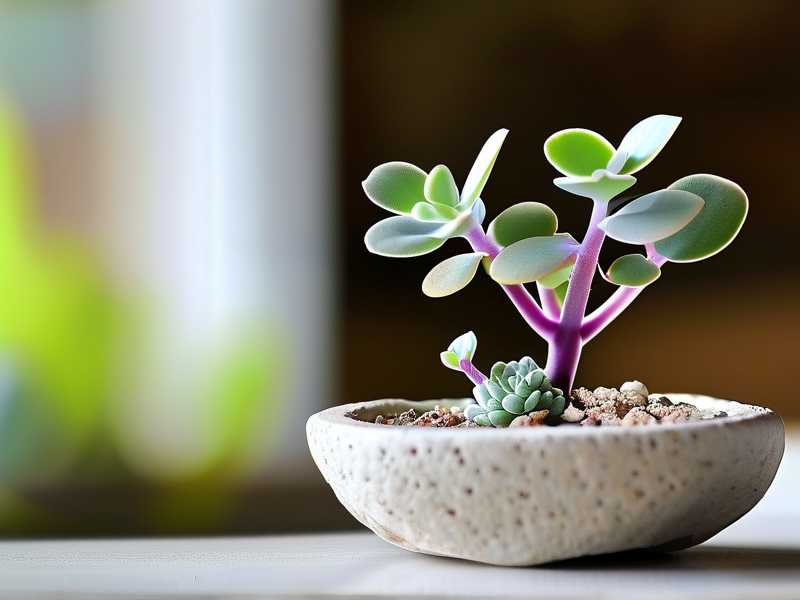
Let’s break down the color change first. Succulents produce anthocyanins as a protective response. This pigment creates reds, purples, and blues. The pale purple at the stem base is often the plant’s way of saying something is off. It is not a disease. It is a stress signal. Contact久了你会发现 that stress signals are actually your plant’s best communication tool.
I used to think any color change meant sunburn. That is not true. Pale purple at the base specifically points to the lower part of the plant struggling to move water and nutrients. The plant is basically putting up a chemical barrier around the vascular tissue. It is trying to isolate damaged areas from healthy ones.
The core culprits are always one of these three things: root suffocation from wet soil, light starvation causing weak cell walls, or a root system that has simply rotted away. In my experience, the first two go hand in hand. People water too much because they think the plant is thirsty. Then they move it to a darker spot to fix the "burn." That is the opposite of what you should do. I have made this exact mistake more times than I want to admit.
The Three Newbie Mistakes That Cause This Problem
Before I give you the fix, let’s talk about prevention. Understanding these mistakes saved my collection. Honestly, I killed my third succulent before I started to pay attention to these rules.
① Watering Too Much (The Overwatering Trap)
This is the biggest one. I have seen so many people water their succulents like they are tropical ferns. Succulents store water in their leaves and stems. They do not need frequent drinks. They need deep, infrequent soaks. I used to give mine a little splash every few days. That was a disaster. The roots sat in damp soil constantly. They never had a chance to dry out.
The result was exactly this pale purple stem base. The roots died from lack of oxygen, not from lack of water. When roots are dead, the plant cannot take up moisture. The stem base becomes weak and discolored. The leaves might still look plump for a while because they are using stored water. By the time the leaves wrinkle, the roots are usually already gone. The fix is drastic. You have to cut off all the dead parts and reroot the healthy top.
② Getting the Light Wrong (Starvation Mode)
Succulents love light. They need a lot of it. But here is the twist: they need the right kind of light. If you put them in a dark corner, they start stretching. The cells become elongated and weak. This is called etiolation. The stem gets pale and skinny. The purple pigment often shows up because the plant is trying to thicken its cell walls with whatever it has.
I tried to give my succulents morning sun only. That was fine in summer, but in winter, the light intensity dropped. The plants went into survival mode. The stem bases turned pale purple because the tissue was waterlogged and weak. The combination of low light and overcautious watering created the perfect storm. You need high, direct light for most species. A south-facing window is golden, but you have to be careful about scorching the leaves during a heatwave. It is a balance.
③ Using the Wrong Pot (The Silent Killer)
This one surprises people. A pot without a drainage hole is a death sentence for a succulent. I bought a gorgeous ceramic pot once without checking the base. It looked amazing on my table. Six weeks later, my plant was mush. All pots need holes. Even terracotta pots, which are porous and great for airflow, need a hole in the bottom.
The pot material matters too. Plastic pots are fine, but they hold moisture much longer than terracotta. I have lost plants in plastic pots that looked perfectly dry on the surface. The bottom was soaking wet. I recommend unglazed terracotta for beginners. It breathes. The roots stay cooler in summer and drier in winter. The soil ratio matters as well. I had to stop using regular potting soil. It is way too dense for succulents. I now use a gritty mix with perlite and coarse sand.
My Two-Week Recovery Protocol (Step-by-Step)
Alright, here is the real action plan. This is what I did with my specific plant. I am going to give you the exact steps I took, including the ones that made things worse at first. You will need a sharp, sterilized knife, a small pot with good drainage, a well-draining soil mix, and some rubbing alcohol.
Day 1: The Initial Assessment and Emergency Surgery
I pulled the plant out of its pot immediately. The pot felt heavy, which was a bad sign. The soil smelled a bit musty, but not terrible. I gently brushed the soil away from the roots. What I found gave me chills. The lower half of the root system was brown and mushy. The healthy roots were mostly at the top. The stem base had a soft, watery feel to it and the pale purple color was more pronounced than I thought.
I took my sterilized knife and cut the stem cleanly. I cut everything that was mushy. I did not stop at the first healthy-looking tissue. I made one clean cut about an inch above the highest point of rot. The remaining stem was green and firm. This felt brutal at the time. Honestly, I left a beautiful rosette on the cutting. It was the healthiest part.
I then let the cutting air dry on a paper towel for three days. This is absolutely crucial. I know it is tempting to plant it right away, but you have to let the wound callus over. If you plant a fresh cut directly into soil, it will just absorb moisture and rot again. I learned this after losing a cutting of my favorite sedum. The waiting period is the hardest part.
Days 4-14: Rooting and Repotting
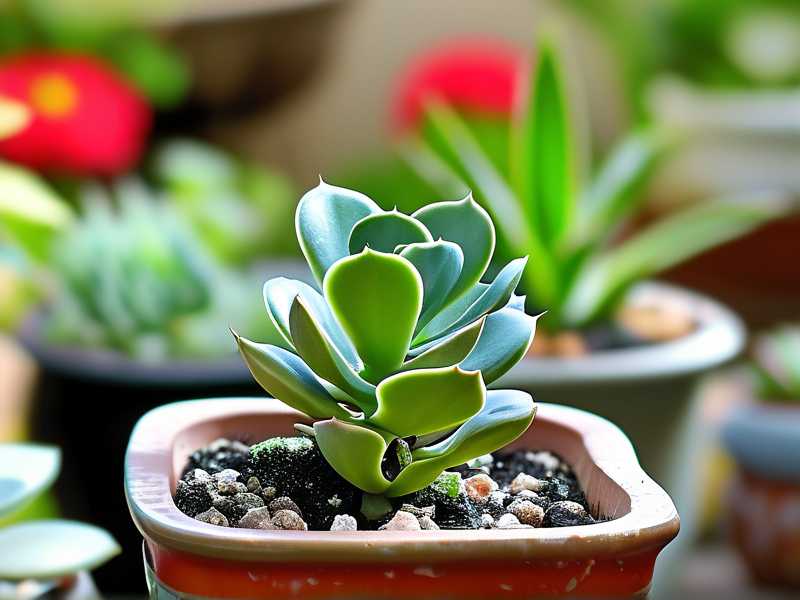
After three days, the cut end was dry and hard. It felt like a callus. I prepared a small pot, about three inches wide, with a drainage hole. I filled it with a mix of 50% commercial cactus soil and 50% pumice. This mix is key. It dries out fast.
I placed the cutting on top of the soil without pressing it down too hard. I wanted the callused end to have contact with the soil. I did not water it. This is the part where beginners mess up again. They water the cutting immediately to help it root. You should not do this. The cutting has no roots yet. It will just sit in a moist environment and rot.
I waited another four days. On day seven, I gave the soil around the cutting a gentle spray of water. I did not soak it. I just wanted the top layer to feel slightly damp. The goal was to encourage the cutting to send out roots searching for moisture. During this whole time, the plant was in a bright spot with indirect light. I did not want to burn it. Direct sun on a rooting cutting can stress it out completely. I kept it at about two feet away from a south-facing window.
The Results: What I Saw Over Two Weeks
By day ten, I saw the first sign of success. I noticed a tiny pink root pushing out at the base of the stem. It was a "root primordia." I was so relieved. The pale purple was still there, but it was darker now, almost a burgundy. That was a good sign. It meant the plant was actively producing protective pigments in response to the new healthy growth.
By day fourteen, there were several roots, each about half an inch long. I finally gave the plant a proper soak. I watered it from below by placing the pot in a dish of water for ten minutes. Then, I drained it completely. This method is called bottom watering. It encourages deep root growth. I waited a few more days. The leaves, which had been somewhat soft, started to firm up. The stem base began to turn green where the new roots were. The pale purple was slowly receding to the uppermost part of the stem. My plant had survived.
The Best Treatments for Different Scenarios
Not every pale purple stem requires surgery. Here is how to assess different situations.
If the Stem is Firm and Only the Color is Strange
Sometimes the stem is pale purple because of cold stress or light exposure, but the roots are totally healthy. If the pot feels light and the leaves are plump, you probably just have a beautiful stress color. Some succulents, like liliaceae species, naturally have purple stems. To test this, squeeze the stem gently. If it feels like a firm cucumber, you are fine. If it feels like a ripe peach, you have rot. I check mine once a week by squeezing the base. This sounds weird, but it works. It gives me a clear indicator of turgor pressure.
If the Leaves Are Wrinkled and the Stem is Purple
This means underwatering or root damage. Wrinkled leaves mean the plant cannot take up water. The roots might have died off from a recent overwatering splurge, or the plant is severely dehydrated. I fix this by doing the butt chug method, which is the same as the bottom watering I mentioned. If the leaves plump up within 24 hours, it was just thirsty. If they stay wrinkled, the roots are dead, and you need to take cuttings.
If the Stem is Purple and Extremely Soft
This is emergency surgery time. The stem is rotting from the inside. I cut it. I am not exaggerating when I say that you have to amputate above the rot point and reroot the healthy top. I have done this to over a dozen plants. The success rate is high if you catch it early. The cutting can be planted after a few days, and it will usually survive. The original root system is not worth saving. Many people try to keep the old roots and end up losing both the roots and the cutting. Don't make this mistake.
The Core Environmental Fixes
Aside from surgery, you need to fix the environment. I found that my plant responded best when I adjusted three things: light, humidity, and airflow.
Light Intensity and Duration
I use a full-spectrum grow light for about 12 hours a day now. The natural light in my apartment is not enough during fall and winter months. A grow light keeps the cells compact and strong. It also makes the stem colors more vibrant. The purple becomes deeper, not pale. I recommend looking into a basic LED panel. They are cheap and they save your plants. Strong light prevents etiolation, which is one of the main causes of weak, pale stems.
Humidity and Airflow
Succulents hate drafty, humid spaces. If you have them in a bathroom or kitchen, think again. The roots can stay wet too long. I moved mine away from the kitchen window. The temperature fluctuations and steam were not ideal. I also added a tiny fan that runs for a few hours a day. The air movement helps dry the soil faster and keeps fungal spores from settling on the stems. A healthy plant in a breezy, dry room is much less likely to develop stem rot.
What the Experts Say (And Why It Matters)
I always check the information provided by authoritative horticultural bodies to make sure my methods align with research. The RHS advises that overwatering is the primary cause of root rot in container plants. They emphasize that succulents require a free-draining substrate and a period of dryness between waterings. This aligns perfectly with my gritty mix approach. The AHS also highlights the importance of matching plant needs to the environment, specifically stressing the need for high light levels to maintain compact growth and prevent damping-off. Their advice on amending soils with coarse materials matches what I experiment with at home.
I read a study that explained the chemical process behind the stem color. The anthocyanin accumulation is a direct response to stressors like water deficits or low temperatures. When the roots are damaged, the plant can't take up water, causing a water deficit in the stems. The plant then produces anthocyanins to protect the sensitive cellular structures from damage caused by this stress. So, the pale purple stem is literally a sign that your plant is experiencing a drought, even if the soil is wet. That is a mind-bender for a lot of people. It made everything click for me.
How to Water Properly (The Fix for Life)
I want to give you my exact watering schedule. This will help you avoid the pale purple stem issue forever. I do not water on a fixed day of the week. I water when the soil is completely dry. I test this by sticking my finger about an inch into the soil. If it feels dry, I water. If it feels cool or damp, I wait.
In summer, this might mean watering every 7-10 days. In winter, this could mean once a month. The key is that the soil dries out almost completely between waterings. The roots need to breathe. They need oxygen. Constant moisture suffocates them. My plants are in a mix that drains instantly. If I water them from the top, it runs through the pot and out the drainage hole immediately. There is no soggy layer at the bottom.
Repotting and Soil Selection (Get This Right)
Soil is the foundation. I cannot stress this enough. I have repotted every single succulent I own into a gritty mix. Do not use the soil they come in from the nursery. I have made this mistake. Often, the soil they plant in is peat-based, which holds water for too long. My mix is one part cactus mix, one part pumice, and one part coarse perlite. This creates air pockets. The roots get oxygen. The risk of stem rot drops dramatically.
I also repot my new plants immediately, and I wash all the old soil off the roots. This lets me inspect for pests and rot. It helps me avoid introducing fungal spores into my healthy collection.
Monitoring and Maintenance (The Daily Routine)
I have developed a simple observation routine. Every morning, I look at my plants. I check the color intensity. A healthy succulent should have vibrant colors. If the colors start fading, especially at the base, I look closer. I gently lift the pot. If it feels light, I know it is dry. If it feels heavy, I hold off on watering.
I also check the stem base for any white fuzz or black spots. Those are signs of mealybugs or mold. I wipe the leaves monthly with a cotton swab dipped in rubbing alcohol to prevent pest infestations. This keeps the pores of the leaves open so they can photosynthesize efficiently.
Frequently Asked Questions
Q1: Can pale purple stems go back to green?
Yes, they can. Once the root system is healthy and the plant is getting the right amount of water and light, the stem will gradually return to its normal green or blue-green color. The purple pigment will fade as the stressor disappears. For my plant, it took about two weeks to notice the color returning to green at the base after the new roots established. The upper leaves might take longer, but the base will recover first. Patience is essential here. Do not repot the plant again just because the color is changing. Let it settle.
Q2: Should I cut the purple part off the stem?
Only if the stem is soft or mushy. If the stem is firm, do not cut it. The purple color is just a pigment layer. Cutting it off would be like removing a sun tan. It is harmless. If the stem is soft, however, you need to cut above the rotted area and reroot the top. Leaving the soft part on the plant will cause the rot to spread up into the leaves. I made the mistake of trying to just "dry it out" once. It did not work. The rot kept climbing.
Q3: My succulent has pale purple stems but looks healthy. Is this normal?
This happens. Some species, like certain types of echeveria or aeonium, naturally have purple stems. They look beautiful against the green leaves. To know if it is natural, check if the base is consistently purple from the start of your care routine. If it is new and sudden, it might be caused by cold temperatures or a recent repotting. If the plant is firm and growing, do not worry. Let it be. I have one succulent that is purple all year round because of strong light. It is thriving.
Final Thoughts on the Recovery Journey
There is no magic pill for fixing succulents with pale purple stem bases. But the process is simple once you understand it. You are dealing with roots. Keep the roots dry and aerated. Give the plant strong light. The stem color will follow. I have killed quite a few plants on the road to this understanding. I burned leaves with too much sun, drowned roots with too much water, and lost cuttings to impatience. But every mistake taught me something new about how these little survivors think.
Take a step back, look at your succulent, and ask yourself what its environment feels like. Does the pot breathe? Is the soil gritty? Does the sunlight hit the stem? You have to think like a plant. If you keep doing that, the pale purple will become a sign you know how to read, not a reason to panic. It is just another way for your plant to say "help me." And now, you know exactly what to do.