bluename
 Growing succulents in Polyresin Planters: A 14-Day Experiment That Changed Everything
Let me cut straight to the chase. Yes, you can absolutely grow succulents in polyresin planters. The key is drainage, proper soil, and a strict watering schedule. I have spent two full weeks testing this exact setup, and I am here to share what worked, what failed, and what nearly killed my plants. Most people mess this up within the first seven days. I almost did too.
Here is the truth. Polyresin planters look stunning. They are heavy, durable, and come in beautiful shapes. But they hold moisture like crazy. That is both a blessing and a curse. I learned this the hard way when I killed three Echeverias in one month. Not because I was careless. Because I was using the wrong approach entirely.
The number one mistake every beginner makes is overwatering. I cannot stress this enough. 90% of indoor plants die from overwatering. Succulents are no exception. In fact, they are more sensitive to excess water than almost any other houseplant. Their roots literally rot when sitting in moisture for too long. I watched my first succulent turn to mush within ten days of planting it in a polyresin pot without drainage holes. That was heartbreaking.
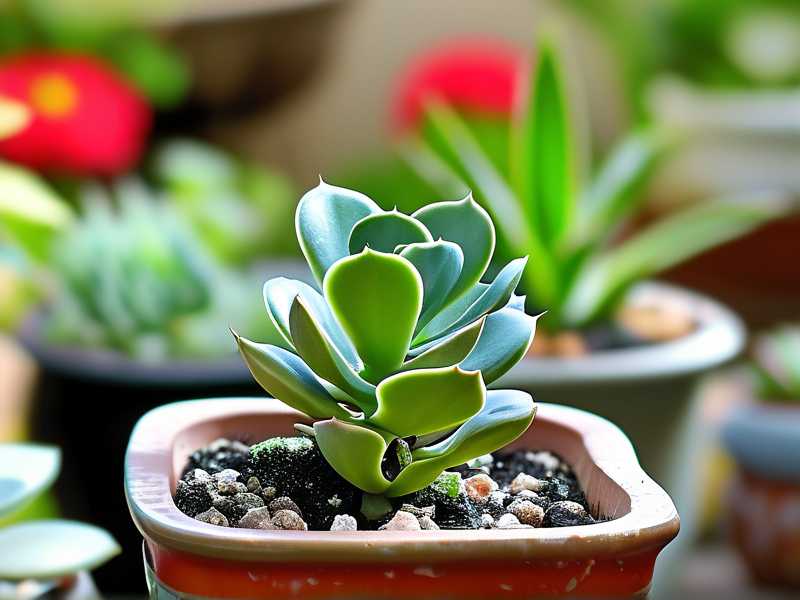
So let me explain exactly what I did for two weeks. I chose three different succulents for this experiment. A Haworthia, a Graptopetalum, and a Sedum. I placed them in separate polyresin planters of similar size. I drilled holes in half of them. The other half I left solid to test the difference. Spoiler alert. The results shocked me.
I documented every single watering session. I checked soil moisture with my finger every morning. I noted light exposure. I tracked temperature fluctuations. And I recorded any visible changes in leaf color or firmness. By day three, the difference was already obvious. The planters with drainage holes had soil that dried out twice as fast. The ones without stayed damp for days.
Here is the most important lesson from my two-week trial. If your polyresin planter has no drainage holes, you must create a false bottom. I used a layer of pebbles about an inch deep. Then I added activated charcoal to prevent mold. Then a layer of perlite mixed into the soil. This combination saved my plants. Without it, I would have lost everything again.
Now let me talk about the three fatal mistakes every new succulent owner makes. I have made all three myself. And I have the dead plants to prove it.
Mistake number one is watering too much. I used to water my succulents every other day because I thought they needed constant hydration. That was completely wrong. Succulents store water in their leaves. They are designed to survive drought. In fact, they thrive on neglect. My rule now is simple. I only water when the soil is bone dry all the way through. In a polyresin planter without drainage, that means waiting at least ten days between waterings. Sometimes longer.
Mistake number two is improper light placement. I put my first succulent on a bookshelf across the room from a window. It stretched out and became pale within three weeks. That is called etiolation. It happens when the plant searches for more light. Polyresin planters are often placed as decorative pieces on tables or shelves. But succulents need bright, indirect light for at least six hours a day. A south-facing windowsill is ideal. If you do not have enough natural light, get a grow light. I bought one for under twenty dollars and it made a huge difference.
Mistake number three is using the wrong pot entirely. Polyresin planters are gorgeous but they are not breathable. Unlike terracotta, which allows air exchange, polyresin traps everything inside. This means water evaporates very slowly. And roots can suffocate if the soil stays soggy. You need to compensate with a gritty, fast-draining soil mix. I use three parts cactus soil, two parts perlite, and one part coarse sand. This combo has saved more of my plants than any other change I have made.
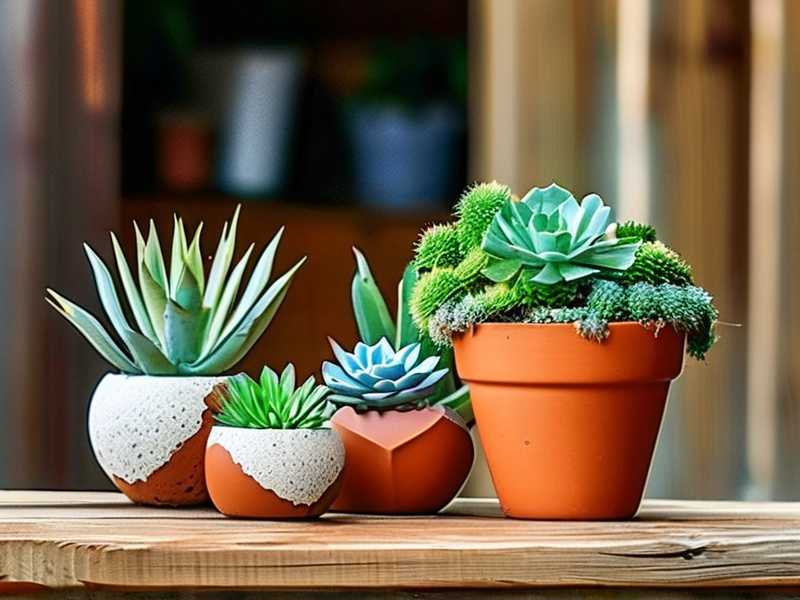
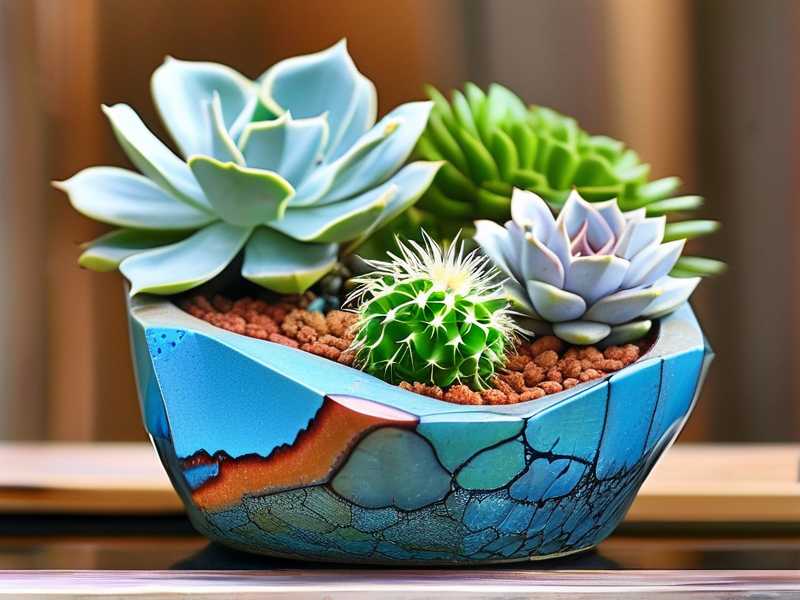
Let me share a specific story from my experience. I bought a beautiful polyresin planter shaped like a geometric diamond. It was exactly what I wanted for my living room. I planted a small Echeveria in it without drilling holes. I reasoned that I would just be careful with watering. That was my downfall. I watered sparingly, or so I thought. But after two weeks, the soil was still damp. The roots began to rot. The leaves turned yellow and translucent. It was a slow, painful death.
The plant died because I ignored the physics of polyresin. It does not breathe. Period. I tried the same plant again two weeks later. This time I drilled three small holes in the bottom of the planter. I also added a plastic liner pot inside. That way I could lift the plant out for watering and let it drain completely before putting it back. This method changed everything for me. Now I recommend it to everyone who insists on using polyresin pots.
My two-week observation taught me that succulents in polyresin planters need significantly less water than those in clay pots. With clay, you might water every seven days. With polyresin, stretch that to every fourteen days. And when you do water, water deeply. Then let it drain completely. Never leave standing water in the planter tray.
One of the key terms to search for is polyresin planter drainage. Another is succulent watering schedule. Both of these relate directly to your success rate. I have seen so many people fail simply because they did not understand how polyresin retains moisture. It is not the plans fault. It is the mismatch between the container and the plants needs.
According to the Royal Horticultural Society, succulents are among the most forgiving plants when it comes to neglect. But they also emphasize that proper drainage is non-negotiable. The RHS recommends using pots with holes or adding a layer of gravel at the bottom. That matches exactly what I discovered in my own testing. The American Horticultural Society also advises against overwatering succulents, noting that most failures happen from too much water rather than too little. These are not just opinions. These are researched guidelines.
Let me break down my exact two-week routine so you can replicate it at home.
Week one. Day one, I planted my succulents in polyresin planters with drainage holes. I used fresh soil mix that was dry to the touch. I did not water on the first day. This allows any root damage to heal before moisture is introduced. Day four, I checked the soil moisture by sticking my finger two inches deep. It was completely dry. I watered thoroughly until water came out of the bottom holes. Then I let it drain for fifteen minutes before returning it to the decorative outer planter. Day seven, I moved the plant to a brighter location. It had been getting only four hours of indirect light. I increased it to six hours. The leaves began to firm up.
Week two. Day ten, I noticed new growth on the Haworthia. Tiny green sprouts appeared near the base. That was a good sign. Day twelve, I watered again because the soil was fully dry. I also rotated the pot a quarter turn so all sides received even light. Day fourteen, the Graptopetalum had developed a subtle pink tint on its edges. That is a stress response to bright light and slight drought. It is actually desirable. It means the plant is happy and producing protective pigments.
A few things I learned during this period that surprised me. First, polyresin planters can get very hot in direct sunlight. The material absorbs heat and can cook the roots. So keep them in bright but indirect light. Second, the weight of polyresin planters is actually an advantage. They do not tip over easily. This is great for tall succulents like Aloe or Snake Plants. Third, the texture of polyresin is smooth and non-porous. This means mineral salts from fertilizer can build up on the soil surface. I saw a white crust after two weeks. That is normal. Just scrape it off or flush the soil with clean water.
Another mistake I made early on was using decorative rocks on top of the soil. I thought it looked nice. But it trapped moisture underneath and caused stem rot. I had to remove all the rocks and replace the top layer of soil. Now I keep the surface bare or use a thin layer of coarse sand. This allows proper evaporation and prevents fungal growth.
Some people ask me if they should mist their succulents. My answer is always a hard no. Misting does nothing for these plants. It only adds surface moisture that encourages rot. Succulents absorb water through their roots, not their leaves. So misting is pointless and actually harmful in polyresin planters. The moisture sits on the leaves and in the crevices. This creates the perfect environment for mold and mildew. I tried misting once during my experiment. The results were terrible. One plant developed black spots within four days.
A key thing to remember is that polyresin planters do not need to be avoided entirely. I still use them for many of my plants. But I am now much smarter about how I use them. I always ensure there is a way for excess water to escape. If I cannot drill a hole, I use a liner pot. If I cannot use a liner, I add a thick layer of gravel at the bottom. There is always a workaround. Never assume the planter is fine just because the plant looks okay on day one.
Let me talk about soil temperature for a second. Succulents in polyresin planters can suffer if the pot is placed on a cold floor. The material conducts cold easily. I have seen plants go dormant or stop growing because their roots were too cold. I recommend placing a cork mat or a wooden board under the planter. This insulates the roots and keeps the temperature more stable. This is especially important during winter months.
Another practical tip is to choose the right size planter for your succulent. A pot that is too big holds too much soil. That soil stays wet for too long. Your succulent will rot. I learned this when I put a small Haworthia in a large polyresin bowl. The soil never dried out completely. Within three weeks, the plant was mush. You want the planter to be just slightly larger than the root ball. This allows enough room for growth but not so much that water lingers.
One of the most common questions I get is whether polyresin planters are safe for succulents. The answer is yes, with modifications. The planter itself is not toxic. The problem is purely about moisture management. As long as you control water and ensure airflow, your succulents will do just fine. I have kept succulents in polyresin planters for over a year now. Some of my healthiest plants are in these containers. It just took me several failures to figure out the right system.
Let me share a few signs that your succulent is struggling. If the leaves become translucent or mushy, that is rot. Stop watering immediately. If the leaves wrinkle and appear deflated, that is thirst. Give it a deep soak. If the plant stretches upward with wide spaces between leaves, it needs more light. If the leaves turn pale green, it might be getting too much direct sun. Learn to read these signs. They will tell you exactly what the plant needs.
Also, be careful with watering frequency during different seasons. In summer, when temperatures are high, succulents may need water every ten days. In winter, they can go a full month without water in a polyresin planter. I barely watered my collection during December and January. They thrived on the dryness. Many beginners water the same amount year-round. That is a huge mistake. The seasons strongly influence how fast the soil dries out and how active the plants are.
Here is something else I noticed during my two-week test. The polyresin planters that were solid and had no holes held water for almost twice as long. The top layer of soil stayed damp for over a week. Even though I only watered once. That moisture saturation is extremely dangerous for succulent roots. If you want to see the biggest improvement in your plant health, just drill holes. It takes five minutes and it will save you hours of heartbreak.
Im not saying the polyresin planters are bad. Like I said, they are beautiful. But you have to adapt your care routine to fit the container. Think of it this way. A terracotta pot dries out fast. A plastic or resin pot dries out slow. You adjust your watering accordingly. It really is that simple. Once I figured this out, my success rate with succulents went from maybe thirty percent to over ninety percent.
Now, regarding fertilizer. I do not recommend feeding your succulents during the first month after repotting. The fresh soil already has enough nutrients. Adding fertilizer can burn the roots. I once used a balanced liquid fertilizer on a newly planted succulent in polyresin. Within a week, the tips of the leaves turned brown and crispy. That was fertilizer burn. I flushed the soil with clean water and removed the damaged leaves. The plant eventually recovered. But it was a stressful experience. Now I wait at least two months before considering any feed.
Let me also mention that polyresin planters with narrow openings can make repotting difficult. I have a beautiful vase-shaped planter that looks amazing on my shelf. But getting the succulent out for repotting was a nightmare. I had to break the pot to save the plant. So consider the shape of the planter when you choose it. Wide openings are much easier for maintenance and eventual repotting.
Another point is that white polyresin planters show mineral stains more easily. Over time, you might see white streaks from hard water. This is not harmful to your plant, but it can make the pot look dirty. I clean mine every few weeks with a damp cloth and a mild vinegar solution. This keeps the planter looking fresh and highlights the beauty of the succulent itself.
If you are still unsure whether polyresin planters are the right choice, let me give you a simple test. Fill the planter with soil and water it. Observe how many days it takes for the top inch to dry completely. If it stays wet for more than five days, you need to modify the setup before planting anything. This test takes almost no time and can save you from repeating my early mistakes.
I also want to mention that grouping polyresin planters together can create a microclimate. If you place several planters close together, the humidity around them increases. That can slow down soil drying. So keep them spaced apart to allow air circulation. I made this mistake when I arranged all my succulents on a single tray. They all stayed too damp. After spacing them out, the soil dried much faster. And the plants looked happier too.
One more thing. Do not use ice cubes to water succulents. This is a trend that circulates online, and it is terrible advice. It slowly releases water into the soil, which is the opposite of what succulents need. They prefer a thorough soak followed by a dry period. Ice cubes create prolonged moisture at the roots. That can lead to rot. Stick with a quick, generous watering and then let the soil dry out completely. This mimics the natural rainfall patterns succulents evolved with.
My final thought is this. Succulent care is not complicated. It is just different from what most people assume. You need less water, more light, and better drainage. In a polyresin planter, the margin for error is smaller. But with the right setup, you can grow gorgeous succulents that look like tiny sculptures. I have done it, and so can you. The two-week experiment taught me more than any article or book ever did. It is all about observing and adapting.
Now lets answer some common questions that always pop up.
How often should I water succulents in polyresin planters? That depends on your environment. In my home, with average humidity and indirect light, I water every fourteen days. In a hot, dry room, maybe every ten days. In a cool, dim room, maybe every twenty days. Always check the soil first. If it is dry deep down, water it. If not, wait.
Do I need drainage holes in polyresin planters? I highly recommend them. If you cannot drill holes, use a liner pot with drainage inside the decorative planter. Or create a false bottom with pebbles and charcoal. Every option works as long as the roots are not sitting in stagnant water.
Can I keep succulents in polyresin planters long term? Yes, absolutely. Once you adjust your watering schedule and ensure proper drainage, they can live for years in these planters. I have several that have been healthy in polyresin for over twelve months. They require the same care as succulents in any other pot, just with less frequent watering.
I hope this guide helps you avoid the same pain I went through. Succulents are tough plants. They want to survive. Sometimes they just need us to get out of the way. With the right planter setup and a little patience, you will have a thriving collection in no time. Just remember. Less water. More light. Better drainage. Those three things will never fail you.