bluename
 The Surefire Way to Tell if succulents Need More Sun (Before It’s Too Late)
If your succulent is stretching out like a lanky teenager, losing its vibrant color, or leaning desperately toward the window, it’s telling you it needs more sun. The quickest test? Give the leaves a gentle squeeze. If they feel soft, mushy, or bend easily when they used to be firm, that’s often a light-starved plant, not an overwatered one. But here’s the kicker—90% of indoor plants die from overwatering, and desperate attempts to fix sun deprivation often lead people to water even more. I’ve killed more succulents than I care to count, and I’m here to help you avoid every single mistake I made.
Let me take you back to my first apartment. It was a cozy place, but the only window that got decent light faced north. I put a cute little Echeveria on the sill, convinced it would thrive. It didn’t. Within three weeks, it looked like a green cabbage that had been left in a hot car. The leaves were pale, curling downward, and the stem was getting long and weird. I panicked, watered it more, and watched it rot from the base up. That was plant number three. It wasn’t until I moved to a south-facing room and started experimenting with a two-week observation cycle that I finally cracked the code.
First, let’s talk about the biggest rookie mistakes I see everywhere.
Mistake #1: Watering on a Schedule (Overwatering) This is the big one. People treat succulents like regular houseplants, giving them a splash of water every Monday. That’s a death sentence. I lost my first Jade plant to this exact habit. The soil stayed soggy, the roots suffocated, and the leaves turned yellow and translucent. The crazy part? I thought the yellowing meant it needed more water. It didn’t. It meant the roots were drowning. If your succulent isn’t getting enough sun, it uses way less water. So if it’s pale and you’re watering it more, you’re basically double-killing it. You’re starving it of light and flooding its roots. Always check the soil moisture first with your finger, two inches deep. If it’s damp, walk away. No water. Period.
Mistake #2: The Lighting Location is Wrong (Light Misplacement) Just putting a plant near a window isn’t "full sun." Many beginners, including myself, think that any window works. I put a Haworthia in an east-facing window, thinking morning light was "gentle" and "safe." It survived, but it never grew. It just sat there, looking dull. The crucial shift happened when I moved it to a south or west-facing sill. The difference was like night and day. Within a few days, the color deepened. But beware—going from shade to full sun instantly is a recipe for sunburn. Those white, papery scars are permanent. You need to acclimate them slowly, over a week or two.
Mistake #3: Using the Wrong Pot (No Drainage) This one still blows my mind. I bought a beautiful glass terrarium and planted succulents in it. It looked amazing for about ten days. Then everything turned to mush. There were no drainage holes, so the water had nowhere to go. The roots just sat in a puddle at the bottom. Now, I only use terracotta pots or plastic nursery pots with big drainage holes. If you’re stuck with a decorative pot with no hole, put the succulent in a smaller, functional pot inside it. When you water, take the inner pot out, let the water drain completely, and then put it back. This simple fix saved my last Echeveria from a slow, soggy death.
So, how do you actually tell if your succulent needs more sun? Your eyes and your fingers are your best tools.
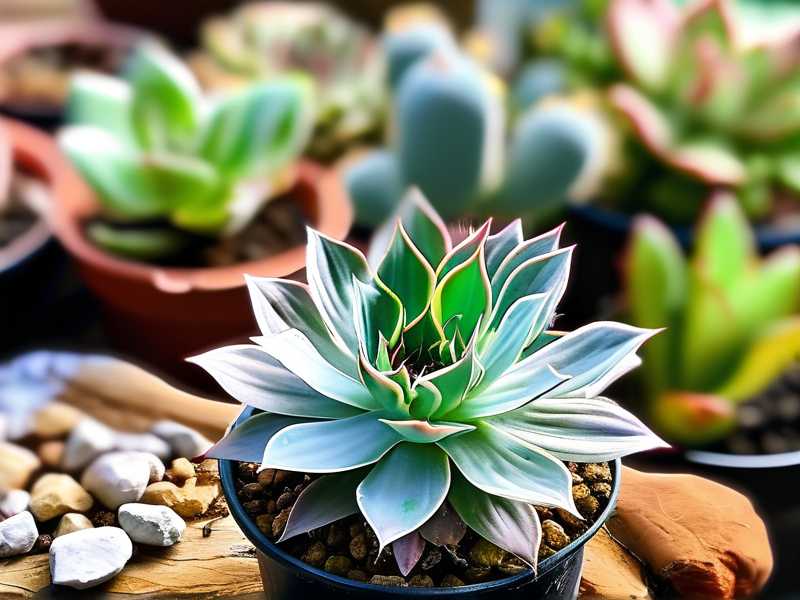
Start by looking at the color. A healthy succulent in the right light will have vibrant, sometimes intense shades—purples, pinks, reds, or deep blues. If your plant is turning a dull, washed-out green, it’s likely stretching to catch more light. That pale green color is a classic distress signal.
The "Etiolation" Test: This is a fancy word for stretching. I noticed my Graptopetalum looking like it was trying to escape the pot. The stem was getting long, with big gaps between the leaves. That’s not a weird growth pattern; that’s the plant physically reaching for a brighter spot. Once it stretches, that stem won’t beep short. You have to cut the head off and replant it to fix the shape. I had to do this with a Sedum that turned into a long, scraggly vine. It’s an easy fix, but rather not get to that point, right?
The "Leaf Curl" Test: Check the bottom leaves. If they’re turning yellow and feel soft to the touch, but the soil is completely dry, it’s a sun problem. In a bid to get closer to light, the plant might bend downward, away from the window. When my String of Bananas started drooping and looking flat, I knew it was for light, not water. Once I moved it under a grow light, the leaves plumped back up to their little banana shape within a few days.
My 2-Week Observation Framework
I’m a huge fan of giving a strategy a solid two weeks to see if it’s working. Recently, I rescued a struggling Aloe vera that was flopping over. It was in the living room, about six feet away from a window. That’s not enough light for aloe. I decided to do a strict two-week test.
Week 1: The Relocation I moved the Aloe to a south-facing window ledge, right against the glass, but I filtered the direct rays with a sheer curtain for the first three days to prevent burning. I did not water it at all during this week. I just watched. By day three, I noticed the leaves were feeling stiffer. By day five, the color was starting to look greener and healthier. I did turn the pot a quarter turn every day to ensure it didn’t lean one way. That’s a habit I picked up after my first Echeveria turned into the Leaning Tower of Pisa.
Week 2: The Adjustment In the second week, I removed the sheer curtain. The aloe could now take full, direct sun for about six hours a day. I watered it deeply on day nine, making sure the water ran out the bottom of the pot. Then I waited. I didn’t water again. The soil was bone dry by day ten, but I ignored it. I let the plant settle. By the end of the second week, the leaves were thick and upright. It had visibly gained some color back. It wasn’t pale or floppy anymore. The transformation was dramatic. It told me everything I needed to know—it was a light issue, not a water issue.
What to do if you’re seeing signs right now?
If you see stretching, pale color, or leaning, don’t rush to water. That’s the instinct you must fight. First, move the plant to a brighter spot gradually. Start with a few hours of morning sun, which is milder, and slowly increase the duration. If you don’t have a south or west window, invest in a decent grow light. I got a cheap LED one on Amazon, and honestly, it works wonders.
The "Acclimation" Trick I can’t stress this enough. A succulent that has been in low light will sunburn if you shock it. Last summer, I put a Haworthia outside in full midday sun without a transition. The next day, it had ugly brown, sunken spots. They are permanent scars. The leaves won’t recover, but the new growth will be fine. To avoid this, always introduce them to intense light slowly—about 30 minutes more of direct sun each day.
One final, crucial note on watering
It’s so easy to misread the signs. You see a shriveled leaf and think, "Drought!" But a shriveled, dry leaf at the bottom of the plant is normal aging. If the top leaves are wrinkled or the whole plant looks deflated, that could be thirst. However, if the leaves are yellow and wet-looking, that’s overwatering, often caused by low light conditions. Honestly, just stick to the "soak and dry" method. Water thoroughly, then wait until the soil is completely, absolutely dust-dry before watering again.
The RHS confirms that most succulents need a sunny, well-drained spot. They highlight that low light levels stop them from growing and cause them to stretch. The AHS also notes that correct light is pivotal for the plant to photosynthesize and maintain its compact form. They really don't need much else.
Frequently Asked Questions (The Stuff I Get Asked Daily)
Q: My succulent is tall and leaning. Is it too late to fix it? No, it’s not too late. The stretched stem won’t shrink back, but you can "decapitate" the rosette. Cut the top off with a clean, sharp knife, leaving a small stub of stem. Let the cutting callus over for two days, then stick it into the soil. It will root and grow a new, compact plant. The old stem will also sprout new babies. I did this with a stretched Echeveria, and now I have four healthy ones instead of one leggy one.
Q: How many hours of direct sun do succulents really need? It depends on the genus. Echeverias and Sedums love about 6 hours of direct sun. Haworthias and Gasterias prefer bright, indirect light or morning sun, and they can burn in harsh afternoon heat. I keep my Haworthias on a shelf about three feet away from the window, and they are perfectly happy. It’s all about listening to what the plant tells you.
Q: What does sunburn look like on a succulent, and will it recover? Sunburn appears as white, gray, or pale brown patches on the leaves. These are dead spots. The leaf won’t heal. But the plant itself isn’t dying. Just move it out of the harsh light and let it push out new growth. The scars will eventually be pushed down to the lower leaves and you can remove them as they age. Slowly acclimating your plants is always the wiser approach, trust me on that one.