bluename
 The number one mistake I see with succulents in limestone planters is treating the pot like a regular flowerpot. You need to water less, and I mean a lot less. 90% of indoor plants die from overwatering, but in a limestone planter, this number feels even higher because the stone holds moisture against the roots. Let me save you the heartache: water only when the soil is bone dry, and even then, give it just a few tablespoons. I killed my first three echeverias before I figured this out.
Why Limestone Planters Are a Double-Edged Sword
Limestone planters look gorgeous. I get it. I bought my first one because it looked like something from a Mediterranean villa.
But here is the catch. Limestone is porous. It breathes. That sounds great, but it also means water seeps into the stone itself. The roots stay damp for longer than you think. The soil might look dry on top, but the bottom is still wet. I learned this the hard way when I checked my plant’s soil with a moisture meter. The top was dry. The bottom was soggy. My succulent’s roots were literally swimming.
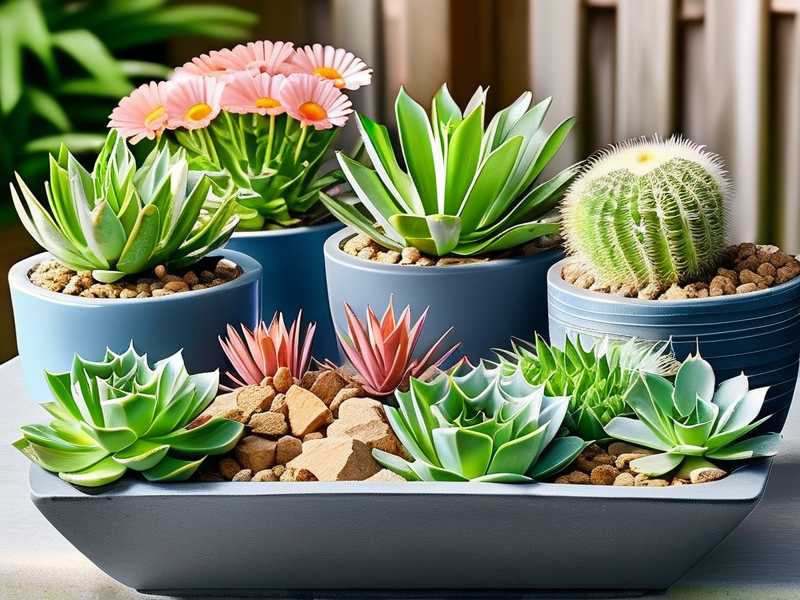
The flip side? That same porosity helps with drainage and airflow. If you are careful, limestone planters can create a fantastic dry environment that succulents actually love. The key is mimicking their natural habitat. Think rocky cliffs, not a rainforest.
The 3 Fatal Mistakes You Will Probably Make
Mistake #1: Overwatering (The Silent Killer)
I cannot stress this enough. Succulents store water in their leaves. They do not need constant drinks. I used to water mine every three days because the topsoil felt dry. That was my biggest error.
Think about it like this. In the wild, succulents get heavy rain, then have weeks of drought. Your limestone planter mimics that drought period more than you realize. The stone absorbs water, and the soil stays humid. I now wait until the leaves look slightly wrinkled or feel a bit squishy before I even think about watering. That is my signal. That usually means about once every two to two and a half weeks for my indoor plants. I checked the RHS guidelines on watering, and they echo this. Less is always more. If you are unsure, look at the expert advice on the RHS website regarding container planting—it opened my eyes to how little water these plants actually need.
Mistake #2: Getting the Light Wrong
I put my first limestone planter on my dining table. It looked perfect. It also slowly killed the plant. Succulents need way more light than you think.
You need bright, direct sun for at least six hours a day. A kitchen table two meters from a window is not enough. The plant will stretch out, looking pale and leggy. I call it etiolation. It’s when they grow tall to try and find sun, losing their compact shape. I tried to fix it once by moving a plant directly outside in July. Bad idea. The limestone heated up like a frying pan and cooked the roots.
The solution is a spot that gets morning sun or late afternoon sun. Avoid the harsh midday blaze unless the plant is fully acclimated. I now keep mine on a south-facing windowsill inside, or a sheltered spot on the patio outside. It took me losing two pots of graptopetalum to realize that bright indirect light is not the same as direct sun.
Mistake #3: Using the Wrong Planter (and Soil)
You would think any planter with a hole works. Nope.
I bought a gorgeous limestone trough without a drainage hole. I thought I could add gravel at the bottom. I was wrong. The water had nowhere to go. It pooled at the bottom, and the limestone kept it trapped. My plant rotted from the bottom up before I even noticed. I heard about the benefits of using a pot inside a pot, but I was stubborn. Don't be like me.
Now, I only use limestone planters that have a drainage hole, or I use them as a cachepot (a decorative outer pot). If the planter has no hole, I plant the succulent in a cheap plastic nursery pot and slide it inside the limestone. This gives me the look I want without the root rot. Also, the soil matters. You cannot use regular potting mix. It holds too much water. Mix 50% standard cactus soil with 50% perlite or pumice. This ensures water flows straight through.
My 2-Week Real-World Test: Step-by-Step
I decided to do a proper experiment for this. I planted a fresh batch of Echeveria and Sedum in a new limestone planter with a drainage hole. Here is exactly what I did for two weeks.
Week 1: The Planting and The Waiting
- Step 1: I mixed my soil recipe. Half cactus mix, half perlite. I put a layer of this at the bottom of the planter.
- Step 2: I took my succulents out of their nursery pots. I gently tickled the roots to loosen the old soil. I didn’t wash them off—that adds too much moisture.
- Step 3: I placed them in the planter, filling the sides with my mix. I tapped the planter lightly to settle the soil but did not press down hard. Roots need air pockets.
- Step 4 (The Hardest Part): I did not water them. I know. It hurts. But I had to let any damaged roots callus over. I waited three days.
- Day 4: I watered deeply until water ran out of the hole. I let it drain fully for 15 minutes.
- Days 5-7: I watched. The soil stayed slightly damp at the surface. I checked the leaves. They looked plump and happy.
The biggest fear I had was that the limestone would keep the soil too wet. I used a wooden skewer to check moisture. I stuck it to the bottom and left it for five minutes. It came out mostly dry with only a tiny bit of dampness at the tip. The limestone was actually wicking away the moisture, helping the soil dry faster than my plastic pots. That was a huge relief. I felt like I finally cracked the code.
Week 2: The Observation Phase
- Day 8: The leaves were firm. The soil was completely dry. I resisted the urge to water.
- Day 10: I noticed a tiny bit of algae growing on the inside of the limestone planter. That freaked me out. I thought it was root rot. It was just the stone being porous and holding moisture. I solved this by moving the planter to an area with better airflow (I turned on a fan nearby for a few hours a day). The algae dried up and disappeared by Day 12.
- Day 14: The soil was bone dry. The leaves of my Echeveria were starting to look just slightly less plump. That was my cue. I watered again.
The results? After two weeks, the roots were healthy. I pulled one plant out to check (carefully). The roots were white and firm, not brown and mushy. The limestone planter, despite my fears, acted as a breathable home that actually prevented overwatering—as long as I was disciplined.
The Right Soil Mix is Non-Negotiable
I feel like I need to go deeper on this. The soil is your safety net. If you use regular potting soil in limestone, you are asking for trouble. That stuff is designed to hold water for tropical plants. Succulents hate it.
My exact recipe is as follows:
- 50% Pre-mixed succulent soil: This usually contains peat or coir, which adds some moisture retention.
- 50% Coarse Perlite or Pumice: This is the magic ingredient. It creates air pockets and ensures the water drains away instantly.
I tried using sand once because I heard succulents like "gritty" soil. I used builder's sand. It compacted so hard that the roots couldn't breathe. The water just sat on top. It was a nightmare. Use perlite. It is lightweight and works perfectly. You can also add some small gravel or pebbles into the mix for extra drainage, which the AHS suggests for container growth to mimic alpine conditions.
How to Water Without Killing Them (The 'Drench and Dry' Method)
I mentioned this earlier, but it deserves its own section. This is the only watering method I use now.
You wait until the soil is completely dry. I mean, stick-your-finger-in-the-soil-dry. Then, you water thoroughly until water pours out the bottom hole. That ensures the roots get a good drink. Then you wait again until it is bone dry. Simple enough, right?
But here is the nuance with limestone. Because the planter is porous, the outer edges of the soil dry out faster than the center. So, the soil near the wall might be dry, but the center might still be damp. I always check the center of the pot, near the plant stem. That is the slowest place to dry. In my experience, the "drench and dry" cycle in a limestone planter takes about 10-14 days indoor. In winter, it takes even longer.
Placement: Indoors vs. Outdoors
Where you put the planter matters a ton.
Indoors, I recommend an unglazed limestone planter. Wait, actually, glazed or not? I prefer unglazed inside. It absorbs moisture, which helps the soil dry faster. But it also can leave water rings on your furniture if you don't have a saucer. I use a cork or rubber mat underneath.
Outdoors, limestone is great. But beware of frost. Limestone is porous. If water gets into the stone and freezes, it can crack the planter. Living in a colder climate, I bring my planters inside during winter. If you live in a mild climate, you need to protect the pot from getting too wet in rain. I put my outdoor planter under a roof overhang so it doesn't get soaked by rainfall. I rely on the ambient humidity and minimal watering.
I also noticed that outdoor limestone planters accumulate mineral deposits over time. It looks a bit white and chalky. Some people hate it. I actually like the patina, it looks rustic. If you don't like it, a bit of lemon juice and a scrub brush will clean it up.
Dealing With Pests in a Stone Environment
You might think heavy stone deters pests. It doesn't. I saw fungus gnats buzzing around my limestone planter one summer. It was because the soil stayed damp longer than I thought.
Fungus gnats are super annoying. They are tiny little flies that live in the topsoil. To get rid of them, I let the soil dry out completely for almost three weeks. The larvae need moisture to survive. Once the top two inches of soil are dry, they die off. I also sprinkled a light layer of diatomaceous earth on the top of the soil. It is harmless to the plant but acts like tiny glass shards for the larvae. It worked like a charm. Remember, pests usually attack weak plants. If your succulent is watered correctly and gets enough sun, it will have a natural defense.
Propagation: Making More Plants from Your Planter
Once you get the hang of limestone planters, you will probably want more succulents. I know I did. The easiest way is to take leaf cuttings.
I accidentally knocked off a leaf from a plant in my limestone planter. Instead of throwing it away, I just laid it on top of the soil in the same planter. I ignored it. Two weeks later, tiny pink roots started to sprout from the base of the leaf.
Here is my process. I gently twist a healthy leaf from the stem. I let it dry for two days until the end calluses over. Then I lay it on the soil surface. I water very lightly, just misting the soil every few days. I do not bury the leaf. It needs light to grow. After a few weeks, a baby rosette appears. This works brilliantly in limestone planters because the drainage is so good. The new baby won't rot easily.
Seasonal Care for Limestone Planters
Succulents in limestone react differently to seasons, mostly due to temperature and light.
- Summer: The stone heats up. This dries the soil fast. I water slightly more often. I make sure the planter isn't in direct midday sun if it is glazed, as glazed pots trap heat. The roots can literally bake.
- Winter: This is the danger zone. The plants go dormant. They barely use any water. I basically stop watering entirely. Maybe once a month. The limestone gets cold. If it is wet and cold, it’s a death sentence. I move my planters to a bright but cool spot and forget about them.
I used to water in winter because I felt bad for them. That killed my Lithops. They burst because they took up too much water while dormant. Now, I strictly adhere to "when in doubt, dry it out."
Final Tips for Long-Term Success
Alright, let’s wrap this up. Those are my main points. Limestone planters are beautiful but they demand a different kind of respect. You must adapt your watering schedule. You must get the light right. You must use a gritty, fast-draining soil mix. It took me a while, but now I actually prefer them over plastic. They just look and feel more organic. They have a natural texture that plastic can't mimic.
Take it slow. Observe your plant. Touch the leaves. Check the soil. You will learn its rhythm faster than you think. The plant will tell you what it needs, you just have to listen. I check my plants every single morning. It takes two minutes. That daily check prevents 99% of problems. It is way easier to fix a dry plant than a rotten one.
FAQ
Q: Do limestone planters need a drainage hole? A: Absolutely. I highly recommend it. If you find a limestone planter you love without a hole, use it as a cachepot (decoration). Keep the succulent in a standard nursery pot inside it. This gives you the look without killing the plant. Watering into the limestone direct with no hole is too risky.
Q: How often should I water succulents in a limestone planter? A: There is no calendar schedule. Check the soil. Water only when it is 100% dry, typically every 10-14 days indoors. In winter, stretch this to every 3-4 weeks. The porous nature of limestone actually helps the soil dry quicker along the edges, but the core takes longer. Always test the center with a wooden stick.
Q: Why is my succulent turning brown and mushy in the limestone planter? A: That is root rot. It is caused by overwatering. The roots are sitting in too much moisture. Take the plant out immediately, cut away the brown mushy parts, and repot it in fresh, dry, gritty soil. You might wait until the soil is completely dry before watering again. You can save the plant if you catch it early.