bluename
 How to Choose succulents for Zen Gardens Without Killing Them
Let me save you weeks of frustration. The right succulents for zen gardens are those that tolerate dry soil, bright indirect light, and shallow containers—think Haworthia, Echeveria, and Sempervivum, not Moonstones or delicate rare species. I learned this the hard way. My first zen garden looked amazing for exactly nine days. Then everything turned to mush. 90% of indoor plants die from overwatering, and I was the poster child for that statistic.
I’ve been growing succulents for six years now. I’ve killed at least fifteen plants in that time—probably more, honestly. But my current zen garden has been thriving for two straight years, and I want to share what actually works. Not the fluffy advice you see on Pinterest boards. The real stuff, born from dead plants and soggy soil.
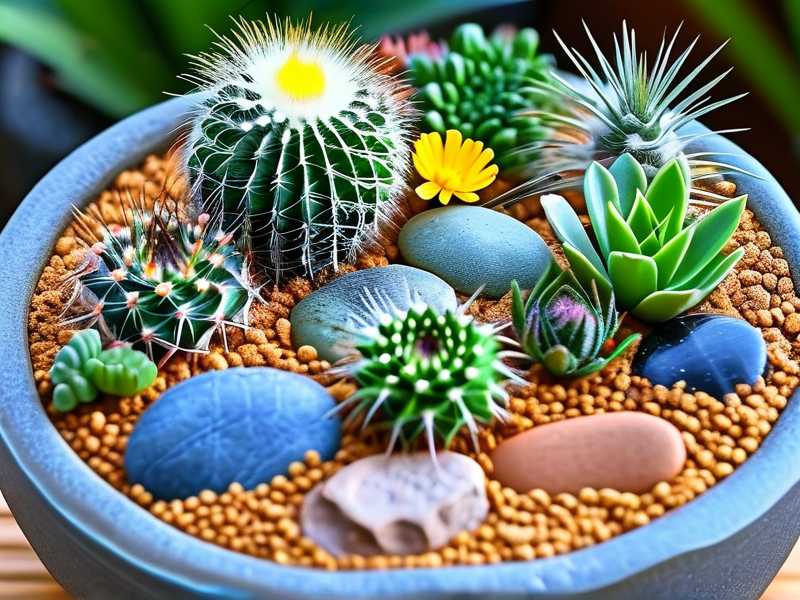
Why Most Zen Garden Succulents Die Within Two Weeks
Let’s talk about the elephant in the room. You bought a beautiful tray, some pretty rocks, and three cute succulents. You arranged everything perfectly. It looked like something from a meditation retreat. Then, within days, the leaves started turning yellow. Then brown. Then translucent and squishy.
What happened? You watered them. That’s what happened.
I remember my third attempt. I had a gorgeous Haworthia, a small Echeveria, and this delicate blue-gray thing I didn’t know the name of. I placed them in a ceramic dish with no drainage holes—because it looked nice—and I misted them daily because someone on TikTok said succulents like humidity. By day six, the Echeveria had dropped half its leaves. By day ten, everything was rotting from the roots up.
That’s when I finally understood the core problem. Zen gardens and traditional potted succulents are not the same thing. In a zen garden, you’re usually working with shallow, open containers. There’s no drainage. There’s minimal soil. The rules change completely.
The 3 Fatal Errors Newbies Make
Error #1: Overwatering (The #1 Killer)
This is the big one. It’s not even close. The Royal Horticultural Society (RHS) states clearly that succulents store water in their leaves and stems, so they require far less frequent watering than typical houseplants. Yet almost every beginner, including me, waters them like they’re thirsty ferns.
I used to water my zen garden every other day. It felt right. The soil looked dry on top, so I assumed the plant was thirsty. But the roots were sitting in moisture deeper down, slowly suffocating and rotting.
Here’s what I do now: I check the leaves, not the soil. If the leaves feel firm and plump, the plant is fine. I only water when the lower leaves start to feel slightly soft or wrinkled. That’s the plant telling me it’s ready for a drink. In a zen garden with no drainage, I water even less—maybe once every 10 to 14 days in summer, once every 3 to 4 weeks in winter.
Error #2: Wrong Light Placement
Succulents love light. But not all light is created equal. Direct afternoon sun through a window can scorch leaves, especially in a shallow tray where the roots heat up quickly. On the flip side, a dark corner of the room will make them stretch out, lose color, and become weak.
I made this exact mistake with my fourth setup. I put my zen garden on a bookshelf across from a south-facing window. Not directly in the sun, but close enough. Within two weeks, the Echeveria started leaning toward the light, its rosette flattening out. The colors faded from pinkish-purple to pale green. It looked sad, stretched, and unhealthy.
After some trial and error, I found the sweet spot: bright, indirect light for at least 6 hours a day. A spot near an east-facing window works great. Or a few feet away from a south or west window. If you only have a north-facing window, get a small grow light. It makes a massive difference. The American Horticultural Society (AHS) also emphasizes matching plants to your actual light conditions, not the ideal conditions you wish you had.
Error #3: Using The Wrong Container
Here’s where zen gardens are tricky. Most beautiful zen garden trays are shallow and lack drainage holes. That’s a problem for most succulents. Their roots need air and they hate sitting in wet soil.
I tried a gorgeous ceramic tray from a local art fair. It was about 2 inches deep, no holes, with a little sand design painted on the bottom. I thought it would be perfect. It wasn’t. The first time I watered it, the water pooled at the bottom and had nowhere to go. The soil stayed damp for almost two weeks. The roots rotted.
The fix? You have options. First, choose a container with drainage holes if you can. It’s not impossible to find shallow pots with holes. Second, if you fall in love with a no-drainage tray, use a very gritty soil mix—about 50% pumice or perlite, 25% coarse sand, and only 25% organic potting soil. This allows water to move through and evaporate quickly. Third, water sparingly, using a small watering can with a narrow spout, and pour only a little water at a time, avoiding the crown of the plant.
My 2-Week Observation Process
Let me walk you through exactly what I did when I finally got it right. I set up a new zen garden with three succulents: a Haworthia fasciata (zebra plant), a small Echeveria elegans, and a Sedum burrito (burro’s tail). I chose these because they have similar care needs and all tolerate shallower conditions relatively well.
Day 1-2: I prepared the container. I used a wide, shallow ceramic dish with no drainage holes—yes, I went back to that style, but this time I changed everything else. I mixed a gritty soil blend of 50% pumice, 25% coarse sand, and 25% cactus potting mix. I filled the tray about 1.5 inches deep. I placed the succulents in, arranged them with space between each, and topped with small pebbles around the bases—not covering the leaves.
Day 3-4: I didn’t water. The soil was dry. The plants looked the same. I moved them to my east-facing windowsill, where they get morning sun for about 4 hours and bright indirect light for the rest of the day.
Day 5: I checked the leaves. They were firm. No signs of stress. I noticed the Echeveria still had some old soil stuck to its lower leaves from the nursery pot. I gently brushed that off with a soft paintbrush—this prevents moisture from being trapped against the stem.
Day 7: First watering. I used a small squeeze bottle with a narrow tip. I watered around the base of each plant, not over the leaves or the crown. I used maybe 30ml of water total, spread across the tray. Within 20 minutes, the top layer looked dry again, which told me the grit was doing its job—water was moving down and away.
Day 10: Everything looked stable. The Haworthia’s leaves were still firm. The Sedum’s little bean-shaped leaves were plump. No yellowing, no wilting. I was cautiously optimistic.
Day 12: I noticed the Echeveria’s outer leaves were starting to feel just slightly less firm. That’s my signal—it’s approaching thirst. But because the tray has no drainage, I don’t water immediately. I wait another 3-4 days.
Day 14: I watered again, slightly less this time—maybe 20ml total. The plants looked identical to day 1, which is exactly what I want. Healthy succulents in a stable environment shouldn’t change much over two weeks. If they’re stretching, yellowing, or dropping leaves, something is off. If they look the same as day 1, you’re probably doing it right.
The Best Succulents For Zen Gardens (And Which To Avoid)
Not all succulents are equal when it comes to zen garden conditions. I’ve tested quite a few. Here’s my honest breakdown based on personal experience.
Top picks:
Haworthia (Zebra Plant): This is my number one recommendation. It tolerates lower light than most succulents, grows slowly, and has chunky, firm leaves that resist rot pretty well. It also stays small, which fits nicely in shallow trays. I’ve had one in a no-drainage bonsai dish for over a year now, and it’s thriving. The white stripes on the leaves also add nice textural contrast to a zen garden.
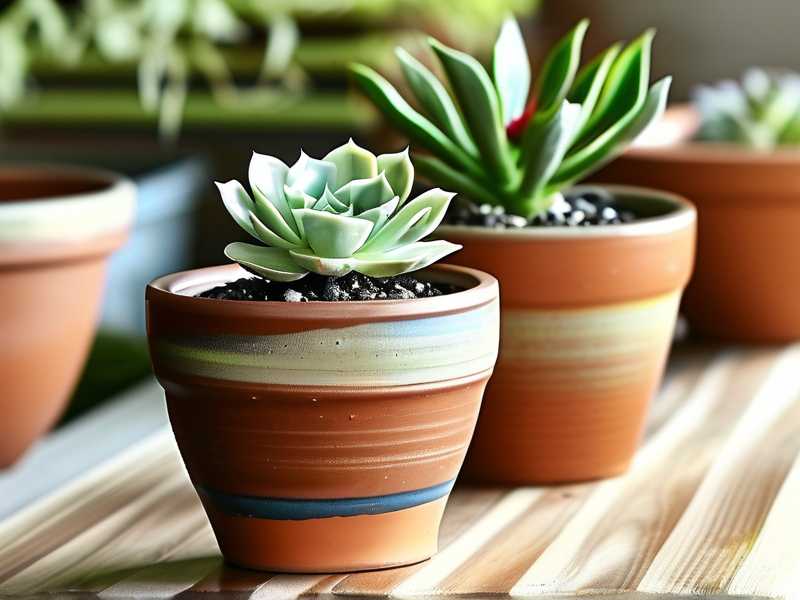
Echeveria: Rosette-forming beauties that come in a range of colors—blue-green, pink, purple, even dark red. They’re slightly more demanding than Haworthia because they need more light to keep their compact shape. But if you have a bright spot, they’re fantastic. I recommend smaller species like Echeveria elegans or Echeveria minima. Avoid giant ones—they’ll just be crowded in a shallow tray.
Sedum (Stonecrop): Particularly the trailing varieties like Sedum burrito or Sedum dasyphyllum. These grow slowly, spread nicely, and are very forgiving. They’re also great for softening the edges of a zen garden since they drape over the sides.
Sempervivum (Hens and Chicks): These are incredibly tough. They can handle temperature swings and dry conditions. They’re not my top pick for indoor zen gardens because they prefer more airflow and cooler conditions than most homes, but if you have a spot near a window that gets a bit cooler at night, they do well. Just be aware they can outgrow a small tray within a year as they produce offsets.
Crassula ovata (Jade Plant) — small cuttings: Propagations from a jade plant can stay small for a long time in a shallow tray. They’re sturdy and forgiving. I’ve had a single cutting in a tiny dish for 8 months now, and it’s only grown about half an inch.
Avoid these:
Lithops (Living Stones): These are notoriously finicky. They have a very specific yearly watering cycle and in a shared tray, they will almost certainly be overwatered when their neighbors are thirsty. I bought one once. It split open and rotted within three weeks. I’m not exaggerating. If you want to keep lithops, give them their own pot with a strict watering schedule.
Moonstones (Pachyphytum): Gorgeous, but extremely sensitive to overwatering. The leaves are thick and balloon-like, which means they hold a lot of water. In a no-drainage zen tray, they’re likely to burst or rot. I’ve had two turn to jelly on me. It’s heartbreaking because they’re so pretty.
String of Pearls: This is a common suggestion for zen gardens, but honestly, it’s a bad match. It prefers consistently slightly moist conditions, which contradicts what other succulents need. It will either dry out or be overwatered—there’s rarely an in-between. I tried it once in a mixed tray and the pearls shriveled up by week one.
Aloe vera (full size): It gets way too big. A small aloe cutting might look cute at first, but within a year, it will dominate the entire tray. Not practical for a zen garden composition.
How To Build Your Zen Garden Step-By-Step
Let me walk you through my exact process. I’ve refined this over multiple setups, and it’s what finally gave me consistent success.
Step 1: Pick The Right Tray
Shallow is good—2 to 3 inches deep max. Wider than it is tall creates a nice zen aesthetic. Material matters less than people think. Ceramic, glass, or stone all work, but ensure it’s sturdy and doesn’t have sharp edges that might damage the plants.
Step 2: Mix A Gritty, Well-Draining Soil
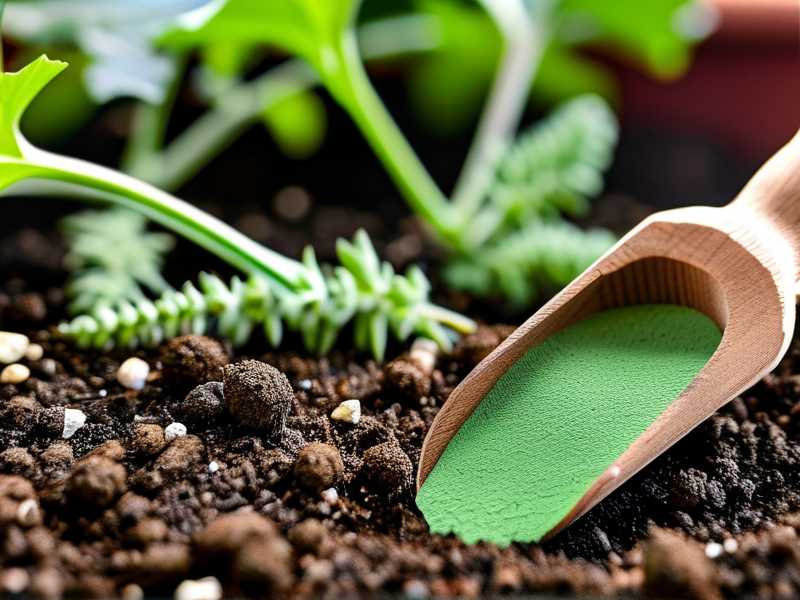
Don’t use straight potting soil. It’s too water-retentive. My recipe is simple: 1 part pumice or perlite, 1 part coarse sand (aquarium sand or horticultural grit), 1 part cactus potting mix. Mix it thoroughly before adding to the tray. This blend dries out fast, which is critical in a no-drainage setup.
Step 3: Add A No-Soil Drainage Base (Optional But Smart)
If your tray has no holes and you want extra insurance, add a thin layer—about 0.5 inches—of small pebbles or pumice at the bottom before adding the soil mix. This creates an air pocket that helps excess moisture evaporate sideways instead of pooling at the roots.
Step 4: Arrange Plants With Space
Don’t cram your succulents together. Leave at least an inch between each plant. This allows air circulation and prevents moisture buildup between leaves. I know a crowded tray looks lush, but it creates micro-humidity zones that cause rot.
Step 5: Top With Decorative Stone Or Gravel
After planting, add a thin layer of polished pebbles, crushed granite, or even sand around the plants. This isn’t just for looks—it helps keep plant leaves off the damp soil surface and prevents soil splash when you water.
Step 6: Place In Bright, Indirect Light
Find that sweet spot near an east or north-east window. If your space only has south-facing windows, place the tray 3 to 5 feet away from the window. The light will still be bright, but less intense.
Step 7: Water Like A Minimalist
This is the hardest habit to unlearn. Water less, not more. In my own practice, I water once every 10 to 14 days in spring and summer, and every 3 to 4 weeks in autumn and winter. The soil should be completely dry before you even think about watering. When you do water, use a squeeze bottle or small watering can, and water around the base of each plant—not over the leaves. A little goes a long way.
What To Watch For In The First Month
New plants always go through an adjustment period. The first month in a zen garden is when you’ll notice if something is wrong.
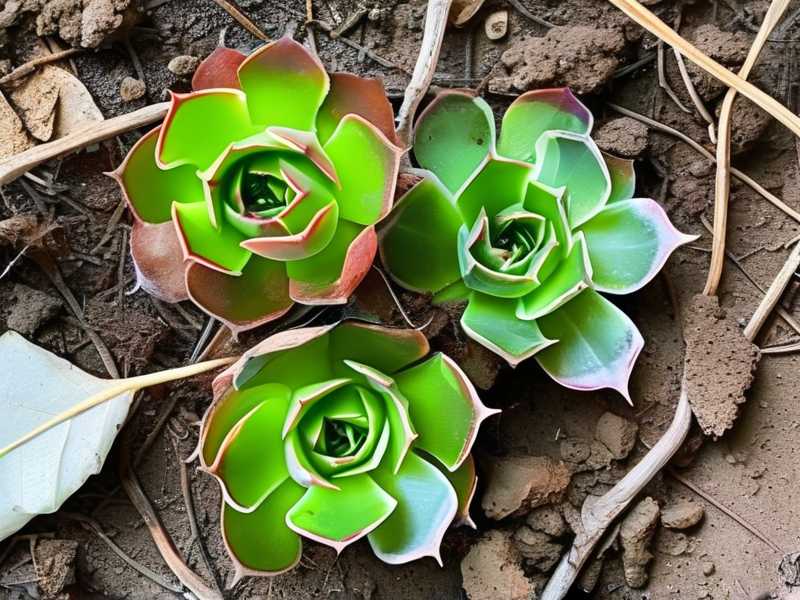
Yellow, translucent leaves: That’s early overwatering. The roots are starting to rot. Decrease watering frequency and check if the soil is staying wet too long. If it is, repot into a grittier mix.
Leaves shriveling and wrinkling: Underwatering. In a shallow tray, this can happen quickly if the room is hot or if the soil is too coarse. Soak the tray slightly—water enough that the roots get moisture, then let it dry out completely again.
Echeveria leaves curling upwards: The plant is stretching for light. Move it to a brighter location.
Echeveria leaves turning red or purple: This is stress coloration. It can be beautiful, but if it happens suddenly, the light is too intense. Slightly reduce exposure.
Sedum dropping leaves when touched: Overwatering or sudden environmental changes. The leaves of sedum are natural propagators, so they’ll detach and try to root again. Water less and keep the tray in a stable spot.
Seasonal Adjustments
My watering routine changes with the season, and yours should too. During winter months, succulents go semi-dormant. They barely grow, and they use almost no water. I’ve gone 5 weeks without watering my zen garden in January and the plants were perfectly fine. In summer, especially during heat waves, they’ll need slightly more frequent watering—but still, never more than once a week.
Humidity matters too. If you live in a humid climate like Florida or the Gulf Coast in the US, or parts of Queensland in Australia, or even the UK’s damp winters, your soil will stay wet longer. Reduce watering accordingly. I have a friend in London who waters her indoor succulents once a month, all year round, because the humidity is so high. Honestly, that’s a bit extreme, but it shows how context changes everything.
Also, if your zen garden is outdoors—which some people do on patios or balconies—remember that rain counts as watering. Don’t water after a rainstorm. And bring it inside if heavy rain is in the forecast for multiple days.
Designing For Aesthetics Without Killing Your Plants
I get it—you want your zen garden to look calm and beautiful. I do too. But I’ve learned to prioritize plant health over visual perfection, because a dead plant is not peaceful.
Choosing matching succulents: Pick varieties with similar light and water needs. Don’t mix a thirsty fern with a cactus. Group succulents with similar growth rates. This way, one plant doesn’t outgrow or out-compete the others.
Using stones and ornaments wisely: Small pebbles, miniature statues, or a tiny rake can enhance the zen vibe. Just make sure stones aren’t pressing down on the plant’s stems or covering the crown completely. That invites rot.
Creating height variation: Use a taller succulent like an Aloe juvenna (tiger aloe) in the back, with shorter rosette types in the front. But remember that taller succulents have taller roots. If your tray is only 2 inches deep, long-rooted plants may be stunted. In that case, trim root tips before planting—this encourages new root growth and prevents the plant from becoming root-bound.
A note on moss: Adding moss to a zen garden looks gorgeous. But moss retains moisture, and succulents hate that. If you really want moss, keep it in a separate area of the tray, away from plant roots, and treat it as an occasional decoration, not a permanent ground cover. Or skip it entirely and use miniature sedum as a moss substitute—it’s much more forgiving.
Frequently Asked Questions
Can I keep my zen garden succulents under a desk lamp?
Yes, but only if the lamp has a grow light bulb. Regular desk lamps produce insufficient light for most succulents. Plants like Haworthia may survive for a while, but Echeveria will stretch out and lose their rosette shape within weeks. I tried this with my first setup and the results were not pretty. Invest in a small LED grow light—they’re cheap and effective.
How often should I water a zen garden with no drainage holes?
Less often than you think. In my experience, once every 10 days is the maximum, and in winter, once every 3 to 4 weeks is more appropriate. Always check the leaves first. If they’re firm, wait. If they’re slightly soft or wrinkled, water. And when you do water, use a small amount—enough to moisten the soil, not saturate it.
Can I use regular potting soil instead of cactus mix?
You can, but you’re increasing the risk of root rot. Regular potting soil holds too much water for the confined conditions of a zen garden tray. If you absolutely must use it, mix it 50/50 with perlite or coarse sand to increase drainage. I learned this the hard way with my second zen garden—the roots rotted within a week.
Final Thoughts From Someone Who’s Been There
Honestly, the biggest shift I made was changing my mindset. I used to think a zen garden meant constantly tending to it. But the opposite is true. The best zen garden care is minimal and intentional. You check the leaves weekly. You water rarely. You adjust light positions seasonally. That’s it.
My current zen garden sits on an east-facing kitchen windowsill. It gets morning sun for about 4 hours, then bright indirect light all day. I water it roughly every 12 days in summer and every month in winter. The plants look plump and colorful. I’ve had the same setup for two years now. The only thing I’ve done is rotate the tray 180 degrees every few weeks so growth stays even.
If you follow these guidelines—choose tough succulents like Haworthia, use gritty soil, place the tray in bright indirect light, and water sparingly—you’ll avoid the 90% overwatering death rate that kills most indoor plants. You’ll have a zen garden that brings calm, not stress.
And if you do lose a plant or two? It happens. I lost more than I want to admit. Every dead succulent taught me something useful. Just don’t give up. The next setup will be better.