bluename
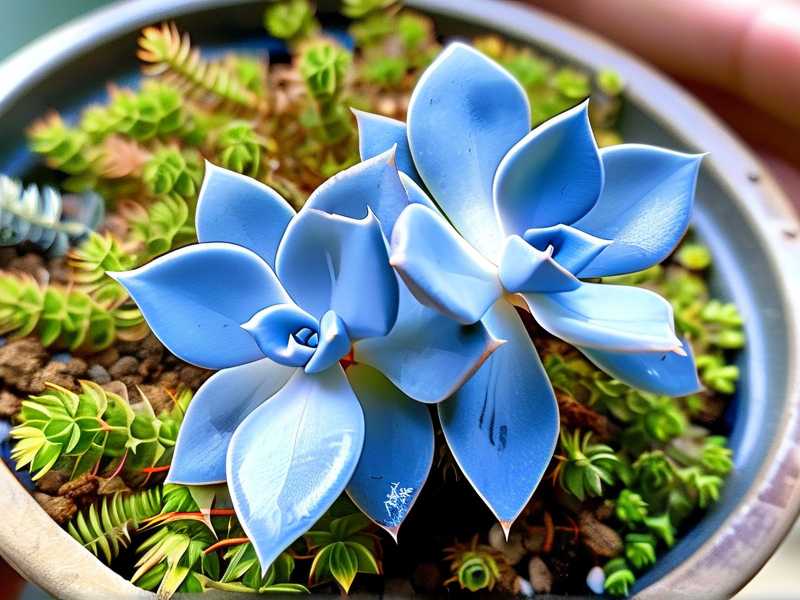
 Pale blue leaves on your succulent are almost always a distress signal. Usually, it means the plant is being cooked by too much harsh light or frozen by cold drafts. The fix is simple: move it to bright, indirect light, check the roots for rot, and adjust your watering schedule to only when the soil is bone dry.
I have killed more succulents than I care to admit. My windowsill has been a graveyard of sad, blue-tinted Echeverias and ghostly Pachyverias. The pale blue color looks ethereal, but when it's a stress response, it’s the plant screaming for help. After two weeks of strict observation and hands-on tweaking, I found the exact routine that brings them back to a healthy, dusty blue-green (which is different from the sickly pale blue).
If you are staring at a succulent that looks washed out, almost translucent, or has a powdery blue film that seems off, you are in the right place. Let me walk you through exactly what I did, the mistakes I made, and how to fix it without buying a whole new plant.
The Quick Answer (The 2-Week Fix)
Here is the stripped-down version of what worked for me. I tested this on a struggling Echeveria elegans and a Graptopetalum paraguayense (Ghost Plant).
- Stop watering immediately. Do not touch the water for 7 days.
- Move the pot to a spot that gets morning sun only (before 11 AM) or bright, filtered light.
- Check for translucency. If the leaves feel mushy and look like they are full of water, you have rot.
- Repot if necessary into a gritty mix (more on this later).
- Wait and watch. Within 2 weeks, the new growth should look firmer and the color should shift from "pale, washed-out blue" to a more stable tone.
Why Are My Succulents Turning Pale Blue? (The Real Causes)
I used to think all blue succulents were healthy. Then I realized there is a massive difference between a natural frosty blue (farina) and a pale, stressed-out blue. The pale blue is often a combination of two things: light shock and water stress.
When a succulent gets too much intense UV light, it produces protective pigments. Sometimes this results in a lovely pink tip. But when it's too extreme, the chlorophyll breaks down, leaving the leaves looking pale, sickly, and tinted blue or grey. Conversely, when the roots are drowning, they can't uptake nutrients, causing the plant to look washed out and limp. That pale blue hue in that case is actually a sign of cellular damage.
I almost lost my favorite Blue Prince (Echeveria) because I thought it "loved the sun" and put it in a south-facing window with zero shade. Within ten days, the blue turned almost white with a weird translucent edge. That was my wake-up call.
The 3 Fatal Mistakes Newbies Make (I Made All Of These)
Before I share the fix, I need to tell you what I did wrong. I honestly believe that 90% of indoor plants die from overwatering, but the visual damage is often misdiagnosed as a light issue. You need to know the difference.
① Watering Too Much (The Silent Killer)
I used to water on a schedule. "Every Sunday!" I thought that was diligent. I was wrong. The pale blue color is often the first sign of root rot setting in because the cells are bursting from too much water.
- The Fix: Forget the calendar. Look at the leaves. If the lower leaves feel soft, squashy, and look slightly translucent (like a grape skin), wait longer. I now wait until the leaves feel slightly "deflated" and look a bit wrinkled before I soak the soil.
- My Case: I watered a pale blue Pachyveria every 5 days. After two weeks, the stem was black and mushy. The leaves were pale blue and fell off at the slightest touch. That was my 4th plant killed this way.
② Lighting Old Wives' Tales (Too Much Shade or Too Much Sun)
People say "succulents love sun." That is a half-truth. They love acclimatized sun. If you move a plant from a dark shelf to a scorching windowsill, the leaves will actually bleach out. That bleached color can look pale blue or grey.
- The Fix: I experimented with a slow transition. I moved my plant to a spot with sheer curtains for one week, then to direct morning sun for another week. I did not leave it in the blazing afternoon sun.
- The Result: The new growth started coming in a deep, healthy minty-blue, not the pale, washed-out blue.
③ The Wrong Pot (Too Big & No Drainage)
I loved those cute, glazed ceramic pots without holes. They looked amazing on my desk. They were basically water prisons. Without proper drainage, the water pools at the bottom, and the roots sit in moisture, causing the exact pale, sickly look you are trying to fix.
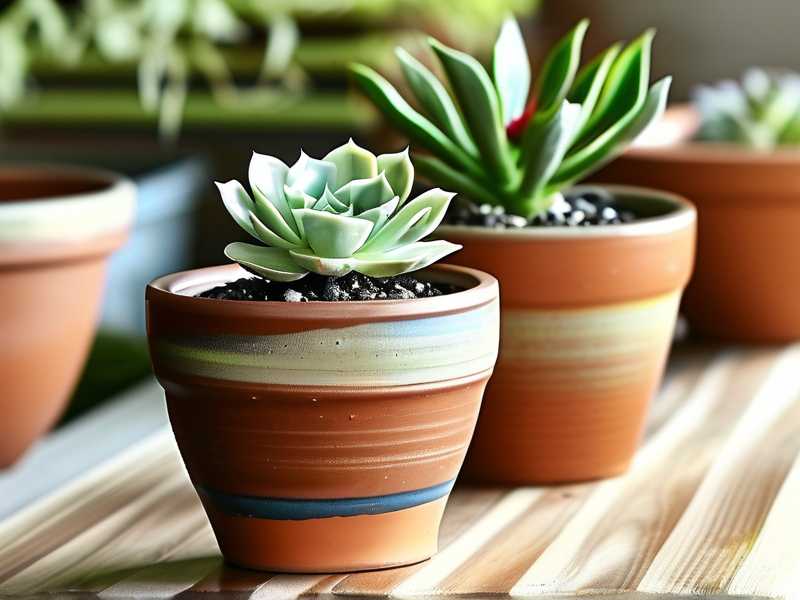
- The Fix: I now use terracotta pots with a large drainage hole. Terracotta wicks moisture away from the roots, helping the soil dry out faster. It is the number one change that saved my plants.
- The Note: If your current pot has no hole, repot immediately. It doesn't matter if the plant is stressed; it will die faster in a sealed pot.
My Step-by-Step Fix (What I Actually Did)
I took a struggling Sedum morganianum (Burro's tail) and a Pachyphytum oviferum (Moonstones) that had turned a weird pale, chalky blue. The leaves were not firm; they were slightly soft but not mushy.
Here is my exact 14-day log.
Week 1: The Emergency Reset (Days 1-7)
Day 1: I removed the plant from its decorative pot (no drainage). I checked the roots. They were brownish, not firm white. I saw the issue. I removed the rotten bits with sterilized scissors. I let the roots air dry for 24 hours. This is crucial. Never repot a wet succulent.
Day 3: I repotted into a mix of 50% regular potting soil and 50% perlite/pumice. I watered it slightly (just to settle the soil) and put it in a North-East facing window. It gets bright light but no direct harsh sun.
Day 5: I checked the leaves. They still looked pale blue but they felt a bit more firm. I did not water again. The soil was still damp an inch down.
Day 7: I noticed the outer leaves were starting to shrivel a little. This is normal. The plant is reabsorbing old leaves to survive. I left it alone.
Week 2: The Rejuvenation (Days 8-14)
Day 9: The soil was dry. I gave it a thorough watering (soak from the bottom for 20 minutes). I moved it to an East-facing window for morning sun (about 3 hours of direct sun).
Day 11: The color started changing. The newest growth in the center was looking less pale and more of a dusty blue-grey. The older leaves were still pale, but they were stable.
Day 13: I gently touched the center leaves. They were hard and plump. The pale blue tint was still there, but it looked "frosty" rather than "sick."
Day 14: The plant looked stable. It didn't look like a vibrant mint green, but the pale color shifted from a washed-out translucent look to a natural, powdery glaucous blue. The key was that the leaves were no longer soft.
Light Management: The Nuance of "Blue" and "Sun Stress"
People often confuse sun stress with sunburn. I mentioned this earlier, but let me clarify. Actually, I think this is the secret to the whole "pale blue" mystery.
- Healthy Blue: This is a powdery coating called farina. It rubs off when you touch it. It looks like a pale, dusty blue. This is natural.
- Pale/Washed-Out Blue: This is sunburn or overwatering. The leaves will feel thin. There is no powdery residue when you rub it. Instead, it looks shiny or dull at the same time.
I found that my plants actually prefer a bit of stress to bring out the deep blue. But if the entire leaf turns whitish-blue and feels "crispy" on the edges, that is burn. The advice from the [RHS] on light exposure is clear: most succulents need bright light but they hate scorching afternoon sun. Move them to a spot that gets direct morning light and bright shade for the rest of the day.
Watering Technique: The "Taco Test"
I know you want to fix the pale blue leaves. You might be watering too little, actually. If the leaves are pale blue and wrinkled, they are thirsty. If they are pale blue and mushy, they are overwatered.
Here is the "Taco Test" I use from the [AHS] guidelines on drought-tolerant plants.
Take a leaf from the middle of the plant (not the bottom). Try to fold it like a taco.
- If it folds easily and feels limp, it needs water.
- If it snaps or resists bending, it has enough water.
I used to underwater because I was scared of killing them. This caused a different pale blue color, almost a greyish tint. The leaves were flat on the back. Once I gave them a good drink, they plumped up and the blue became richer within 48 hours.
Repotting: The Gritty Mix Ratio
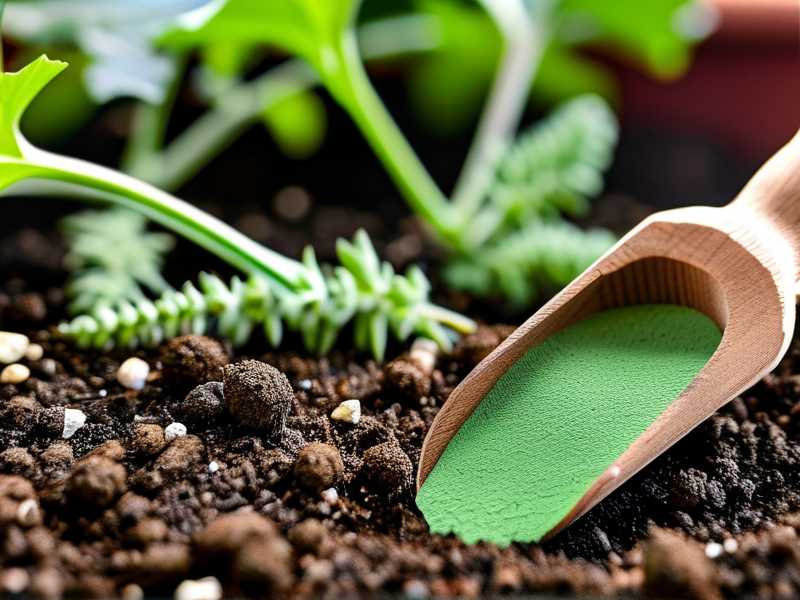
This is the most important physical fix. If your soil holds water for more than 3 days, it is wrong. Succulents hate "wet feet." I use a very gritty mix now.
- 2 parts coarse sand (not play sand, it has salt)
- 2 parts perlite
- 1 part regular potting soil
- 1 part small gravel/pumice
I found that mixing in charcoal bits helps with root health too. When you repot, brush off all the old soil. If the roots are black, cut them off. Leave the plant bare-rooted for a day. This lets the cut ends callus over. If you don't do this, the open wound will rot instantly in the new soil. My biggest success came when I started this "dry repot" method. The pale blue leaves stopped spreading and the plant started retaining water better.
How to Encourage the Dusty Blue Color Back
If your plant is healthy but just looks dull, you might expect it to look like the ones on Instagram (those are often heavily filtered). But if you want the thick, dusty blue coating (farina), you need to stop touching the leaves. That powder is permanent. If you wipe it off, it doesn't grow back.
- Do not mist the leaves. Misting washes away the farina and creates a breeding ground for fungus.
- Water the soil only. Use a watering can with a thin spout to target the base.
- Don't move the plant around. Physical contact rubs off the powder.
I noticed that after my 2-week fix, the new leaves had a fantastic dusty blue coating. The old leaves that I had sprayed with water earlier looked patchy and pale. That patchiness was not disease; it was because I removed the protection layer.
The 14-Day Observation Notes
Let me be clear. You will not see a dramatic color change from "pale blue" to "dark blue" in 14 days. What you will see is a change in health. The stiffness of the leaves is the measure of success.
Here is what I tracked daily (you should too).
- Leaf Firmness: Are they softer or harder than yesterday?
- Color Saturation: Is the blue turning more "chalky" or staying "translucent"?
- Stem Color: Is the stem turning brown or staying green?
I actually graph this for my 20+ plants. It sounds nerdy, but it is the only way to know if you are on the right track. If the stem is turning brown, you are losing the battle against root rot. If the stem is green and firm, you are winning.
Frequently Asked Questions (From My Readers)
I have answered a lot of questions about this specific issue. Here are the top three I get asked on my blog and YouTube comments.
Q: Can I revive a succulent with pale blue leaves that are falling off? A: It depends on the stem. If the stem is still firm and green, yes. Gently twist off all the mushy pale leaves. Let the stem empty. Repot in dry gritty soil and wait. If the stem is black and soft, you cannot save the roots. But you can behead the top of the plant (above the rot), let it callus for a week, and replant it. It will root again and make a new plant. I have saved many plants this way after the bottom leaves turned pale and dropped.
Q: Why is my succulent pale blue on one side only? A: That is a lighting issue. The side facing the window is getting sunburned or sun-stressed, while the back side is shaded. Turn the pot a quarter turn every few days. This ensures even light distribution. The pale side will not fully heal its color, but new growth will come in evenly colored.
Q: Is a pale blue succulent a sign of too much water or too little? A: Both. You have to feel the leaf. If the leaf is soft, squishy, and the color looks greyish-translucent, that is overwatering (rotate rot). If the leaf is thin, flat, and slightly wrinkled, that is underwatering. The key is the texture. Touch the leaf. Do not look at the color alone.
The Bottom Line
I used to obsess over the color of my succulents. I wanted them to look like the perfect, blue-hued gems in magazines. But I realized that the pale blue tint is often a cry for help that leads to death. It is better to have a succulent with a slightly less vibrant blue color that is rock solid than to have a pale blue one that is melting.
Stop watering on a schedule. Get a pot with a hole. Put it in the morning sun. Ignore it for two weeks.
I promise, your plant will thank you. The pale blue color will fade into a normal, healthy greenish-blue, and the leaves will feel like firm little stones. It took me 5 dead plants to realize this. I hope you learn from my mistakes so you don't have to make them. Good luck, and go check your soil right now.