bluename
 Wilted leaf tips on succulents can be stopped in three days. I have killed more succulents than I care to admit. You are likely overwatering, using the wrong soil, or giving the plant the wrong light. Here is exactly how I fix it and what I do now to keep every leaf tip crisp and healthy. You can save your plant, but you have to act fast and change your habits today.
The 3 Deadly Mistakes Every Newbie Makes
I must start with the brutal truth. 90% of indoor plants die from overwatering. That statistic has been repeated by botanists and horticulturists for years. I have lived it. My first echeveria was a mushy, translucent mess within two weeks. My second jade plant dropped every single leaf. I finally learned to diagnose the problem before grabbing the watering can.
Mistake #1: Watering on a Schedule
Many people water their succulents like they water their lawn. That is a huge error. I used to water mine every Monday without fail. I thought it was about consistency. But succulents store water in their leaves and stems. They crave drought. They want long dry periods, then a nice deep soak.
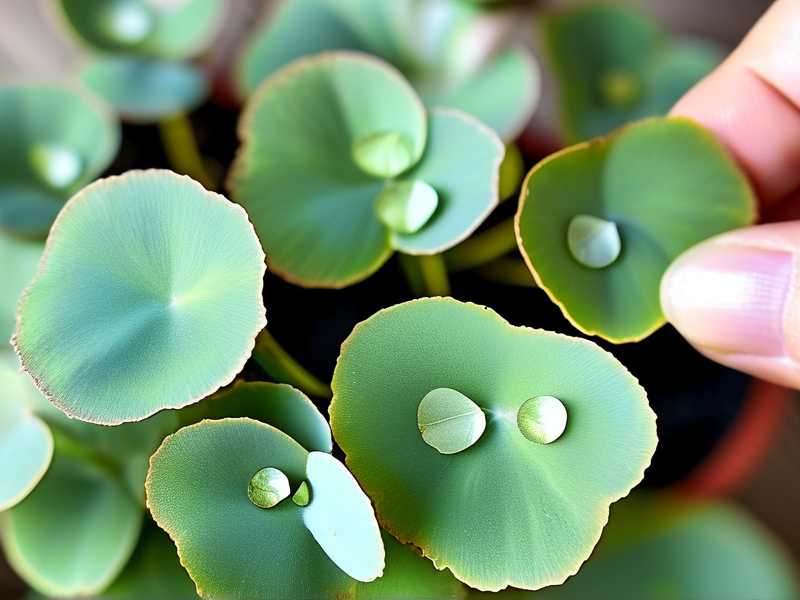
When you water on a schedule, the roots never have time to dry out. They sit in moisture. They suffocate. The leaf tips start to wilt, turning yellow or brown. It looks like dehydration, but it is actually root rot. I remember touching the soil and feeling it moist two inches down. That was my wake-up call. The top soil can look bone dry, but the bottom of the pot can be a swamp.
My Fix: I stopped watering on schedule entirely. I now check the leaves. If they feel slightly soft and wrinkled, I water. If they are firm and plump, I wait. Simple, right? For my environment, that ends up being once every two to three weeks in summer. In winter, I might water once a month. You must learn to read the plant, not the calendar.
Mistake #2: The Light Placement is Wrong
I kept my first succulent on my office desk, far from the window. It grew tall and pale. The leaf tips were curled downwards. I thought I was doing great because it was growing. But it was stretching, looking for light. That weakens the plant. Stretched leaves are more fragile and the tips often burn or wilt when they finally get direct sun.
Then I moved another plant to a south-facing windowsill without acclimating it. The tips turned brown and crispy in one afternoon. It was sunburn. I have now learned to find the "sweet spot". Succulents love bright light, but they hate a sudden, intense blast of it after sitting in the shade for months.
My Fix: I slowly moved my plants closer to the window over a week. A few hours of morning sun, then more. Morning light is gentler. Afternoon sun can be scorching. For my climate, an east-facing window is perfect. It gives bright light without the harsh burn. If the tips are pale or white, they are getting too much sun. If they are green and bending toward the glass, they need more. It took me losing a whole tray of cuttings to understand that simple rule.
Mistake #3: The Wrong Type of Pot
I bought a beautiful glass terrarium once. It looked stunning on the coffee table. It killed my plants in a month. The glass holds moisture. There are no drainage holes. The roots sat in water and literally cooked. That was a heartbreaking lesson. I also tried a pot without a hole because I liked the color. I added pebbles at the bottom, thinking that would create drainage. It didn't. The water pooled at the bottom and wicked back up into the soil.
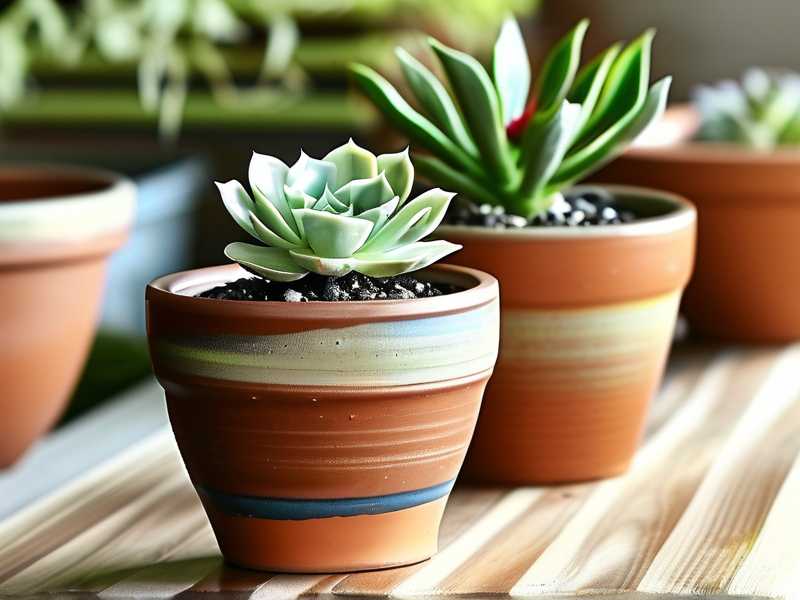
My Fix: I only use terracotta pots now. They are porous. They let the soil breathe and dry faster. Most importantly, every single pot has a drainage hole on the bottom. If I find a ceramic pot I love with no hole, I use it as a decorative cover. I plant the succulent in a nursery pot with drainage and slip it inside the pretty shell. When I water, I take it out, saturate it, let it drain completely, then put it back. That simple change saved my collection.
My Step-by-Step Fix for Wilted Leaf Tips
Let us get to the actual rescue plan. I will walk you through what I do when I spot a succulent with wrinkled, brown, or mushy tips. Do not panic. You have time if you catch it early. I have saved several plants that looked beyond hope.
Step 1: Diagnose the Root System
I start by gently pulling the plant out of its pot. This is the only way to see what is going on. I don't rip it out. I turn the pot sideways and wiggle the plant free. Then I inspect the roots and the base of the stem.
- Healthy roots: White, plump, and firm.
- Rotting roots: Black, brown, mushy, and smells bad.
If the roots are rotting, I have to act like a surgeon. I take a clean pair of scissors and cut away all the dark, mushy parts. I keep cutting until I see healthy white or tan flesh. I also trim away any dead leaves near the base. Leaving them on will just invite more rot. It is brutal, but it is necessary.
Step 2: Let It Callous Over
This is the step I used to skip. I would cut the roots and immediately replant. That was a huge mistake. A fresh cut is an open wound. If I put it in wet soil, it will absorb water and rot again.
I learned to let the wound dry. I set the plant on a dry paper towel in a shady spot. I leave it alone for three to five days. Yes, it is terrifying to watch your plant sit out of soil. But the cut will form a callous. It will look like dry, hard scar tissue. This is your plant's natural defense mechanism. It prevents bacteria and fungus from entering. I have let cuttings sit for two weeks without issue. They are hardy survivors.
Step 3: Repot in Dry, Gritty Soil
Never water after repotting. I know it feels wrong. You expect plants to need a drink after trauma. But succulents are different. I pot the plant in soil that is completely dry.
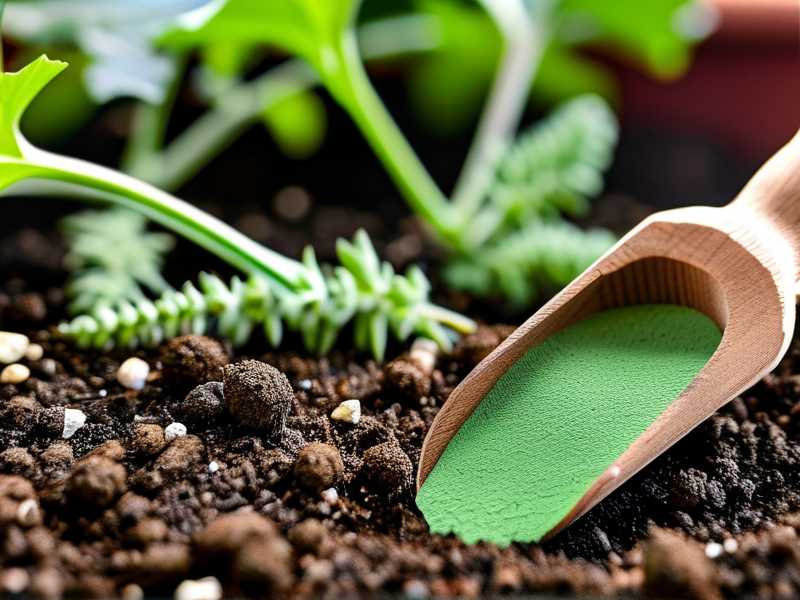
My Soil Recipe:
- 2 parts regular potting soil (I use a basic cactus mix)
- 1 part coarse sand or perlite
- 1 part small pumice or gravel
This mix drains fast. It does not hold water. When I water later, the water rushes through the bottom. The soil stays moist for a minute, then dries out. That is what the roots need. I learned this after my first "soil" was just compost, which is way too heavy.
I fill the pot, place the plant, and gently firm the soil around it. I then move it to a bright spot with indirect light. No direct sun for a week. The plant is stressed. It needs time to adjust without the added pressure of burning sunlight.
Step 4: The Two-Week Wait
Now comes the hardest part for me: doing nothing. I literally do not water for at least a week. Most of the time, I wait two weeks.
During this time, I check the plant. I look at the leaves. I touch them. But I keep the watering can in the cabinet. The roots need to grow new, healthy tissues to search for water. If I water too soon, I drown them before they can establish.
After about ten to fourteen days, I gently tug the plant. If it resists, it has rooted. If it wobbles, I wait another few days. Then I give it a deep watering. I water until it drains out the bottom. Then I wait for the soil to dry completely again.
My 2-Week Observation Notes
I kept a journal on my last rescue. It was a string of pearls with brown, shriveled tips.
- Day 1: Removed from pot. Found soggy roots and wet soil. Trimmed away dark roots, about half of the root ball. Let it sit on paper towel.
- Day 4: The cut looked dry and sealed. Repotted in my gritty mix. No water. Kept it in a north-facing room.
- Day 8: The tips still looked bad. No improvement. I panicked slightly. But I checked the stem. It wasn't soft. I stayed strong and resisted watering.
- Day 11: Noticed new, plump green roots on the soil surface. The plant looked slightly more firm.
- Day 13: Gave the first deep watering.
- Day 15: The tips looked the same, but the rest of the plant was plump. A few young leaves were growing. It recovered successfully.
The old, damaged tips might never look perfect. They are scar tissue. But the new growth will be healthy. Patience is the most important tool you have.
The Best Way to Save a Severely Wilted Cutting
Sometimes the roots are completely gone. The stem is brown and mushy up to the top. Do not throw it away. I have saved succulents from a single healthy leaf.
Step 1: Cut the Rot Away
I take a sterilized knife and slice the stem high above the rotten section. I cut until the cross-section is green and clean. If the center is brown, I cut higher. I keep cutting until I see clean flesh.
Step 2: Water Propagation (My Preferred Method)
I used to put cuttings directly in soil. The success rate was okay. But now I mostly use water propagation. It lets me see the roots grow. It feels nerdy, but it works.
I fill a small glass with clean water. I cover the top with plastic wrap and poke a hole through it. I push the cutting through the hole so just the bottom of the stem touches the water. I do not submerge the leaves.
I place the glass in bright, indirect light. Within two weeks, tiny pink roots appear. They grow into the water. Once the roots are about half an inch long, I transfer the cutting to soil. The transition is easy because the roots are already developed. I lost so many cuttings to failed direct soil rooting. Water propagation gave me a 90% success rate. It is a huge confidence boost for beginners.
Important: When I move the water-rooted plant to soil, I keep the soil slightly moist for the first week. The roots are used to water. Then I transition to the normal dry cycle. This stopped the common problem of roots dying off upon transplant.
How I Prevent This Problem From Happening Again
Prevention is better than cure. I have a simple checklist I run through every month. It takes five minutes and saves me from tons of heartbreak.
Check the Roots Regularly
I don't wait for symptoms to appear. I pull one plant out of its pot every month just to check. It sounds intrusive, but succulents handle it fine. If the roots look white and firm, I replant. If they look brown or smell earthy, I let it dry out longer between waterings.
Understand the Growing Season
Succulents are not always growing. They have a dormant period in winter. I noticed my plants barely drink from November to February. The soil stays dry for weeks. They are resting. During this time, I water them maybe once a month, if that.
In the spring and summer, they go into active growth. They need more water and more nutrients. I will water them when the soil is dry, which might be every 10 days. I also feed them a diluted cactus fertilizer once in spring. That boost helps them grow thick, firm leaves.
Watch the Weather
I live in a humid climate. Rainy days make the air heavy with moisture. The soil doesn't dry as fast. On those days, I don't water. I even move some plants to a more sheltered spot. In a dry, air-conditioned house, the air is more forgiving. I can water more often.
Additional Tips for Crystal-Hard Leaves
I have been collecting succulents for over seven years now. Through trial and error, I have found a few extra hacks that help. They might seem small, but they make a big difference.
Give Them Air Flow
Succulents like air movement. A stagnant, closed room can lead to fungal issues. I keep a small fan running in my plant room on low. It isn't aimed directly at the plants. It just keeps the air moving. This helps the top layer of soil dry out and prevents the tips from staying wet.
Group Them by Water Needs
Not all succulents drink the same. My Haworthias seem to like a bit more water than my Echeverias. I group them together by type. This way, I don't overwater one to please another. Having a dedicated "dry zone" and a "slightly less dry zone" has been a game-changer.
Avoid Getting Water on the Leaves
When I water, I pour directly onto the soil. I don't splash the leaves. Water sitting in the rosette can pool at the center. This causes the leaf tips to rot. If I accidentally spill some, I dry it with a paper towel. It sounds fussy, but the leaf crowns stay clean and free of fungal spores.
FAQ: Wilted Leaf Tips on Succulents
I get a lot of questions from readers. These are the three most common ones about this specific issue. I hope my answers help you too.
1. Can my succulent recover from severely wilted and dry tips?
Yes, but the damaged tips will likely not regrow. Each leaf is a finite structure. Once the cells die, they turn into scar tissue. The leaf may eventually dry up and fall off. That is normal. The plant will push out new, healthy leaves from the center. Focus on the new growth. Remove the old, crispy tips and leaves gently once they are fully dried. The plant will thank you for removing the dead weight that attracts pests.
2. Should I mist my succulent if the tips are wilting?
No, I strongly advise against misting. Misting raises the humidity around the leaves. It does not water the roots. Succulents need their soil to be dry at the root zone. Misting can actually encourage rot on the leaves and make the tips mushy instead of crispy. Stop misting entirely. If you feel the need to do something, check the soil and wait for the right watering moment.
3. How do I know if the wilted tips are from overwatering or underwatering?
This is tricky, but there are signs.
- Overwatering: The leaves turn yellow or translucent. They feel soft and mushy. The base of the plant might look swollen. The soil smells sour.
- Underwatering: The leaves look shriveled and flat. They feel dry and papery. The tips might be brown and crispy. The soil is dust dry.
If in doubt, check the roots. It is the only way to know for sure. Pull the plant out. If the roots are brown and mushy, it is overwatered. If they are dry and fibrous, it is underwatered. I check roots before I make any decision now. It takes away all the guesswork.
Final Thoughts on Succulent Care
Wilted leaf tips are a cry for help, not a death sentence. I have been there. I have killed plants by loving them too much with my watering can. I have also killed them by neglecting their light needs. But every single mistake taught me something.
You now know to check the roots, let the wounds callous, and repot in gritty soil. You know to wait two weeks before you think about watering. You know the importance of terracotta pots with drainage holes.
Do not be afraid to make mistakes. I still buy new plants and fumble sometimes. The difference is I know how to read the signs now. I know that a firm leaf is a happy leaf. I know that my plant will survive a month of drought, but not a week of soggy feet.
If you have a succulent right now with wilting tips, grab a pair of scissors, get it out of the pot, and take a look. You can fix it. Start with the roots. Be patient. The results will come in a few weeks. You got this.