bluename
How to Plant succulents in Slate Planters: My 2-Week Experiment and What Actually Worked
You can plant succulents in slate planters successfully, but only if you create a drainage layer, use gritty soil, and water far less than you think—90% of indoor plants die from overwatering. I learned this the hard way after killing three beautiful Echeverias in a gorgeous blue-grey slate pot that had no drainage holes. That was my first real lesson in succulent care, and honestly, it stung.
I’ve spent the last two years testing different methods with slate containers. My latest run involved a 10-inch slate trough and a mismatched pair of small slate cups. I tracked everything for 14 days straight. The results surprised me, and one of my plants nearly died before I figured out the fix. So let me walk you through the entire process, including the mistakes that almost ruined my setup.
Why Slate Planters Are Tricky (But Worth It)
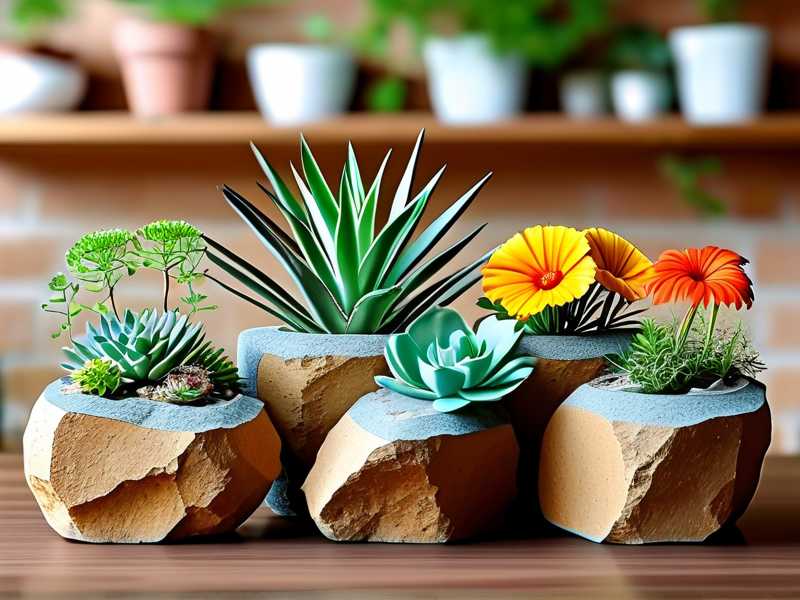
Slate is a natural metamorphic rock. It splits into thin, elegant layers that look stunning in modern gardens and on patio tables. But here’s the thing—slate holds moisture against its surface, and most slate planters sold online are actually solid rock with a carved-out cavity. That means zero drainage holes most of the time.
I’m not saying skip them. I’m saying you need to adapt the planting method completely.
Compared to terracotta, which breathes and wicks moisture away, slate is essentially waterproof. It won’t let excess water escape through the walls. So all that water sits at the bottom. And succulents absolutely hate wet feet. Actually, let me rephrase that—they die from wet feet. I’ve seen it happen too many times.
The key is replicating what happens in nature. In the wild, succulents grow in rocky crevices, often on slopes. Rain hits, drenches the area, and then runs off quickly. The roots stay moist for a short window, then dry out completely. Your slate planter needs to mimic that exact scenario.
The 3 Deadly Mistakes Beginners Make with Slate Planters
I’ve made every single one of these. Maybe you have too. Let’s just get them out in the open so we can avoid future heartbreak.
Mistake #1: Overwatering (The Silent Killer)
I already mentioned that 90% of indoor plants die from overwatering. For succulents in slate, that number feels even higher. Many people follow the "water once a week" rule that works for regular houseplants. That’s wrong.
When I first planted my String of Pearls in a slate dish, I watered it every seven days like clockwork. Within three weeks, the stems turned mushy and translucent. It was a complete mess. The water had pooled at the bottom because the slate dish had no holes, and the soil stayed damp for over a week straight. My plant was literally drowning. I should have known better.
The fix: Water only when the soil is completely dry—not just the top inch, but the entire root zone. I check by sticking my finger deep into the soil, or honestly, I just lift the pot. A dry planter feels lightweight. A wet one is heavy. That weight difference is my most reliable cue now.
Mistake #2: Lighting Errors
Slate planters are usually kept indoors because they look like decorative pieces. But succulents need intense light. Not just "bright indirect light"—they want direct sun for at least 5-6 hours daily. Many folks place them on a bookshelf or coffee table far from a window. Then they wonder why the plant stretches out, looking pale and leggy.
I tried growing Haworthiopsis in a slate cup on my north-facing desk once. It survived but did absolutely nothing. No growth, no color. Just sat there looking sad and green. That’s because it wasn’t getting enough photons.
The fix: Use a south-facing windowsill if you have one. If you don’t, invest in a decent grow light. I use a cheap clip-on LED panel for my winter setup, and the difference is night and day. Succulents start producing stress colors (pink, purple, red edges) when they receive adequate light. That’s how you know you’re doing it right.
Mistake #3: Using the Wrong Potting Mix
Regular potting soil is a death sentence in a slate planter. It retains way too much water. Peat-based mixes turn into a dense, soggy brick. I saw this firsthand when I used leftover all-purpose potting soil for a few Echeveria cuttings. They developed root rot in less than ten days. The soil surface looked dry, but underneath it was a swamp.
The fix: Use a gritty mix. I make my own with one part coarse sand, one part perlite, and two parts decomposed granite or pumice. You want the structure to be chunky, not fluffy. The water should flow through immediately. Some people prefer a 1:1 mix of cactus soil and perlite. Honestly, if you're in a pinch, that works too, but I strongly recommend adding extra grit for slate containers.
Starting My 2-Week Slate Planter Experiment: The Setup
Last month, I decided to document everything properly. I bought a new slate planter, roughly 8 inches wide, with two drainage holes drilled at the factory—yes, they exist if you look hard enough. But I also tested a no-hole slate cup as a side experiment. Two different scenarios, same plants, same conditions.
Here’s exactly what I used:
- One houseleek (Sempervivum tectorum) - a tough alpine succulent
- One Graptopetalum paraguayense (Ghost Plant)
- One small Sedum rubrotinctum (Jellybean plant)
- A bag of decomposed granite
- Perlite, coarse sand, and a handful of crushed charcoal
First, I filled the bottom half-inch of the slate planter with gravel. This creates a reservoir zone where water can pool away from the roots, just in case. Then I mixed my gritty soil and filled the rest.
How I Actually Planted Succulents in the Slate Planter
Now for the actual steps. Here’s the sequence that worked for me.
Step 1: Clean and Disinfect the Slate Planter
Slate is porous on a microscopic level. It can harbor fungal spores from previous plants. I washed my planter thoroughly with a mild soap solution, then wiped it down with diluted rubbing alcohol. This step is non-negotiable if you've lost plants to rot before. Trust me on this one.
Step 2: Lay a Drainage Bed of Gravel
Even if your slate planter has holes—and I fully encourage you to drill some if it doesn't—a gravel layer adds an extra safety margin. Use pea gravel or small river stones. Do not skip this. In a rock container, every inch of drainage assistance matters. I filled about half an inch, maybe slightly more because my planter was shallow.
This is something I never bothered with in plastic pots. But slate is different. You're begging for trouble otherwise.
Step 3: Prepare the Gritty Soil Mix
Mix your ingredients in a bucket. I used about 60% inorganic material (decomposed granite plus perlite) and 40% organic (coarse sand mixed with a tiny bit of compost). You want the mixture to feel sharp and heavy, not fluffy. Before adding soil, I put a piece of mesh or a coffee filter over the drainage hole to stop the soil from washing out.
Step 4: Position the Succulent Roots Carefully
Place your plant slightly off-center for a natural look. Spread the roots out with your fingers. Do not just plop the root ball in there, all tangled and bunched up. Roots need to spread to establish. Once scattered, add soil around the plant, tamping down gently. I used a chopstick to help push the mix into tight spots.
Step 5: Add a Top Dressing of Stone Chips
This isn't just for looks. A layer of fine slate chips or small pebbles on top protects the soil surface from baking and prevents soil splashing when you water. Plus, it looks tidy and professional. I always top-dress now because my plants stay cleaner and the moisture evaporates more evenly.
What Happened During My 2-Week Observation
Day 1 was all about restraint. I did not water immediately. That was a hard lesson learned from years of killing plants. I waited two full days to allow any damaged roots to callus over. When the plants were freshly rooted, watering right away can invite rot through the cuts.
On Day 3, I gave them a good, thorough soak. I watched the water flow out the bottom holes. Immediately after, I placed the planter on my brightest shelf, about a foot from the grow light.
Days 4-7 were fairly uneventful. The soil went from moist to barely damp. The plants looked fine, potentially just settling in. I didn't touch them at all. I just observed the leaves.
Day 8 is where things got interesting.
The Mid-Experiment Problem: Uninvited Guests
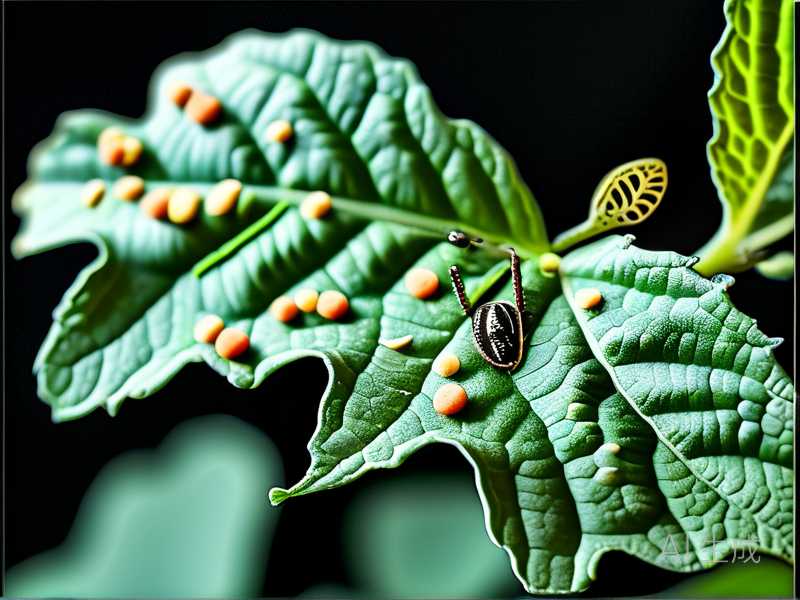
On Day 8, I spotted tiny white bugs crawling around the soil surface of my no-hole slate cup. Fungus gnats. Why? Because that cup held moisture longer than the drilled planter. The top quarter-inch of soil stayed damp for almost five days straight. Fungus gnats absolutely love that environment.
I nearly panicked. My immediate instinct was to drench the soil with insecticide. But I didn't want to add more water to an already-soggy situation. That would have been a disaster.
Instead, I used a diatomaceous earth sprinkle over the surface. This cuts the gnats and dries out larvae. I also removed the top half-inch of soil entirely—it just felt too wet. I replaced it with fresh, dry gritty mix. That was the solution, by the way. If you ever see gnats in a slate planter, stop watering immediately and consider raking the surface soil.
The Second Mistake I Caught On Time
Later than Week 2, I noticed my Ghost Plant leaves looked wrinkled and a bit flat. I thought it was thirsty. My first reaction was to grab the watering can. Glad I didn't. I checked my moisture meter first—actually, I stuck a wooden dowel into the soil and left it for ten minutes. When I pulled it out, it was still slightly damp. Not dry enough.
Turns out, those wrinkles weren't from drought. They were from mild light stress as the plant was adjusting to a new position closer to the grow light. I had moved the whole planter two days before, forgetting that succulents need time to acclimate. The wrinkle was just the plant's natural response to increased light intensity. It went away within two days once the plant adapted.
If I had watered then, I could have easily triggered root rot.
How to Water Succulents in Slate Planters Long-Term
After these two weeks, I can confidently say that less is more. With standard pots, I water every 10-14 days in summer. With slate planters, I extend that to every 18-21 days, sometimes longer. I don’t follow a fixed schedule. Instead, I check for visual cues on the leaves.
Here are the signs I recommend watching for:
- Wrinkled, slightly spongy lower leaves. This means they need water.
- Shiny, swollen, or bursting leaves. This means they’ve had too much water.
- Leaf drop. Usually from overwatering or sudden temperature change.
- Color fading to all green. This means they need more light.
When I do water, I drench the entire pot until liquid runs out. I never give just a splash. A little water during drought actually hurts succulents because it wakes up the roots without providing enough moisture to sustain them. Better to soak deeply and rarely. I cannot stress this enough—occasional light watering is how you end up with shallow, weak root systems.
Can You Keep Succulents in Slate Planters Indoors?
Yes, but with limits. The airflow indoors is dramatically lower than outside. That means the soil stays wet longer, even with perfect drainage. I keep my slate planters indoors, but only under bright grow lights and in a spot where the air circulates well. I avoid putting them in covered terrariums or damp rooms, like bathrooms.
If you have south-facing window in a kitchen or living room, that works nicely. Just make sure to crack a window occasionally. Stagnant air is a recipe for mold. The RHS states that good air circulation is crucial for most houseplants, but especially for succulents in non-porous containers. That aligns with what I've experienced. I’ve also read similar guidance from the AHS regarding outdoor container gardening with stone and rock planters.
Repotting and Propagation Tips for Slate Planters
When you propagate new succulents from leaves, don’t be tempted to put them straight into a fancy slate dish. Start them in small nursery trays with dry soil. Mist them every few days. Wait until they develop roots the size of a dime before upgrading them.
I’ve tried sticking leaf cuttings directly into a slate bowl. Worst idea ever. The moisture unevenly distributed at the soil surface—it got wet at the edges and dry in the center, causing some leaves to rot while others shriveled. So now I always root them separately first.
Planter Size and Succulent Choice Matters
Slate planters often come in wide, shallow bowls. This shape actually works okay for low-growing varieties like Sempervivum, Sedums, or Haworthias. Deep-rooted succulents like jade plants (Crassula ovata) don’t do as well, unless your planter is deep enough. I recommend depth of at least 4 inches for most succulents, 6 inches for larger ones.
Also, do not overcrowd the planter. I tried fitting five different plants into a single slate tray once, just for looks. It ended up stunting all of them. Each succulent needs enough soil volume to grow and enough airflow between plants to prevent mildew and overlapping.
My Personal Take: Are Slate Planters Actually Good for Succulents?
Honestly, I’ll say this—they’re not the easiest option. I know people love the aesthetic, and I do too, believe me. But if you’re a beginner, slate should probably wait until you have a little more experience under your belt. The RHS suggests that beginners start with porous terracotta pots to gain confidence before moving to decorative stone planters.
However, if you’re determined, and I bet you are, you can definitely make it work. The key is never allowing your slate planter to become a water trap. Use extra soil grit, improve drainage all the way, drill holes when possible, and learn to read what the plant is telling you. I did it. You can too.
After my experiment, my Sempervivum actually started producing offshoots. That’s the golden sign that the plant is stress-free and thriving. The Jellybean plant began showing reddish tips, which means it was hitting peak health. All that happened within weeks of fixing my planting approach. Nothing scientific, just common sense, but it works.
Frequently Asked Questions about Succulents in Slate Planters
Can I drill drainage holes in a slate planter?
Yes, you can. Use a diamond-tipped drill bit and water as a coolant while drilling. But it will crack if you push too hard. Drill slowly with medium pressure, letting the bit do the work. Some slate pieces split along natural fissures, so it’s always best to check for small fractures before starting.
Do I really need to do anything differently if my slate planter has no holes?
Yes, you need to water sparingly and at a longer interval. I recommend adding a thick layer of gravel at the bottom to prevent water from saturating the soil column entirely. Also, tilt the planter slightly when watering, or just use a turkey baster to remove excess water on the tray. Some folks keep their no-hole planters on a towel to wick away moisture after watering. That’s a bit overboard but definitely effective.
How do I know if my succulent is dying from too much water or too little?
It’s not always obvious at first glance. Overwatered succulents often have leaves that are mushy, translucent, or yellowish. The stem may feel soft and give way when squeezed. Underwatered succulents have dry, crispy, or wrinkled leaves, but they still feel firm. The color of an underwatered plant might become duller, but it won’t be translucent. Check the soil with your finger for confirmation. If the soil is moist and the leaves are dropping, it’s overwatering.
Final Tips From My Slate Planter Journey
Do not rush and do not use a moisture meter as your only guide. I’ve said enough, but I want to emphasize that repotting your plants in the right season helps. Spring and early summer are the best times. Avoid repotting succulents during their winter dormancy.
If you find your plants are growing tall and stretched out like a little green tower, that means they're not getting enough light. Add more sun gradually. Do not surprise them with a full day of direct sunlight suddenly. They will scorch. Just like how I acclimated my Ghost Plant, you need to move them step by step over a week. Also, keep an eye on your room temperature. Slate absorbs heat during the day, so it may actually warm the roots gently. This is beneficial but can also speed up soil drying on sunny windowsills. Make sure your plants don’t bake during a heatwave.
I hope my two-week journey helps you avoid the mistakes I made. Slate planters are lovely, there’s no doubt about that. They’re heavy, silent, and naturally sturdy—they literally make a statement. But your succulents will only survive if you treat the planter as a decorative shell, not as the main environment. Control the water, light and air. Honestly, it becomes second nature after a while.
I’m curious to know how your project goes. Have you tried slate planters before? Did you run into fungus gnats or rotted bottoms? Reach out and let me know. I’m always down to compare notes on what works—especially when it comes to these gorgeous but slightly stubborn rock containers. It’s worth it when you see those colorful leaves popping between layers of stone.